
CONMEBOL president Alejandro Dominguez has reignited speculation about a historic expansion of the World Cup, proposing that the 2030 tournament feature 64 participating nations spread across six host countries. The ambitious vision would coincide with the centenary celebration of international football's flagship competition, marking a seismic shift from the traditional format that has defined the sport for generations.
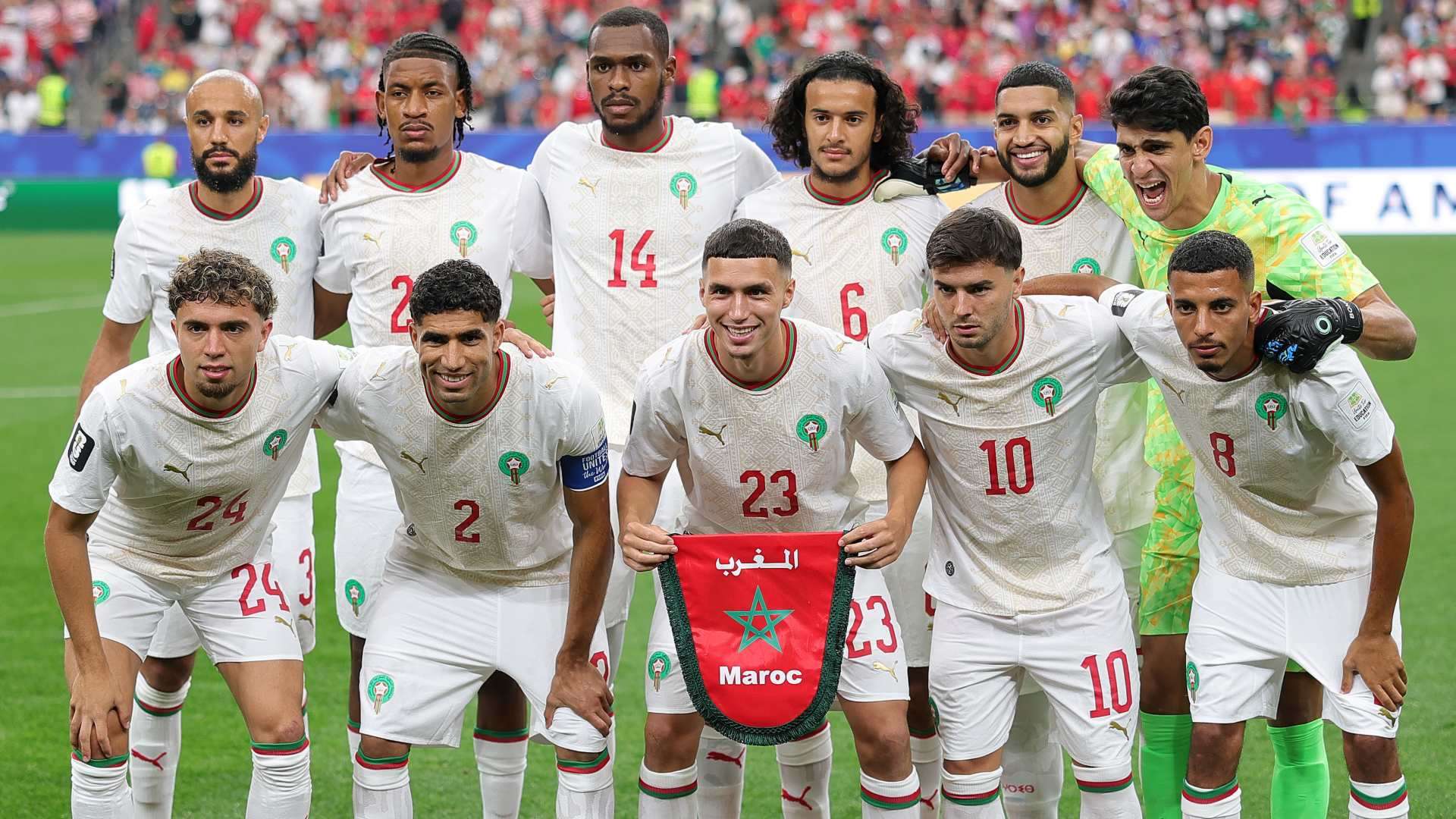
Dominguez outlined his proposal on social media following Spain's triumph in the 48-nation tournament that concluded this summer. He emphasized that the 2030 World Cup, already scheduled to be hosted primarily by Spain, Morocco and Portugal, could see Uruguay, Argentina and Paraguay serve as additional venues for opening centenary matches. The confederation leader framed the expansion as an opportunity to celebrate football's rich history while democratizing access to the world's premier tournament.
What a 64-Team Format Would Mean
A 64-team World Cup would represent a dramatic structural change to international football. The tournament would expand to 128 matches—precisely double the 64 games played under the traditional 32-team format that ran from 1998 to 2022, and a substantial increase from the 104 matches staged in the most recent 48-team edition. Such expansion would require unprecedented logistical coordination among multiple nations and raise critical questions about scheduling, stadium capacity, and player welfare during an already congested calendar.
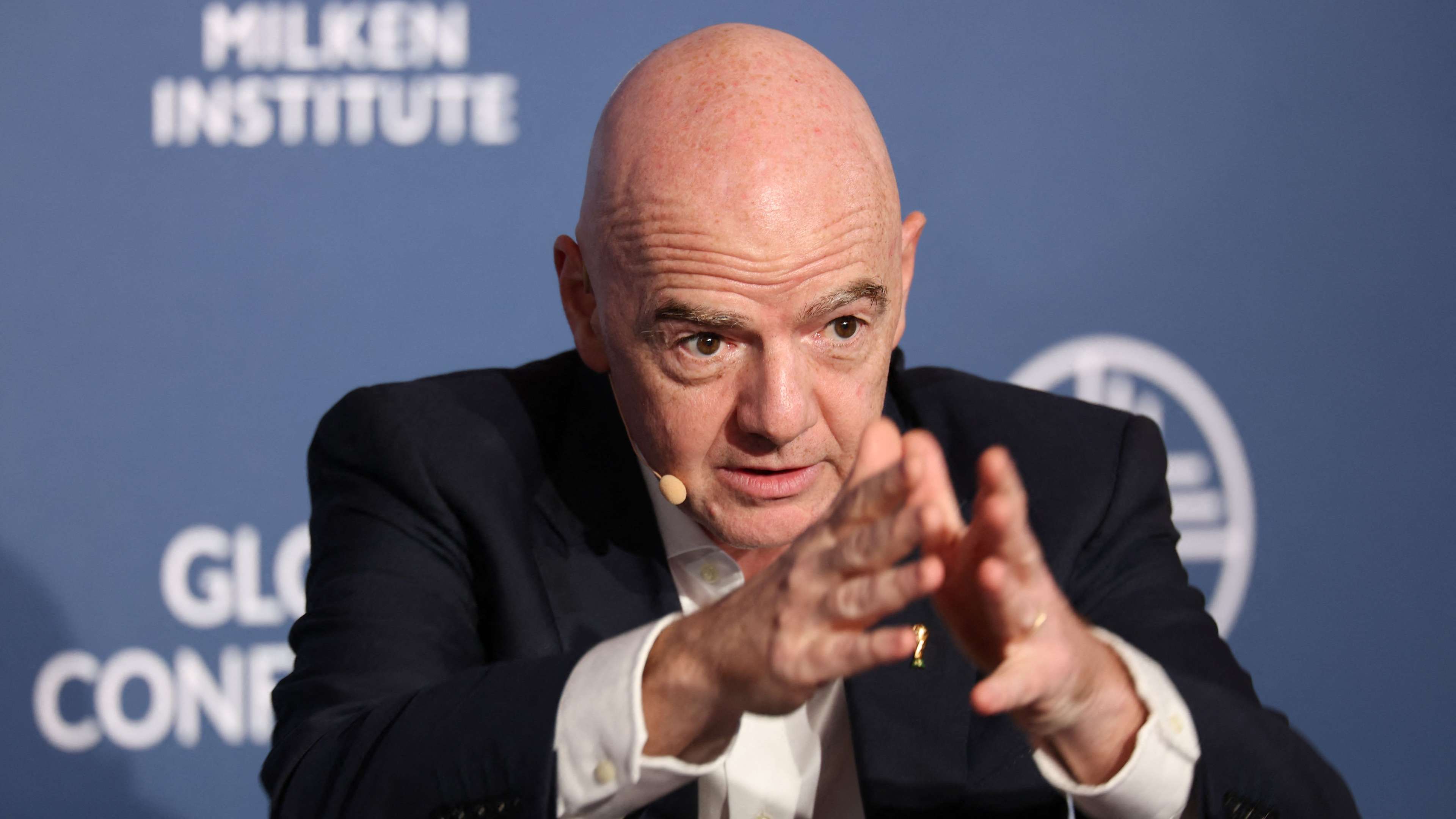
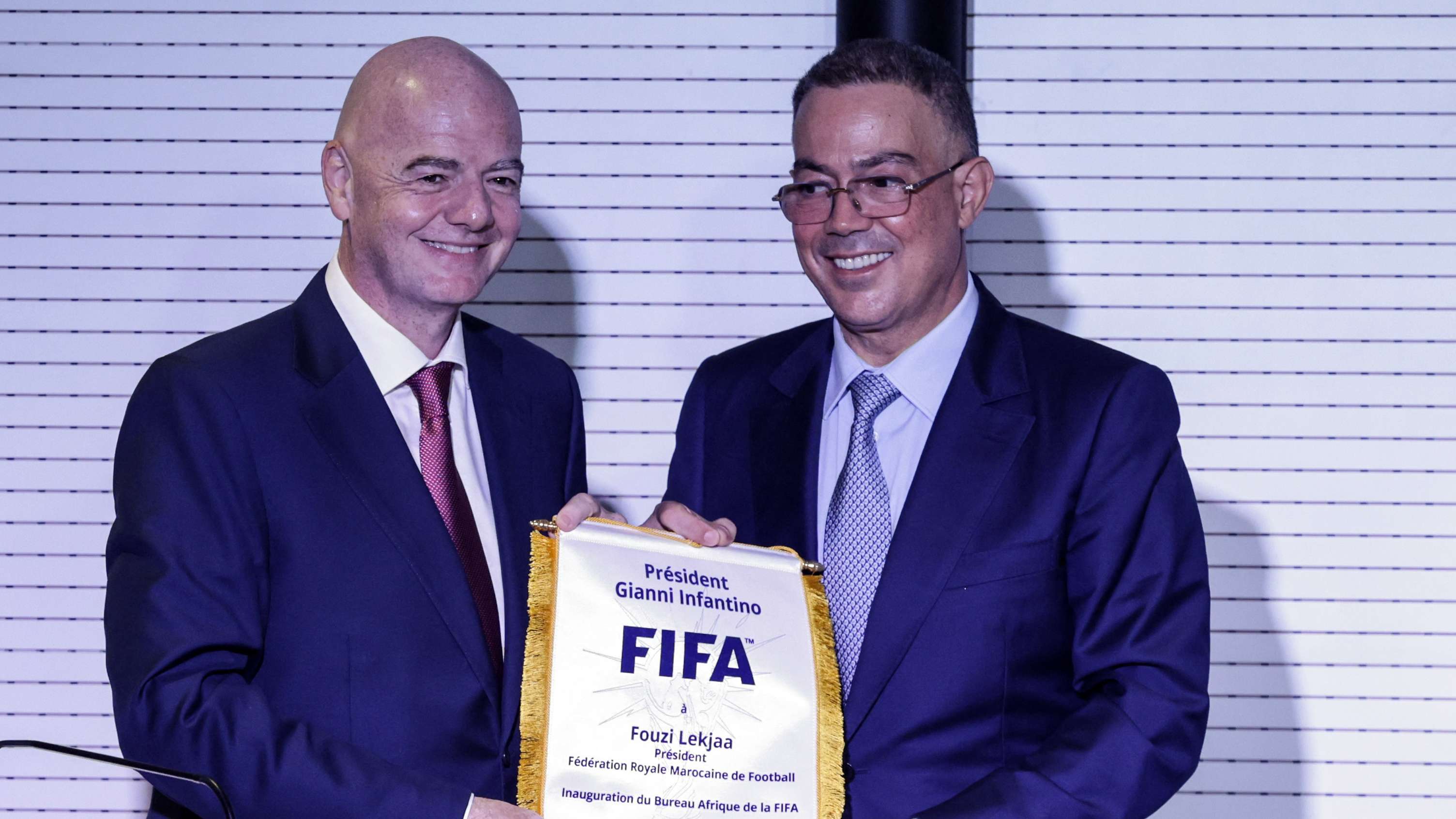
FIFA president Gianni Infantino has previously signalled openness to this concept. In July, he told Swiss broadcaster Blue Sport that the governing body would examine a 64-team format after evaluating the 2026 tournament. Infantino argued that expanding access serves the global development of the sport, stating: "Every nation should be able to dream of taking part in the World Cup." He emphasized that smaller nations lose motivation to improve when excluded from world football's showcase event, and that rising quality across international football warrants wider participation.
Next Steps for FIFA Committees
Despite Dominguez's bold vision, FIFA has made no official announcement regarding 2030 expansion. Relevant committees must now conduct thorough analysis of the logistical and physical demands of hosting 128 matches across six nations. Key considerations include: venue readiness, accommodation for expanded delegations, broadcasting infrastructure, and scheduling feasibility within existing football calendars that already strain club-based players.
The decision will carry profound implications not only for the 2030 centenary celebration but for the trajectory of international football itself. As football executives weigh commercial opportunities against operational complexity, the world watches to see whether the sport's governing body embraces unprecedented expansion or opts for measured evolution.