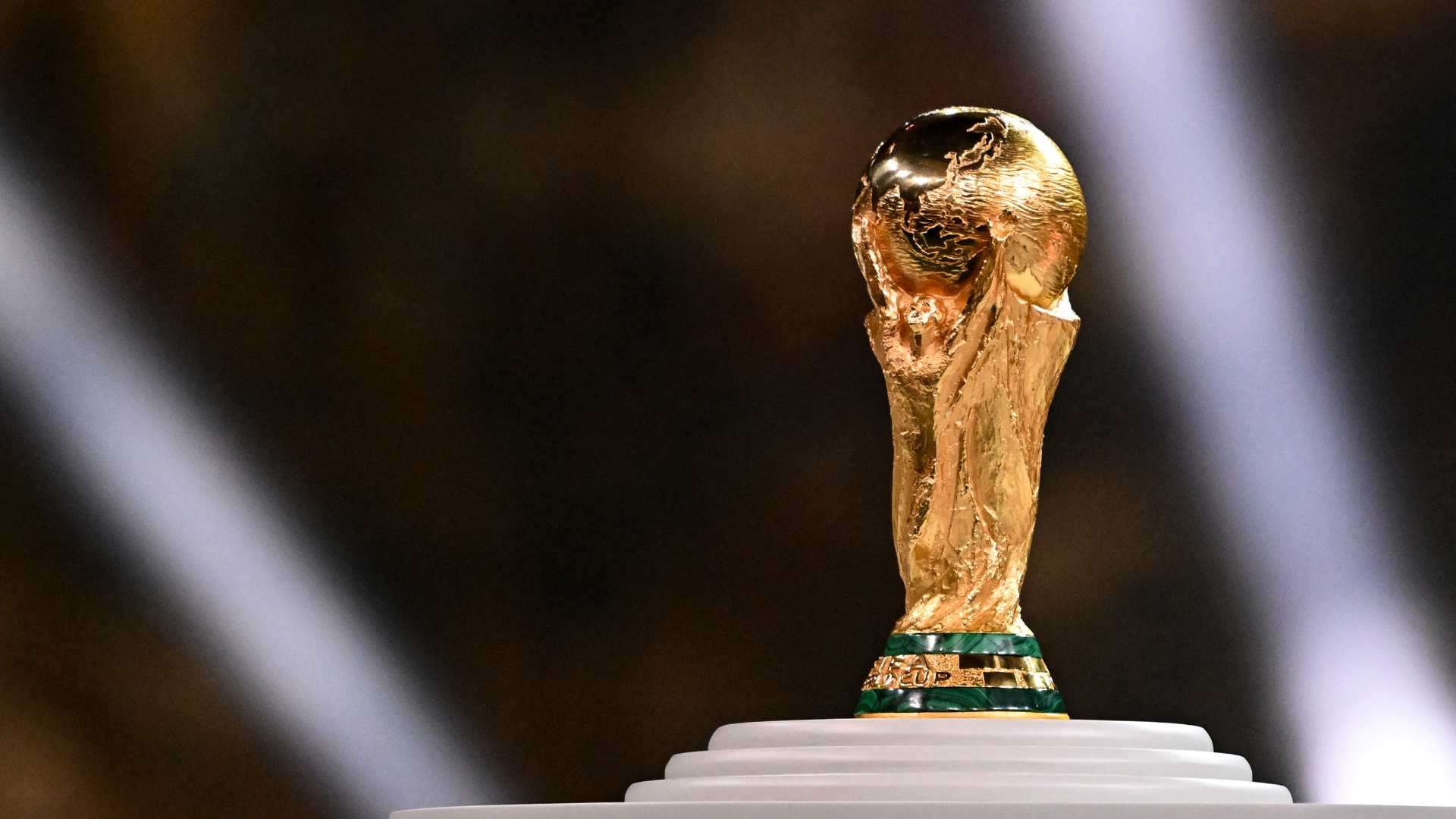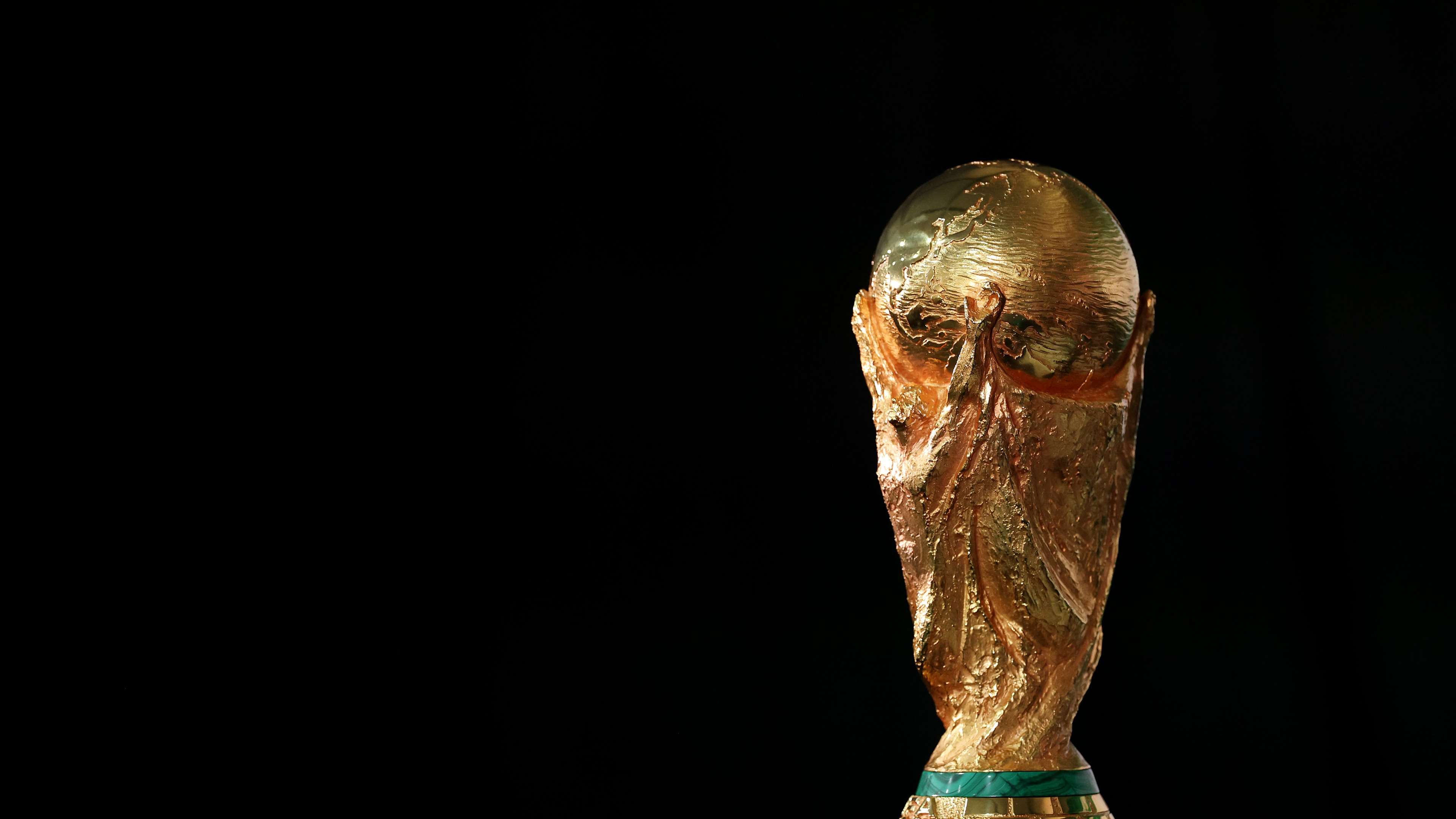
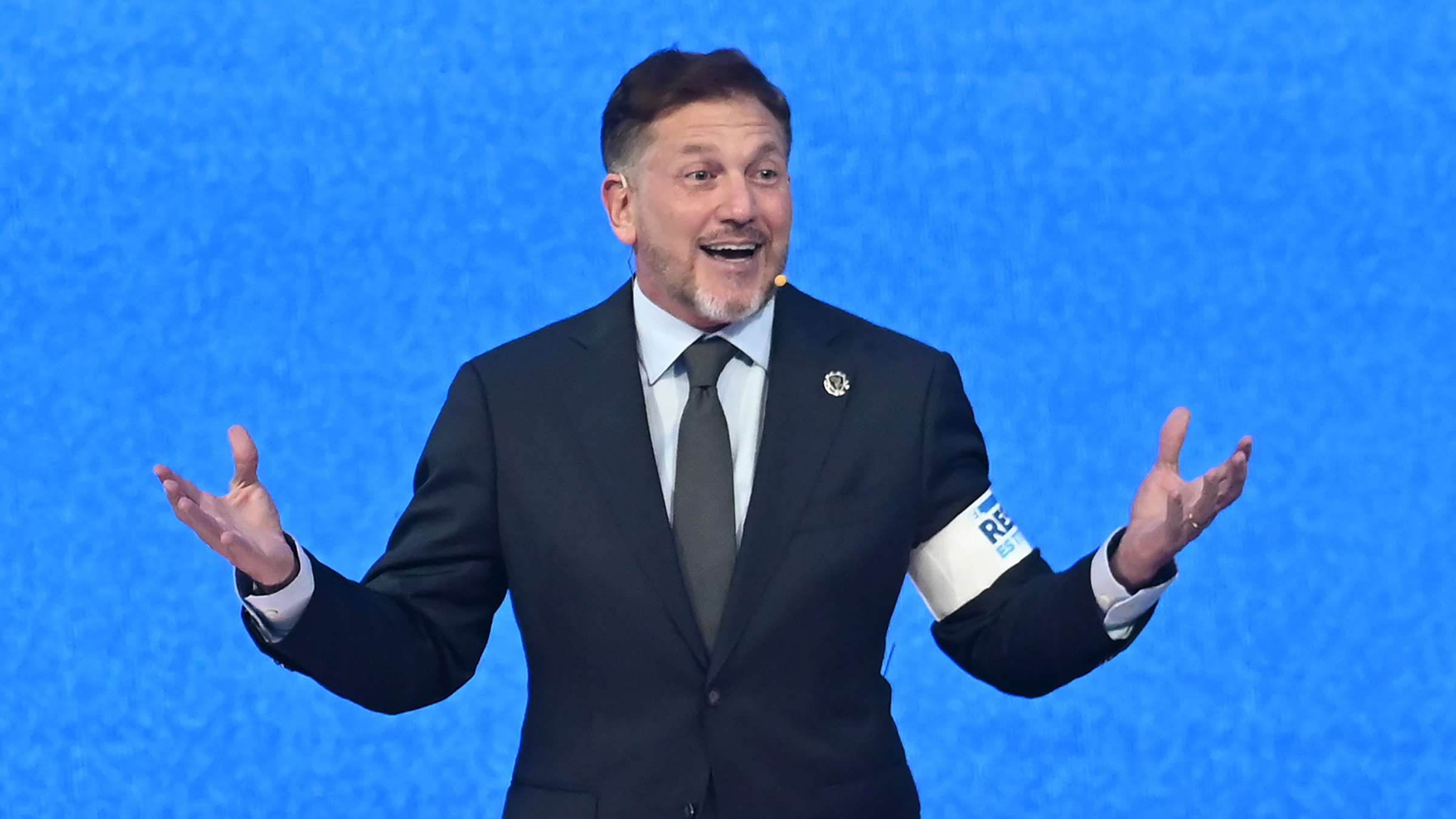
CONMEBOL president Alejandro Dominguez has announced that the 2030 World Cup will expand to a historic 64-team format, marking a dramatic shift in tournament structure following the successful 48-team debut in North America. The centenary edition, set to be hosted across Spain, Morocco, and Portugal, will include ceremonial opening matches in Argentina, Paraguay, and Uruguay to honour the competition's roots in South America.
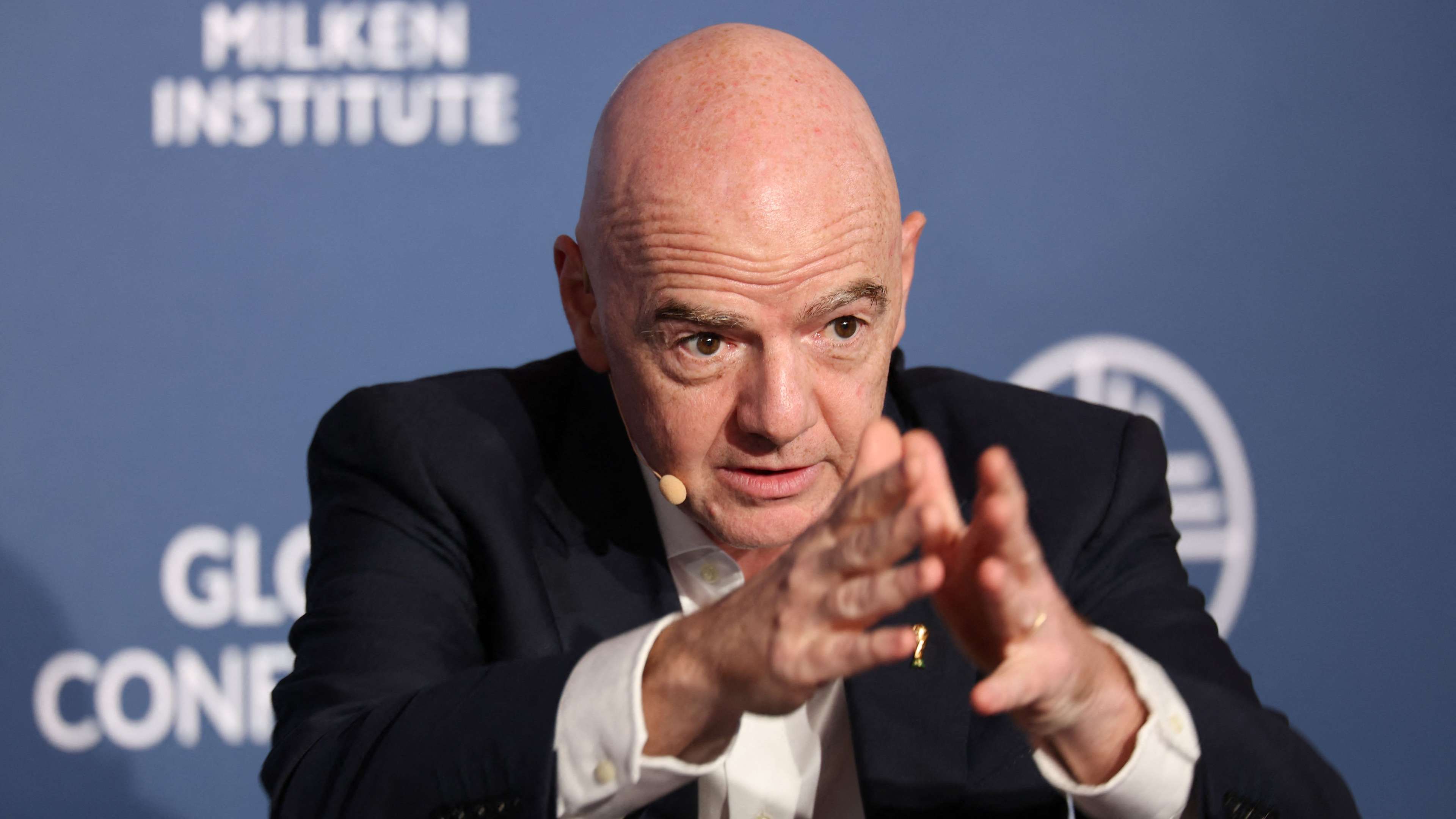
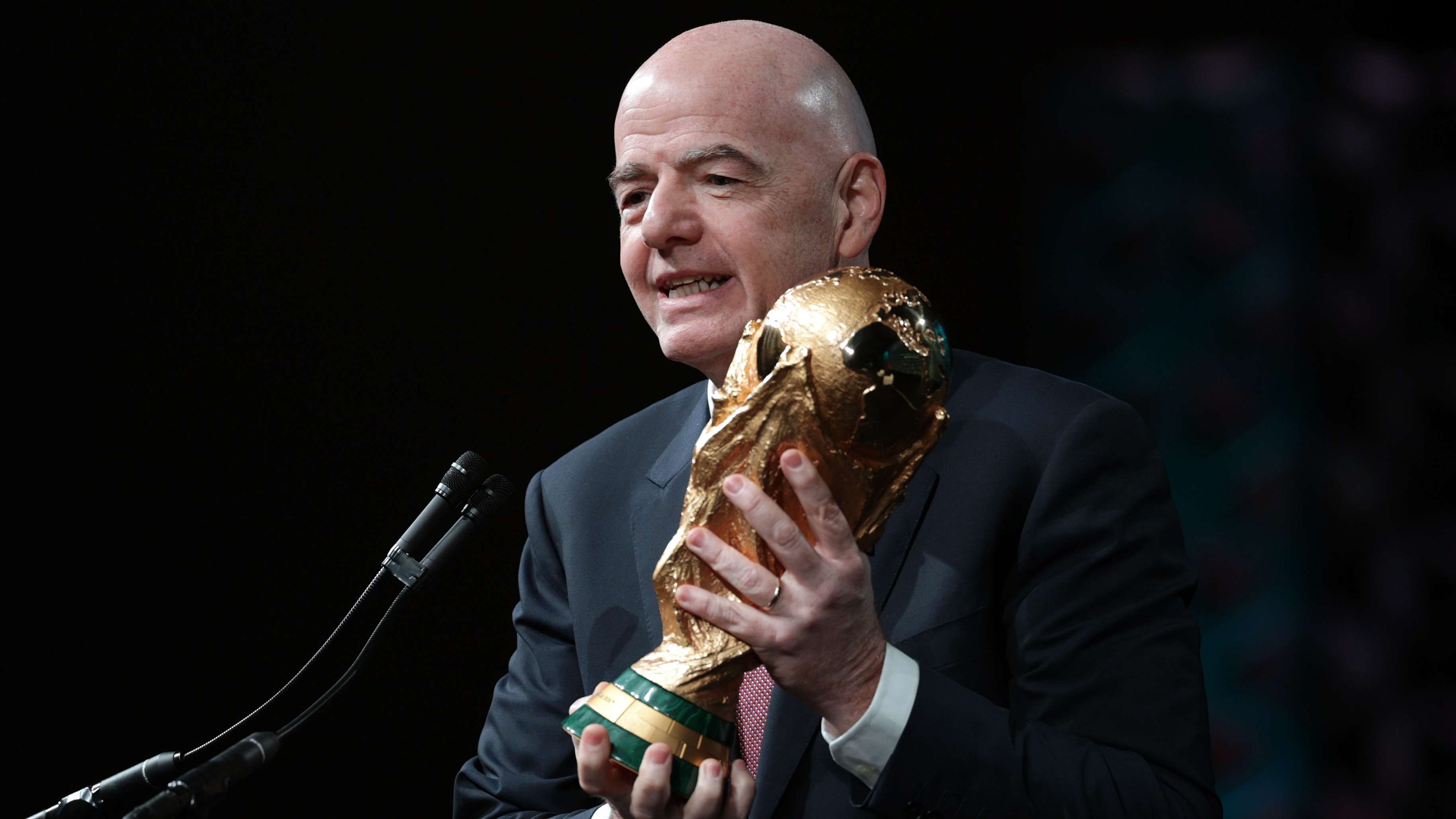
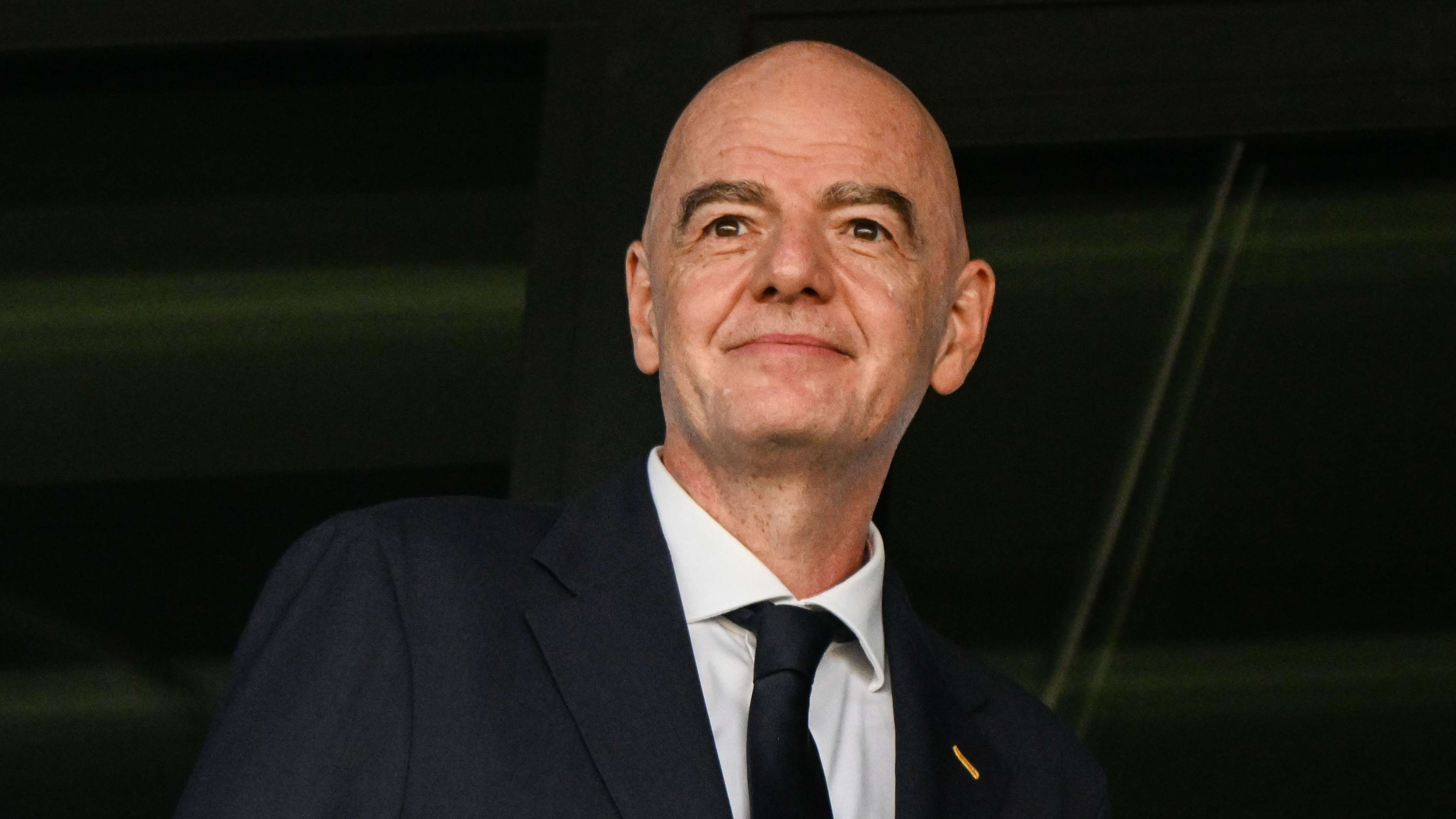
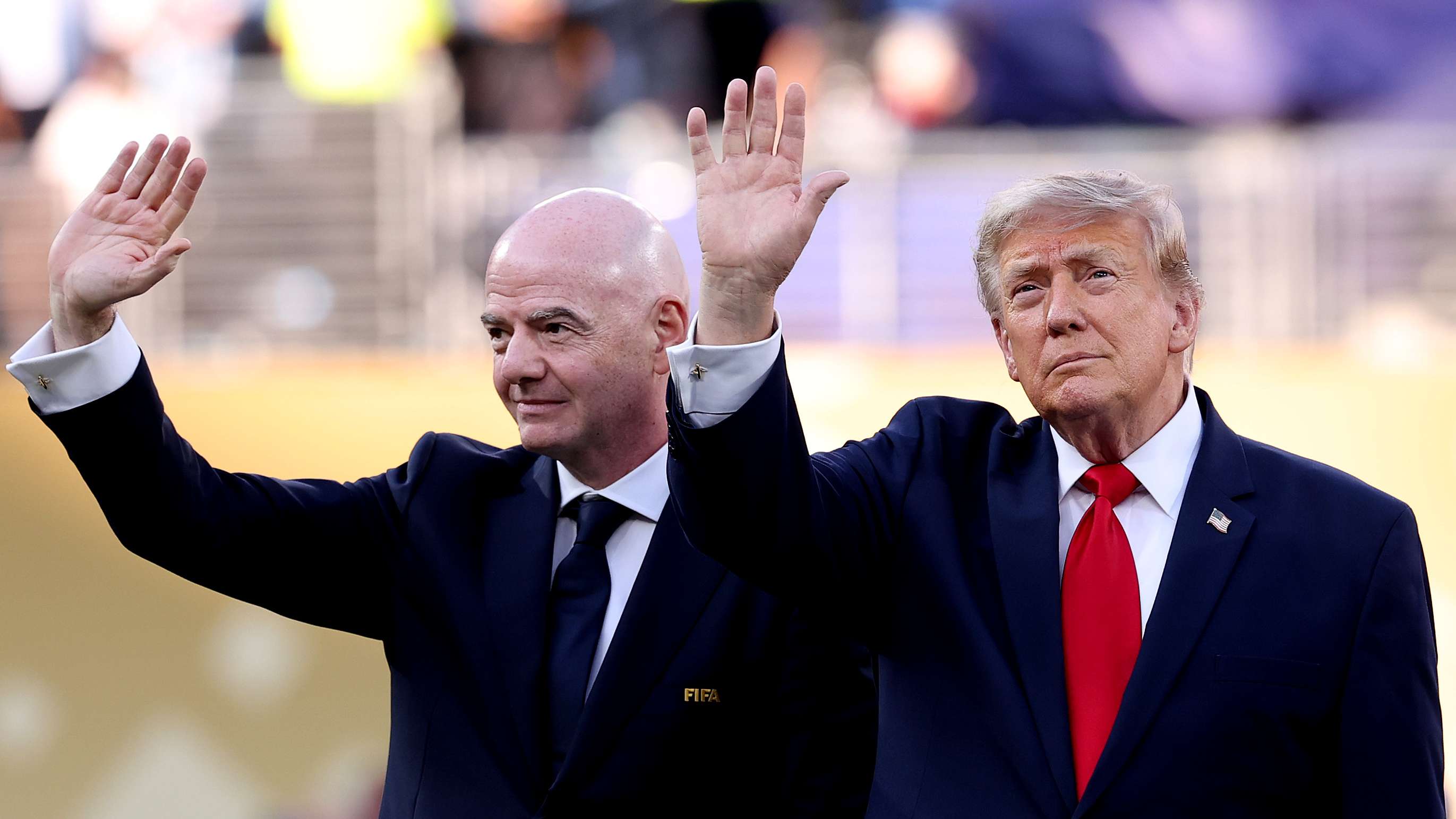
Dominguez made the declaration on social media platform X, stating: "In 2030, the World Cup comes to Uruguay, Argentina and Paraguay, a great opportunity for football, to celebrate the World Cup Centenary with a 64-team tournament." While FIFA has not yet officially confirmed the expansion, FIFA president Gianni Infantino previously signalled openness to further growth, telling Swiss broadcaster Blue Sport that the organisation will evaluate the proposal after the 2026 tournament concludes.
Structural Overhaul and Tournament Implications
A 64-nation World Cup would fundamentally reshape competition architecture. The tournament would comprise 128 matches—double the classic 32-team format—with the group stage expanding from 72 to 96 fixtures. This layout would likely organise teams into 16 groups of four nations, creating an extended qualification pathway for smaller football nations.
The expansion reflects Infantino's philosophy on global inclusion. "Every nation should be able to dream of taking part in the World Cup," he explained. "When you don't give smaller countries the chance to participate, they also lose the incentive to keep improving." This approach acknowledges rising competitive standards across international football, particularly among emerging nations.
Calendar Clash and Player Welfare Concerns
The proposal carries significant logistical challenges. Extending the tournament to six weeks would demand players commit up to two months including preparation, intensifying friction between FIFA, clubs, and player unions. World football's governing bodies must navigate competing pressures: commercial expansion versus athlete workload management.
- Group stage fixtures increase from 72 to 96 matches
- Tournament duration extends to approximately six weeks
- Total matches rise to 128 across the competition
- Opening ceremonies scheduled across three South American nations
FIFA committees will convene to assess feasibility before a formal decision arrives at the next FIFA Congress. The 2030 World Cup centenary offers an unprecedented opportunity to reshape global football's showpiece event, yet the path forward requires balancing commercial ambition with legitimate concerns from the professional game's stakeholders.