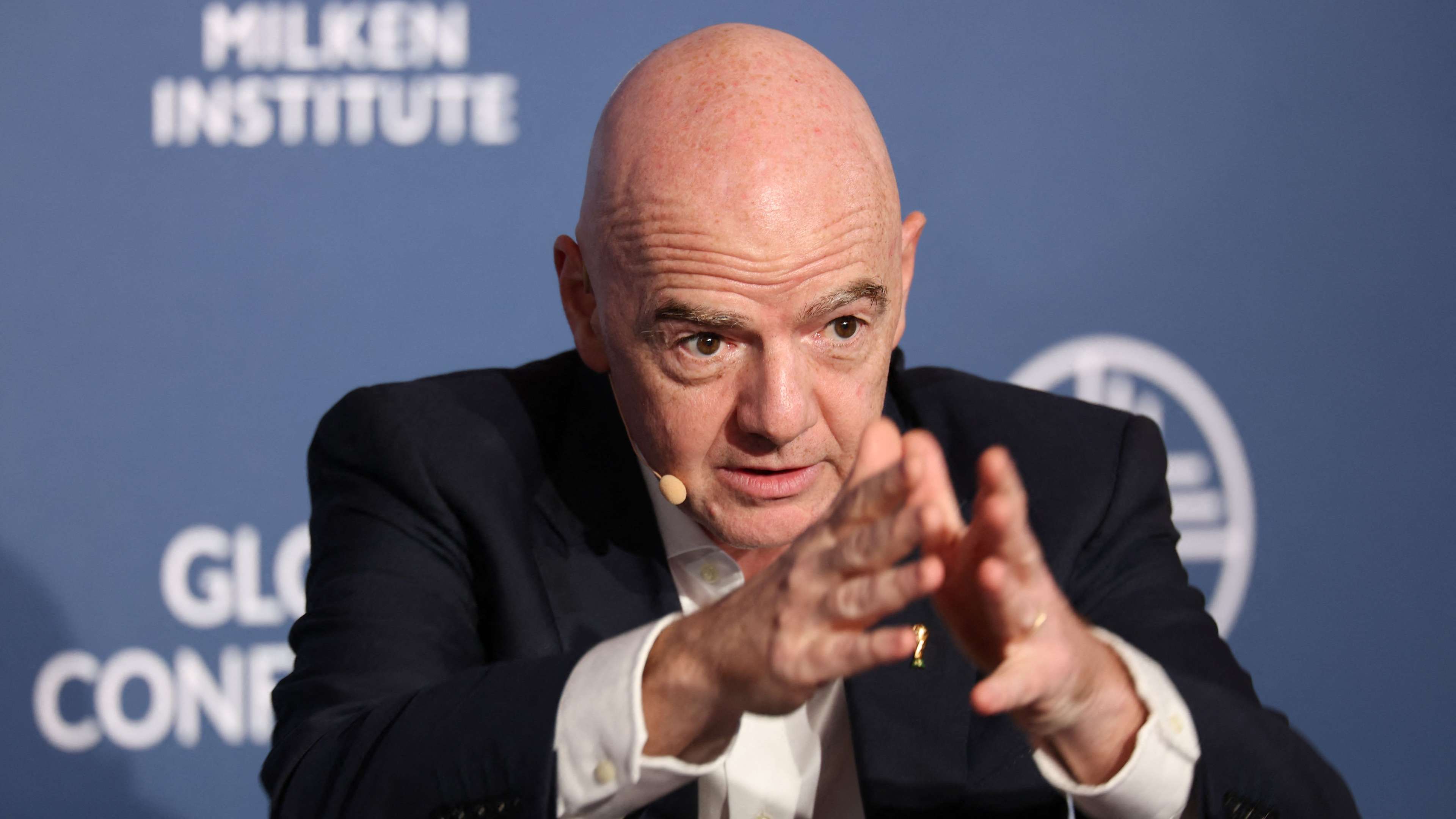
FIFA is exploring a dramatic expansion of the World Cup to 66 teams, with the 2030 edition hosted by Spain, Portugal and Morocco potentially becoming the first tournament to feature this enlarged format. The proposal, initially championed by South American confederation CONMEBOL, is gaining traction among member associations and has moved into serious consideration by world football's governing body.
The expansion would represent a significant shift in the competition's structure. For nearly 25 years, from 1998 through 2022, the World Cup remained fixed at 32 participating nations. The upcoming 2026 tournament in the USA, Canada and Mexico will break that tradition by expanding to 48 teams—a format that introduces seven debutants including Cape Verde, Curaçao and Jordan, alongside returning nations like Haiti and Iraq after extended absences from the competition.
Why Expand the World Cup Further?
The rationale behind a 66-team format centers on inclusivity. Smaller football nations would gain unprecedented opportunities to compete on the world's grandest stage, a democratic principle that CONMEBOL has actively promoted. With FIFA currently boasting 211 member associations, the expanded field would dramatically increase participation rates, though the exact tournament structure for a 66-team competition has yet to be detailed.
CONMEBOL's push for expansion carries strategic weight. South American confederations have reportedly secured special provisions for the 2030 tournament already—single matches will be hosted in Buenos Aires, Montevideo and Asunción alongside the official co-hosts Spain, Portugal and Morocco. Observers suggest the confederation is positioning itself to benefit further should the field expand to 66 teams, potentially securing additional fixtures on home soil.
Tournament Format and Timeline
The current plan maintains 48 teams for 2030, with top two finishers from each group advancing to knockout rounds, supplemented by select third-placed teams. How a 66-team structure would function remains undetermined, presenting complex logistical challenges around group configurations and match scheduling.
The 2026 North American World Cup will serve as a crucial testing ground, beginning June 11 with Mexico versus South Africa and concluding July 19 in New Jersey. This five-and-a-half-week tournament will demonstrate whether the expanded 48-team format delivers the competitive balance and commercial success FIFA seeks before committing to an even larger 2030 competition.