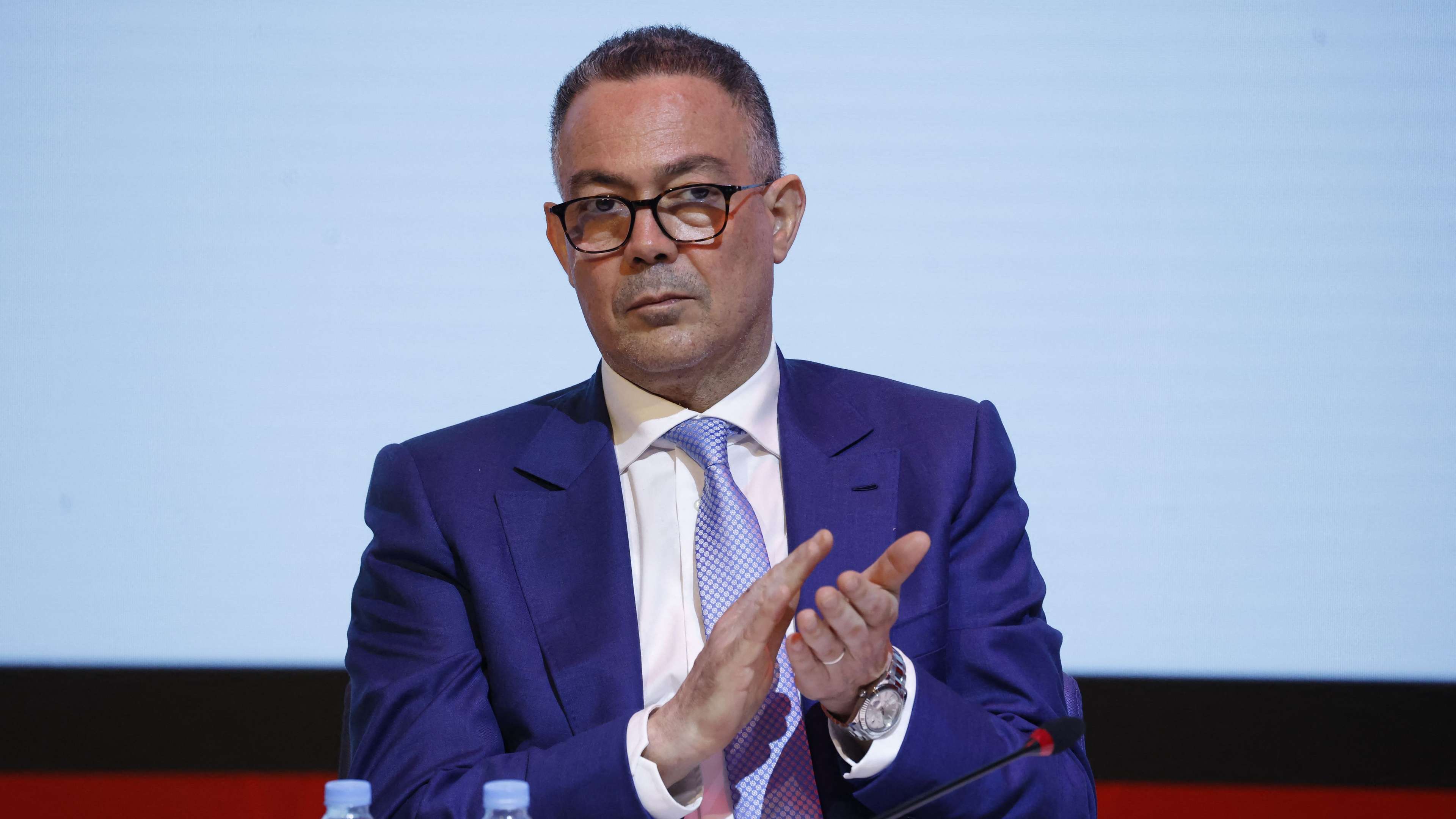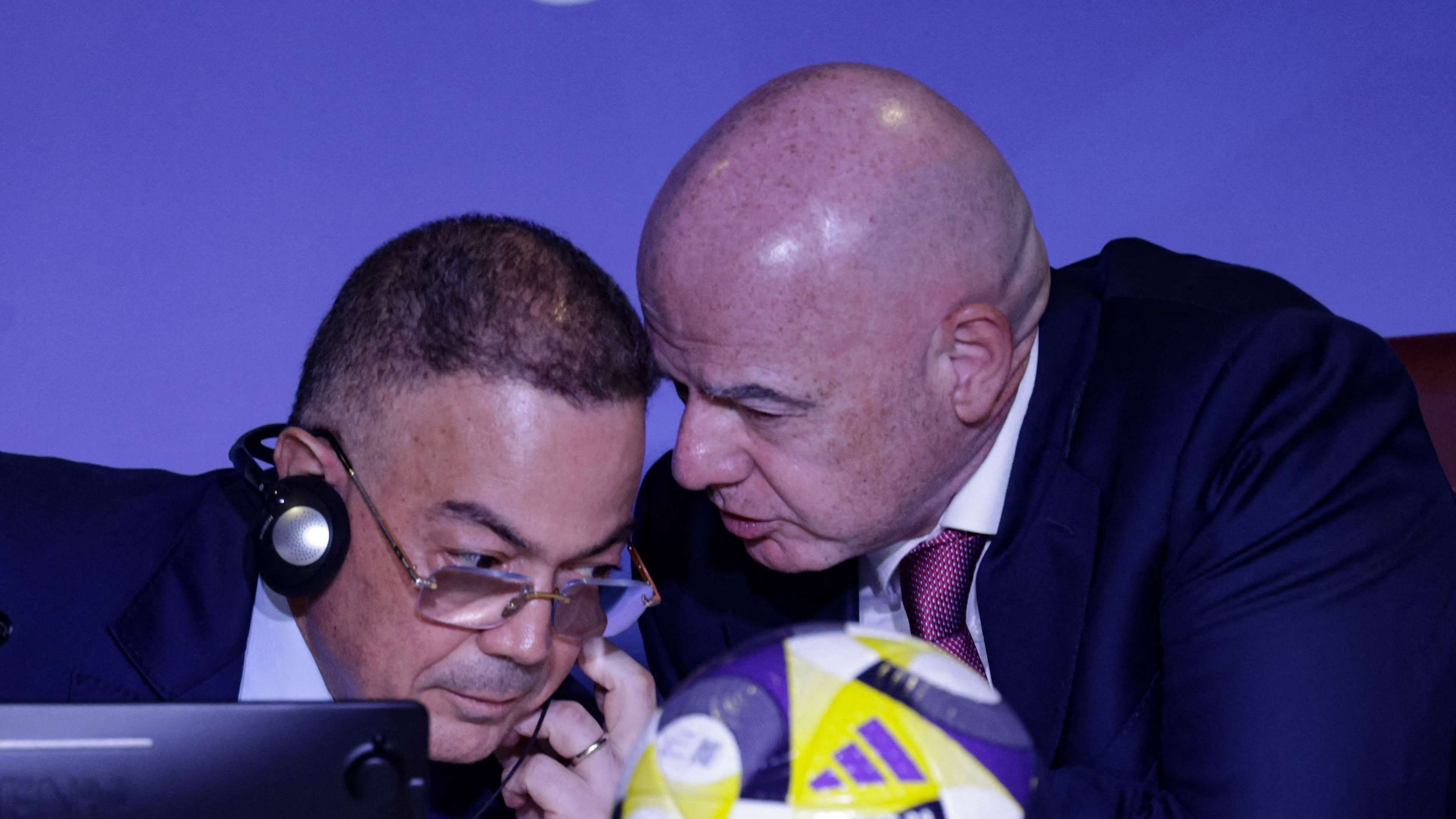
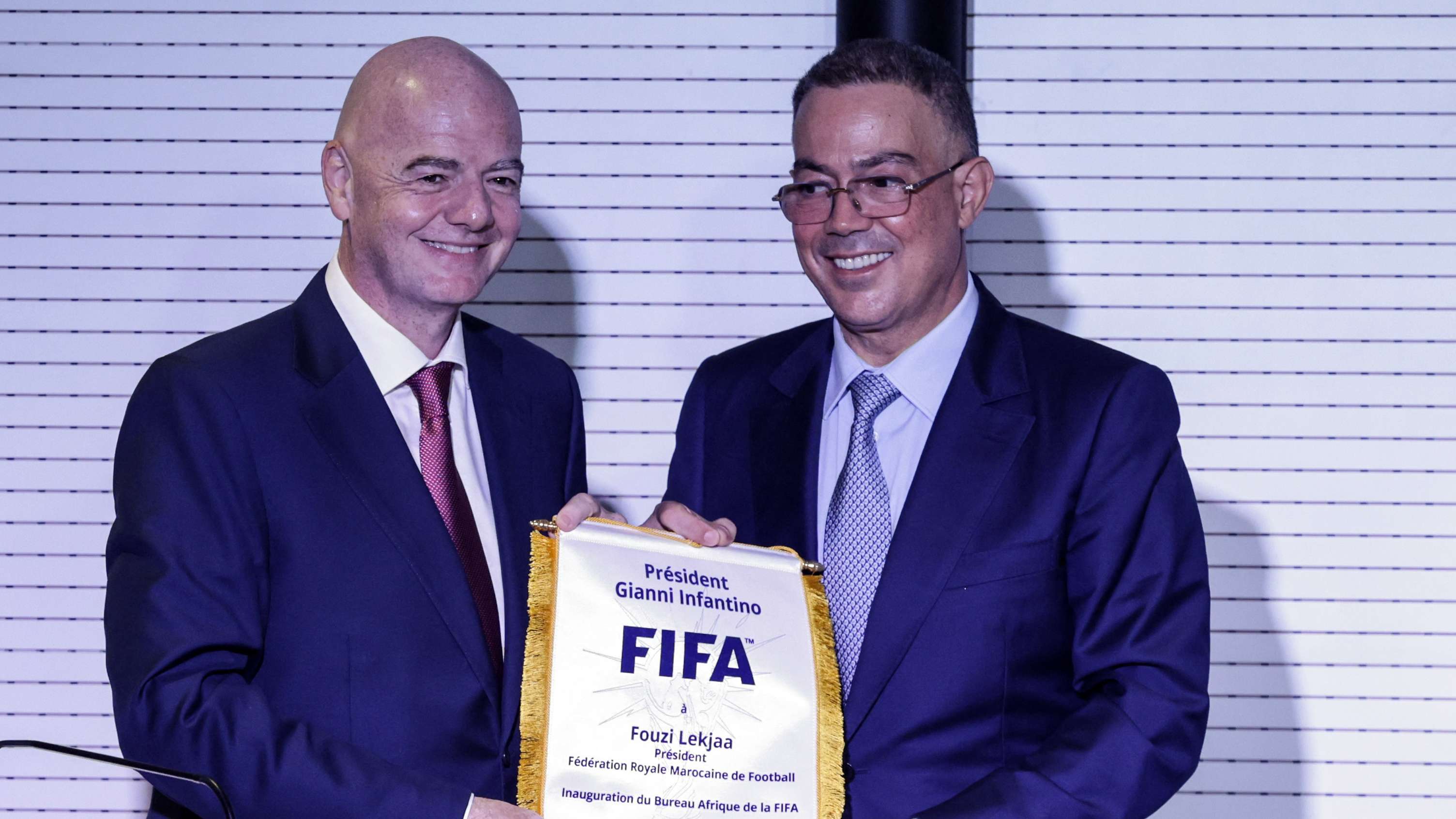
Fouzi Lekjaa, president of the Royal Moroccan Football Federation, declared that Grand Stade Hassan II in Benslimane will host the 2030 World Cup final, despite FIFA yet to officially confirm the venue. Speaking at a political event in Bouznika, Lekjaa expressed Morocco's confidence in winning the race against Spain to stage football's biggest match.
The Moroccan official made a bold statement, saying: "What you need to know is that the province of Benslimane will have the honour of hosting the 2030 World Cup final." He even envisioned a dream scenario, adding, "God willing, may there be a final bringing together Morocco and France so that we can take our revenge," referencing the nations' contested histories and Morocco's 2022 World Cup semifinal loss to France.
Stadium Design and Capacity
The Grand Stade Hassan II represents Morocco's flagship infrastructure project for the tournament. Currently under construction between Casablanca and Rabat, the stadium will accommodate approximately 115,000 spectators, making it one of the world's largest football venues. Its architectural design draws inspiration from traditional Moroccan seasonal festival tents, blending cultural heritage with modern sports infrastructure.
Construction is scheduled for completion in 2027, three years before the 2030 World Cup begins, providing ample time for testing and final preparations. This timeline underscores Morocco's organizational readiness and positions the stadium as a symbol of the nation's urban and sporting transformation on the global stage.
The Bidding Competition
The 2030 World Cup will be co-hosted by Spain, Portugal, and Morocco, with centenary matches scheduled in South America. However, FIFA has not yet officially designated which nation will stage the final. Spain counters Morocco's bid with prestigious venues including Santiago Bernabéu and Spotify Camp Nou, intensifying the rivalry between the two host nations.
Lekjaa's premature announcement—made before FIFA's official decision—signals Morocco's strategic confidence and applies pressure to the selection process. While his remarks reflect the kingdom's genuine belief in securing the final, they fall short of a formal FIFA award. The outcome will shape which nation crowns the 2030 world champions and cements the tournament's legacy across the Mediterranean region.