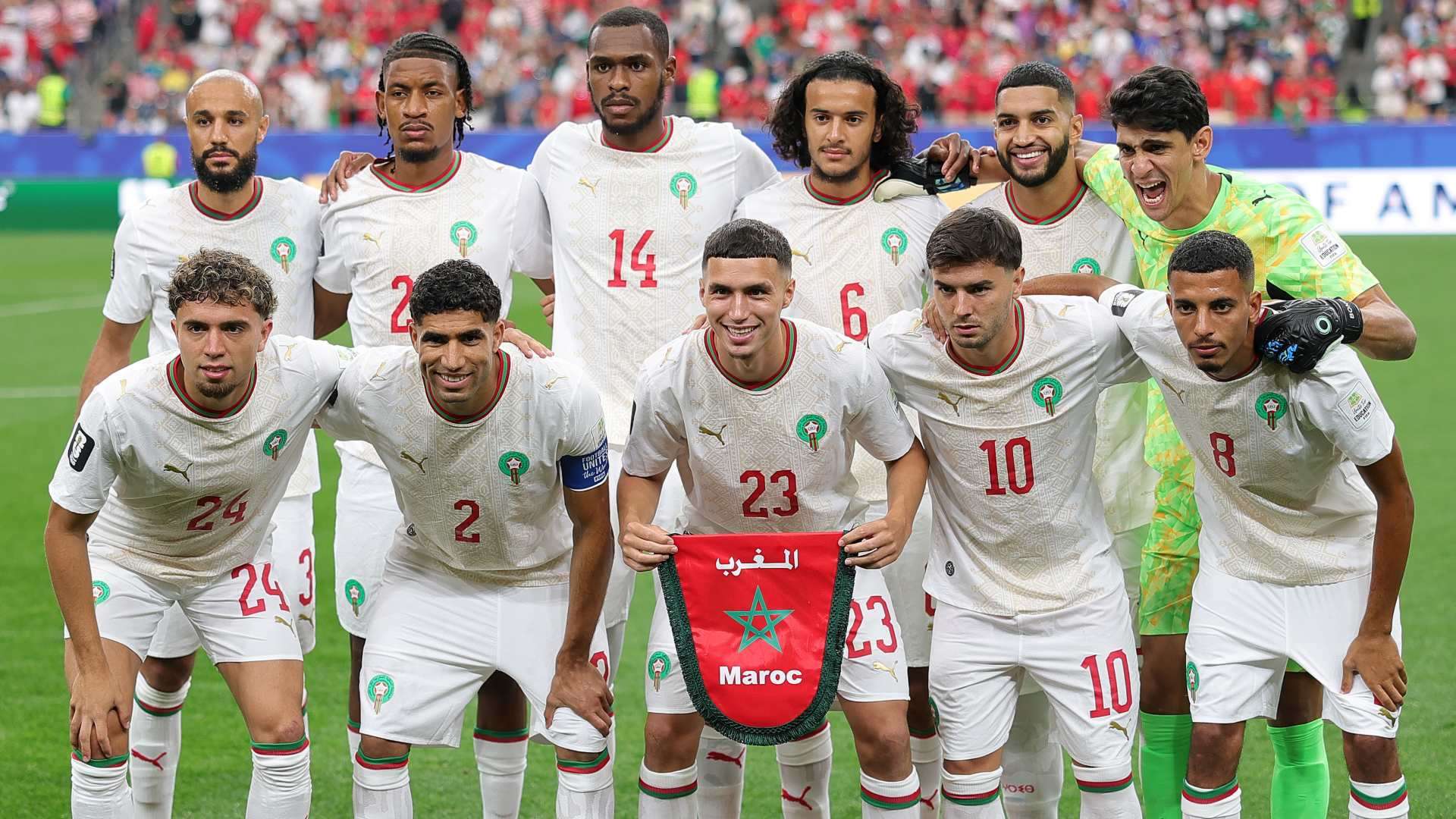

The 2030 FIFA World Cup will be hosted across six nations in a historic split format that celebrates the tournament's centenary. South American nations Argentina, Uruguay, and Paraguay will stage the opening matches in early June, while the competition's primary phase unfolds across Spain, Portugal, and Morocco from mid-June through late July. This unprecedented arrangement marks the first time the World Cup will span multiple continents within a single edition.
The tournament kicks off with three opening matches on 8 and 9 June 2030 in South America, honouring the 100th anniversary of the first World Cup held in Uruguay in 1930. The official anniversary fixture will take place on Uruguayan soil before the competition pauses briefly. From 13 June onwards, the main tournament resumes across Europe and North Africa, with Spain serving as the principal host nation. The final venue remains undecided, though Real Madrid's Santiago Bernabéu in Madrid stands as the leading candidate, alongside Barcelona's Camp Nou and Morocco's Stade Hassan II in Marrakesh.
Tournament Format and Participating Nations
FIFA has provisionally confirmed 48 participating teams for the 2030 edition, a significant increase from the traditional 32-team format used until 2022. The field may expand further to 64 nations pending FIFA's final decision. With 48 teams confirmed, the competition will feature 12 groups of four nations, with the top two finishers plus eight best third-placed teams advancing to a round of 32. In total, 104 matches will be played across the tournament, increasing the scope and duration of the world's premier football competition.
The host list remains subject to change as FIFA continues discussions with candidate nations regarding stadium infrastructure and logistics. Each host country has already submitted venue proposals, though final confirmation of all playing grounds and the championship match location awaits official FIFA approval. This extended hosting arrangement reflects growing demands for expanded participation and the global distribution of tournament fixtures.
The 2030 World Cup represents a watershed moment for international football, blending South American tradition with European and African hosting in a format designed to commemorate a century of World Cup heritage while accommodating the sport's continued global expansion.