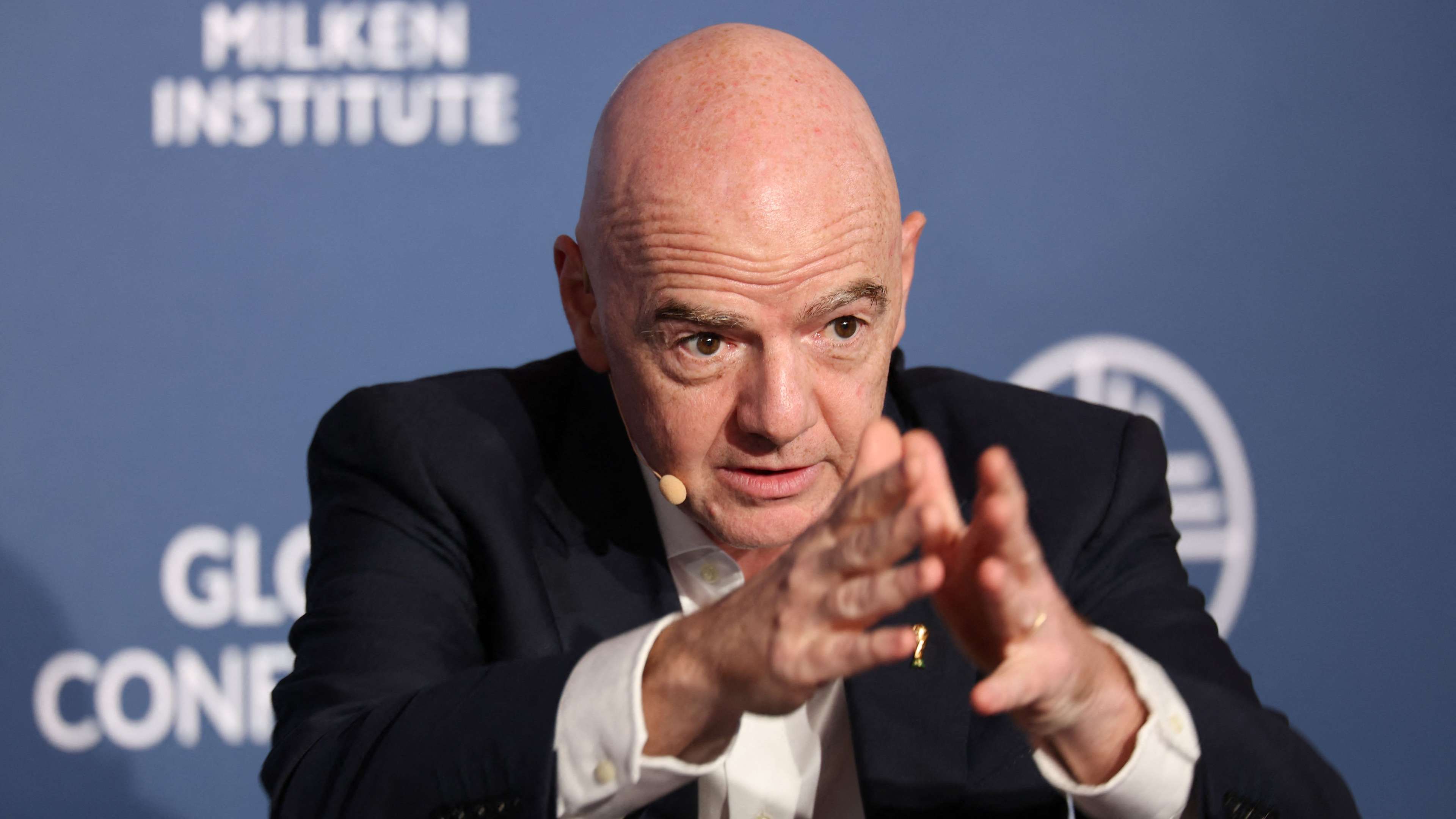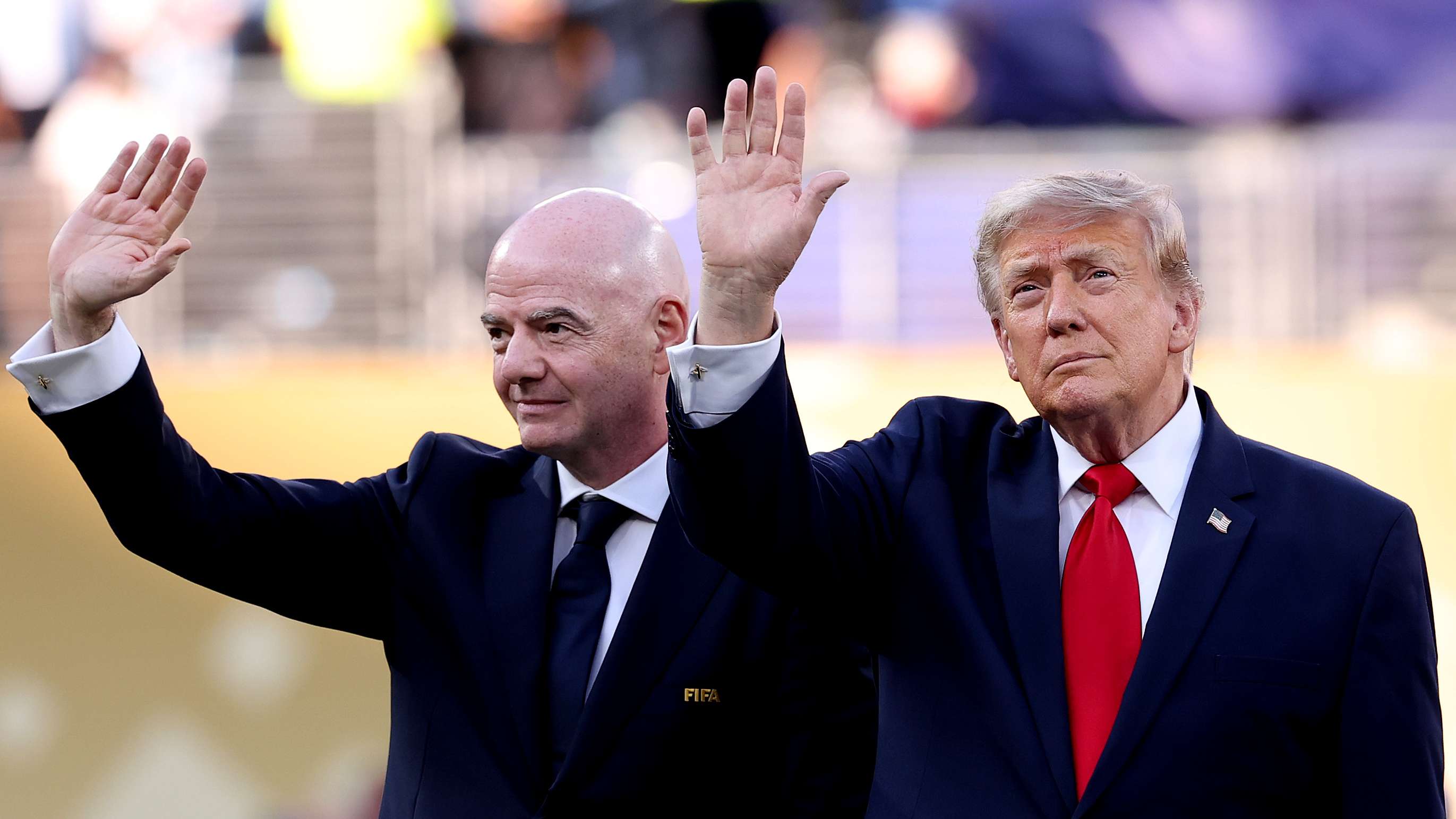
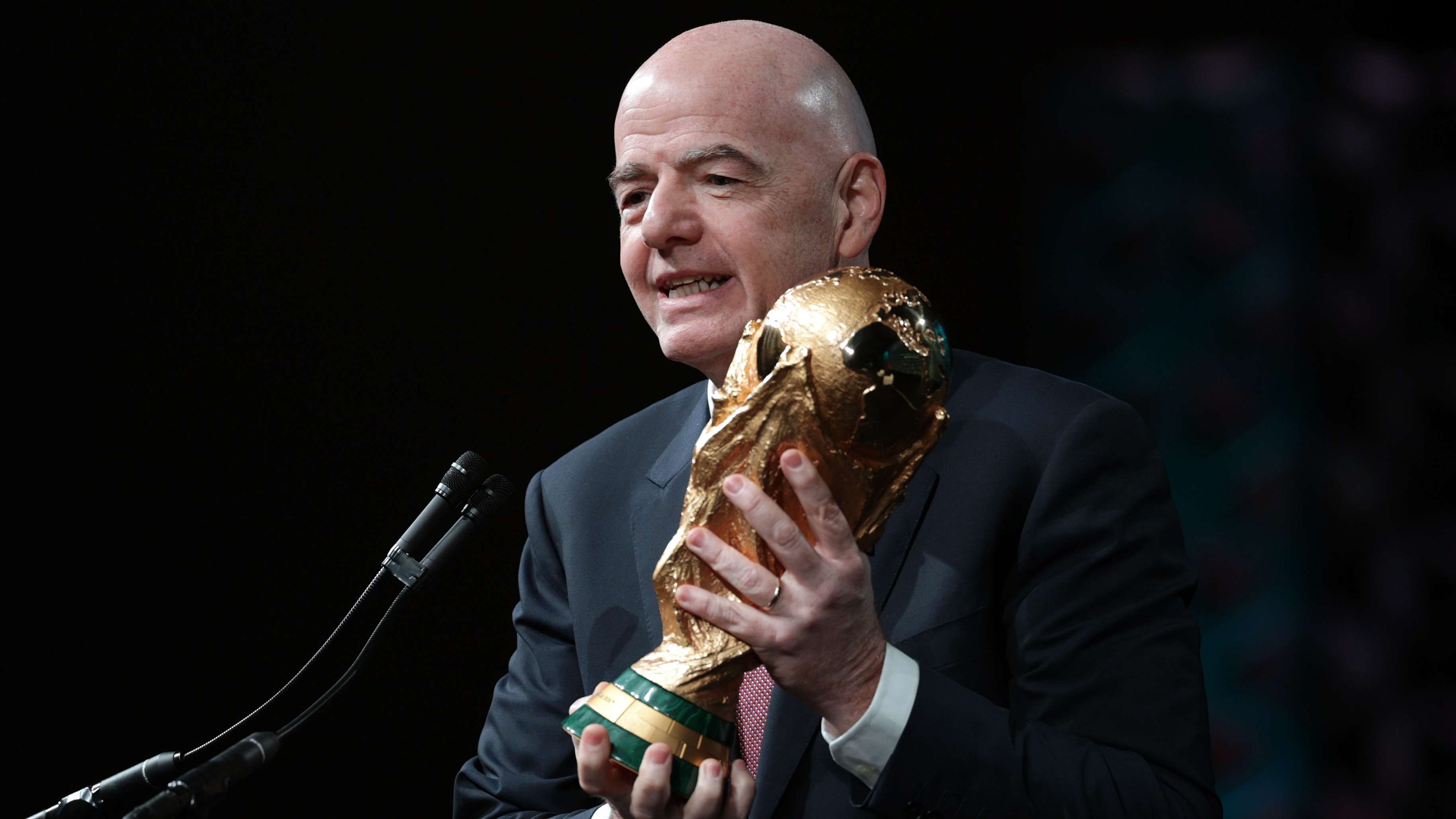
FIFA is seriously considering expanding the 2030 World Cup to 66 teams, marking a dramatic shift from the current 32-team format that has defined the tournament for decades. The proposal, which originated from CONMEBOL, aims to provide smaller nations with a genuine opportunity to compete on football's grandest stage. With the 2026 edition already set to welcome 48 nations—itself a historic expansion—the governing body under Gianni Infantino is weighing whether an even larger tournament could enhance global engagement and revenue.
The 2030 World Cup will be hosted primarily by Spain, Portugal, and Morocco, with additional celebratory matches scheduled in Argentina, Uruguay, and Paraguay. An expansion to 66 teams would fundamentally reshape the tournament structure and place unprecedented demands on hosting infrastructure. Several Spanish venues are already reassessing their involvement; Malaga has dropped out of hosting considerations, while the status of San Mames and Reale Arena remains uncertain. FIFA will make final decisions on stadiums only after the 2026 champion is crowned on July 19, with the tournament's eventual size playing a crucial role in venue selection.
Testing the 48-Team Model First
Before committing to a 66-team format, FIFA views the 2026 tournament in the United States, Mexico, and Canada as a critical test case. The success of the 48-team competition—measuring both commercial performance and sporting quality—will heavily influence whether expansion becomes inevitable. Industry insiders recognize that if this expanded model proves profitable and engaging, pressure to enlarge the 2030 tournament will intensify substantially.
The push for inclusion reflects Infantino's vision of the World Cup as a global celebration rather than an exclusive elite competition. The 2026 edition will already feature football nations making their World Cup debut, including Cape Verde, Curacao, Uzbekistan, and Jordan. A 66-team format would extend this inclusive philosophy even further, potentially allowing nations currently locked out of the tournament a realistic pathway to participation.
Quality Versus Expansion Concerns
Critics argue that diluting the field to 66 teams could compromise match quality and reduce the competitive intensity that defines World Cup football. However, FIFA's hierarchy appears focused on the substantial revenue potential and global engagement metrics that a larger tournament would generate. This expansion debate highlights broader tensions within modern football: balancing competitive integrity with commercial opportunity and global accessibility.
Notably, FIFA has taken a different approach to its club competition. The governing body has abandoned plans for a biennial Club World Cup, recognizing that fixture congestion and player welfare concerns demand restraint in the club calendar. This measured stance regarding club football contrasts sharply with the aggressive expansion timeline for the international tournament, which remains FIFA's flagship property and revenue driver. As the football world prepares for 2026, all eyes will be on whether the 48-team format proves the commercial success that could ultimately seal the fate of a 66-team 2030 World Cup.