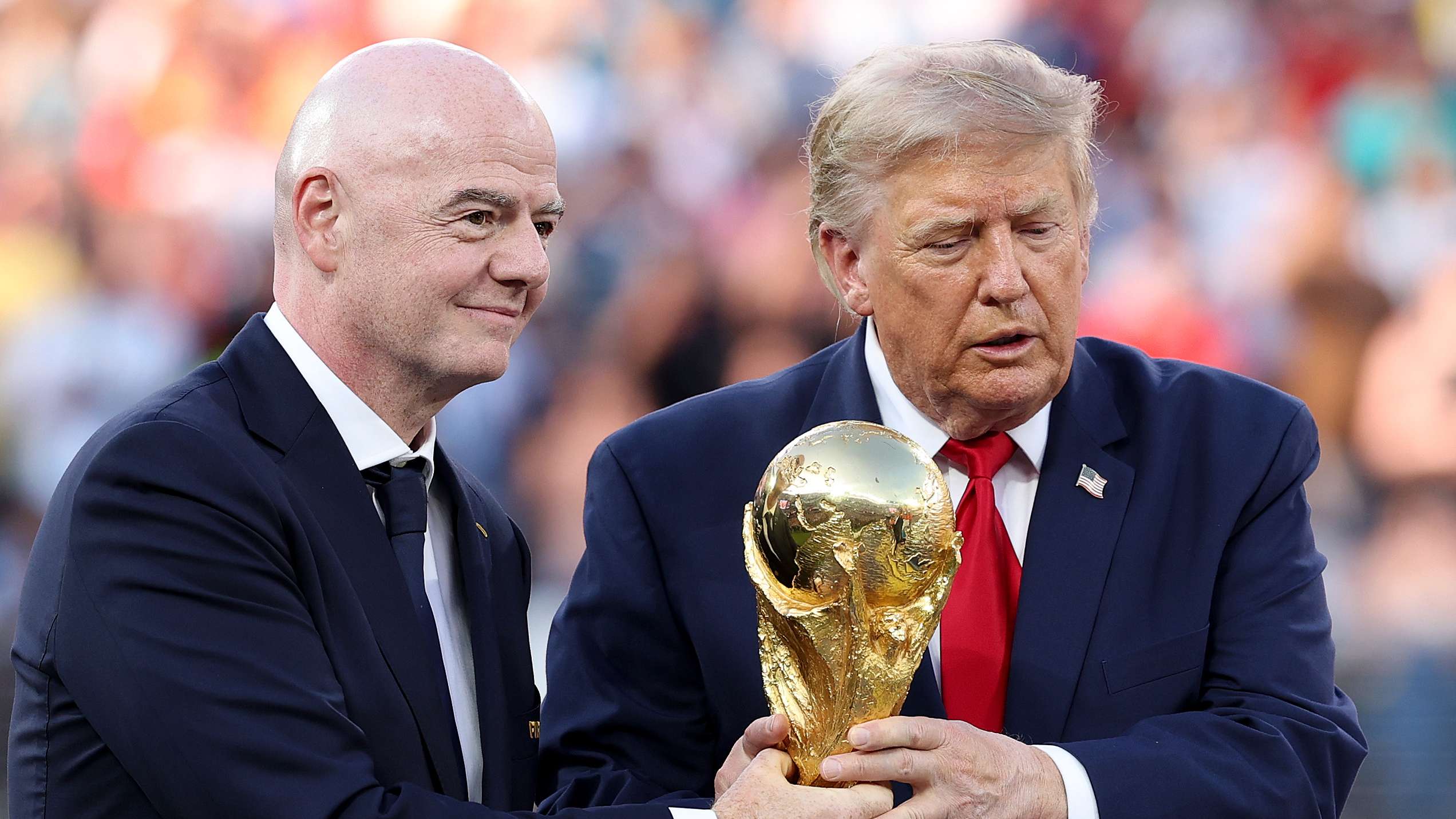
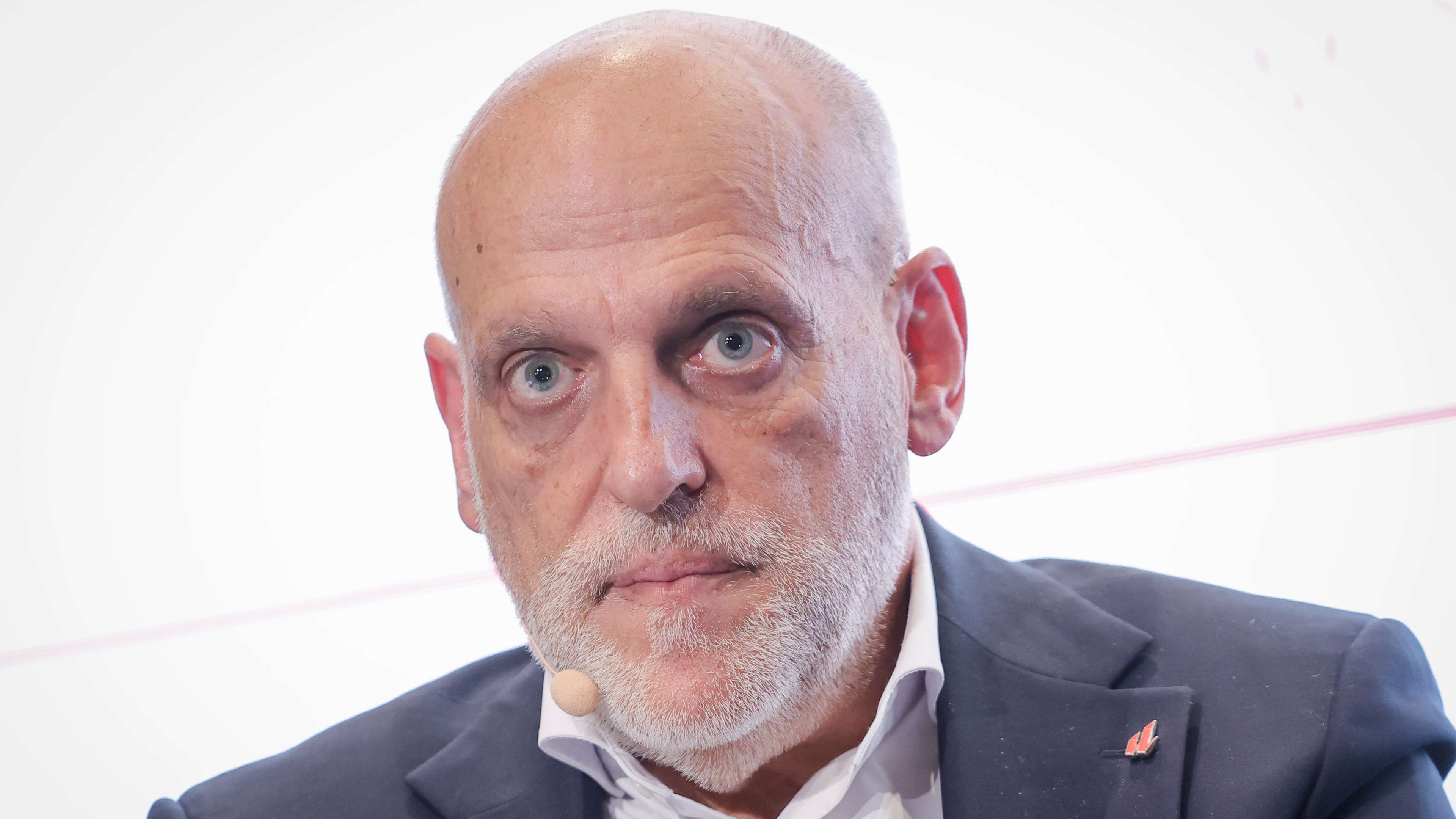
Javier Tebas, president of La Liga, has revealed that Gianni Infantino's position as FIFA president hung in the balance during the 2026 World Cup, with the outcome of a single knockout tie determining his fate. Speaking to Italian media, the La Liga chief disclosed that political pressure and controversial administrative decisions created an unprecedented crisis for world football's governing body.
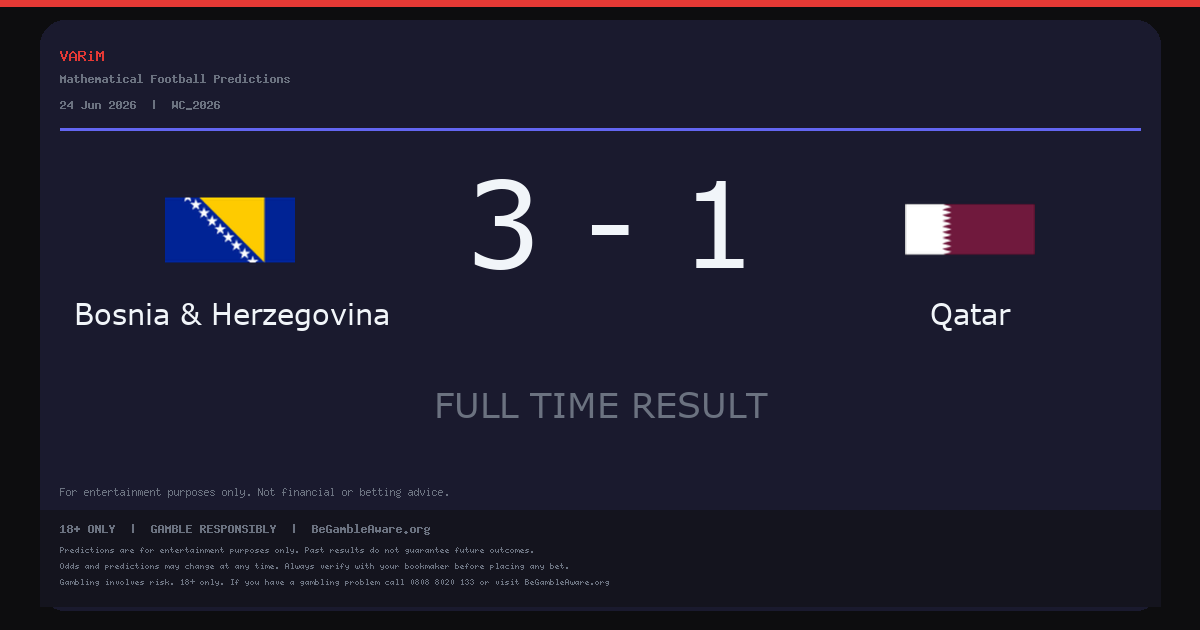
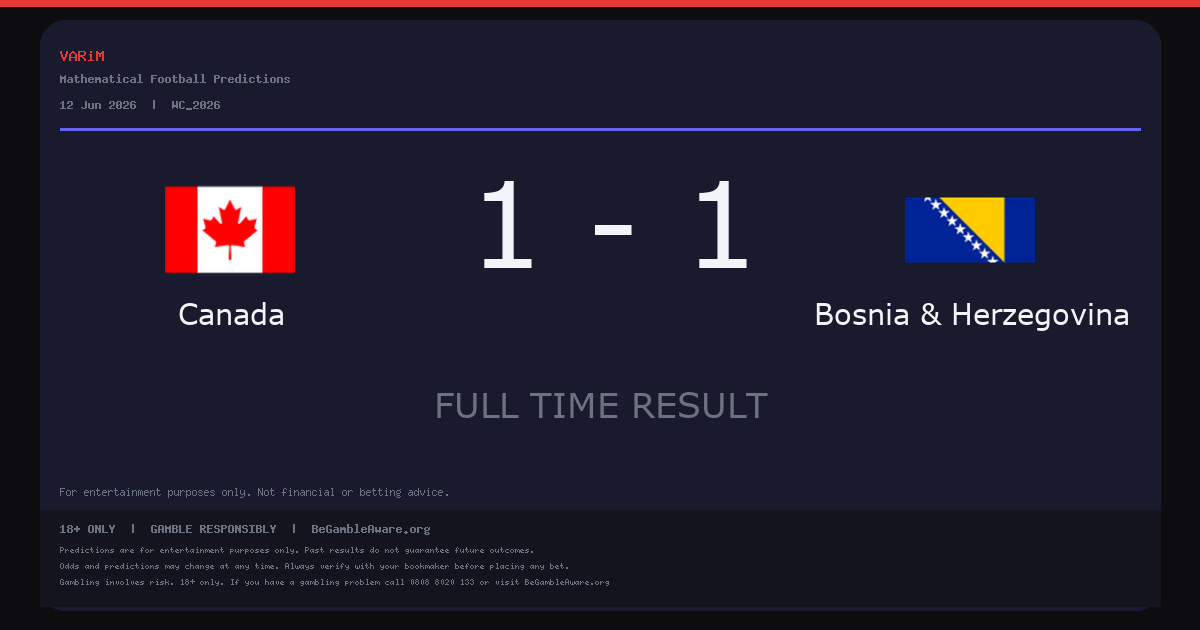
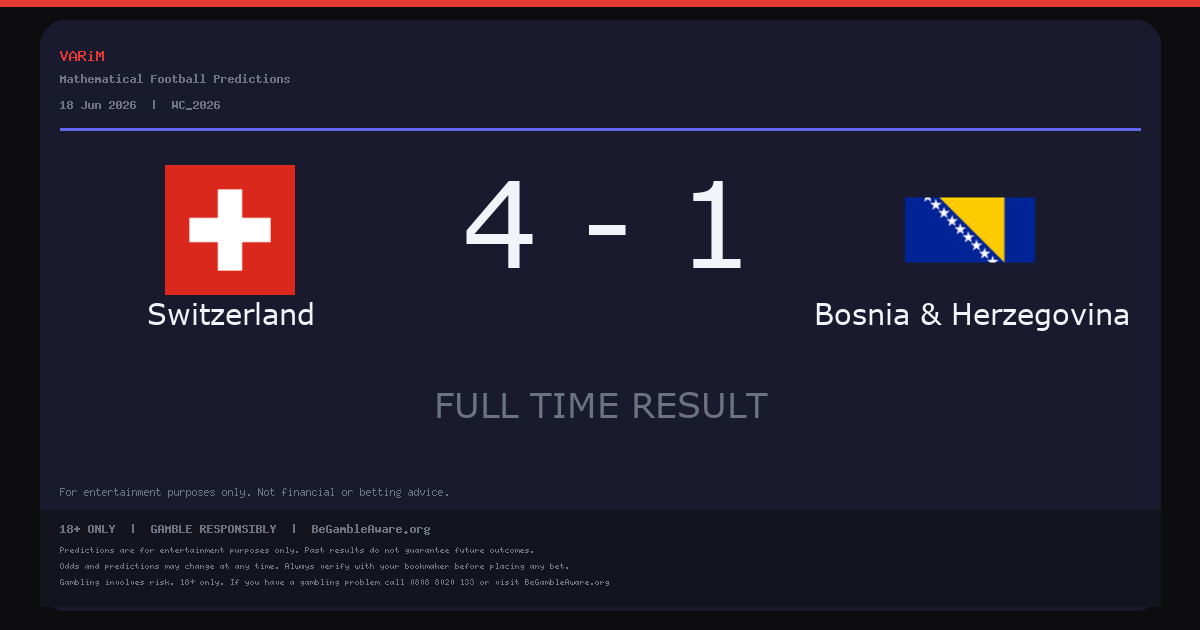
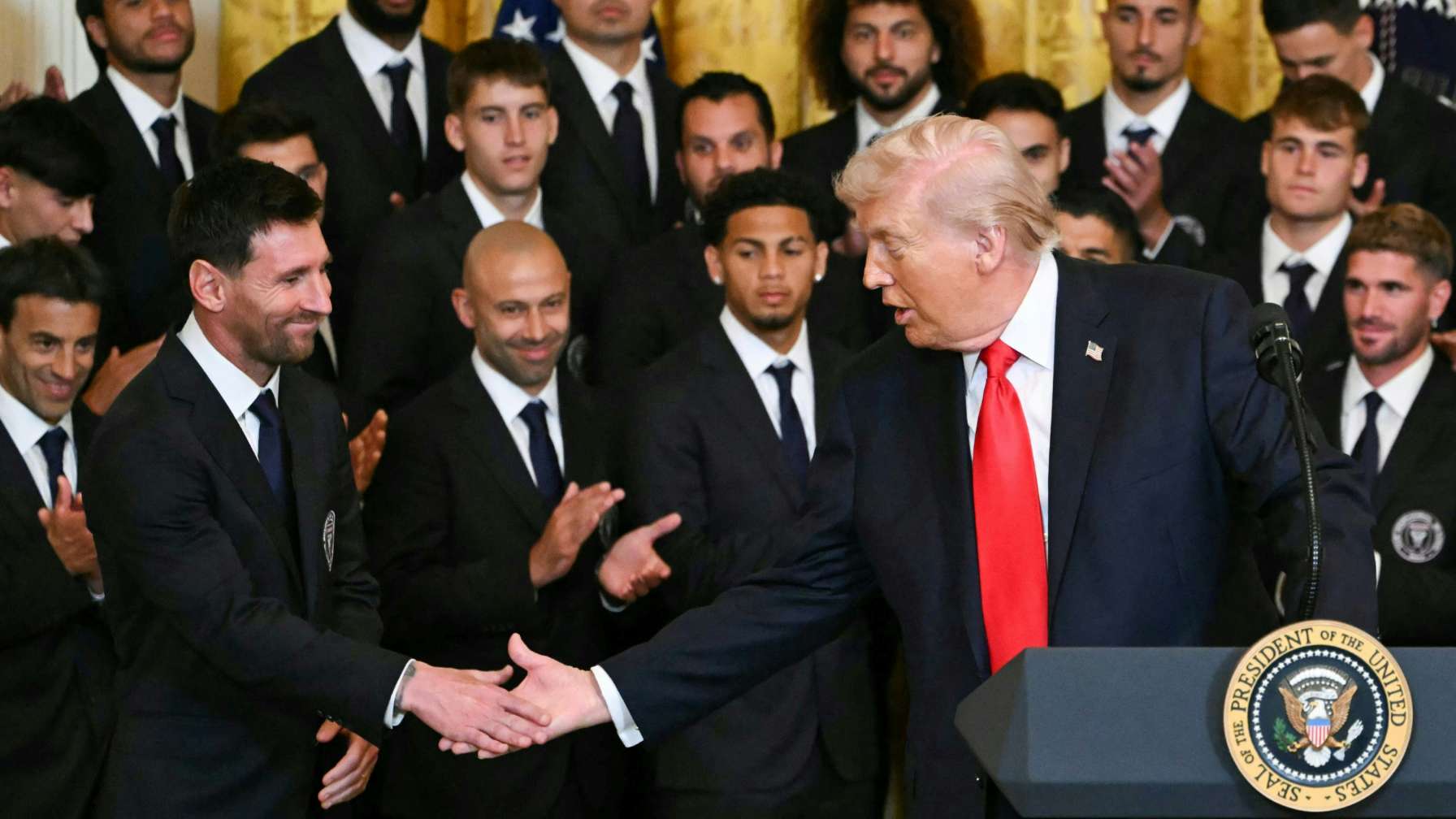
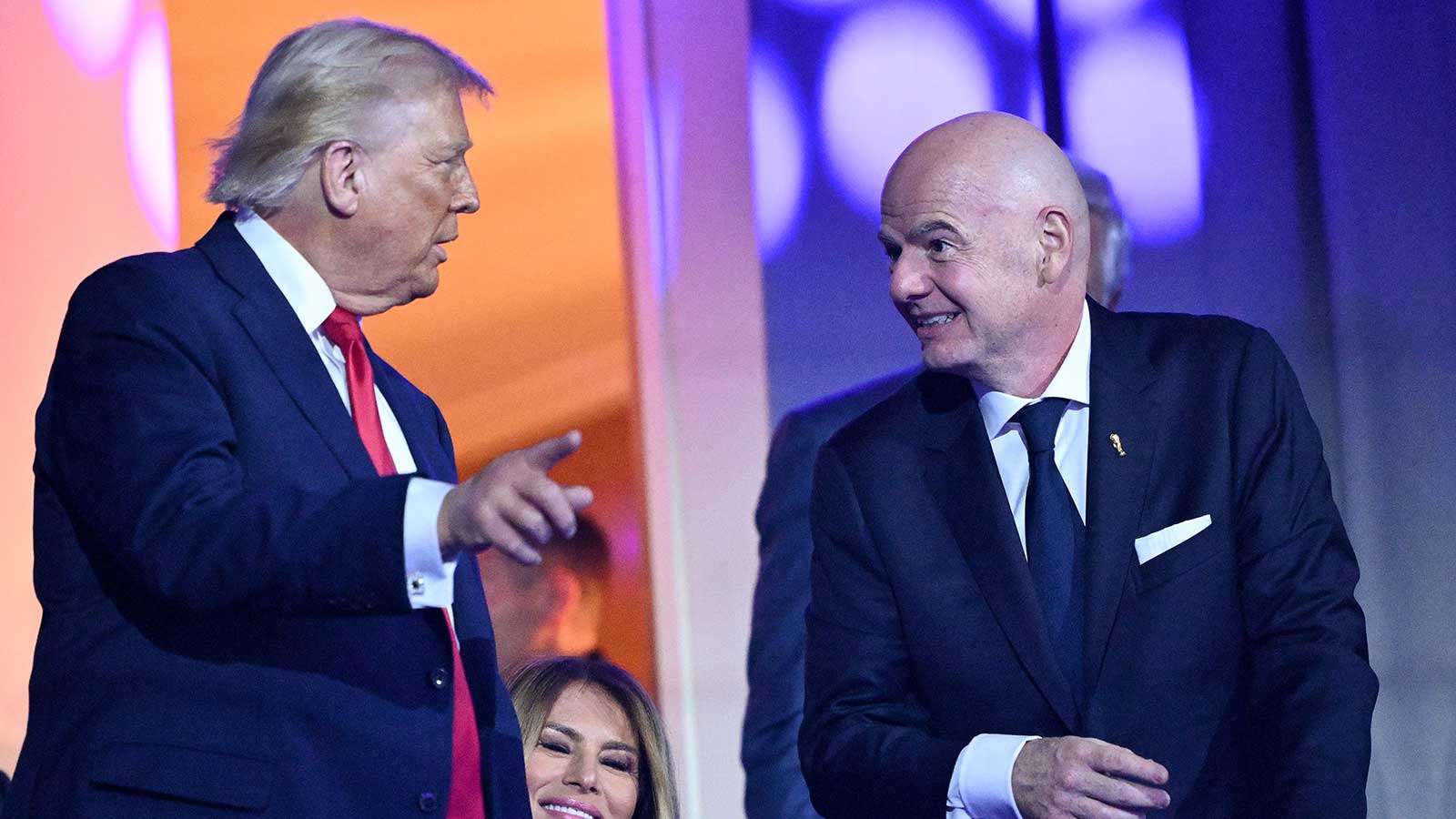
The controversy centered on Folarin Balogun, a United States forward who was initially banned following his red card against Bosnia and Herzegovina. FIFA's disciplinary committee suspended the 12-month suspension, allowing Balogun to play in the last-16 clash against Belgium. US President Donald Trump reportedly intervened with a direct phone call to Infantino before the committee reversed course and reinstated the ban. The diplomatic intervention placed Infantino in an impossible position: either defy the sitting president of a major nation or compromise FIFA's judicial independence.
Tebas explained the precarious situation bluntly: "They were lucky that Belgium knocked out the United States, because had the opposite happened, an issue would have arisen that might have cost Infantino his position." The Belgium victory, which ended America's tournament run 4-1, inadvertently shielded the FIFA president from a political firestorm that could have escalated into calls for his removal.
Mounting Pressure and Governance Concerns
The diplomatic row intensified when an official complaint reached the International Olympic Committee, accusing Infantino of violating political neutrality principles through his dealings with Trump. Although no sanctions emerged, Tebas believes Infantino's days leading FIFA are numbered. "In my opinion, yes, I think his time is up," Tebas stated, noting that the lack of rival candidates means no leadership transition is imminent despite growing pressure.
Beyond the Balogun incident, Tebas has emerged as a fierce critic of FIFA's expansion plans. The proposed 64-team format for the 2030 World Cup contradicts the interests of domestic leagues across Europe, Asia, and South America. Tebas warned that prioritizing international tournaments threatens the ecosystem supporting professional football globally. "The football industry is not limited to the World Cup, but relies primarily on domestic competitions that maintain the continuity of the game," he argued. Expanding to 64 teams would increase matches from 104 to 128, further fragmenting player availability for club fixtures.
The La Liga president emphasized that tournament expansion ignores the economic realities facing domestic football. "They are destroying an industry that provides tens of thousands of jobs for the sake of a tournament that lasts only 40 days," Tebas said. His intervention signals deepening friction between FIFA leadership and the continental bodies that depend on stable international windows and player welfare policies.