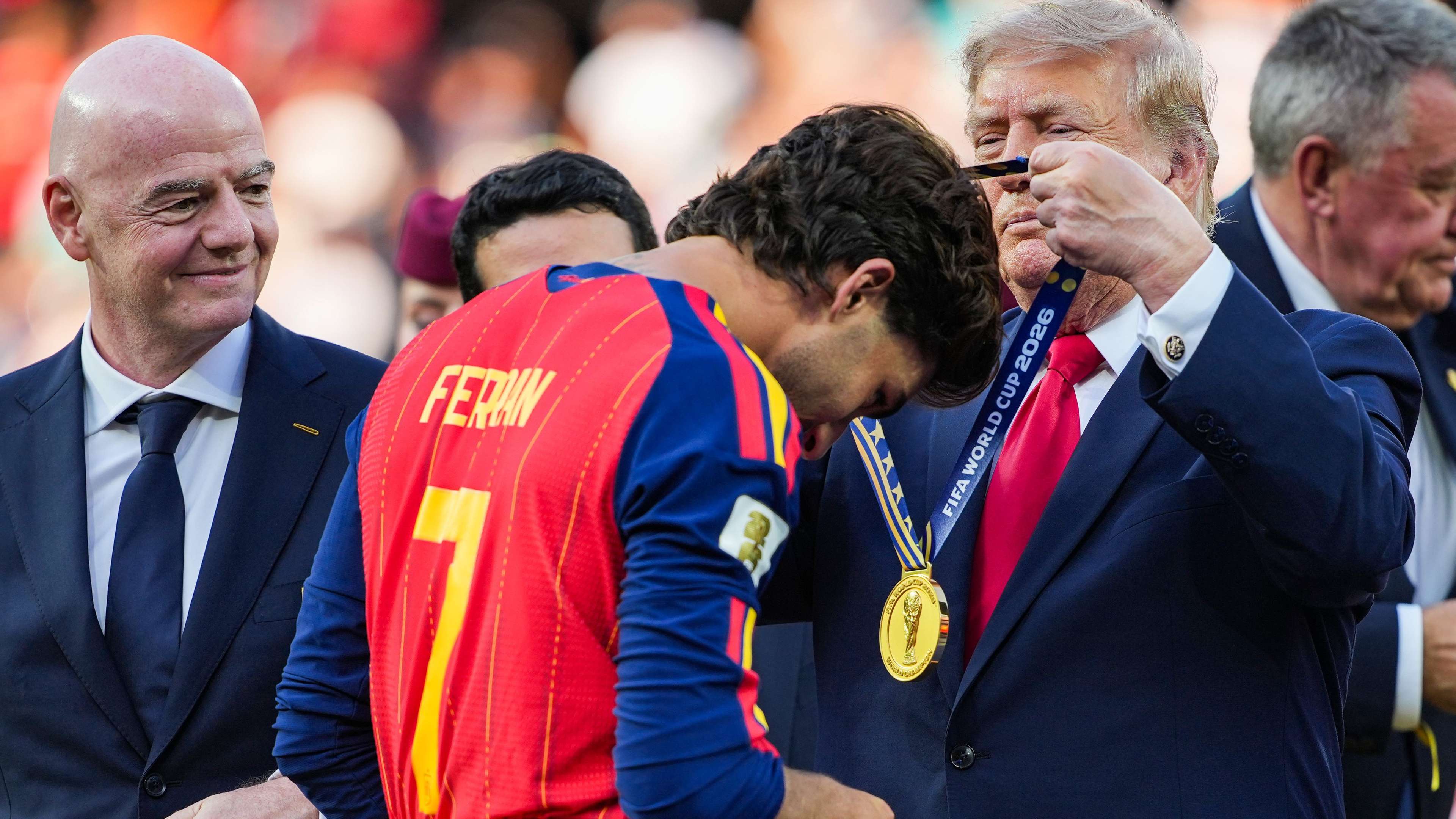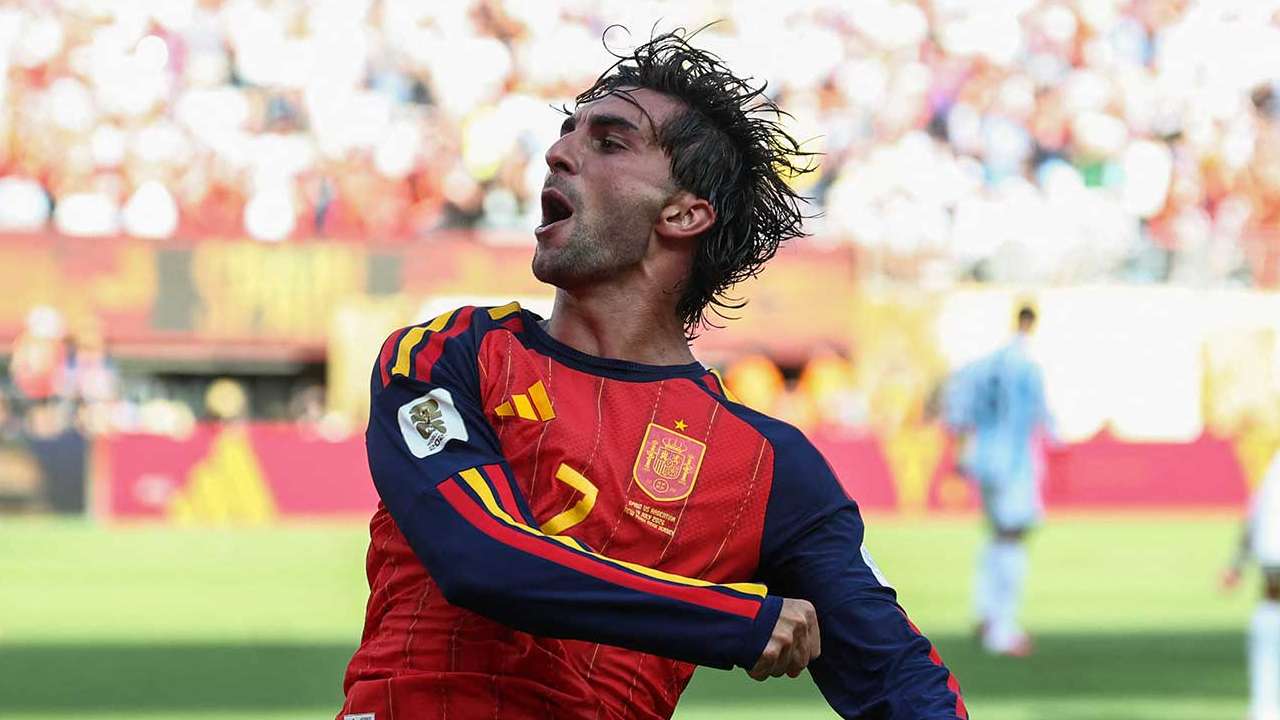
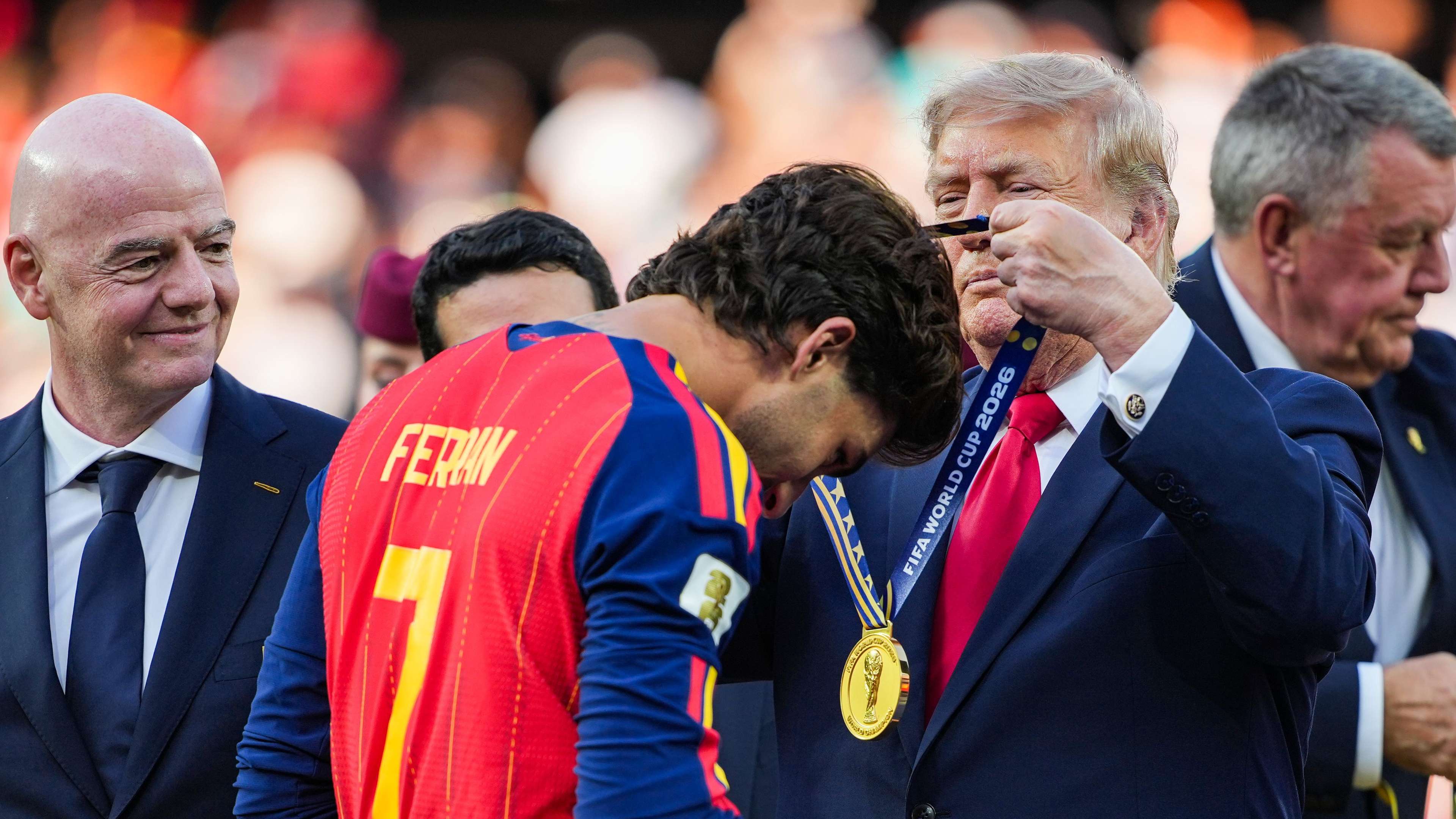
Ferran Torres, the scorer of Spain's World Cup-winning goal in 2026, ignited controversy when he wore a cap reading "Make Spain Great Again" during celebrations in Madrid. The slogan's obvious parallel to Donald Trump's "Make America Great Again" sparked fierce debate across Spain, with supporters and critics offering wildly different interpretations of the Barcelona forward's fashion choice.
The cap divided Spanish society along political lines. Right-wing figures, including members of the Vox party, rallied to Torres' defence, framing it as a patriotic statement. Left-leaning critics questioned whether the gesture represented an endorsement of far-right ideology or simply a lighthearted jab at the US President's recognizable imagery. MP Carina Mejías pushed back against detractors, saying: "Envy has always been the fuel of small minds. While some are busy criticising, Ferran Torres responds in the most important place... on the pitch."
Trump Weighs In on the Row
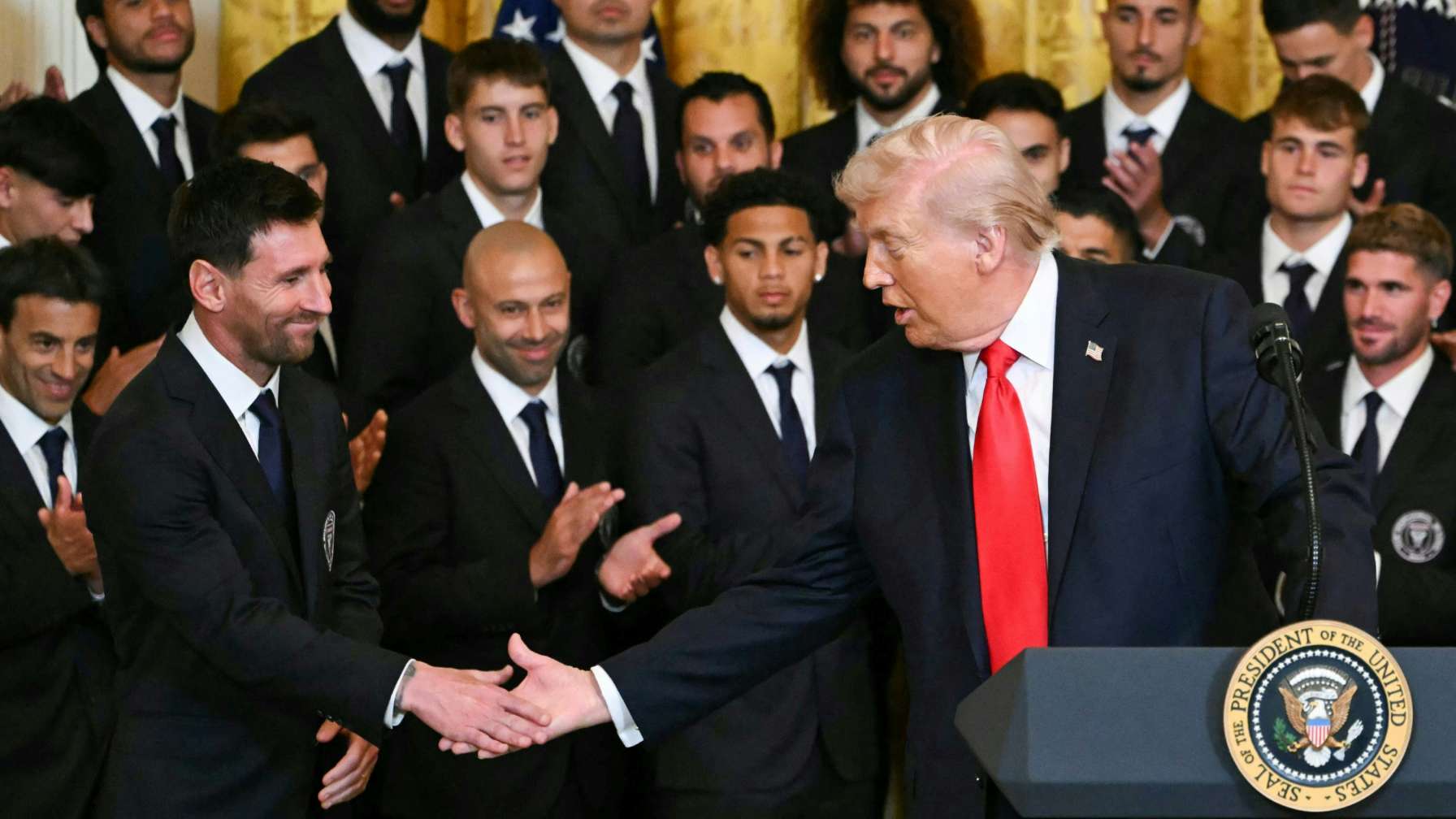
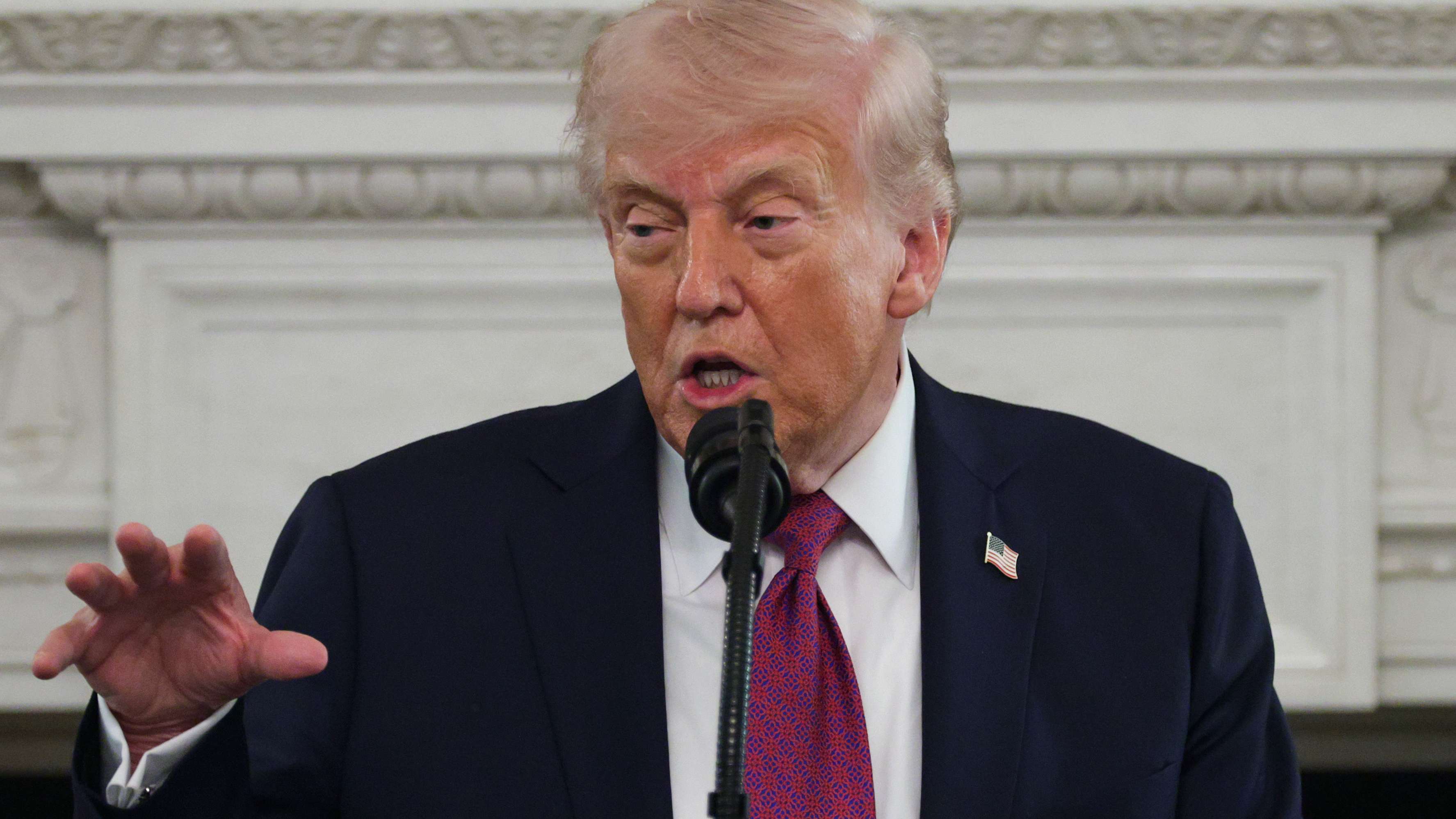
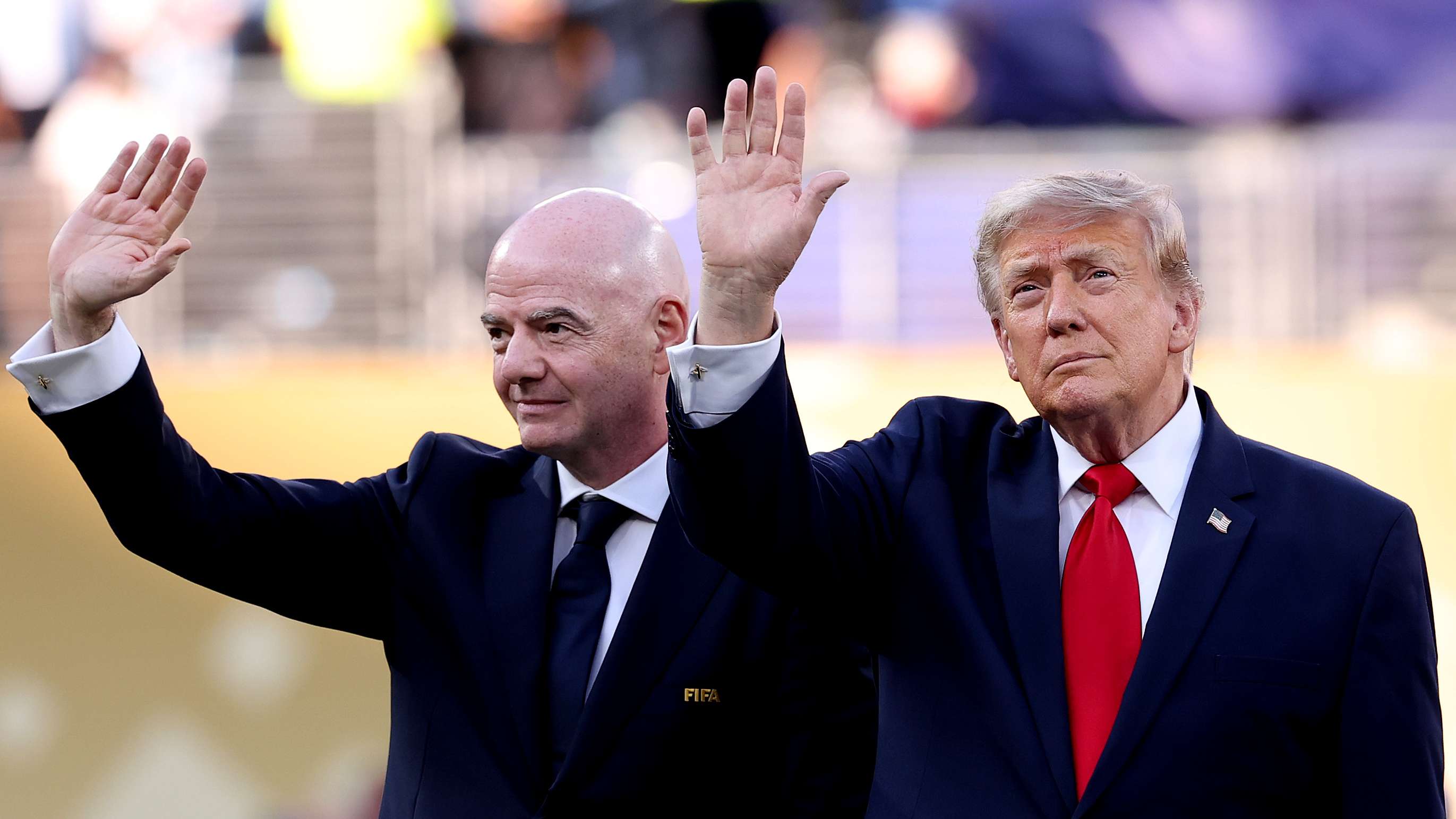
The controversy escalated when the White House's official X account posted: "Everyone wants to be part of the movement," lending credence to those who saw it as a political statement. When pressed during a Washington press conference, Trump himself weighed in, according to reports from France's RMC network. "He's a great player. He wore a cap. It was a great gesture, and I think he did it in good faith. We appreciate that," the US President said, dismissing any suggestion of mockery or disrespect.
Torres, who remains on holiday, has offered no public explanation for his cap choice. That silence left the door wide open for competing interpretations on both sides of the Atlantic. Spain's 2026 World Cup victory, achieved through Torres' extra-time winner against Argentina, marked a triumphant moment for the national team. Yet the celebration became overshadowed by debate over fashion, politics, and intent—a reminder that even sporting glory can become entangled in broader cultural divisions.
With Trump's endorsement, the row may finally settle, though questions about what Torres truly meant will likely linger among Spanish observers long after his holiday ends.