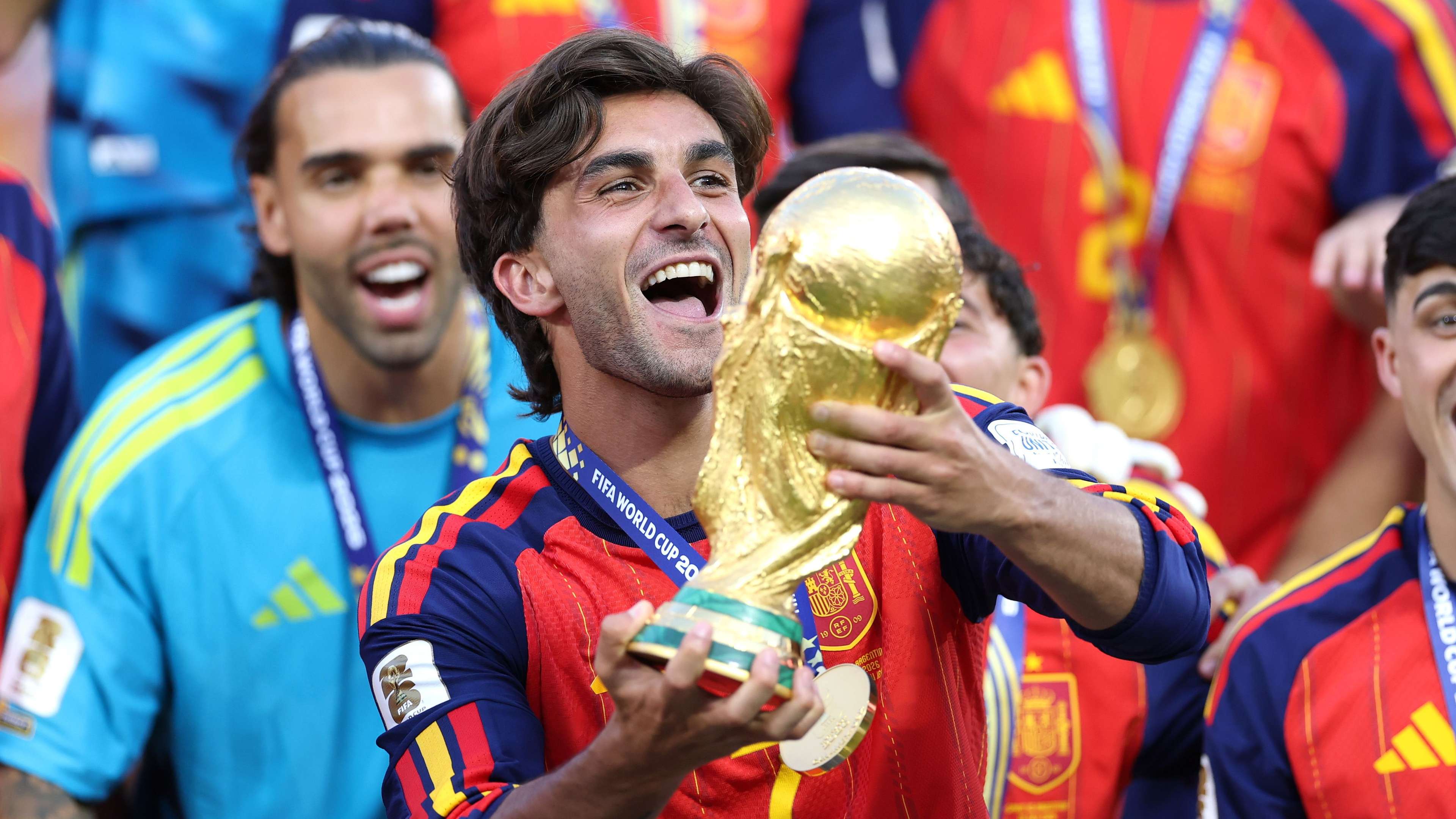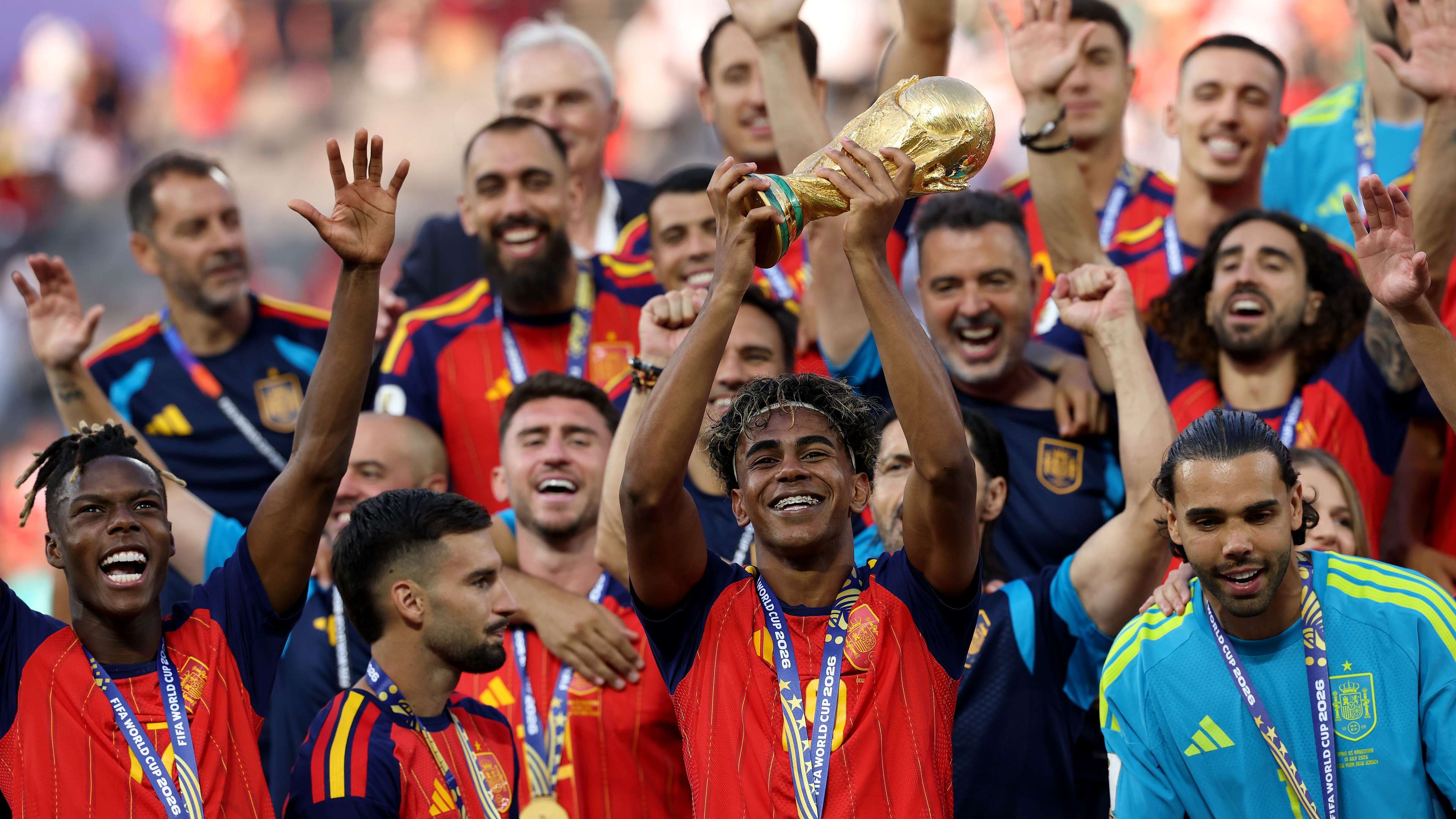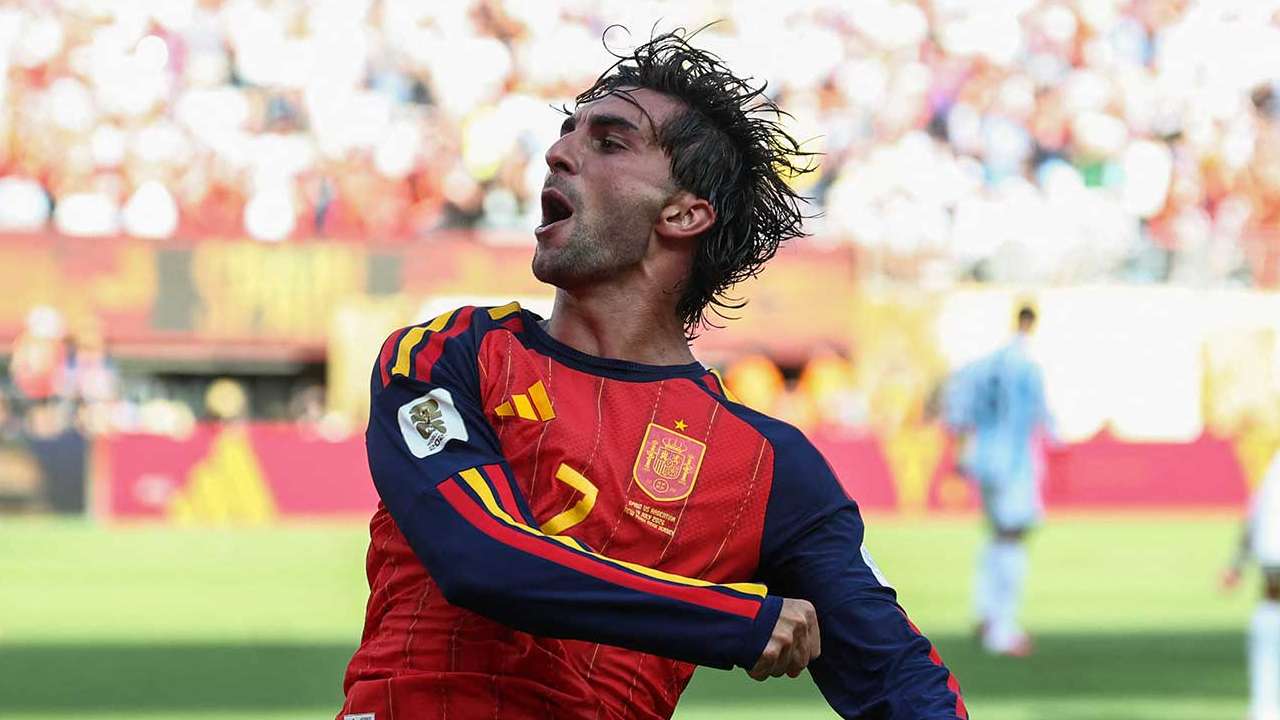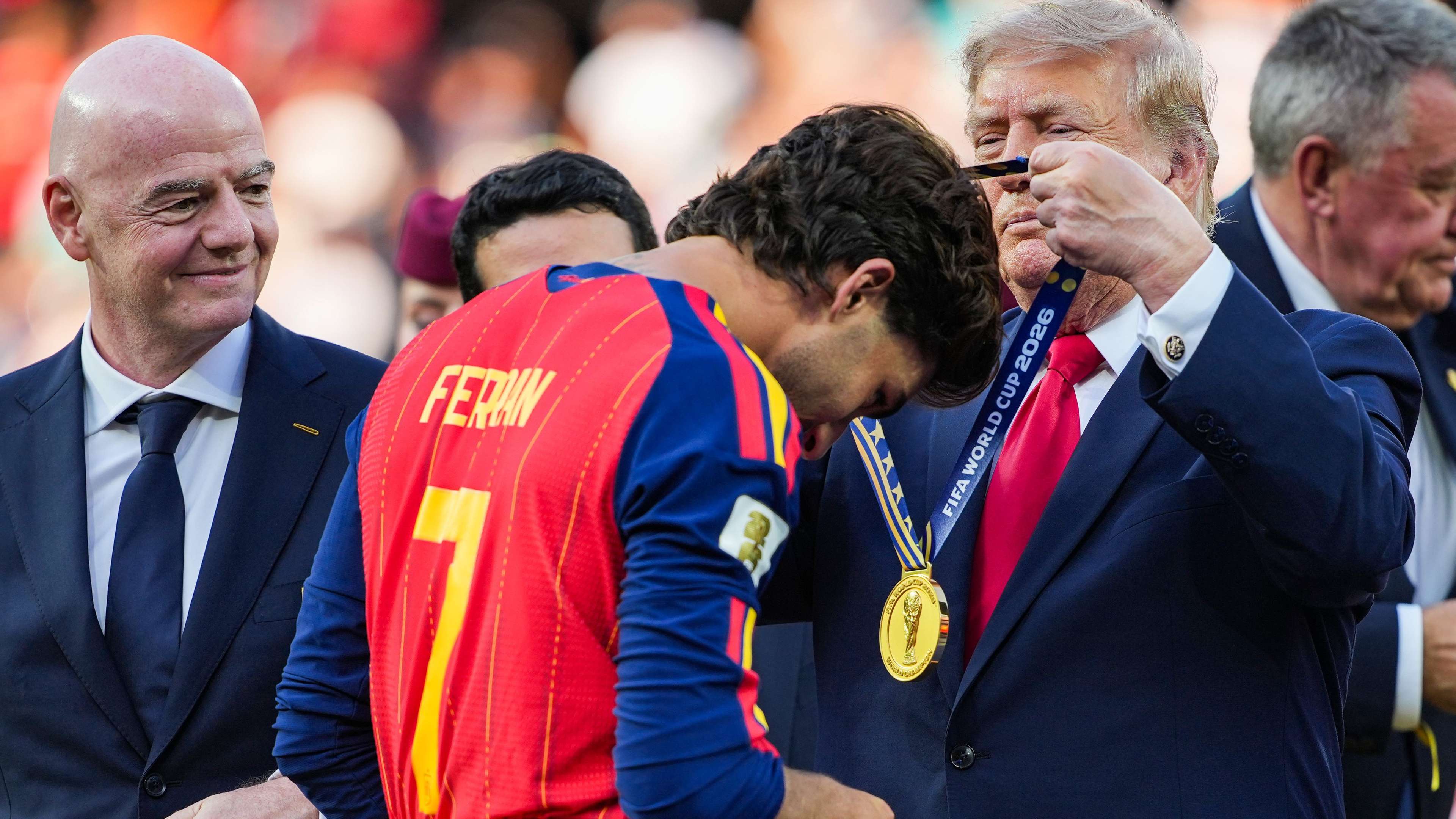
Spain claimed their second World Cup title on Sunday, defeating Argentina in a thrilling final that extended into extra time. Ferran Torres scored the decisive goal in the 120th minute, securing La Roja's place among football's elite champions. The victory marked a historic moment for the Spanish national team, yet it also provided an unexpected platform for poking fun at Cristiano Ronaldo, whose own World Cup dreams ended in disappointment.
During Madrid's celebratory parade on Monday, Spain's ceremony host drew a sharp contrast between Ronaldo and Yeremy Pino, the young winger who grew up hearing the "Cristiano Ronaldo" nickname in his neighbourhood. While presenting the 23-year-old Conference League champion to supporters, the announcer delivered the cutting remark: "They used to call him Cristiano Ronaldo, but he has actually won a World Cup." The jab highlighted the glaring difference in their tournament legacies—Pino now holds a World Cup medal, while Ronaldo, despite a legendary career at Real Madrid and beyond, never captured football's greatest prize.
Ronaldo's Disappointing Tournament Run
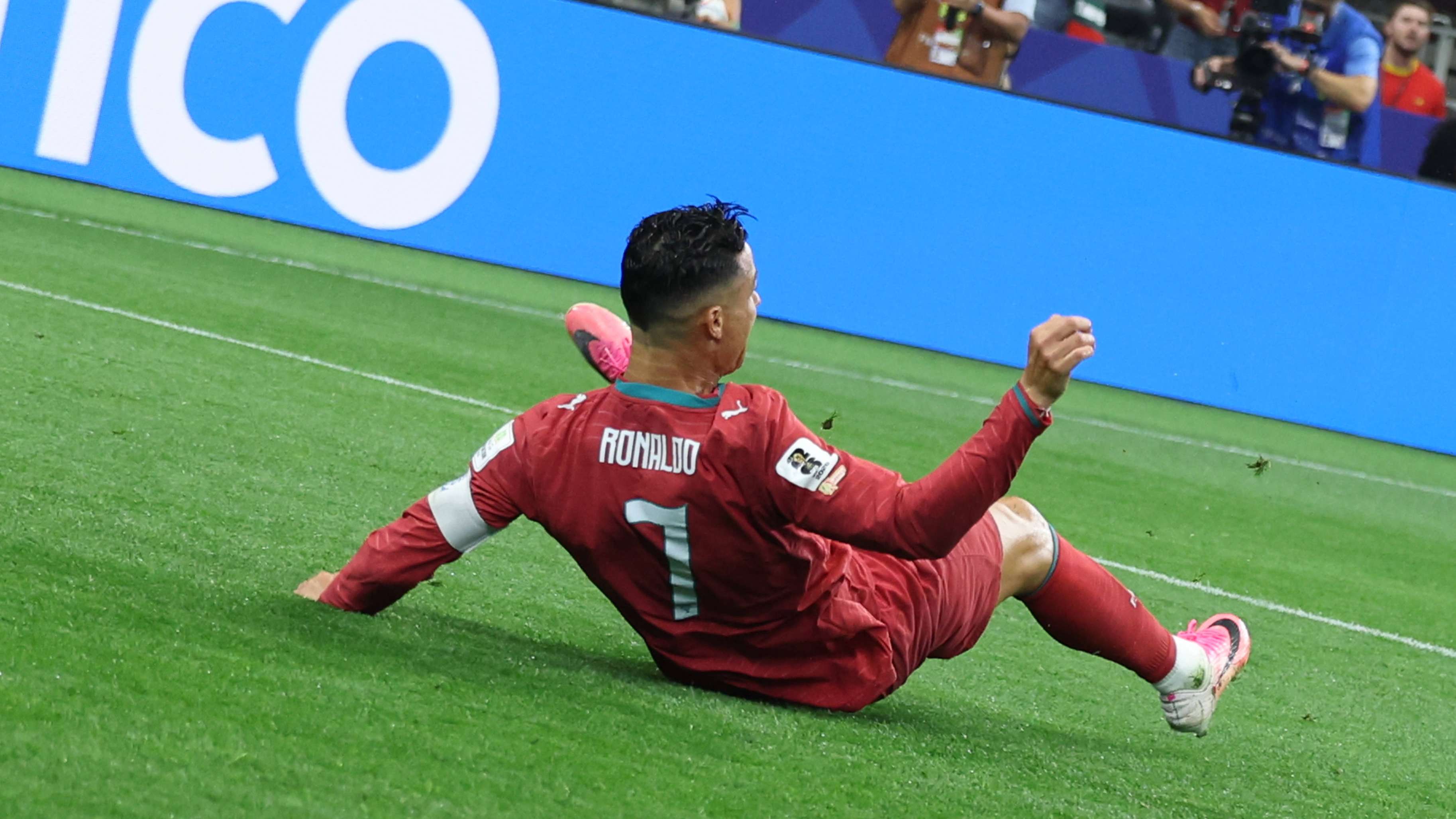
The Portugal captain managed just 69 minutes of action across the 2026 World Cup in North America. He appeared in Portugal's opening matches against Saudi Arabia (45 minutes) and Uruguay (24 minutes) but spent the remainder of the tournament on the substitutes' bench. Across the group stage and knockout rounds, Ronaldo failed to register a single assist, though he did score three goals against Uzbekistan and Croatia. His team ultimately crashed out in the round of 16 with a 1-0 defeat, a disappointing exit that underscored his inability to deliver on the world stage where it mattered most.
The contrast between Ronaldo's career achievements and his World Cup absence remains one of football's defining narratives. La Roja's mockery, though lighthearted, served as a reminder that individual brilliance alone cannot guarantee the game's ultimate collective honour. As Spain celebrated their second World Cup title—their first came in 2010—Pino's emergence as a champion represented the generational shift taking place in European football.