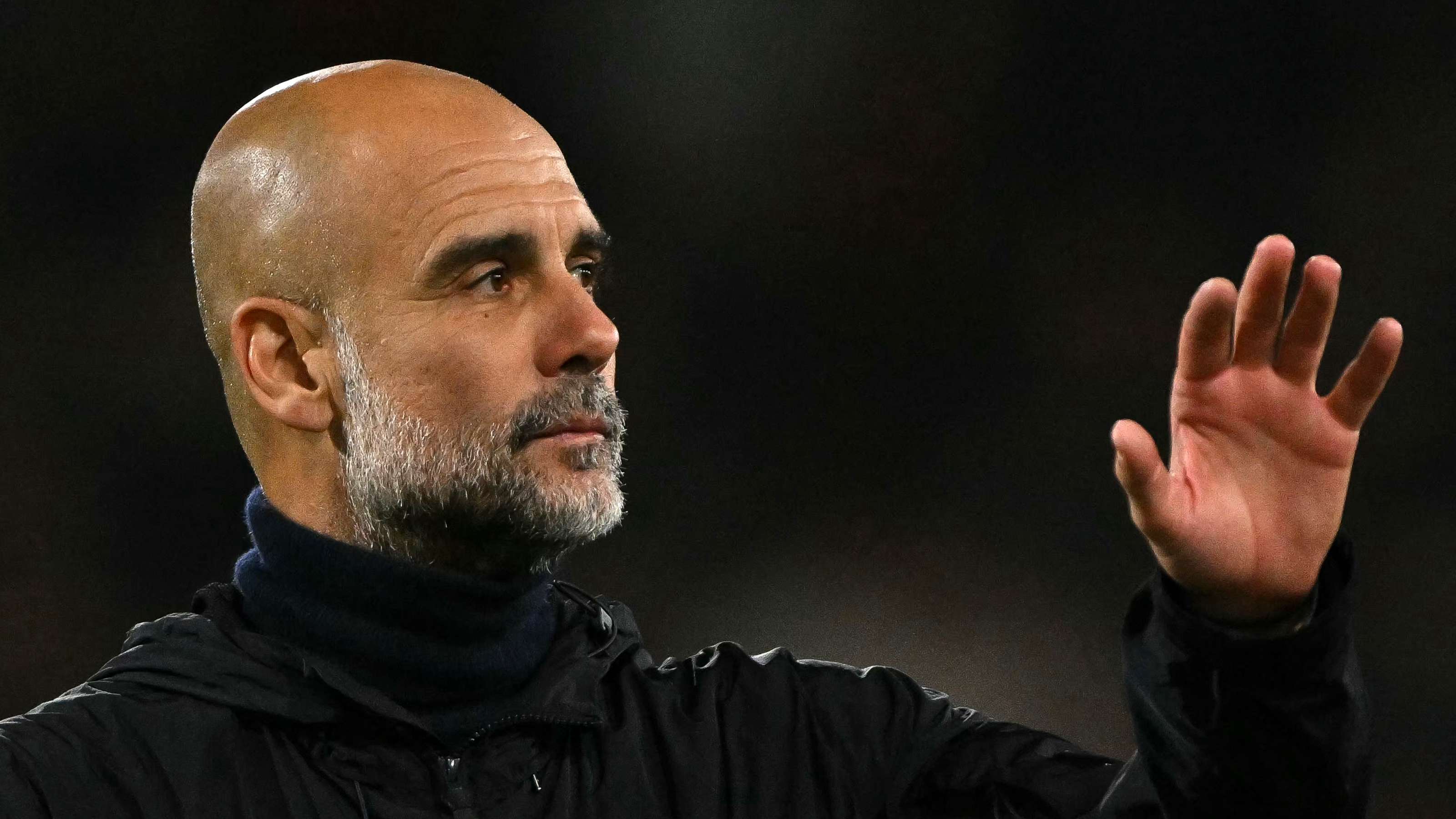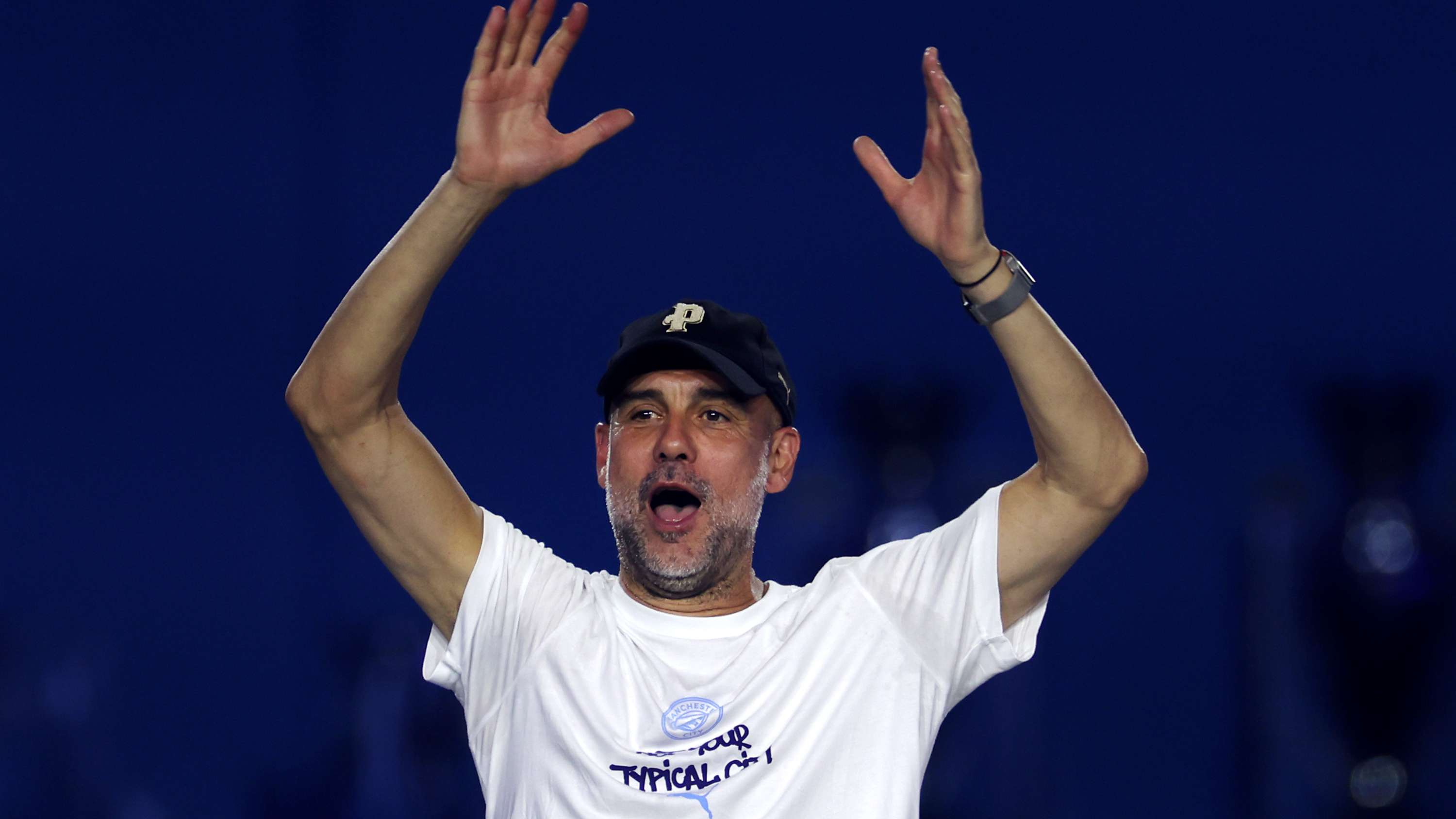
Pep Guardiola's decision to decline the Italian national team position exposed deeper structural problems within the Azzurri. The Spanish manager's refusal was not merely a personal career choice but a damning verdict on Italy's current state of football development and organizational dysfunction.
The Italian Football Federation had identified Guardiola as their primary candidate to restore the nation's flagging fortunes, particularly after missing the World Cup for a third consecutive occasion. However, Guardiola's rejection highlighted a fundamental mismatch between his coaching philosophy and Italy's available resources. His success has consistently relied on exceptional player quality—from Barcelona's possession-based dominance with Xavi and Iniesta through to Manchester City's well-funded project. Italy's current talent pool simply cannot meet those demands.
The Infrastructure Problem Beyond Player Quality
Guardiola's philosophy demands more than skilled individuals. It requires a cohesive ecosystem spanning management, recruitment, and technical leadership. The Italian federation has lurched between muddled decisions for years, creating an unstable foundation incapable of supporting a modern footballing system. Serie A no longer produces the caliber of internationally competitive players essential for implementing Guardiola's high-pressing, possession-dominant tactics at the national level.
Italy's traditional strength has resided in defensive solidity, tactical pragmatism, and organizational discipline—the antithesis of Guardiola's approach. His methods demand total possession control, aggressive pressing from the front, and risk-taking in build-up play. These principles require players philosophically aligned with the system and technically capable of executing them under pressure. The current squad lacks both the personnel and the cultural foundation for such transformation.
What Guardiola's Rejection Reveals
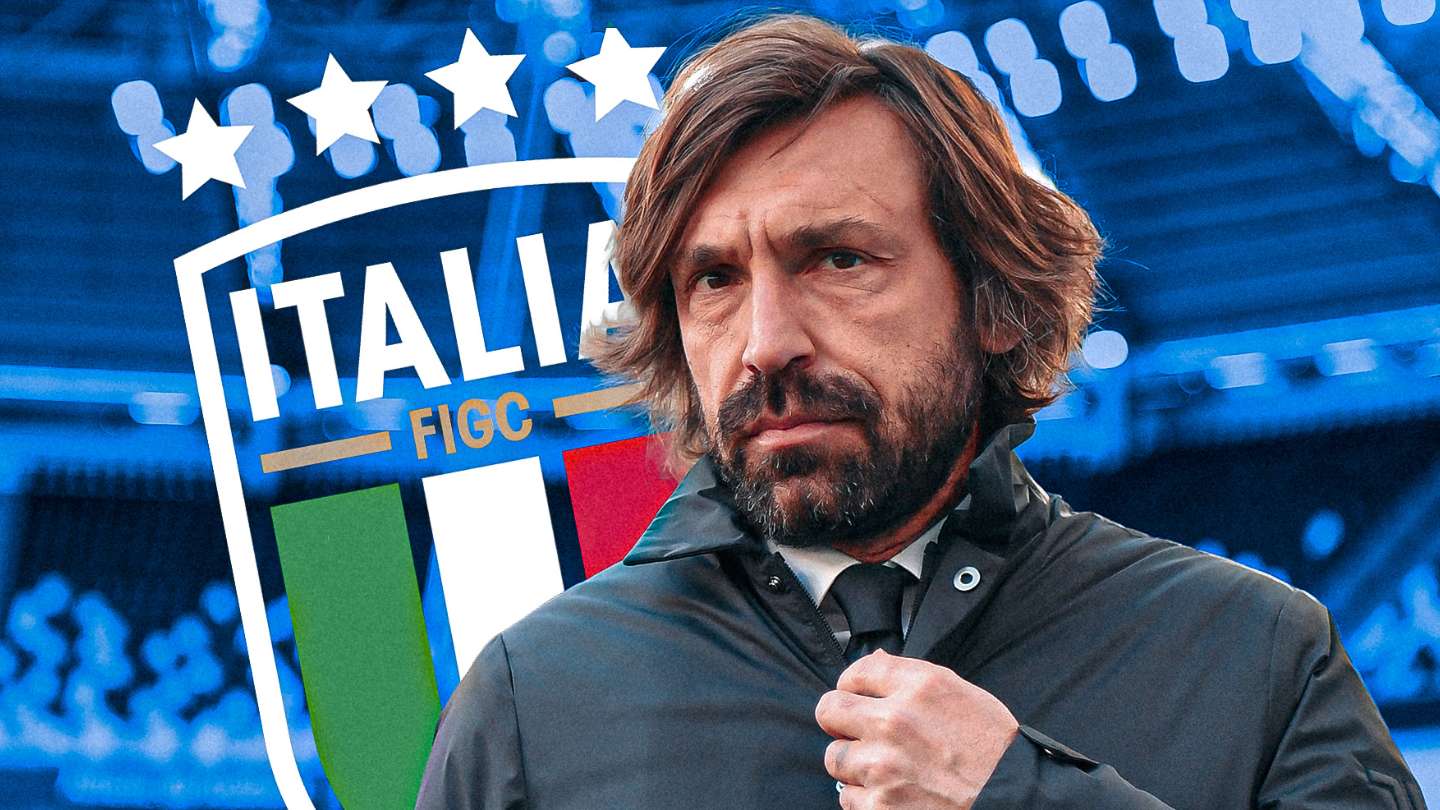
The federation's subsequent appointment of Andrea Pirlo, whose managerial experience remains limited and untested at the highest level, underscores the scale of institutional crisis. Guardiola did not reject Italy itself but rather the circumstances surrounding the role—the absence of a comprehensive rebuilding strategy, inadequate player development pipelines, and an organizational structure incapable of supporting ambitious tactical innovation.
Success at international level demands an integrated project where management, recruitment strategy, and coaching philosophy align seamlessly. Guardiola's track record demonstrates he will only commit to positions where these elements are already in place or achievable within realistic timelines. Italy's federation cannot offer either guarantee in its current state.