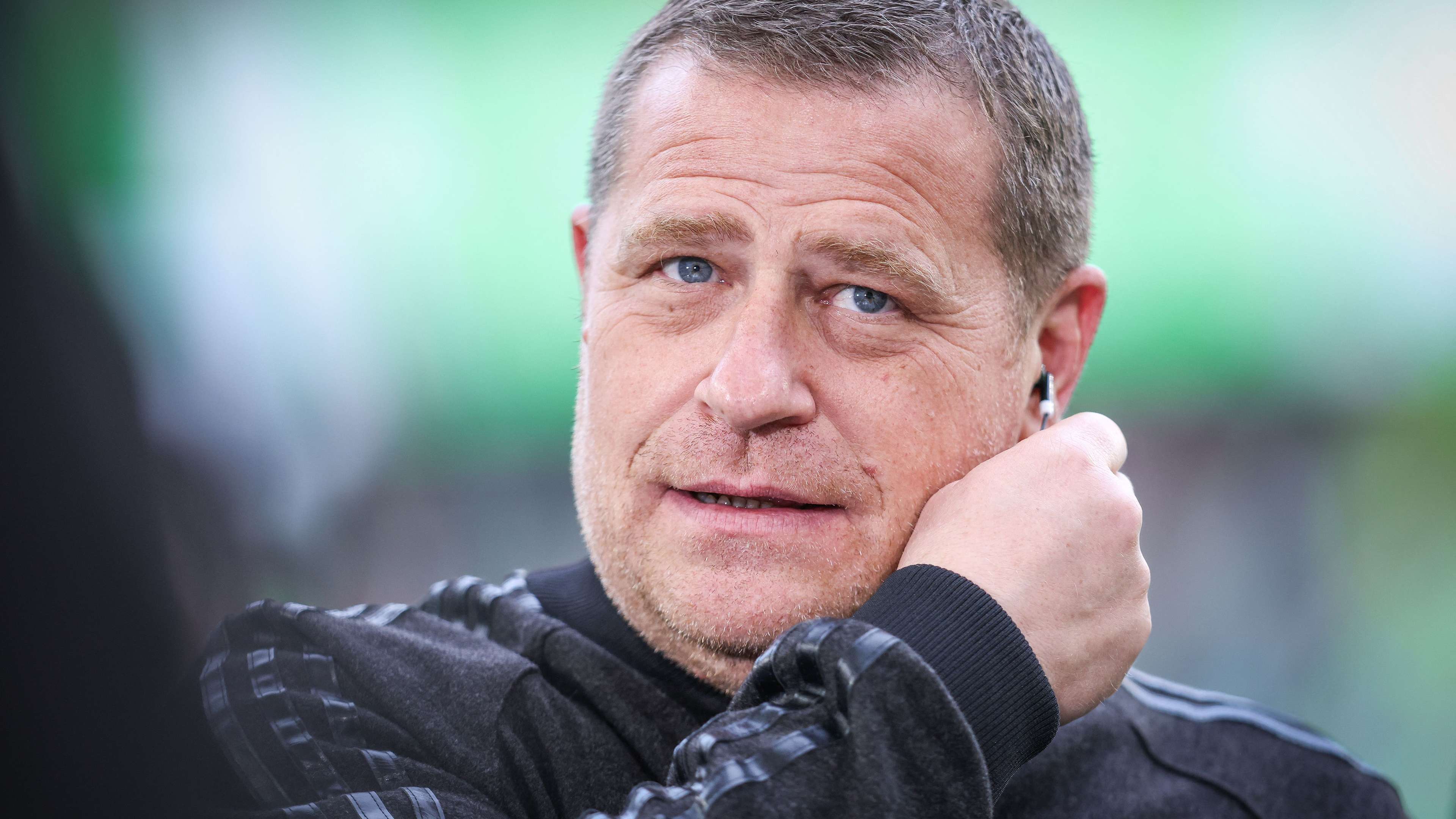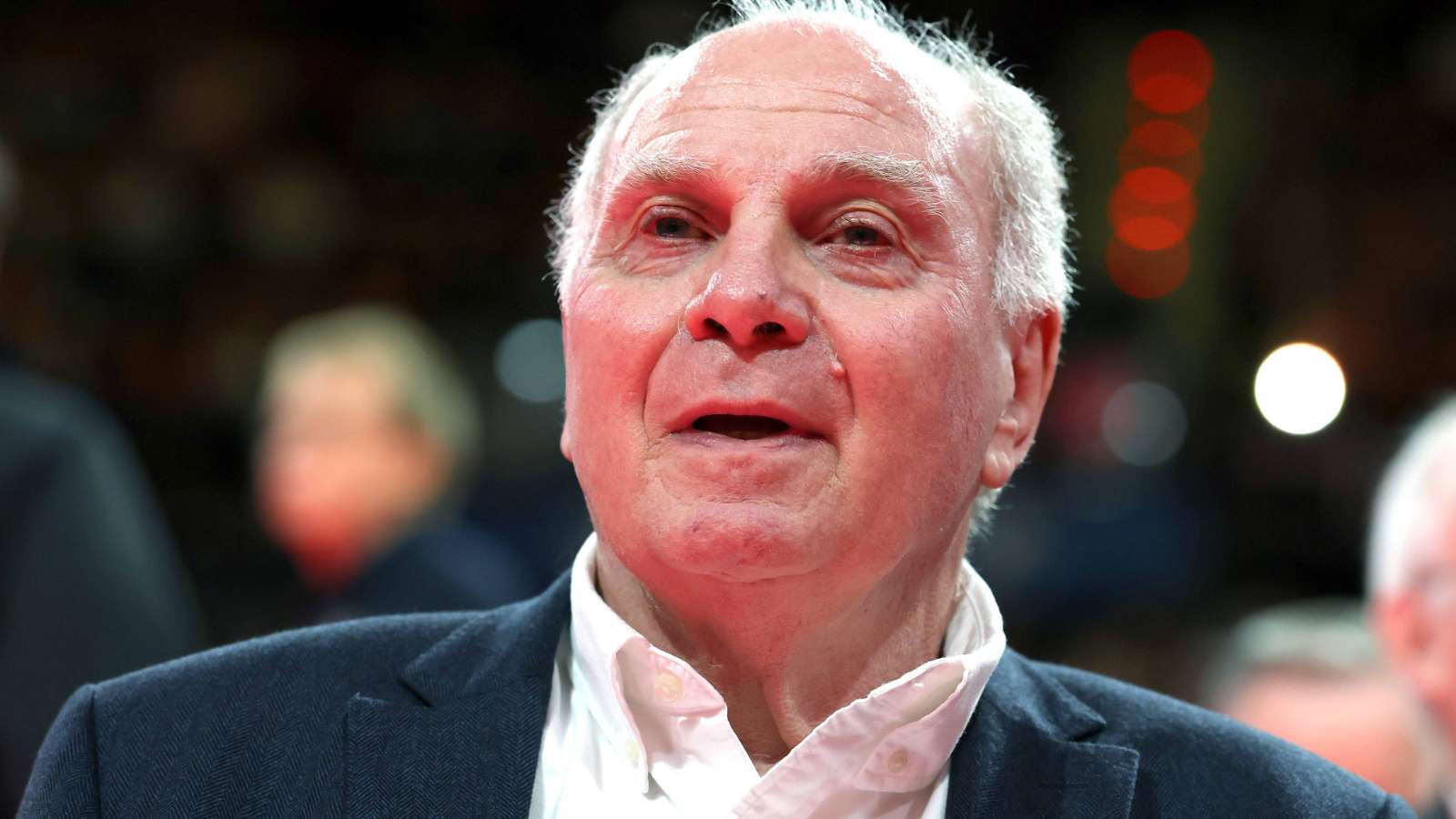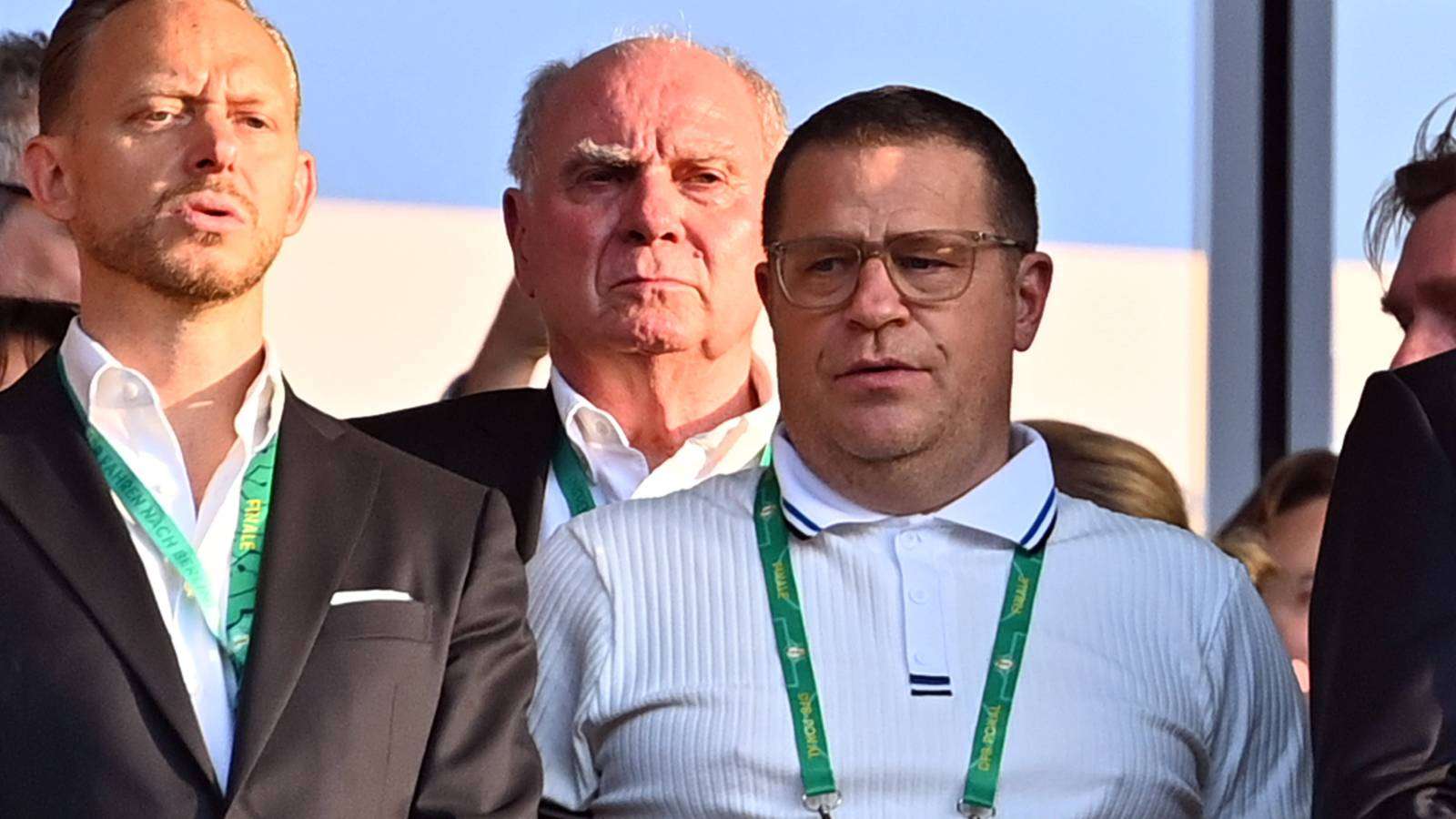
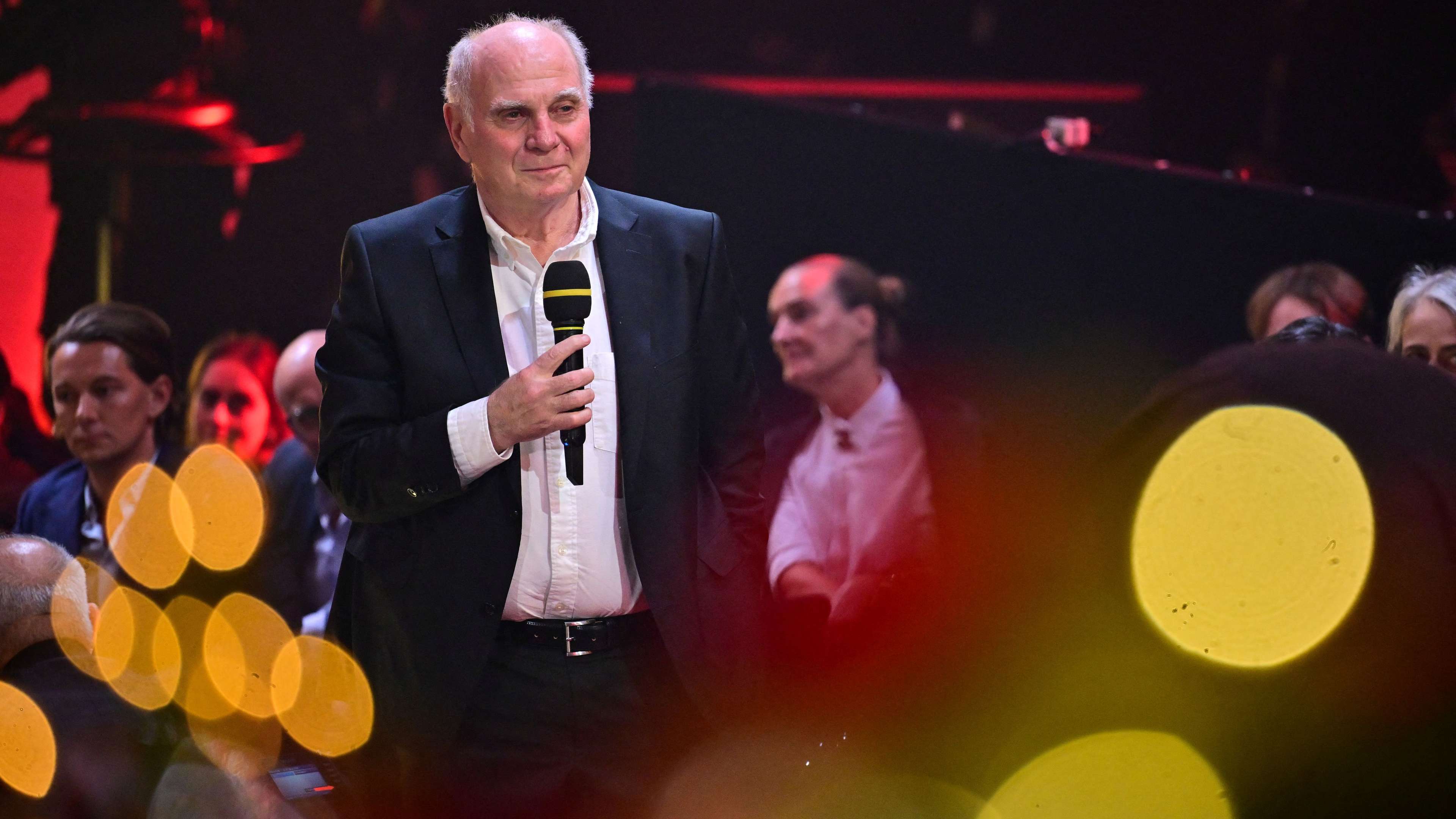
Uli Hoeneß delivered a damaging blow to Max Eberl just five hours before Bayern Munich's DFB Cup final against VfB Stuttgart. In an interview published by Der Spiegel on match day, the 74-year-old club president publicly questioned his sporting director's future, claiming the odds of extending Eberl's contract beyond 2027 stood at "60–40". The timing—hours before a cup final that offered Bayern a chance to crown their best season in six years—was widely viewed as a calculated effort to seize the narrative and overshadow the team's achievements.
Eberl had orchestrated the squad that secured a 3-0 victory over Stuttgart, completing a domestic double. Despite this success, the sporting director could not fully celebrate. Instead of savouring the silverware, Eberl faced immediate questions about his job security and accusations from the club's most powerful figure. He entered the mixed zone with gallows humour, quoting Hoeneß's "60 to 40" assessment before being asked anything. His subsequent interview was composed and professional, yet his evident joy was tempered by disappointment at the president's public undermining.
A Record Mixed with Success and Missteps
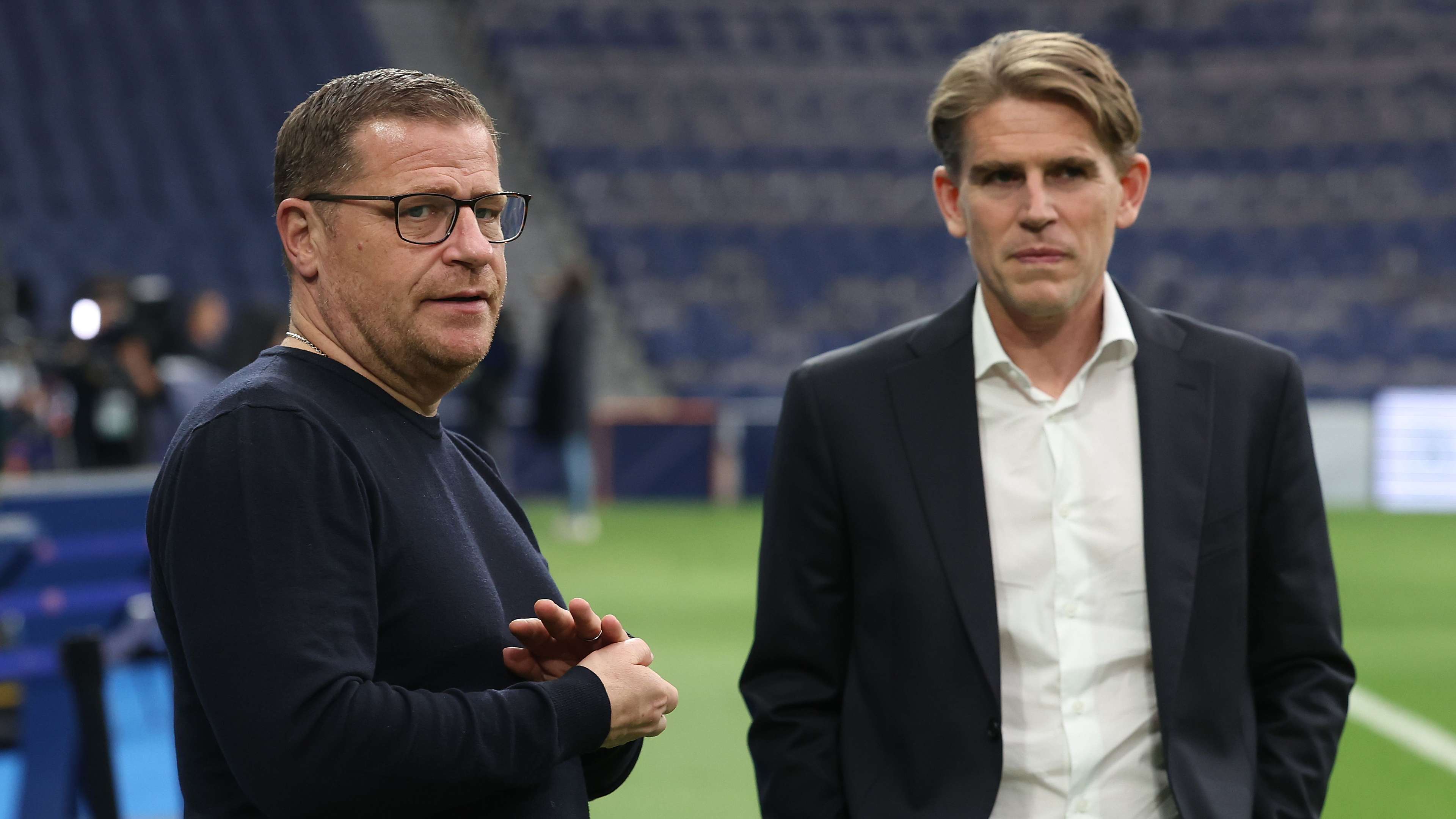
Eberl's tenure demands scrutiny. Working with Christoph Freund and Jan-Christian Dreesen, he orchestrated the appointment of Vincent Kompany—a masterstroke that proved Hoeneß's initial preference for Thomas Tuchel wrong. Eberl also engineered standout signings in Michael Olise and Luis Diaz, plus secured free transfers for Jonathan Tah and Tom Bischof. Young goalkeeper Jonas Urbig arrived for just seven million euros as Manuel Neuer's long-term successor.
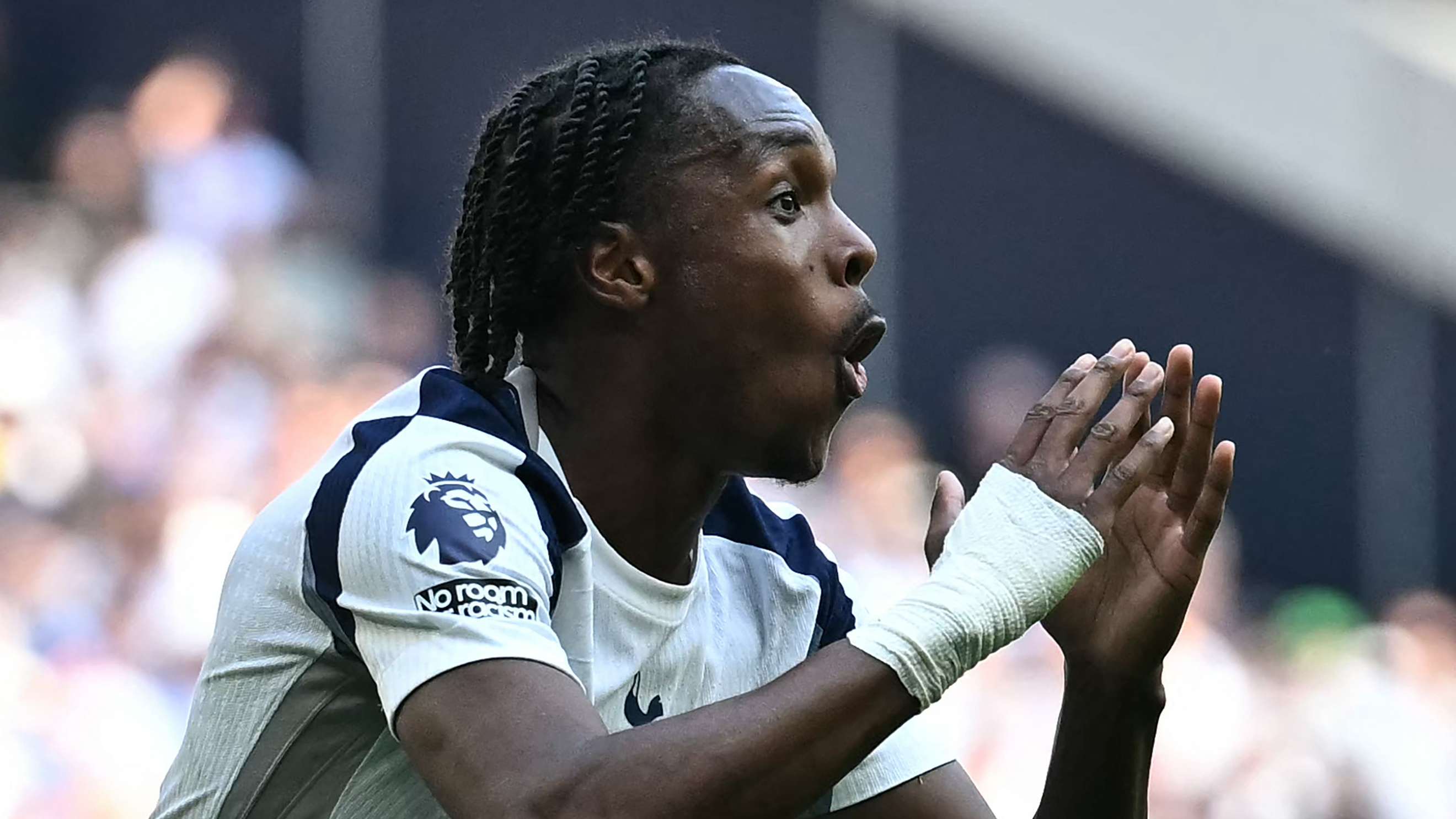
However, missteps exist. Loan striker Nicolas Jackson flopped despite a total package worth around 25 million euros. The Joao Palhinha transfer—unnecessary and overpriced—was set in motion before Eberl's arrival but continued under his watch. More troubling are the expensive contract extensions for Alphonso Davies and Jamal Musiala. These deals inflated an already bloated wage structure and created a costly cycle: Dayot Upamecano and Konrad Laimer have since used those benchmarks in their own negotiations. Compounding the problem, Davies and Musiala have yet to regain peak form following injuries sustained shortly after signing their lucrative deals.
From a human standpoint, Hoeneß's decision to weaponise timing and public criticism on cup final day was indefensible. Rather than celebrating Bayern's domestic dominance and six-year season progression, the club now faces internal questions about leadership and institutional dysfunction. Eberl's next move—and whether the supervisory board sides with him or the president—will define Bayern's direction heading into the 2025-26 season.