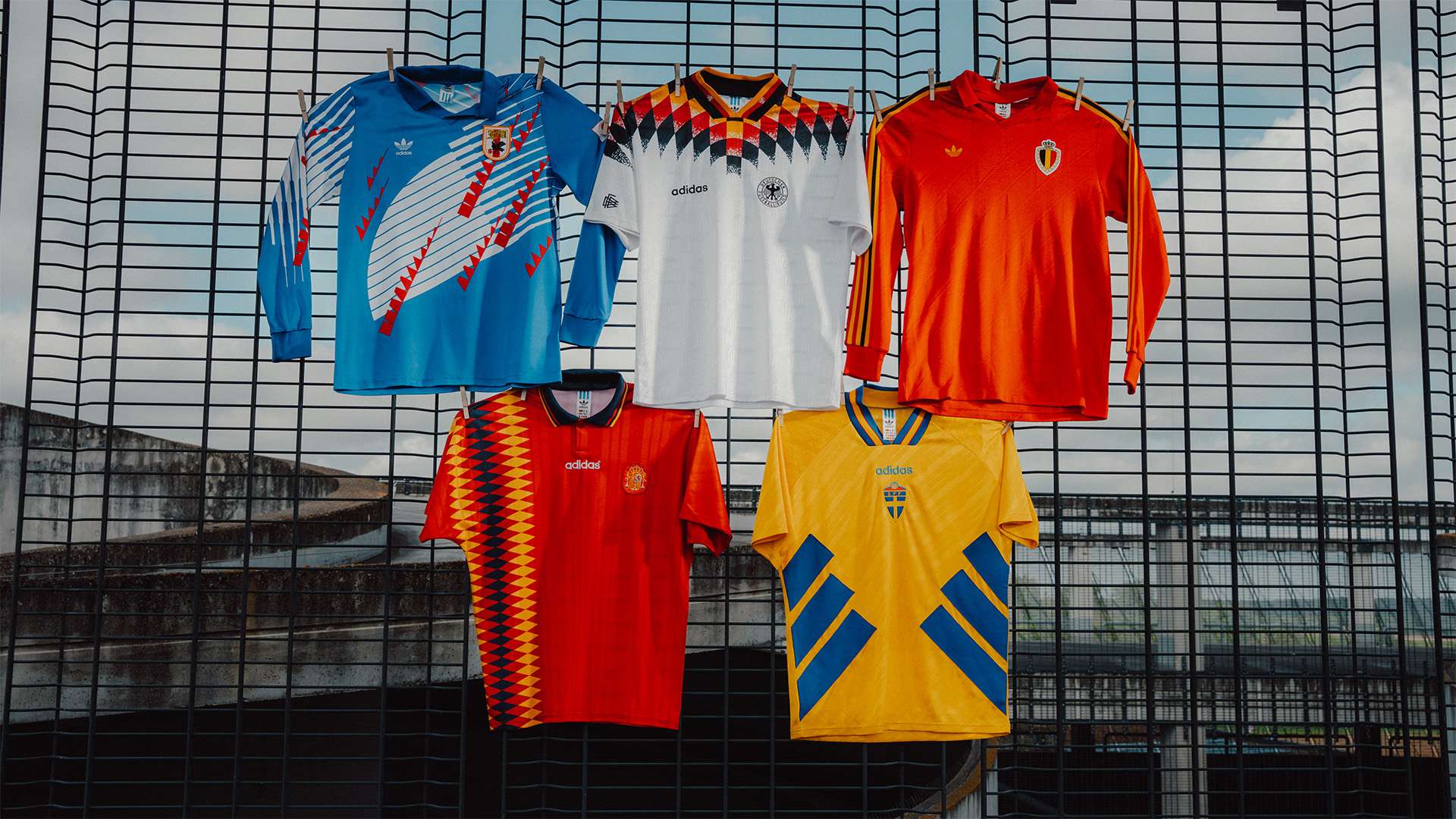
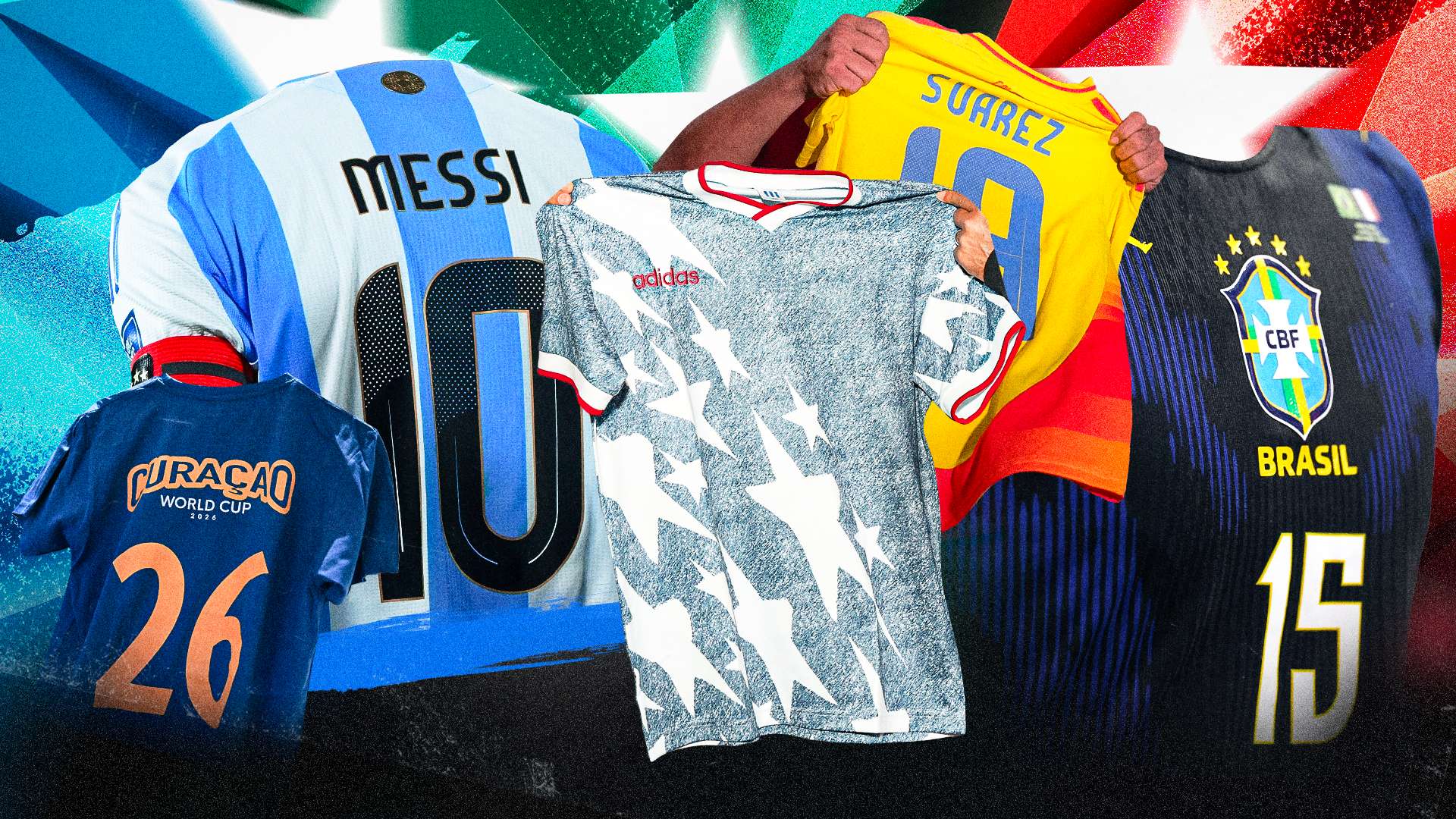
As the 2026 FIFA World Cup approaches, vintage and retro-inspired soccer jerseys have become the defining fashion moment for fans worldwide. From Brazil's iconic R9 shirt to Germany's geometric 1990 kit, nostalgia is reshaping how supporters shop for World Cup gear ahead of the tournament in North America.
Specialty retailers like Saturdays Football report consistent demand for legendary player jerseys and classic national team designs. Cristiano Ronaldo, Lionel Messi, Ronaldinho, and R9 remain the most popular individual player shirts, while Brazil and Argentina dominate sales among national teams. The trend reflects a broader cultural shift where World Cup merchandise transcends football fandom and enters mainstream streetwear.
Germany's 1990 Tribute Kit Tops Fan Rankings
According to research analyzing 2026 national team jerseys, Germany's home kit earned a 9.26 out of 10 rating, making it the highest-rated design globally. The shirt draws inspiration from the iconic 1990 West German kit that lifted the World Cup, featuring the same bold geometric pattern created by designer Ina Franzmann when she was just 25 years old. The modern version balances contemporary construction with that classic nostalgia, appealing to both longtime collectors and new fans discovering football heritage.
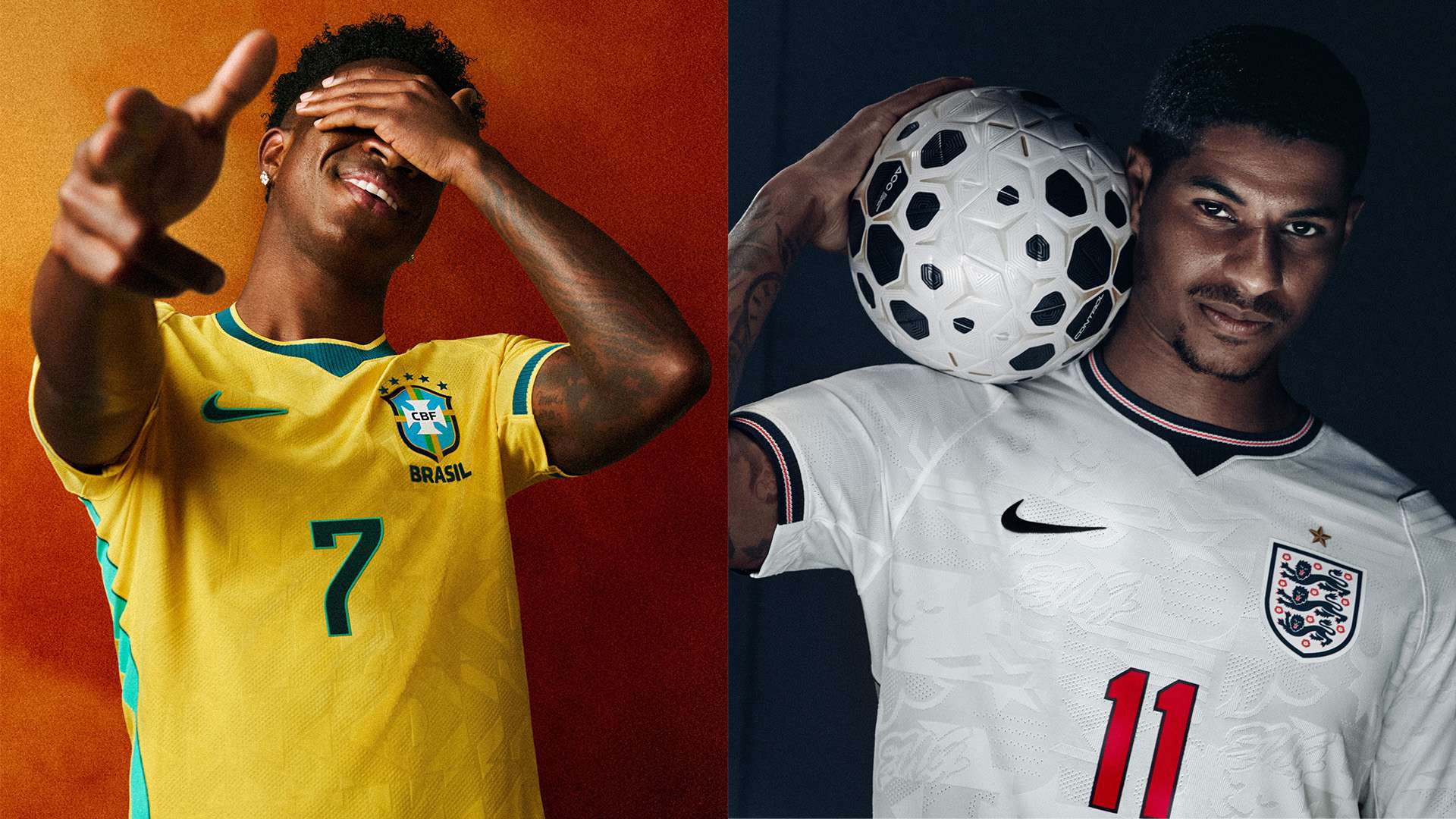
Norway ranked second with an 8.9 rating, while Brazil claimed third place at 8.67 out of 10. Beyond elite rankings, Germany's 2026 kit generated 600 international searches, demonstrating how retro aesthetics drive engagement in the pre-tournament months. The geometric pattern was considered radical when first introduced four decades ago, yet its reintroduction proves timeless design transcends generations.
Vintage Jerseys Meet Mainstream Fashion
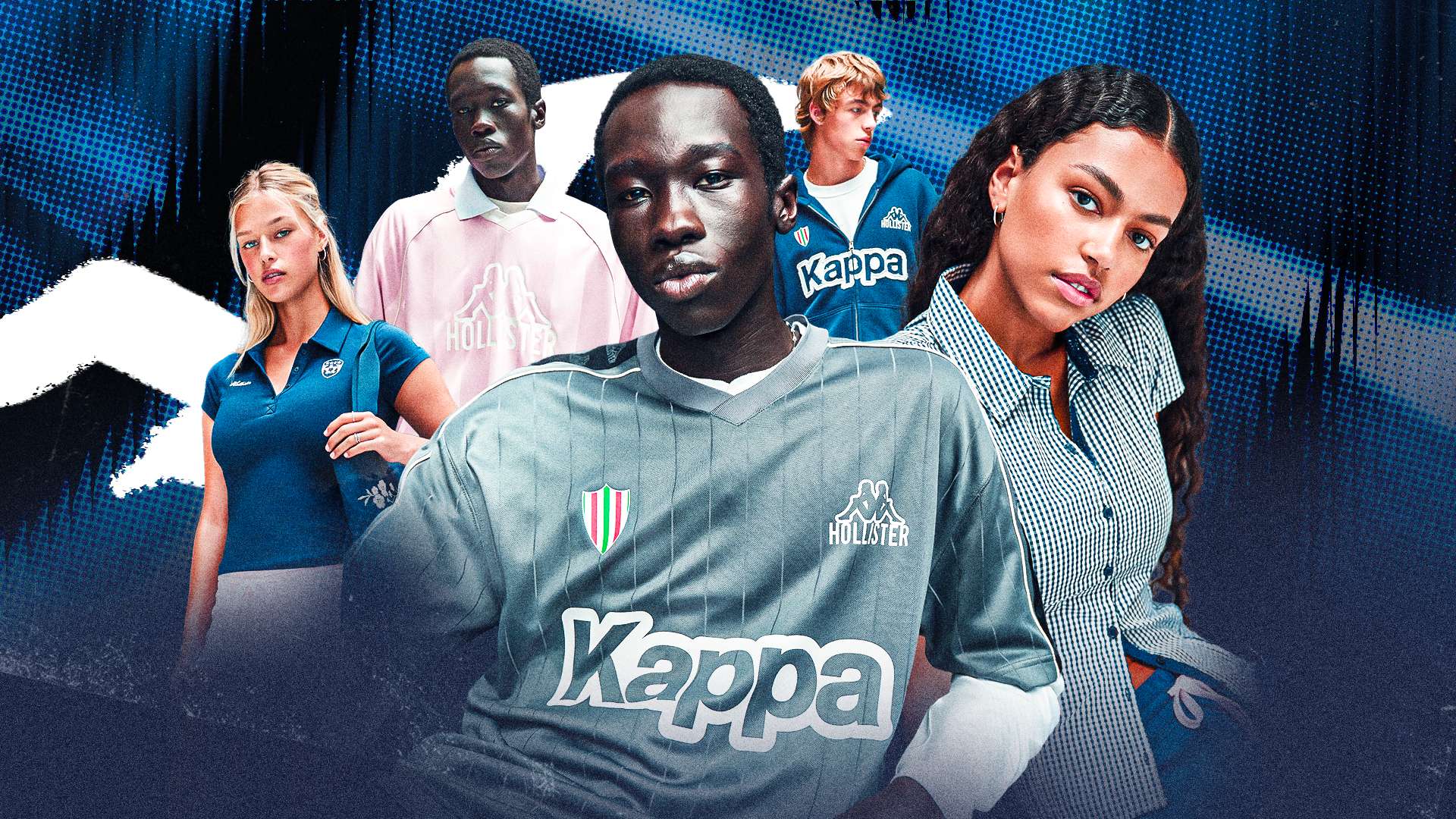
World Cup nostalgia has pushed soccer apparel beyond traditional football retailers. Major fashion brands including Aritzia and Old Navy now stock jersey-inspired pieces, transforming national team aesthetics into accessible lifestyle products. This expansion reflects soccer's growing cultural influence, where match shirts and vintage kits become valid fashion statements rather than purely functional fan gear.
The crossover between football heritage and high street fashion signals a fundamental shift in how sport intersects with consumer culture. As 2026 approaches, expect this trend to intensify, with collectors hunting rare vintage pieces while casual fans embrace modern retro designs that celebrate World Cup history.