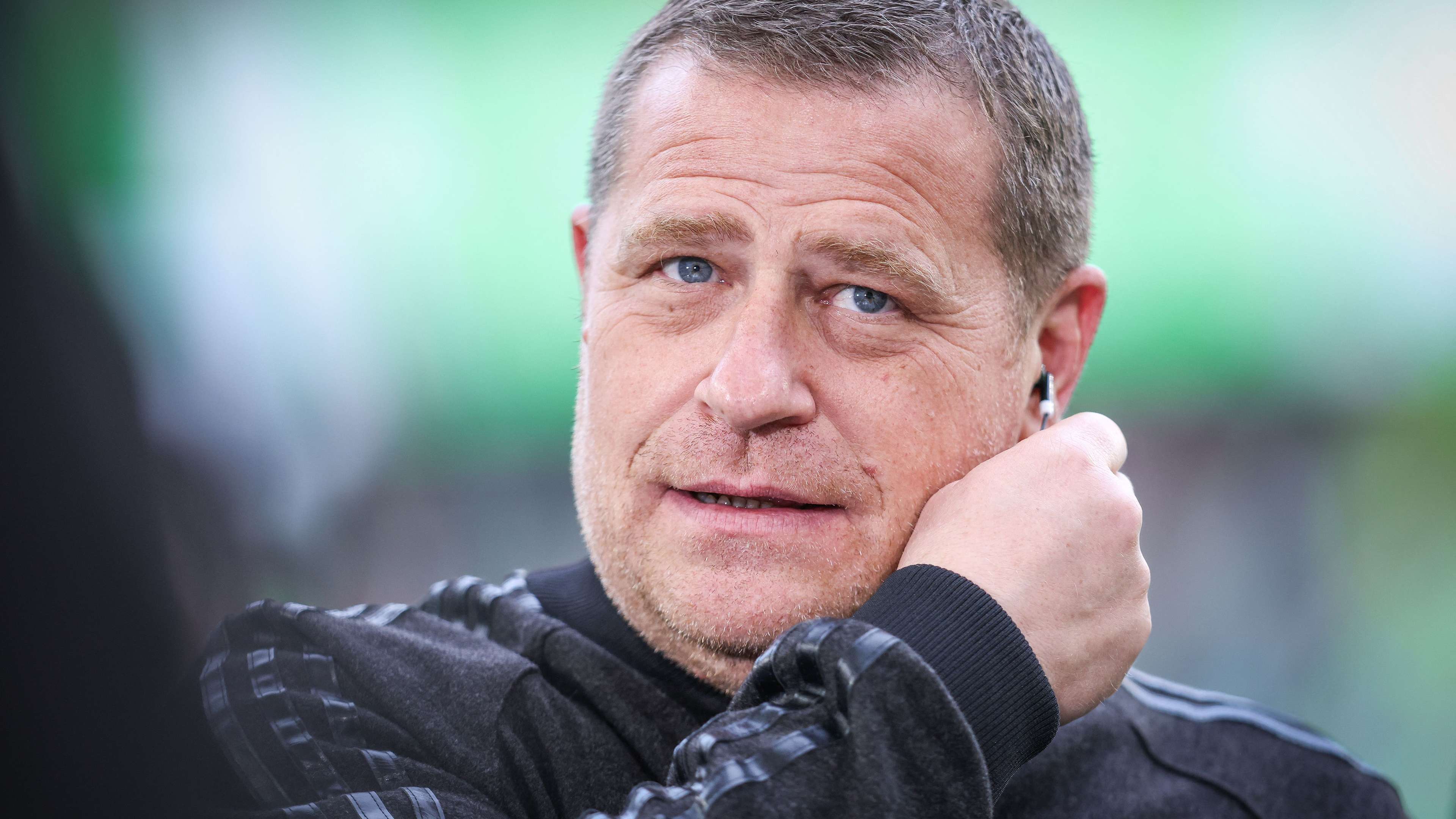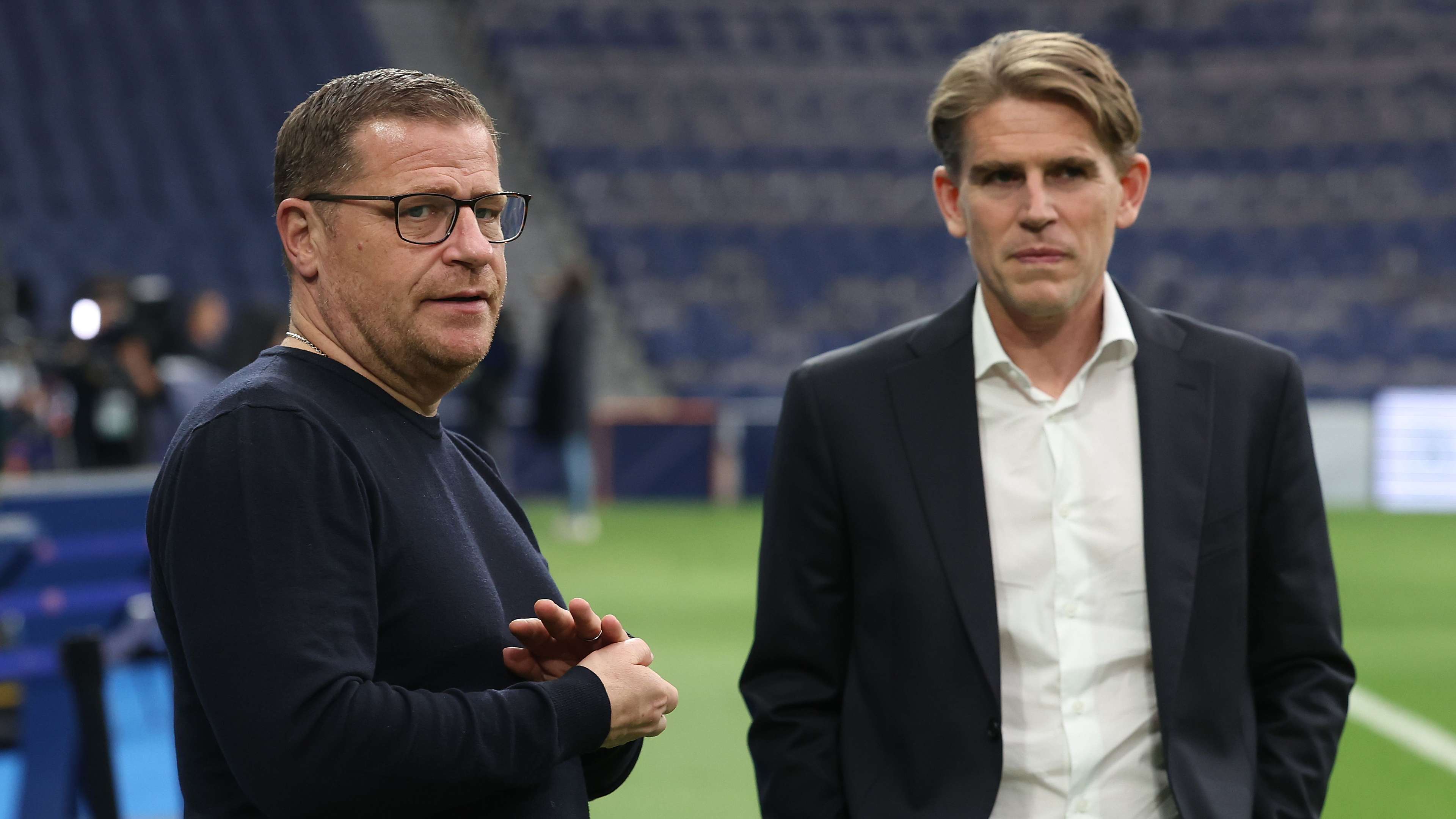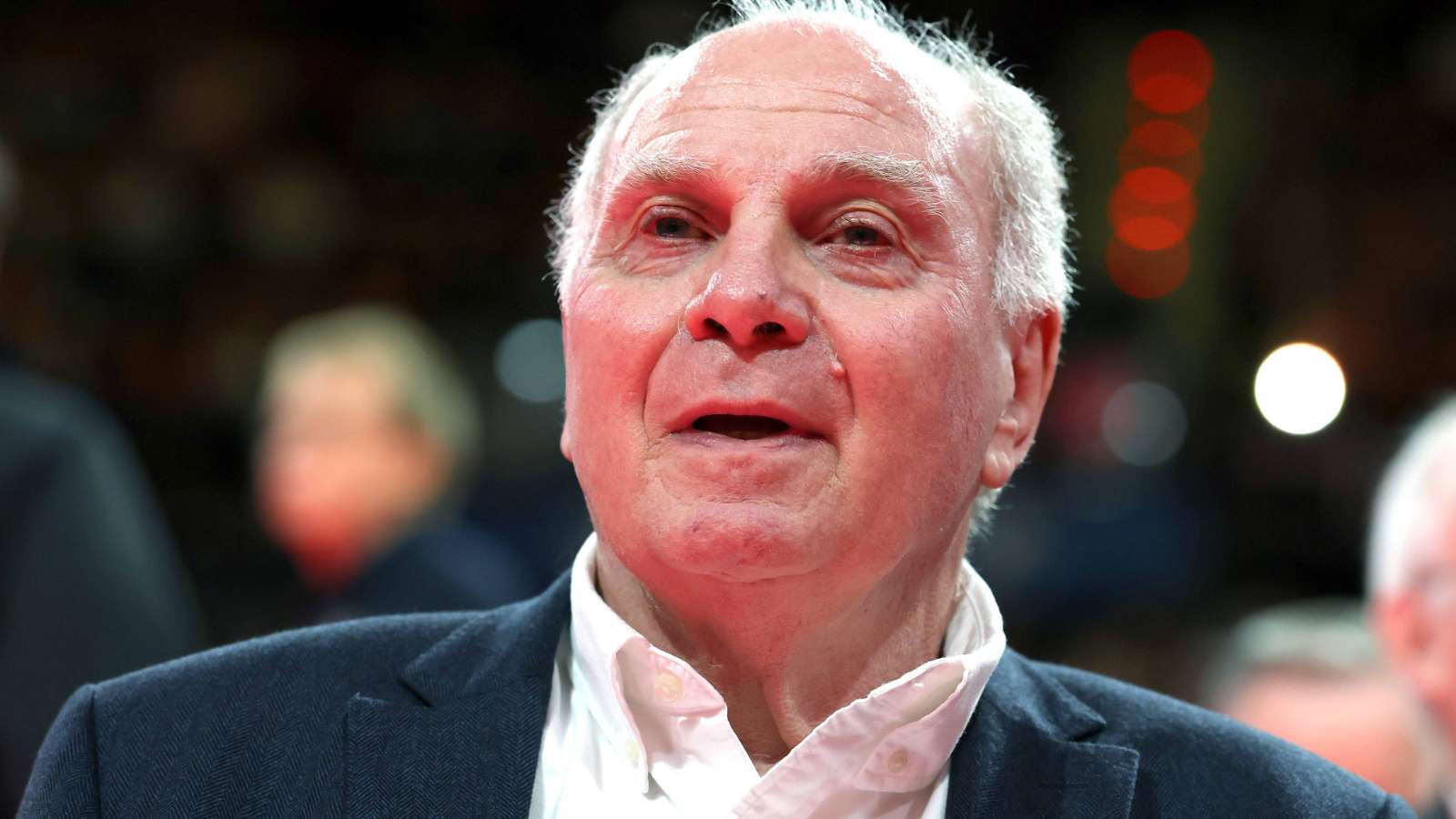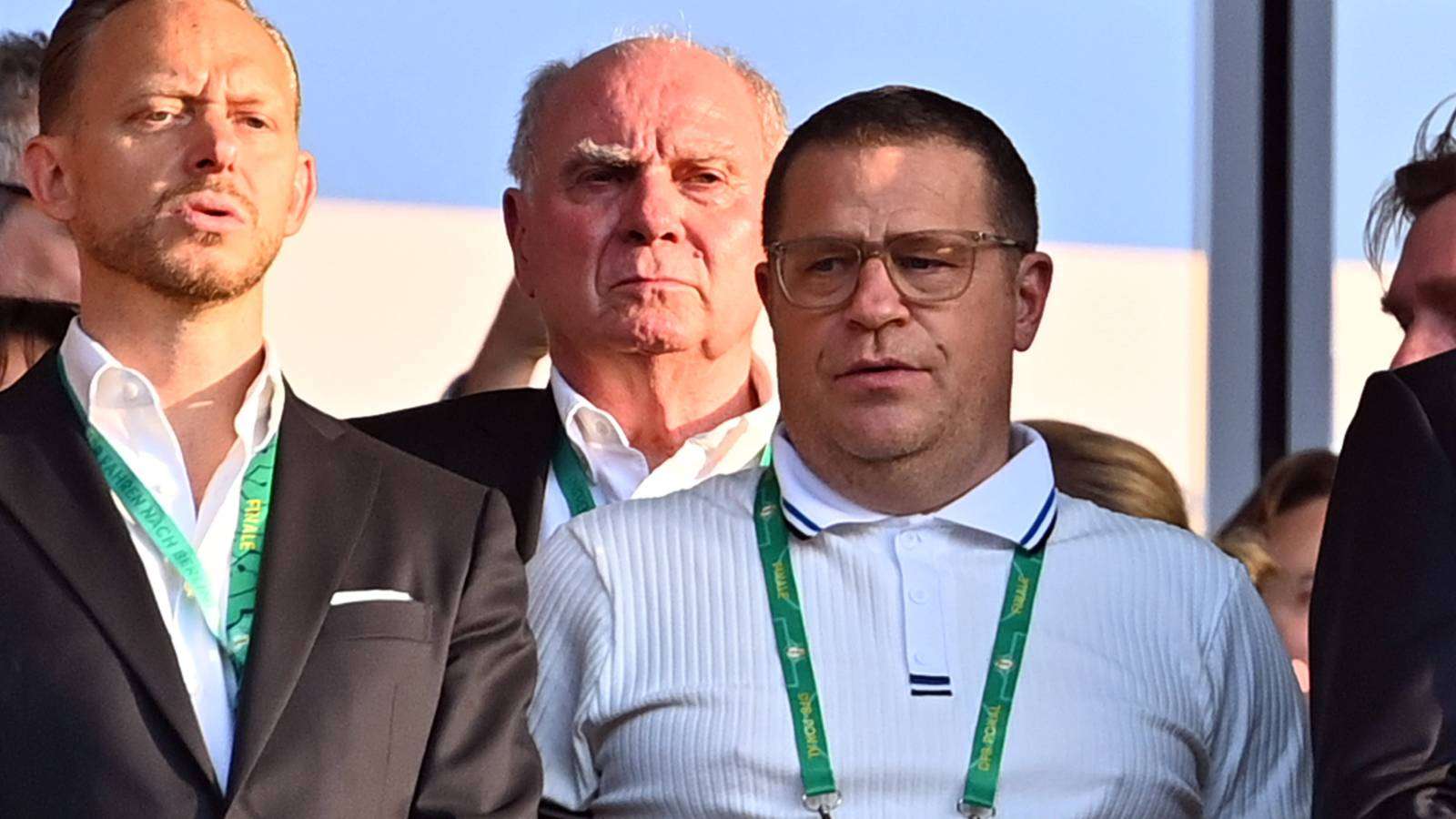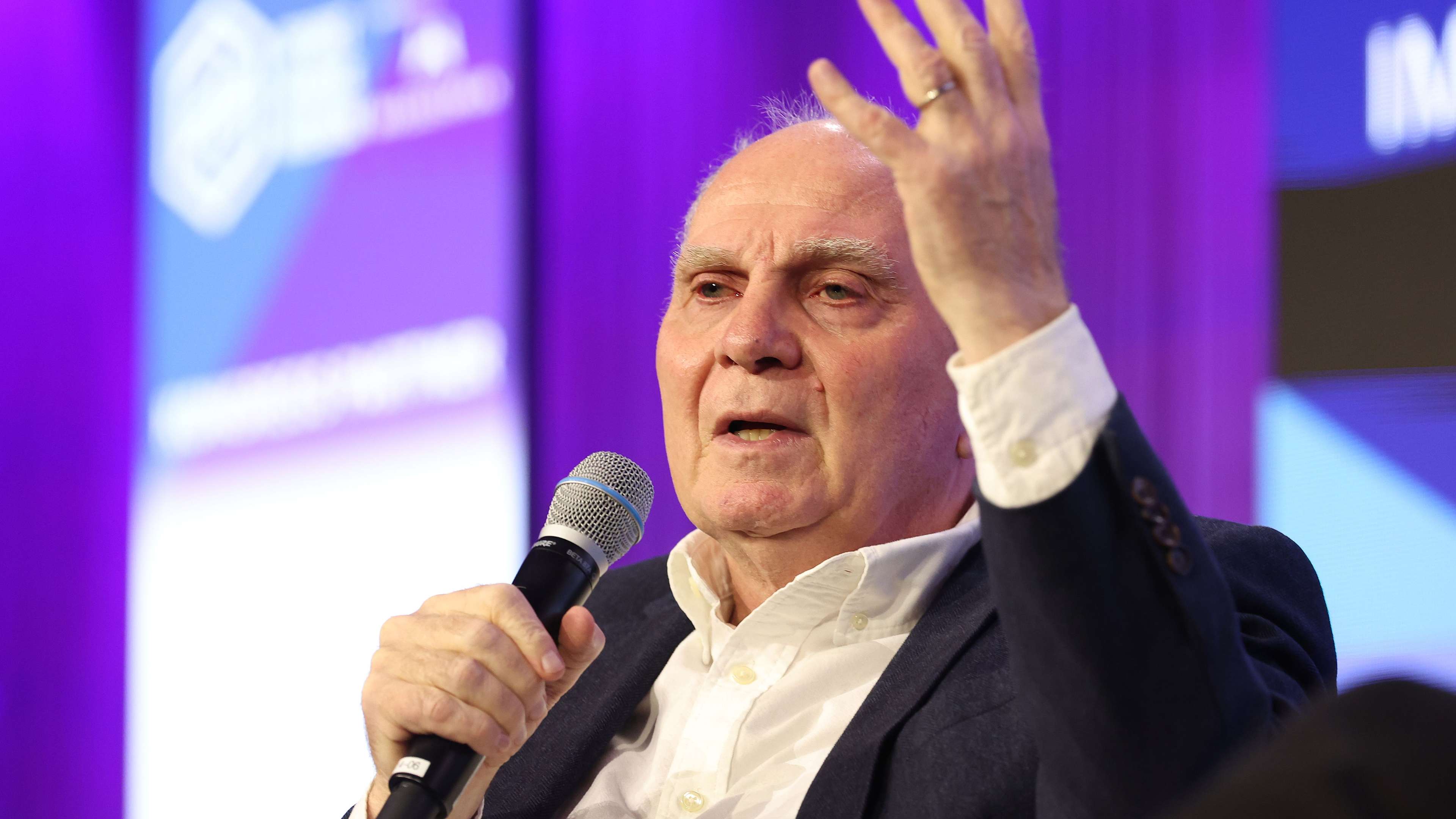
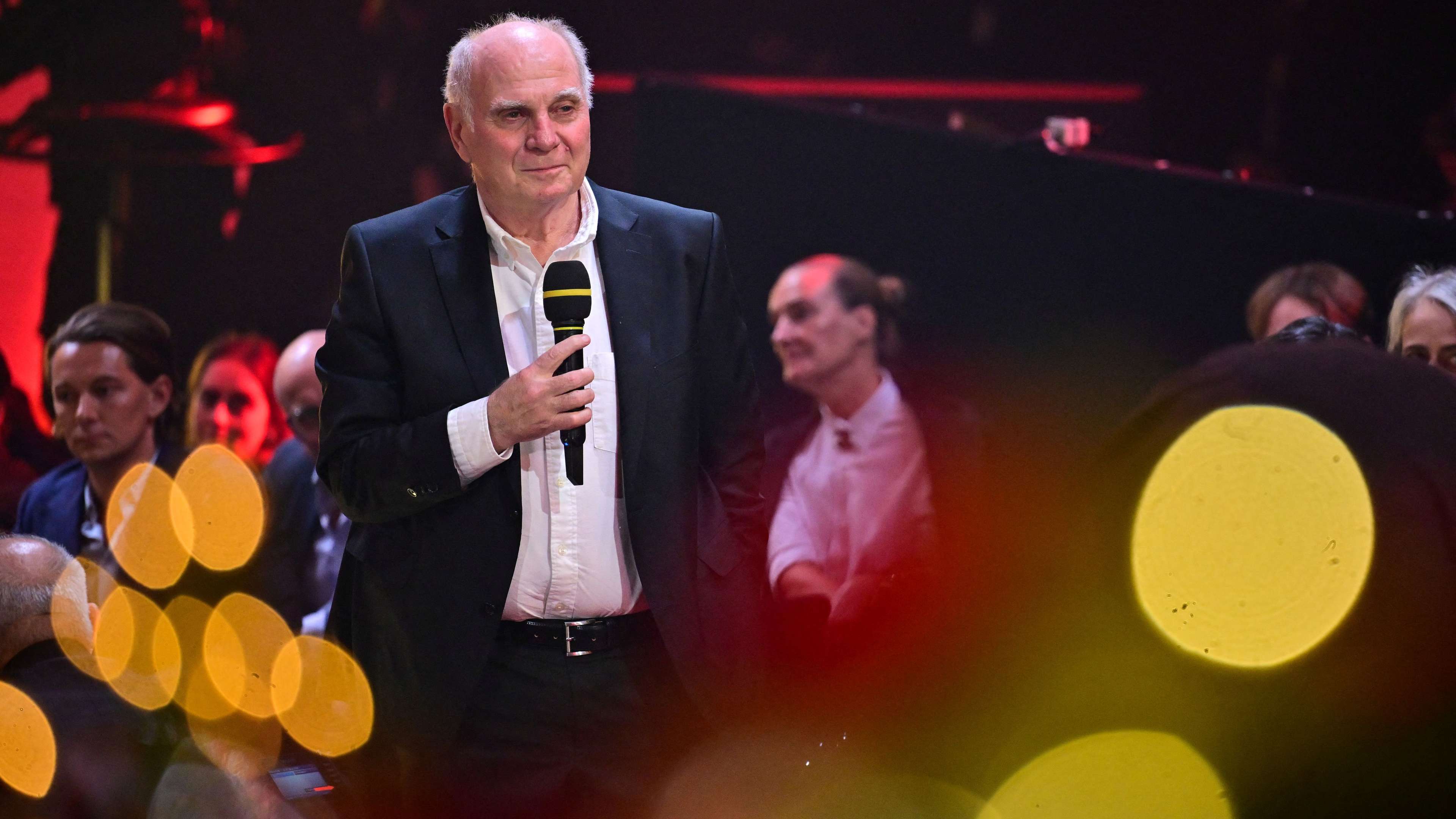
Uli Hoeneß ignited a firestorm by publicly questioning Max Eberl's performance as sporting director just five hours before Bayern Munich faced Stuttgart in the DFB Cup final. The president's comments, published in Der Spiegel, cast doubt over a manager tasked with assembling the squad that would secure the club's first major trophy since 2020. The timing proved as controversial as the content itself.
In his wide-ranging interview, the 74-year-old expressed reservations about Eberl's work, rating the chances of a contract extension at "60 to 40" despite the director's deal running until 2027. While Hoeneß's concerns about recruitment and strategy carry legitimate weight, his decision to air grievances on such a prominent occasion overshadowed what should have been a moment of celebration. Eberl, who arrived at the Bavarian giants in early 2024, found himself defending his record rather than basking in Bayern's 3-0 demolition of Stuttgart and the accompanying domestic double.
A Mixed Record Under Scrutiny
Eberl's tenure reveals both strategic successes and costly missteps. His appointment of Vincent Kompany as manager proved transformational—a decision that required tenacity after Hoeneß initially preferred retaining Thomas Tuchel. The signing of Michael Olise and Luis Diaz demonstrated quality recruitment, though both deals materialised only after primary targets became unavailable. Low-cost acquisitions including free transfers Jonathan Tah and Tom Bischof, plus Jonas Urbig for seven million euros, showcased efficiency.
However, structural problems plague the operation. The lavish contract extensions for Alphonso Davies and Jamal Musiala inflated an already bloated wage structure, triggering a cascade of demands from other players. Dayot Upamecano and Konrad Laimer leveraged those benchmark deals in their own negotiations, creating an unsustainable wage cycle. Nicolas Jackson's loan flopped despite a €25 million investment, while Joao Palhinha's arrival—set in motion before Eberl's arrival—represented an unnecessary expense. Injuries to Davies and Musiala soon after signing further undermined the value of those extensions.
The Human Dimension
Eberl responded with grace under pressure, deflecting with wry humour before delivering a composed interview mixing pride with visible disappointment. He acknowledged that Hoeneß and the supervisory board's doubts were "legitimate," avoiding escalation while clarifying bewilderment at the timing. His performance in the mixed zone demonstrated professionalism in an awkward position—forced to address his future on Bavaria's grandest stage.
Hoeneß's concerns about transfer strategy and wage management warrant serious debate within Bayern's boardroom. Yet broadcasting those reservations five hours before a Cup final—with Eberl positioned directly in front of him in the stadium—crossed a line from legitimate oversight into public humiliation. As Bayern begins planning the 2025-26 season, the question remains whether this relationship can survive such discord, or whether further managerial upheaval awaits the Bavarian giants.