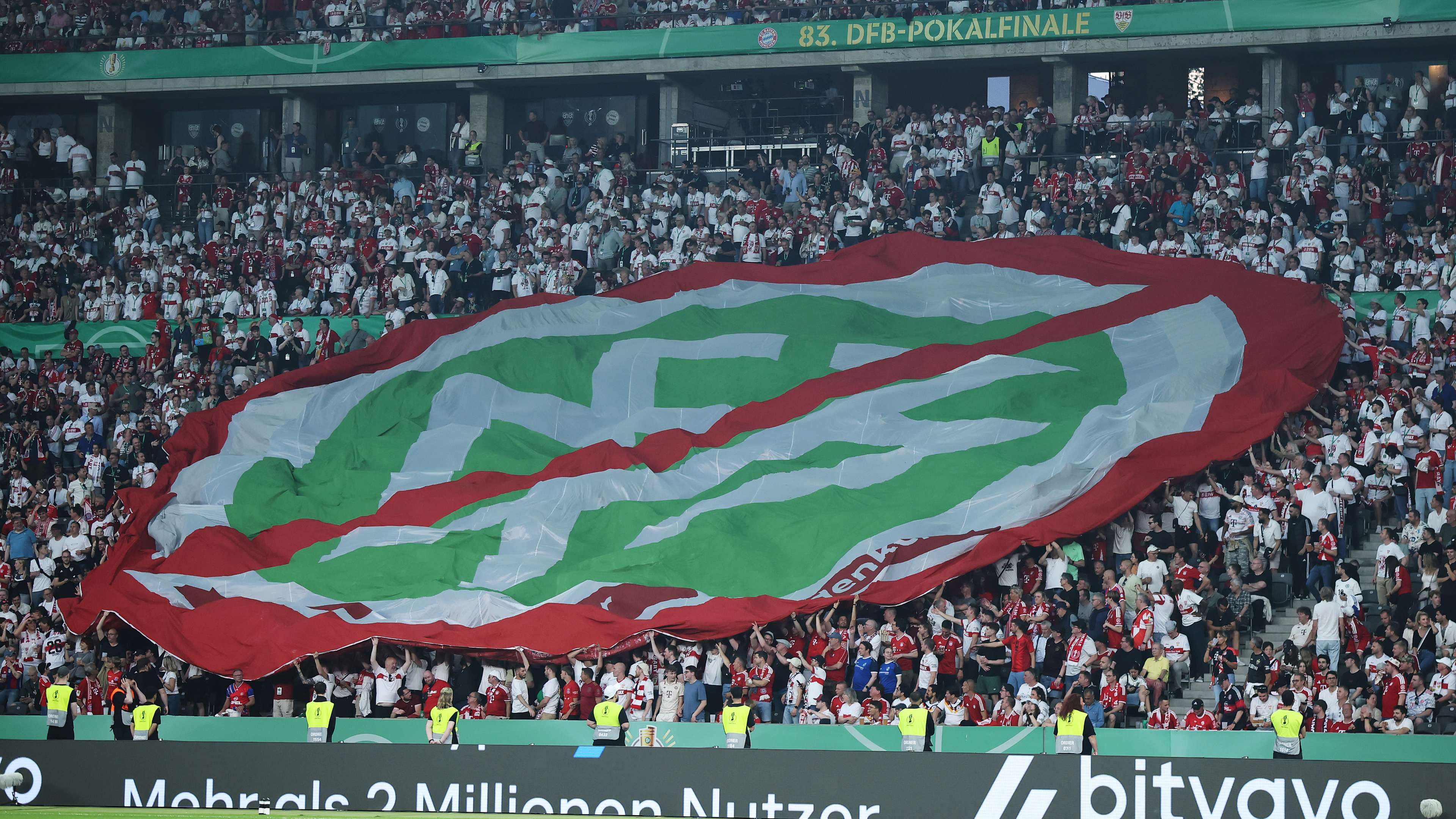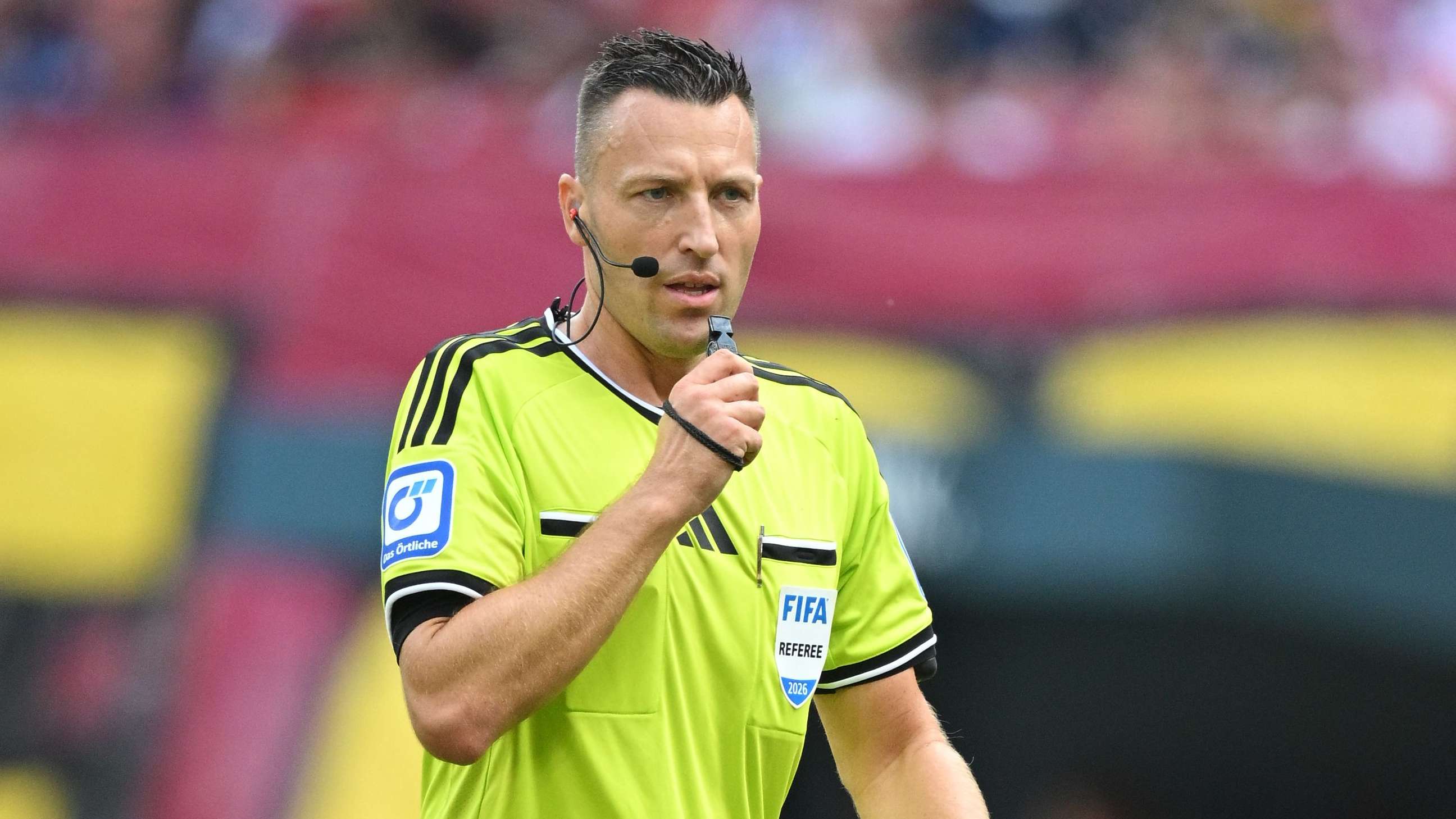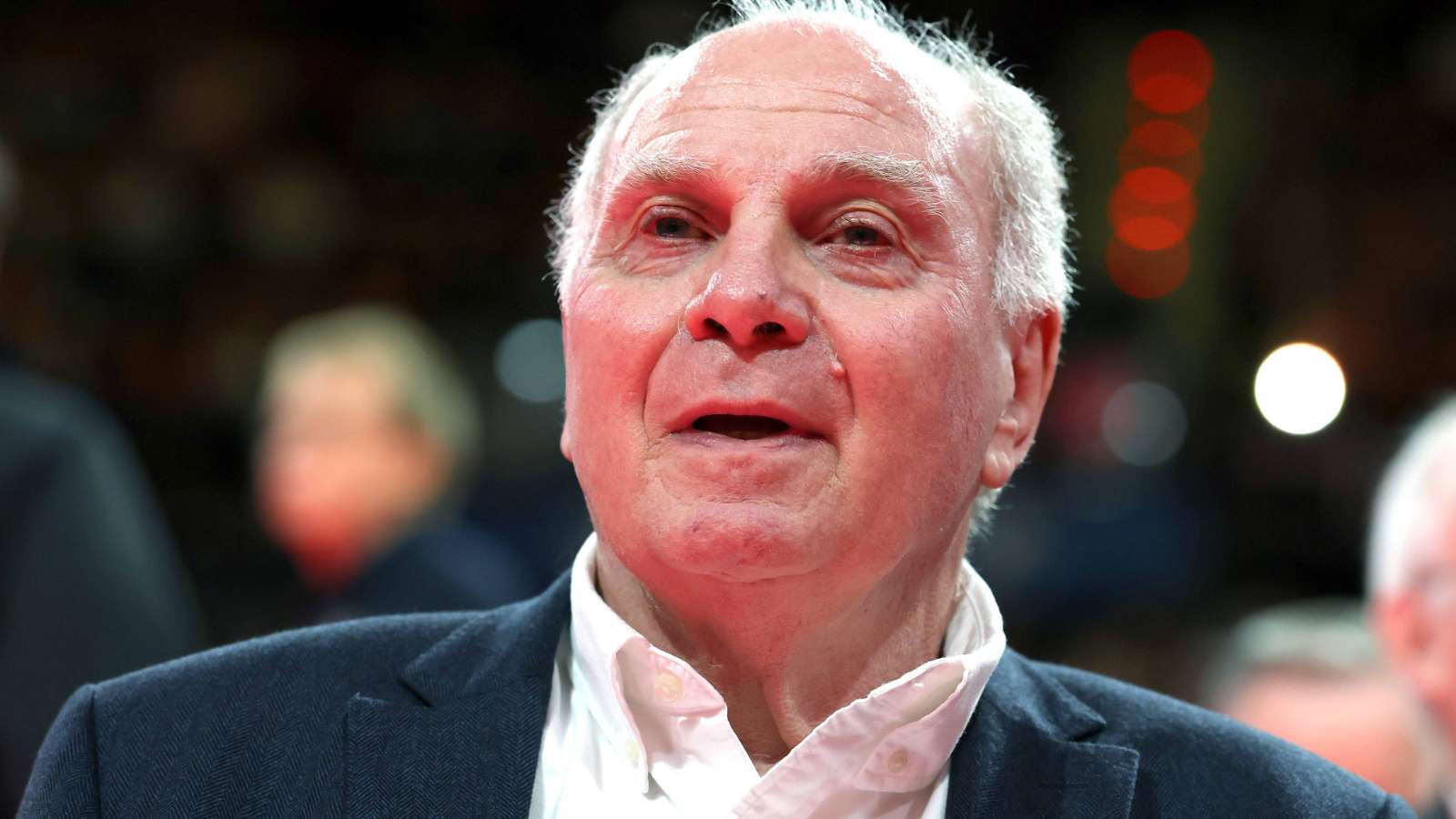
Bayern Munich defeated VfB Stuttgart 3-0 in the DFB Cup final, but the match was overshadowed by a coordinated protest from supporters of both clubs against the German Football Association. Uli Hoeneß, Bayern's honorary president, expressed fury at the demonstration, which saw fans exchange chants and deploy pyrotechnics that forced referee Sven Jablonski to briefly halt play.
The joint fan action targeted what supporters view as excessive ticket pricing for the Berlin Olympic Stadium showpiece. Club Nr. 12, representing Bayern's organized ultras, condemned the DFB's tiered pricing structure ranging from €45 to €195, claiming the allocation disproportionately favored premium categories. At the start of the second half, Stuttgart supporters passed a crossed-out DFB logo to Bayern fans across the stadium, while banners expressing unified criticism rained down from both ends. For several minutes, supporters from Munich and Stuttgart sang coordinated chants of criticism directed at the governing body.
Kane's Historic Hat-Trick Steals the Show
Despite the chaos in the stands, Harry Kane delivered a masterclass in finishing. The English striker opened Bayern's account in the 55th minute before adding a second in the 80th and converting a penalty in stoppage time to complete a hat-trick. Kane became the first player ever to score a perfect hat-trick—three consecutive goals in a single half—in a DFB-Pokal final. Only three players had previously managed normal hat-tricks in the competition's showpiece: Uwe Seeler for Hamburger SV in 1963, Roland Wohlfarth for Bayern in 1986, and Robert Lewandowski for Borussia Dortmund in 2012.
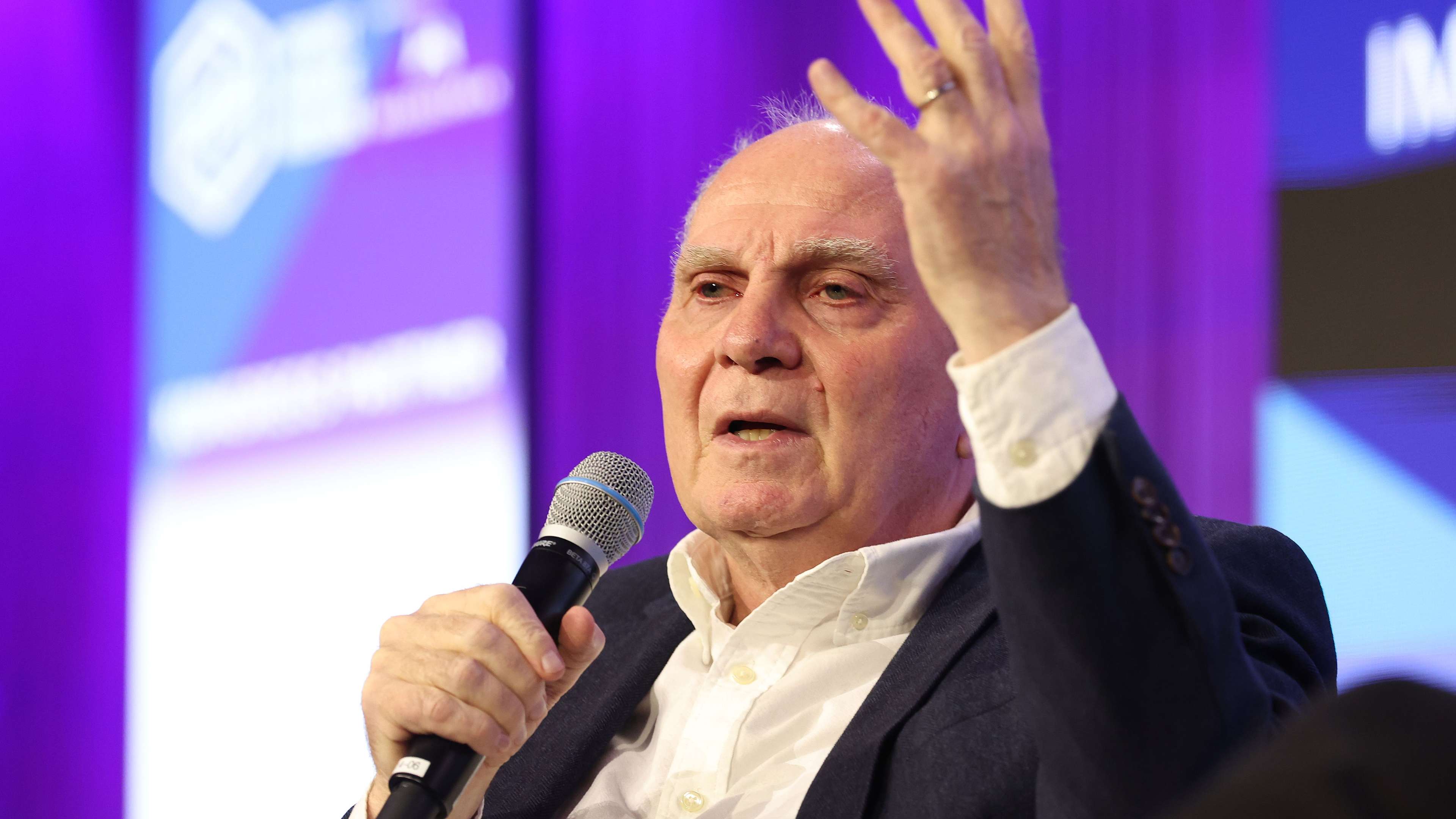
Hoeneß demanded swift action from multiple stakeholders. "The clubs, the DFB and politicians must act decisively to ensure this outrageous behaviour doesn't happen again," he declared on Sky Sports. His comments came after smoke from pyrotechnics obscured the pitch for extended periods, with the Bayern legend complaining that television viewers could not follow proceedings. However, his assertion that "the DFB isn't to blame" contradicted supporter grievances over the federation's pricing decisions, highlighting the ongoing tension between club hierarchies and fan movements across German football.