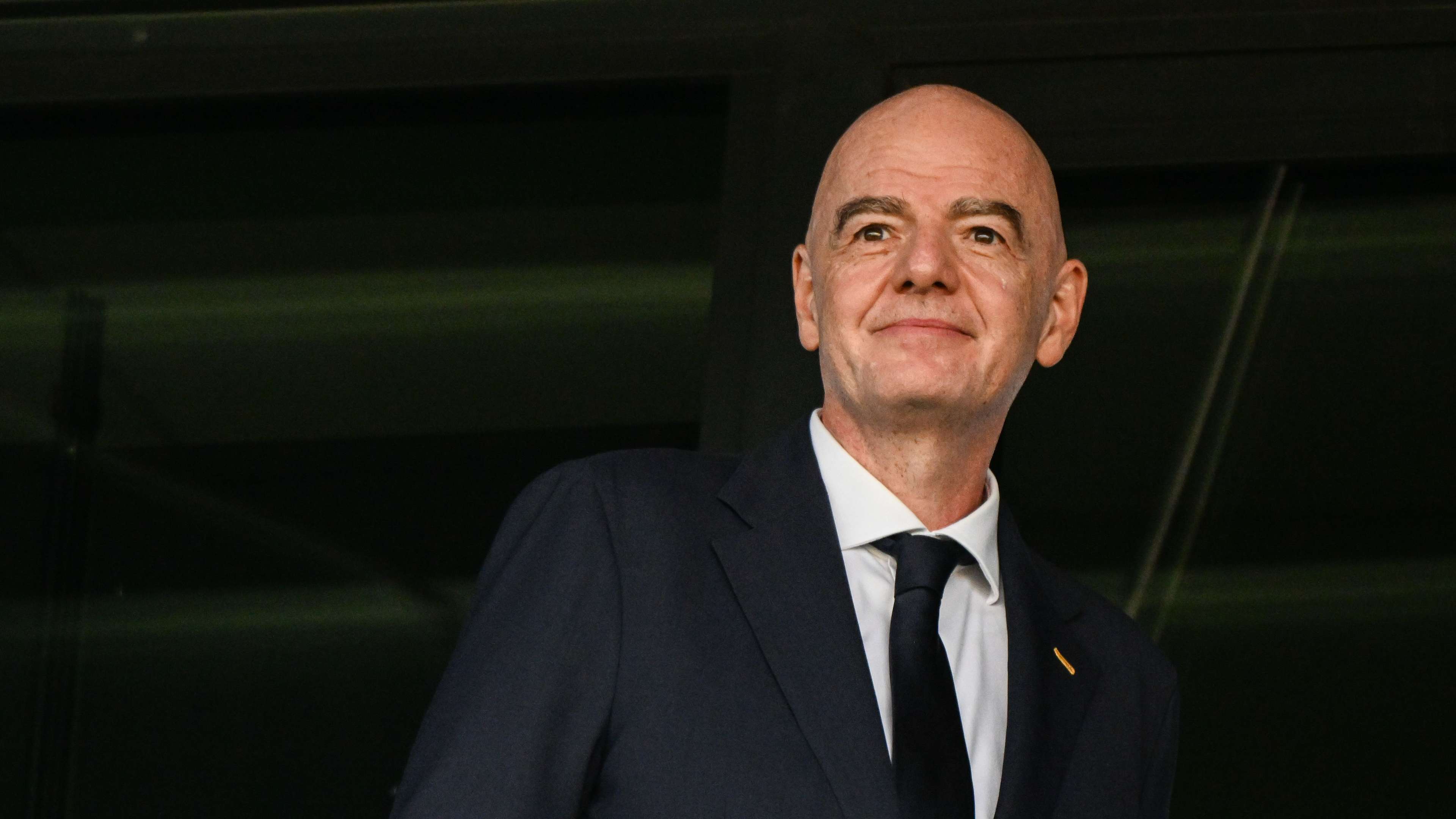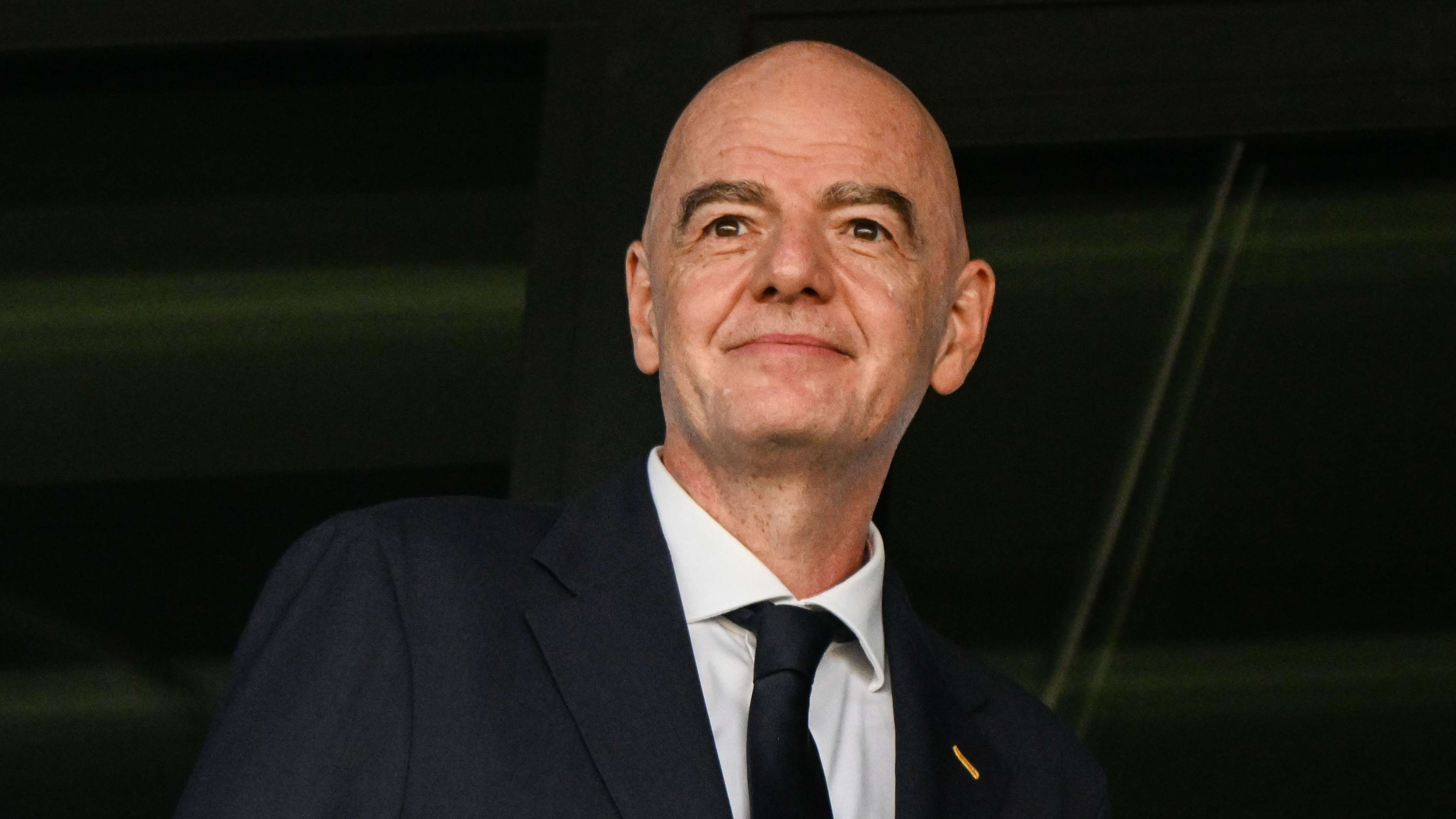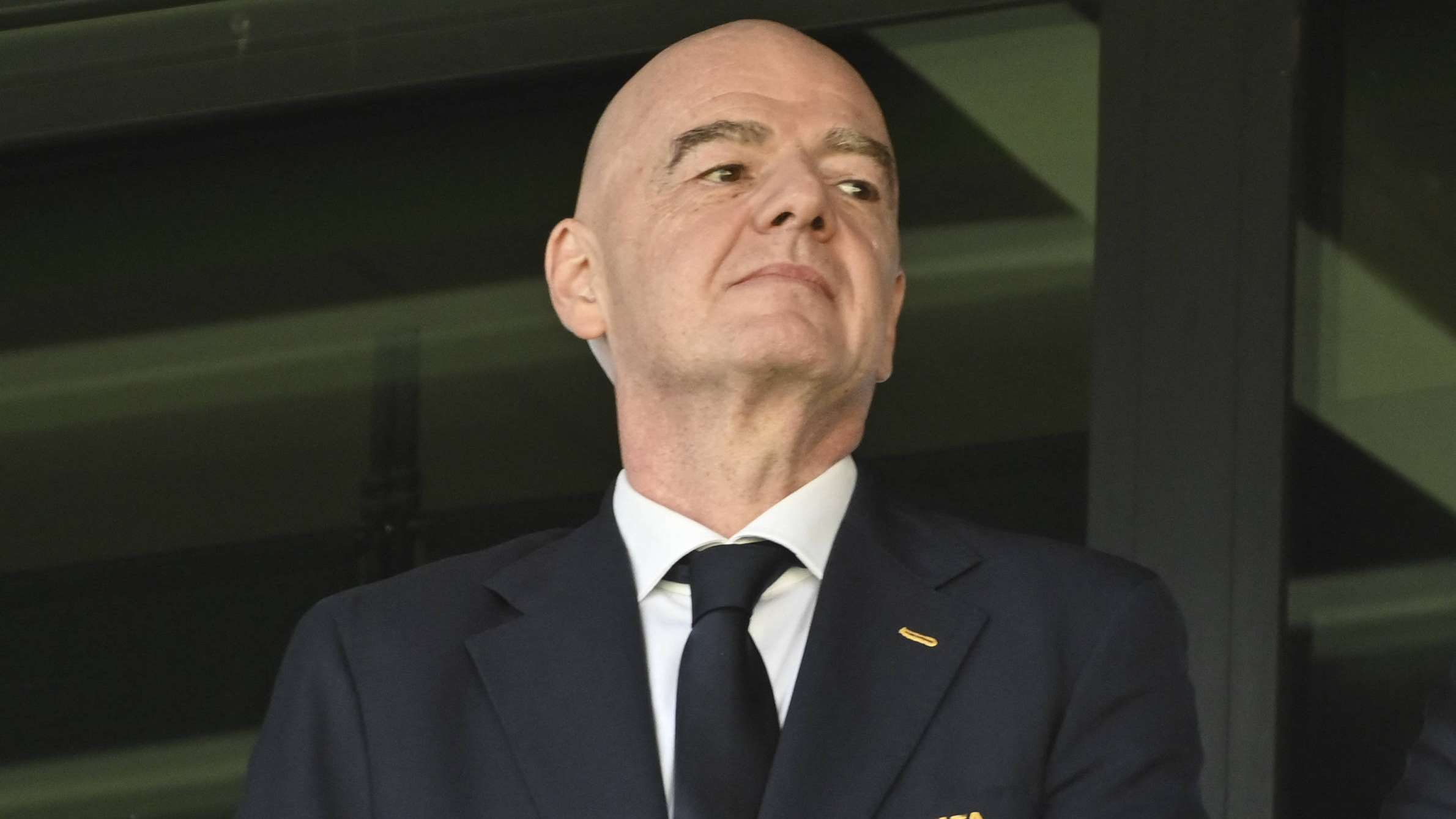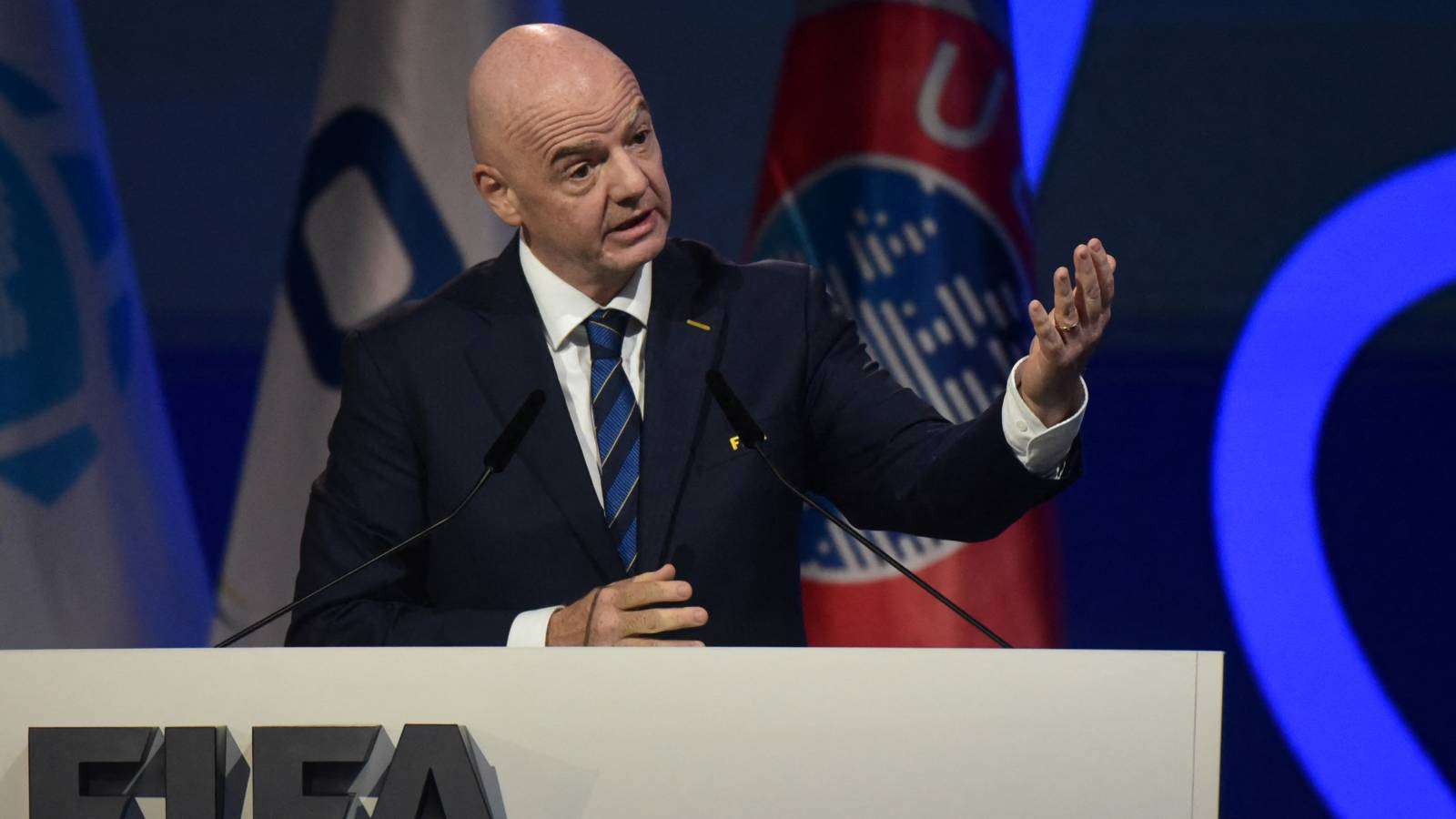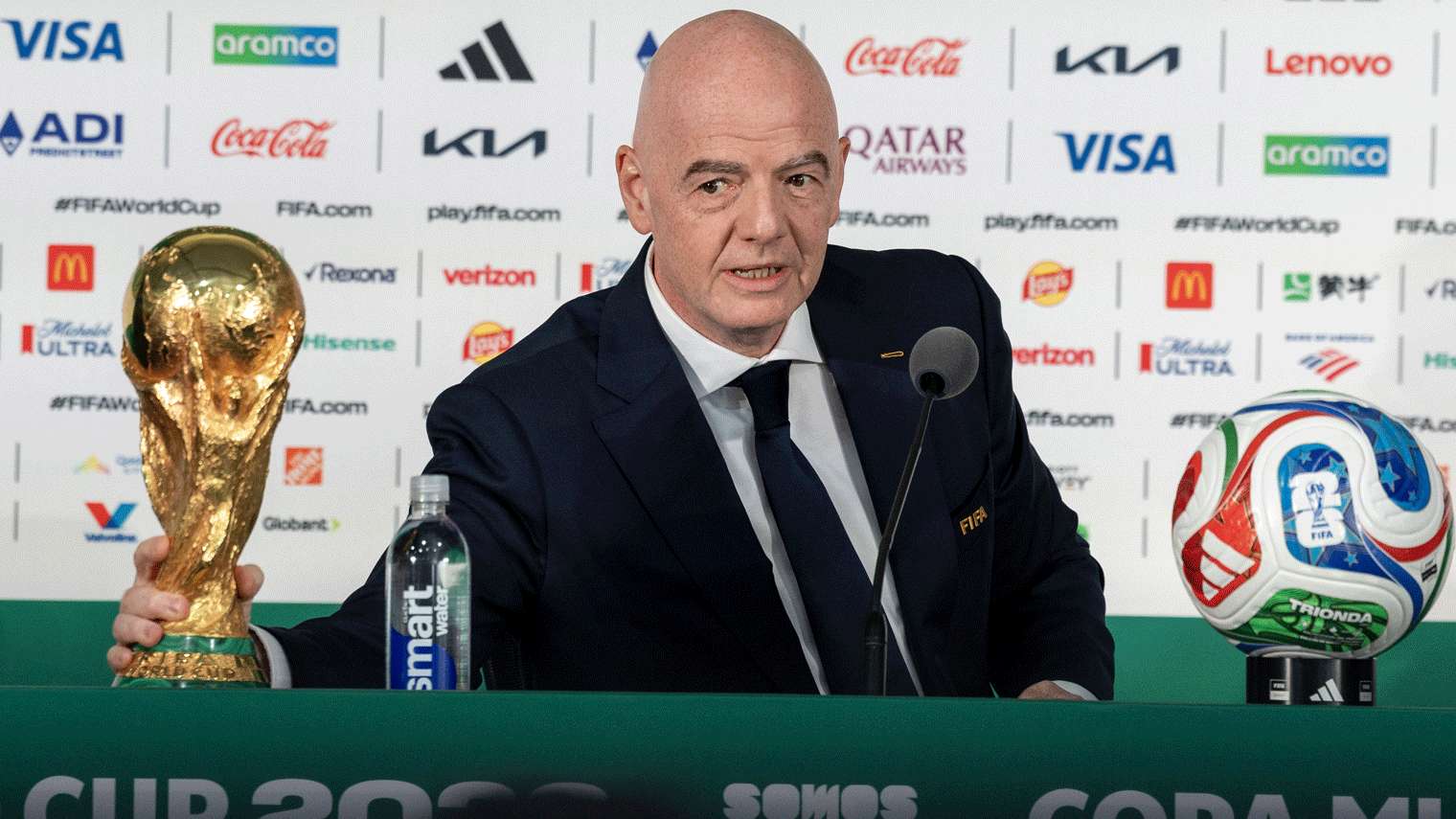
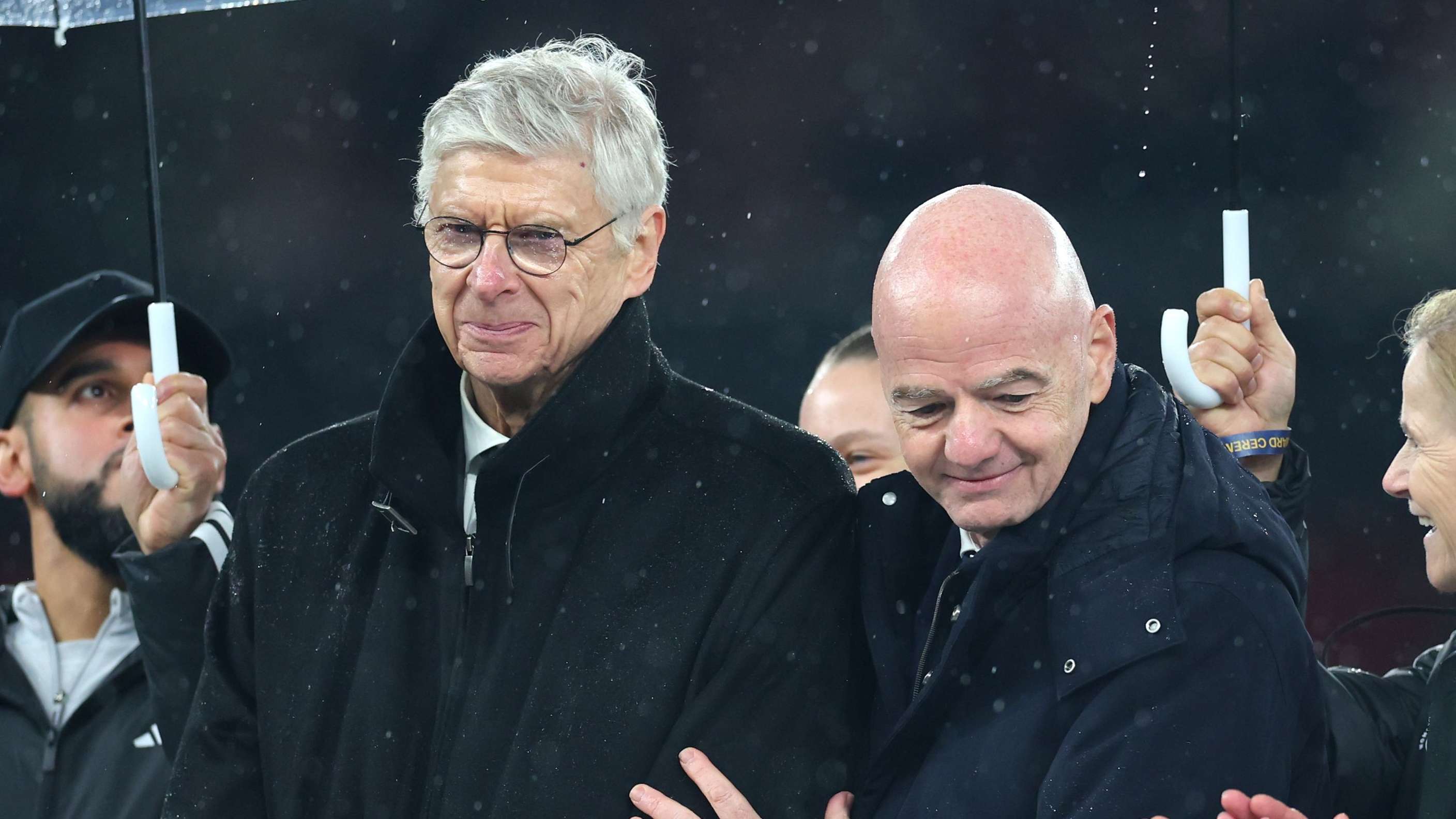
Arsene Wenger has surfaced as an unexpected challenger to Gianni Infantino in the race for FIFA presidency, according to reports from The Times. The legendary French football executive, who commands significant respect across the global game, is being actively positioned as a potential rival ahead of the March 2025 elections when FIFA members will vote for their leader.
Infantino currently holds a commanding position in his bid for re-election, growing increasingly confident of retaining his post despite ongoing ethics complaints and scandals that have shadowed his tenure. The FIFA president has shown no intention of stepping aside, cementing his determination to secure another term at world football's governing body.
The Search for a Credible Challenger
Opposition factions remain hopeful that a serious candidate will emerge before nominations close on 18 November. Several high-profile figures have already ruled themselves out of contention. Nasser Al-Khelaifi, head of the European Club Association, declined to enter the race, while Victor Montagliani, who leads the North, Central American and Caribbean football confederation, has similarly indicated he will not challenge the incumbent. Aleksander Ceferin will instead pursue another term as UEFA president rather than pursue FIFA's top job.
Prince Ali bin Al Hussein, who previously contested against Infantino in the 2015 presidential election, remains a possibility, though his intentions for a second attempt remain uncertain. However, insiders now believe Wenger represents a more compelling option—a figure with unparalleled credibility in football administration and development.
Why Wenger Commands Global Respect
Wenger's influence extends far beyond his storied 22-year tenure at Arsenal. In his current role directing FIFA's global development initiatives, he has earned universal admiration from federations, clubs, and football professionals worldwide. His strategic vision, combined with his unblemished reputation and deep understanding of the sport's complexities across different continents, positions him as a figure capable of bridging regional and commercial divides—something Infantino's polarizing leadership has struggled to achieve.
The nomination deadline approaches rapidly, and football's political landscape remains fluid. Whether Wenger accepts this overture will determine whether Infantino faces genuine electoral competition or simply consolidates power in March's vote.