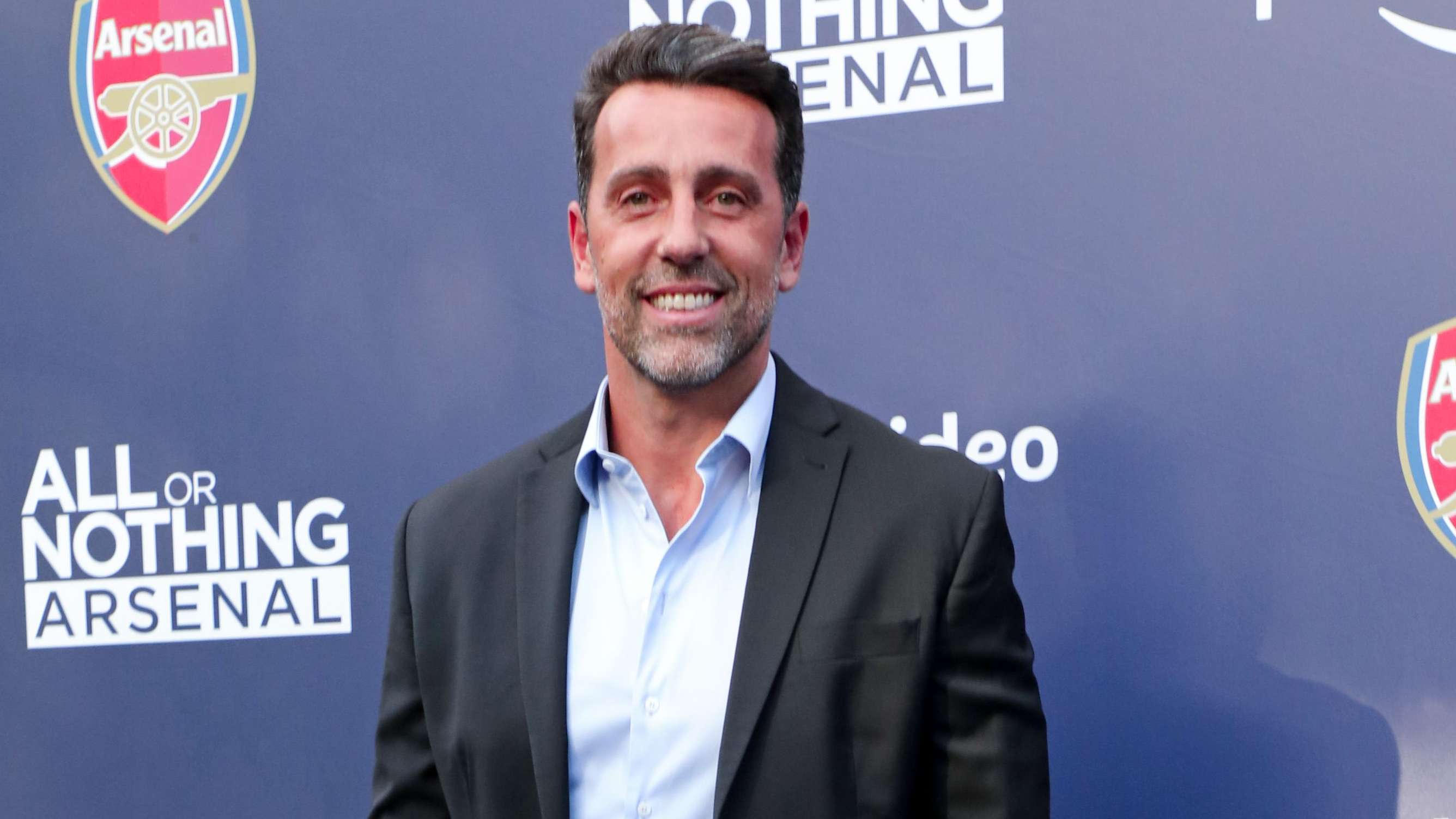
Edu, the former Arsenal sporting director, has officially departed Nottingham Forest following the termination of his contract after a tumultuous year leading the club's global football operations. The Brazilian executive's exit concludes one of the most unstable managerial periods in the club's recent history, marked by four different managers and a dramatic slide from European contention into a relegation fight.
The 48-year-old had been sidelined for months before his formal departure, with reports indicating he had not attended a match since February or visited the City Ground since early March. George Syrianos, the Chief Football Officer, has assumed Edu's expanded responsibilities, negating the need for a direct replacement. This transition mirrors the departure of Ross Wilson to Newcastle United in October, further dismantling the sporting infrastructure that Edu was meant to stabilize.
A Collapse From Champions League Contention
Edu's reign began promisingly under Nuno Espirito Santo, with Forest challenging for a Champions League spot during the 2023-24 campaign. However, tension between the manager and director sparked Nuno's exit, triggering an unprecedented managerial carousel. Ange Postecoglou lasted just 39 days before Sean Dyche took over, only to be dismissed in February. Vitor Pereira followed, then Oliver Glasner arrived from Crystal Palace—a cycle that left the club searching for tactical consistency and organizational clarity.
Transfer Strategy in Question
Beyond managerial turmoil, Edu's transfer record drew significant criticism. Despite substantial financial resources, high-profile signings including Douglas Luiz, Omari Hutchinson, and Oleksandr Zinchenko failed to deliver expected impact. This recruitment failure starkly contrasted with Edu's successful tenure at Arsenal, where he earned recognition for building a competitive squad that challenged for the Premier League title. Between 2019 and November 2024, he had established himself as one of Europe's most respected football executives, first as Technical Director and later as Sporting Director under Mikel Arteta.
The Brazilian's downfall at the City Ground represents a dramatic reversal from his playing and administrative pedigree. As a midfielder for Arsenal's legendary 2003-04 Invincibles side, he transitioned into boardroom roles, serving five years as Corinthians' director of football and three years as general coordinator for the Brazil national team. His Forest experiment has left questions about whether elite club success translates to managing ambitious multi-club ownership models amid financial and organizational pressures.