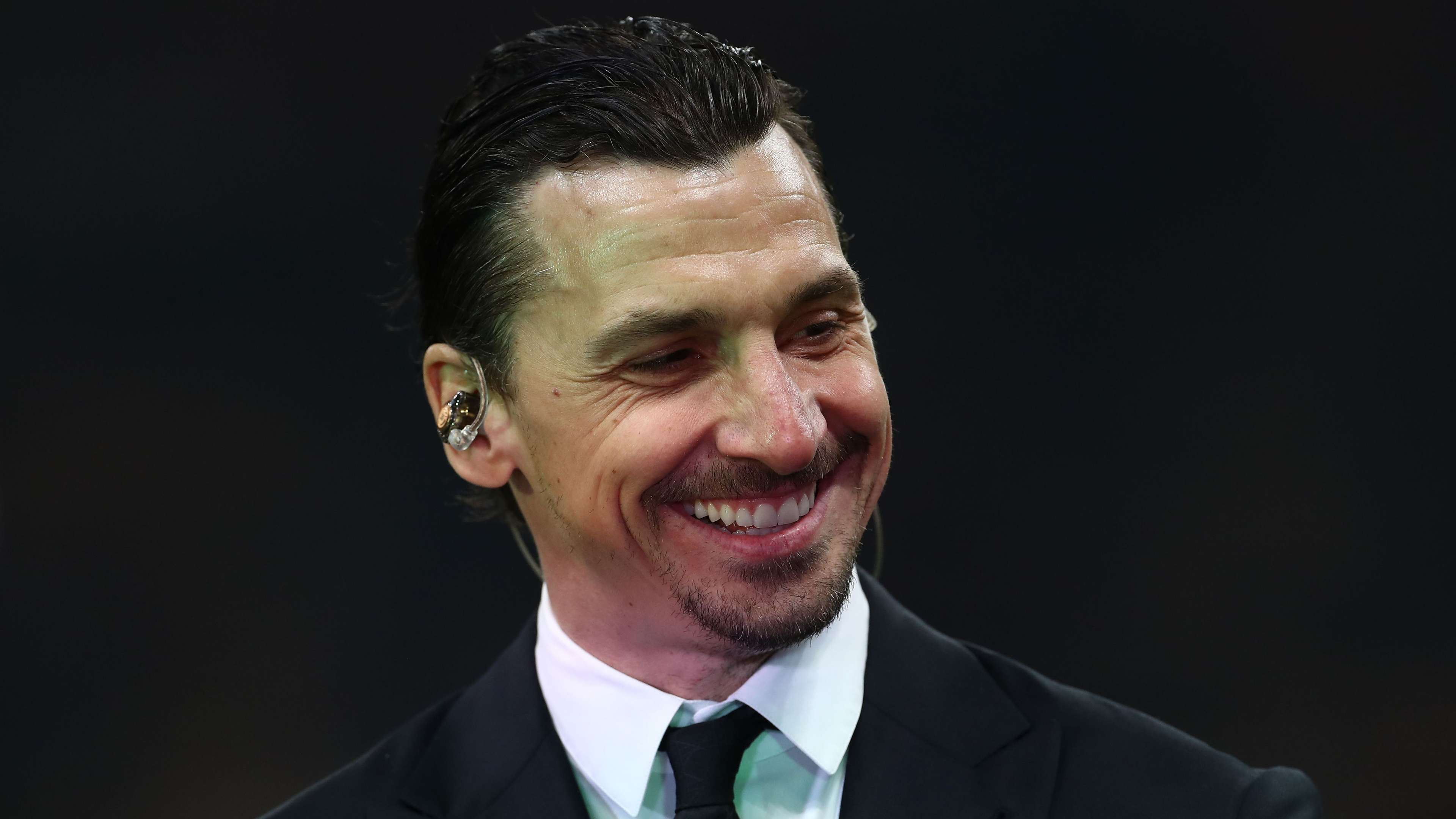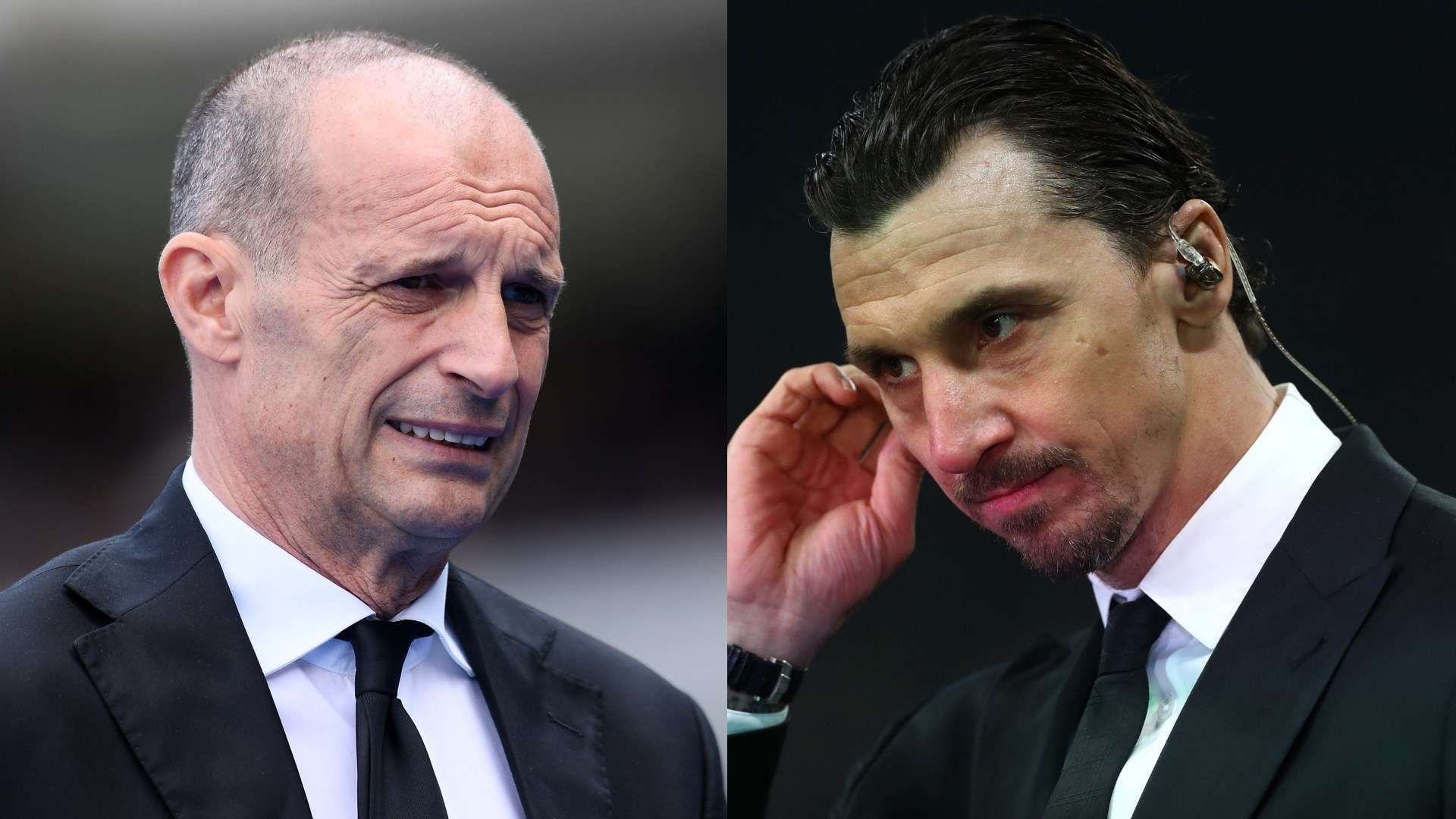
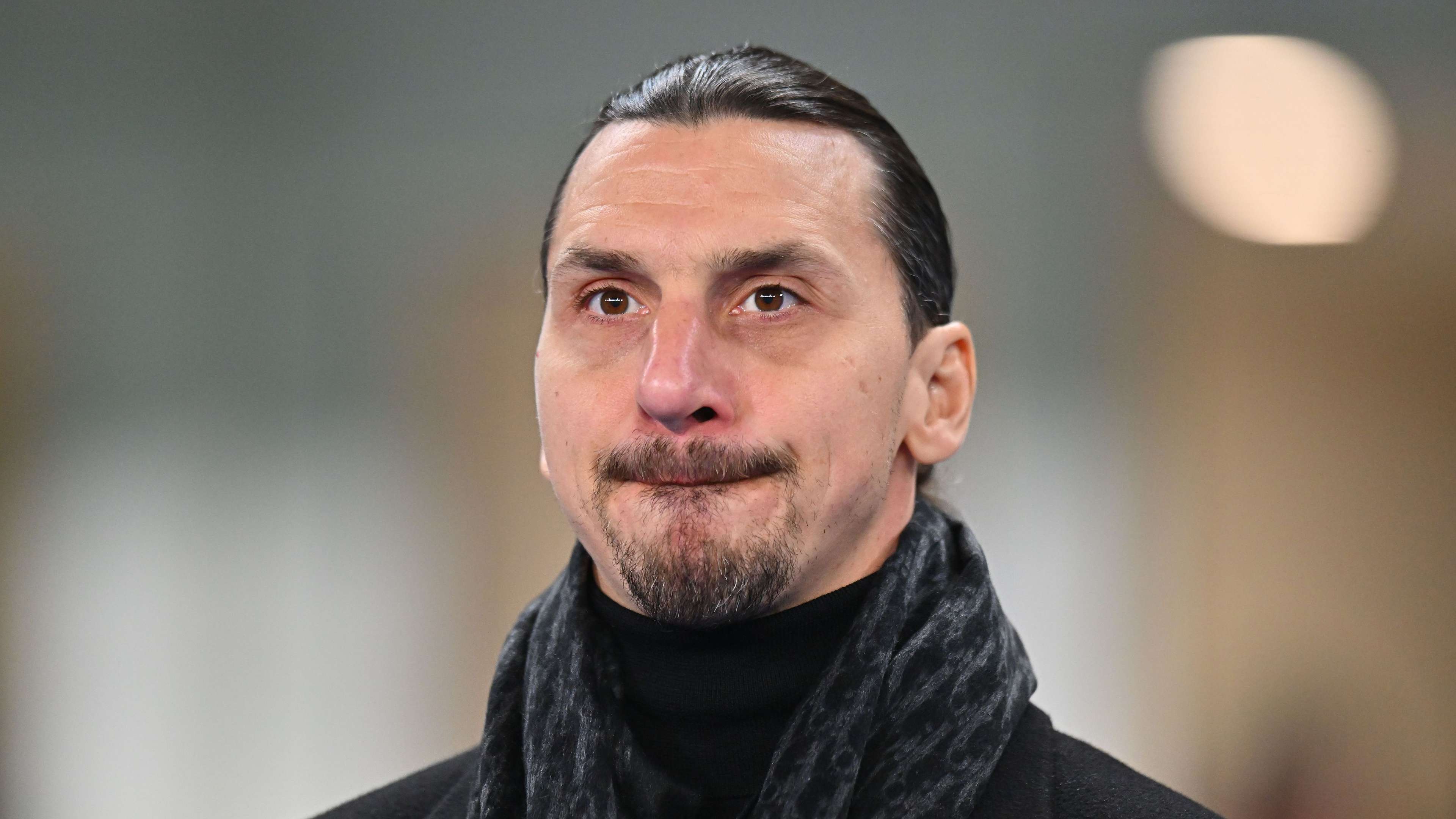
AC Milan owner Gerry Cardinale is orchestrating a sweeping overhaul of the club's structure that threatens to reshape the role of Zlatan Ibrahimovic, the Swede's influence hanging in the balance as the American investor takes direct control of sporting decisions. After a disappointing season, Cardinale has abandoned his hands-off approach and is now deeply involved in day-to-day operations, signalling a fundamental shift in how the Rossoneri operate at the highest level.
From Delegation to Direct Control
For years, Milan's management model relied on dispersed authority, with various executives wielding considerable autonomy while Cardinale maintained distance from the pitch-level decisions. That era is ending. The owner has intensified his presence in Italy, conducted extensive departmental meetings, and initiated a collective decision-making framework where all choices flow through his office. This architectural shift extends beyond cosmetic adjustments—it represents a genuine recalibration of institutional power.
The summer transfer window reflects this new philosophy. Signings including Gonçalo Ramos, Diego Moreira, and Mario Gila demonstrate Cardinale's commitment to investing and rebuilding. The arrival of Ruben Amorim as coach, paired with his mandate to shape the squad to his tactical requirements, underscores the owner's intent to provide resources while maintaining oversight. Milan spent significant capital on proven talent—a departure from previous recruitment patterns that lacked coherent long-term vision.
Ibrahimovic's Precarious Position
Since returning to Milan as an advisor, Ibrahimovic carved out a uniquely influential role within the club structure. His charisma, history as a legendary striker, and personal rapport with Cardinale afforded him privileged access and considerable sway over sporting affairs. Yet Cardinale's new institutional design—one centred on distributed responsibility rather than individual authority—directly challenges that arrangement. The prospect of appointing a dedicated head of the football sector with deep management experience would fragment the concentrated power Ibrahimovic currently enjoys.
This restructuring does not necessarily signal his removal from the club. The relationship between Ibrahimovic and Cardinale remains solid. Instead, the transformation aims to redefine his role within a more rigorous, hierarchical system. Milan's hierarchy would resemble established European models where specialist departments operate under unified strategic direction, rather than orbiting around a single influential figure. For Ibrahimovic, that shift represents a diminishment of autonomous influence, though not necessarily exile.
Cardinale's quiet revolution reflects a broader maturation of Milan's ownership structure, moving from the experimental phase toward institutional stability. The next 12 months will reveal whether this collective approach produces sporting success under Amorim or whether the loss of Ibrahimovic's intuitive decision-making proves costly in Serie A's competitive landscape.