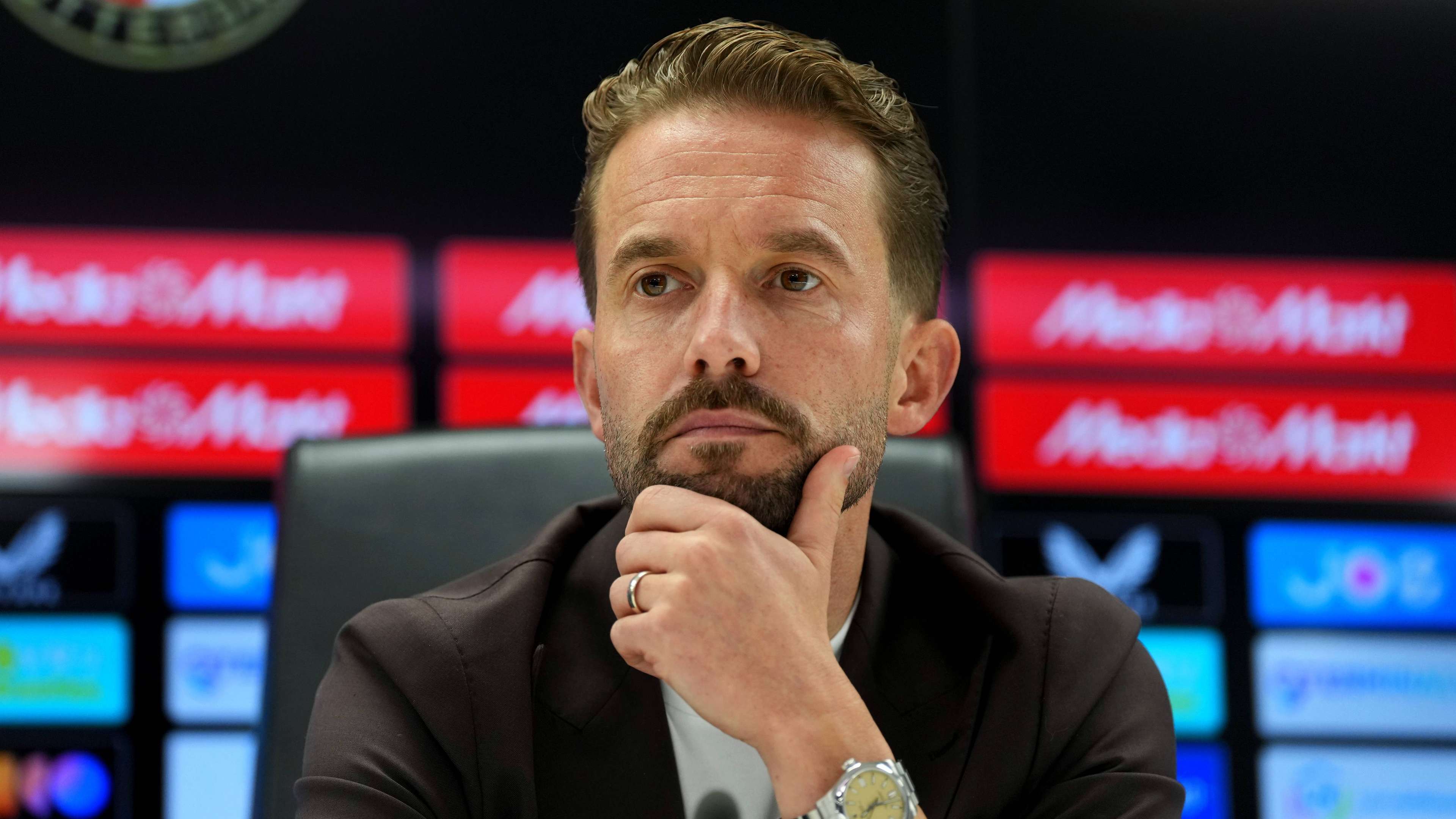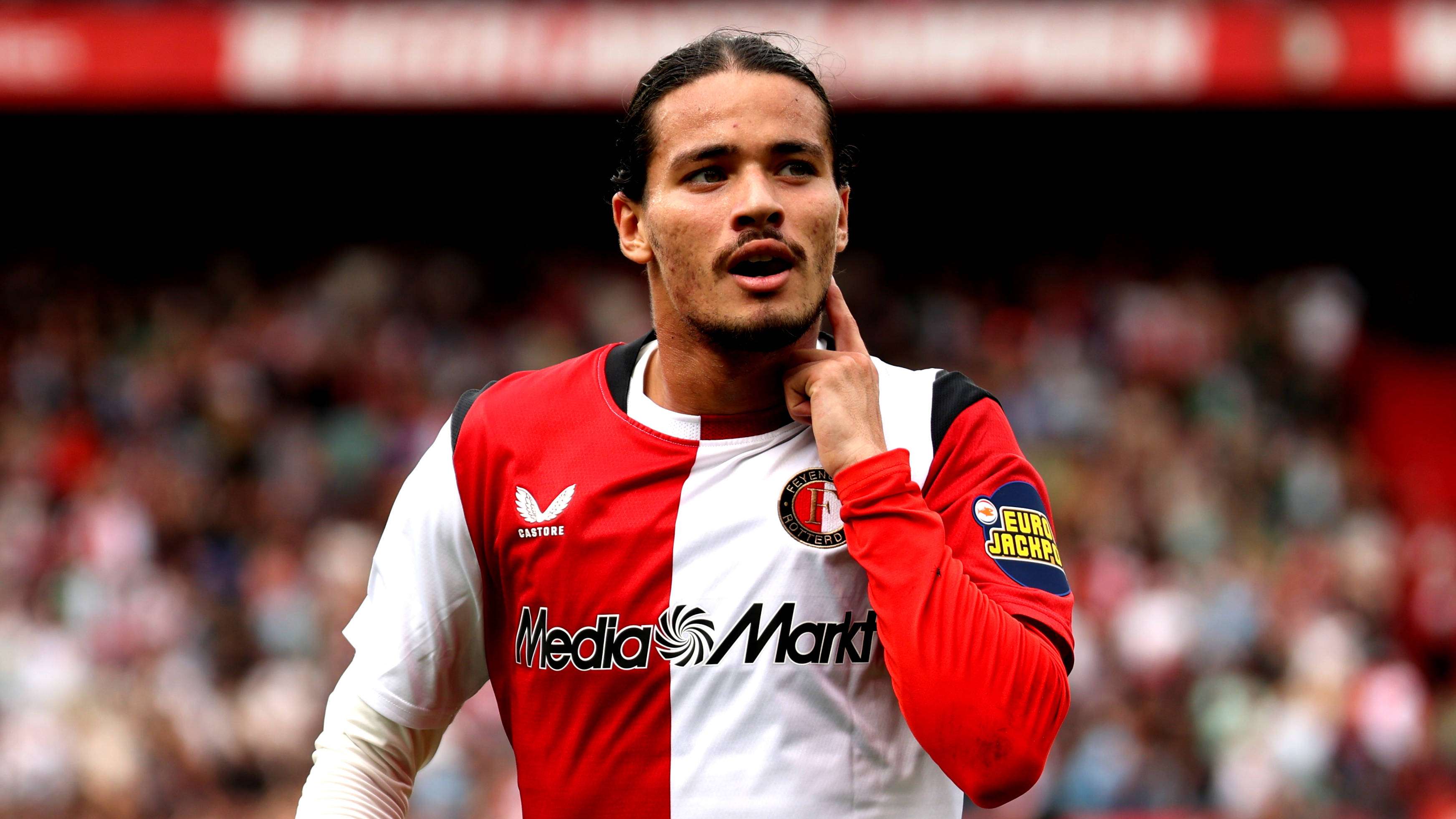
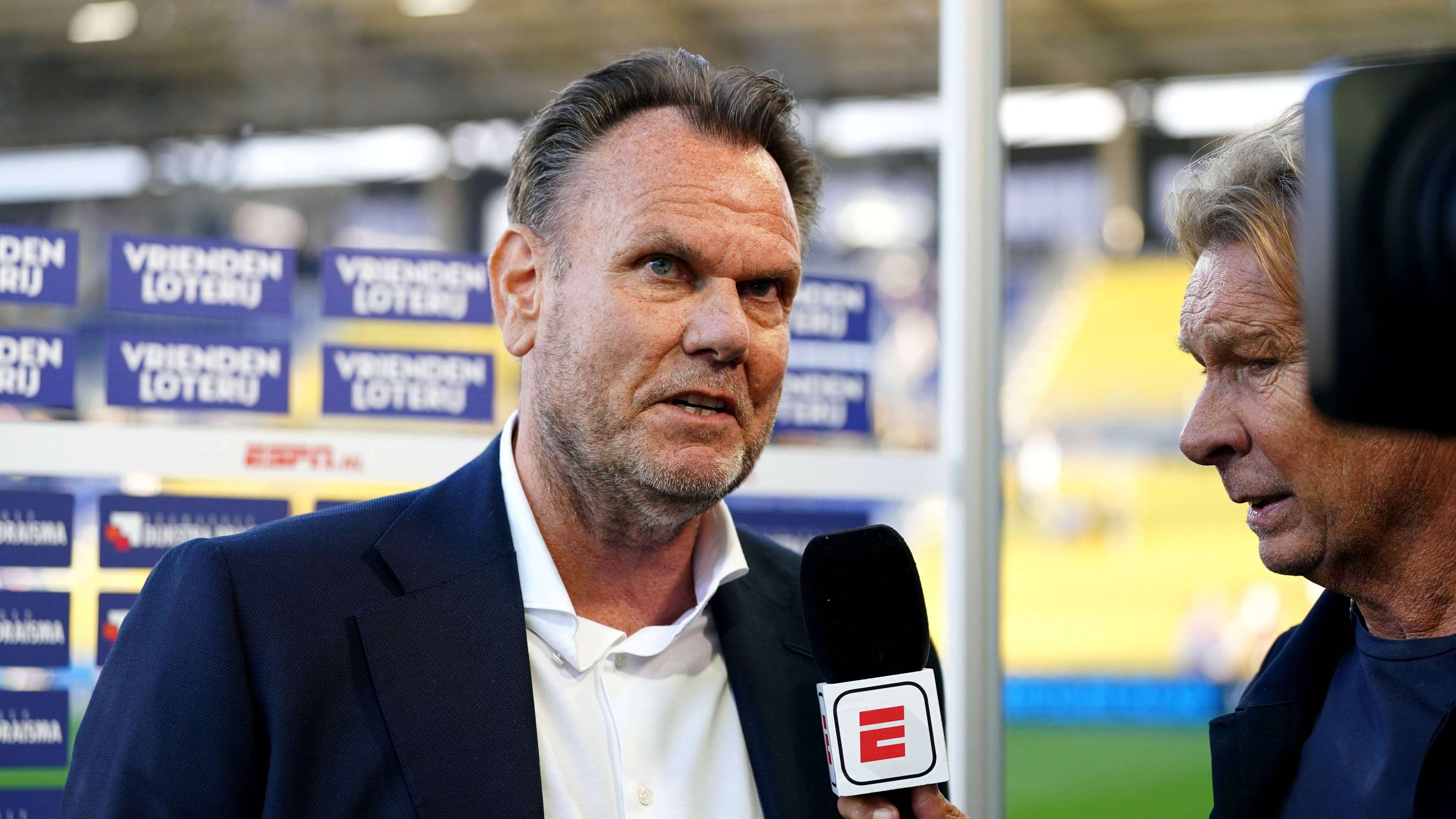
Mike Verweij and Valentijn Driessen launched a scathing critique of Feyenoord's transfer strategy on Monday, claiming technical director Robert Eenhoorn deliberately sabotaged the Hadj Moussa deal to Al-Ittihad to serve the interests of the club's majority shareholders, Friends of Feyenoord.
The Telegraph commentators argued that predecessor Frank Te Kloese had assembled a squad worth approximately €120 million and generated significant transfer revenue. With funds from the failed Moussa sale included, Feyenoord possessed €40 million in available resources. Rejected bids included €25 million for Ueda (sold to Lille for less), approximately €35 million for Read, and €20 million from Hull City for Tarhalline. Verweij contended that efficient player sales would have positioned the Rotterdam club far more competitively in the market.
Friends of Feyenoord's Hidden Influence
Driessen drew attention to the complex ownership structure shadowing recent decisions. Friends of Feyenoord hold 49 percent of shares, and club regulations require them to buy additional equity whenever Feyenoord posts a positive transfer balance. This creates a perverse incentive: the shareholders actively resist major outgoings that would trigger automatic stake purchases. According to Driessen, Eenhoorn was handpicked by these stakeholders and therefore unlikely to act against their financial interests.
The director's alleged obstruction extended beyond mere indifference. Driessen claimed Feyenoord became deliberately unreachable during negotiations, with communication dragging out so long that Al-Ittihad could not complete the player's medical examination. While the club cited a rejected bank guarantee, Driessen dismissed this as pretext, noting that Saudi Arabian clubs have consistently demonstrated financial stability across major transfer windows.
Institutional Conflict of Interest
The fundamental issue, according to both analysts, reflects a broader governance failure. When shareholders profit from maintaining the status quo rather than strategic player sales, decision-makers face competing loyalties. Eenhoorn's previous reluctance to buyout Friends of Feyenoord's stake suggested alignment with retaining current ownership rather than maximizing competitive resources. This structural conflict undermines the transfer window's effectiveness and raises questions about whether technical leadership serves the club's sporting ambitions or shareholder convenience.
Feyenoord now faces a window where lost revenue opportunities and stalled negotiations could leave them scrambling to build squad depth for the remainder of the season.