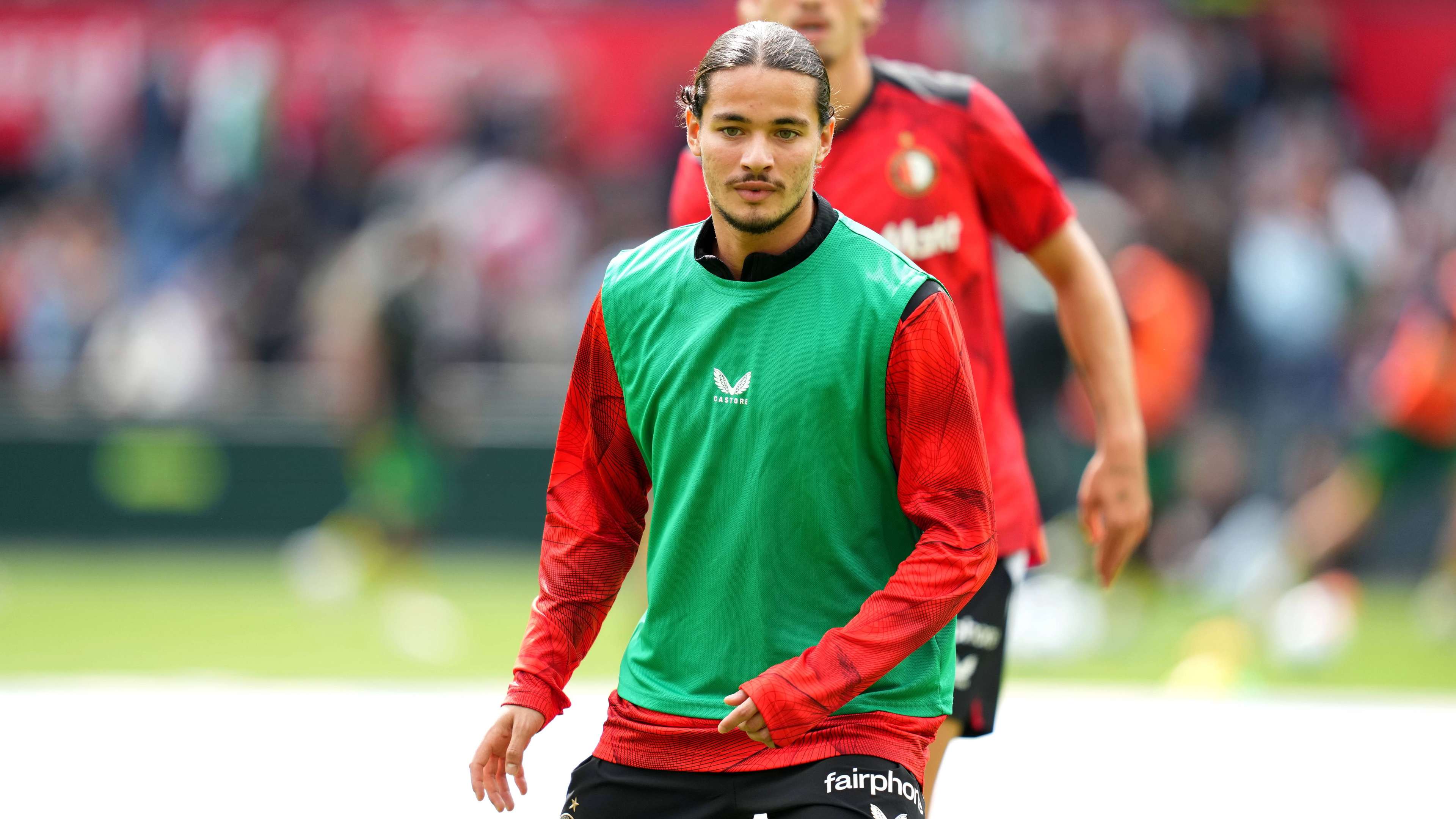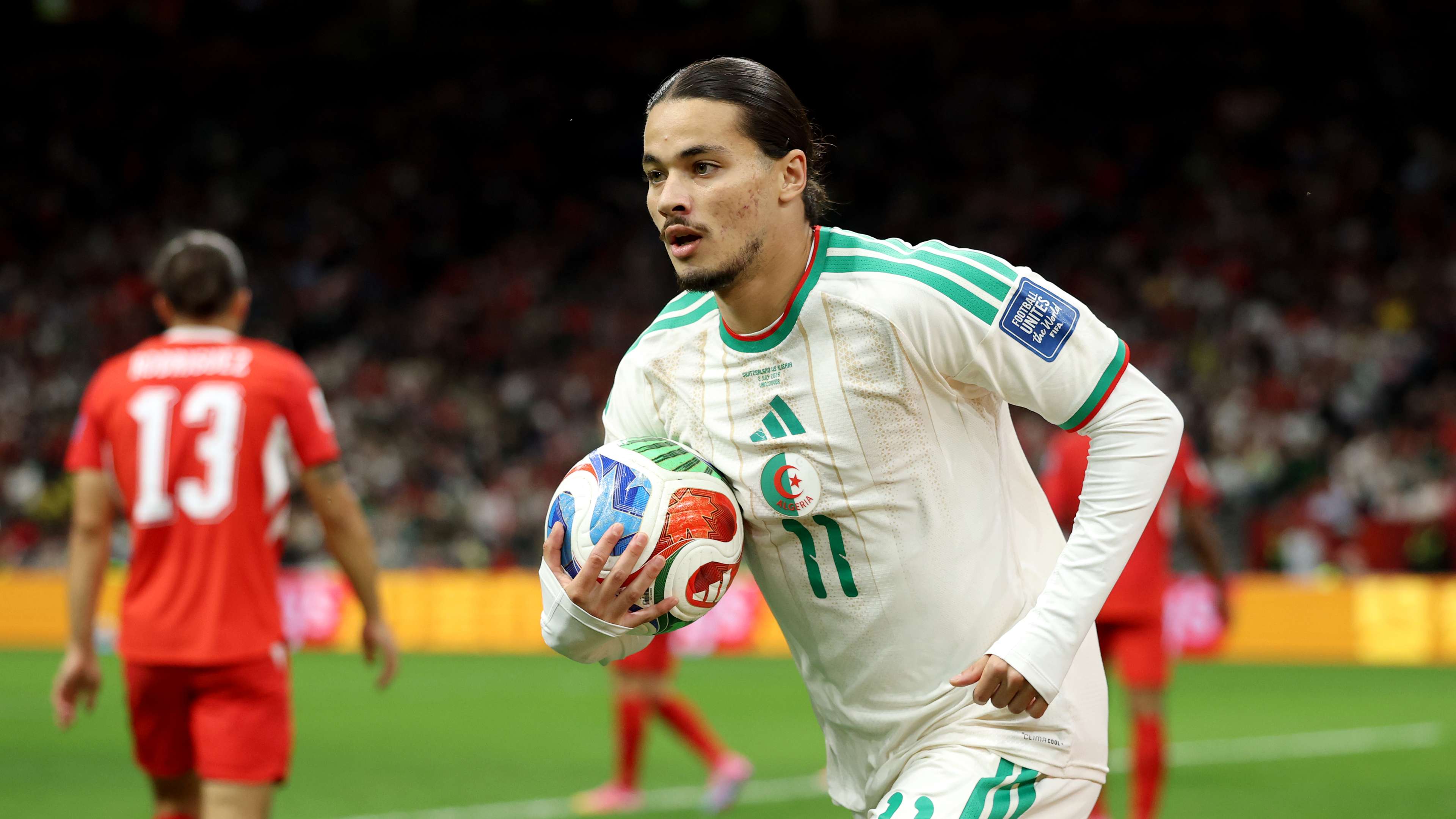

Anis Hadj Moussa's potential move to Al-Ittihad collapsed after the Saudi Pro League club refused to provide a bank guarantee, costing Feyenoord up to €42.5 million in transfer revenue. The Dutch pundit Johan Derksen has strongly criticised the Rotterdam club's decision to block the deal, arguing they should have facilitated the winger's departure to Saudi Arabia.
Speaking on the podcast Groeten uit Grolloo, Derksen outlined the financial opportunity Hadj Moussa was forgoing by remaining in the Eredivisie. The right winger had been offered a lucrative five-year contract worth approximately €50 million—a figure entirely unattainable within Dutch football's current economic landscape. "That is impossible here," Derksen remarked, highlighting the stark wage disparity between European and Middle Eastern football. He questioned why Feyenoord would prevent a player from securing life-changing earnings when the club itself would likely accept such terms under different circumstances.
The Human Cost of Blocking the Transfer
Beyond the financial ramifications, Derksen emphasised the psychological toll on Hadj Moussa. By rejecting the Saudi offer, Feyenoord has retained an unhappy player who will harbour resentment toward the club. "You cannot hold back a lad like that," Derksen stated, adding that blocking personal advancement for perceived public relations benefits demonstrates misplaced priorities. The winger, described as "a decent right winger" rather than a world-class talent, will now wear the Feyenoord shirt while nursing frustration—hardly conducive to peak performance.
Co-host Henk Kuipers supported this view, suggesting the club could have reinvested the €42.5 million into winter signings rather than hoarding assets tied to an unhappy squad member. This pragmatic approach would have strengthened Feyenoord's long-term competitive position while respecting the player's career aspirations.
The Bank Guarantee Dispute
The technical obstacle—Al-Ittihad's refusal to provide a bank guarantee—reflects cultural and commercial differences between European and Saudi football. Derksen acknowledged Feyenoord's legitimate concerns, noting that such guarantees are standard practice in European transfers. However, he suggested Saudi clubs operate under different payment assumptions. "They are like: we always pay our bills," Derksen observed, pointing to the gulf in financial conventions. This miscommunication appears to have been fatal, leaving all parties frustrated and the Eredivisie winger stranded in limbo for the remainder of the season.
Hadj Moussa now faces an uncertain future at Feyenoord, where simmering resentment may define his contributions. The collapsed Al-Ittihad deal underscores how rigid transfer protocols can damage relationships and cost clubs substantial revenue when dealing with less-familiar markets.