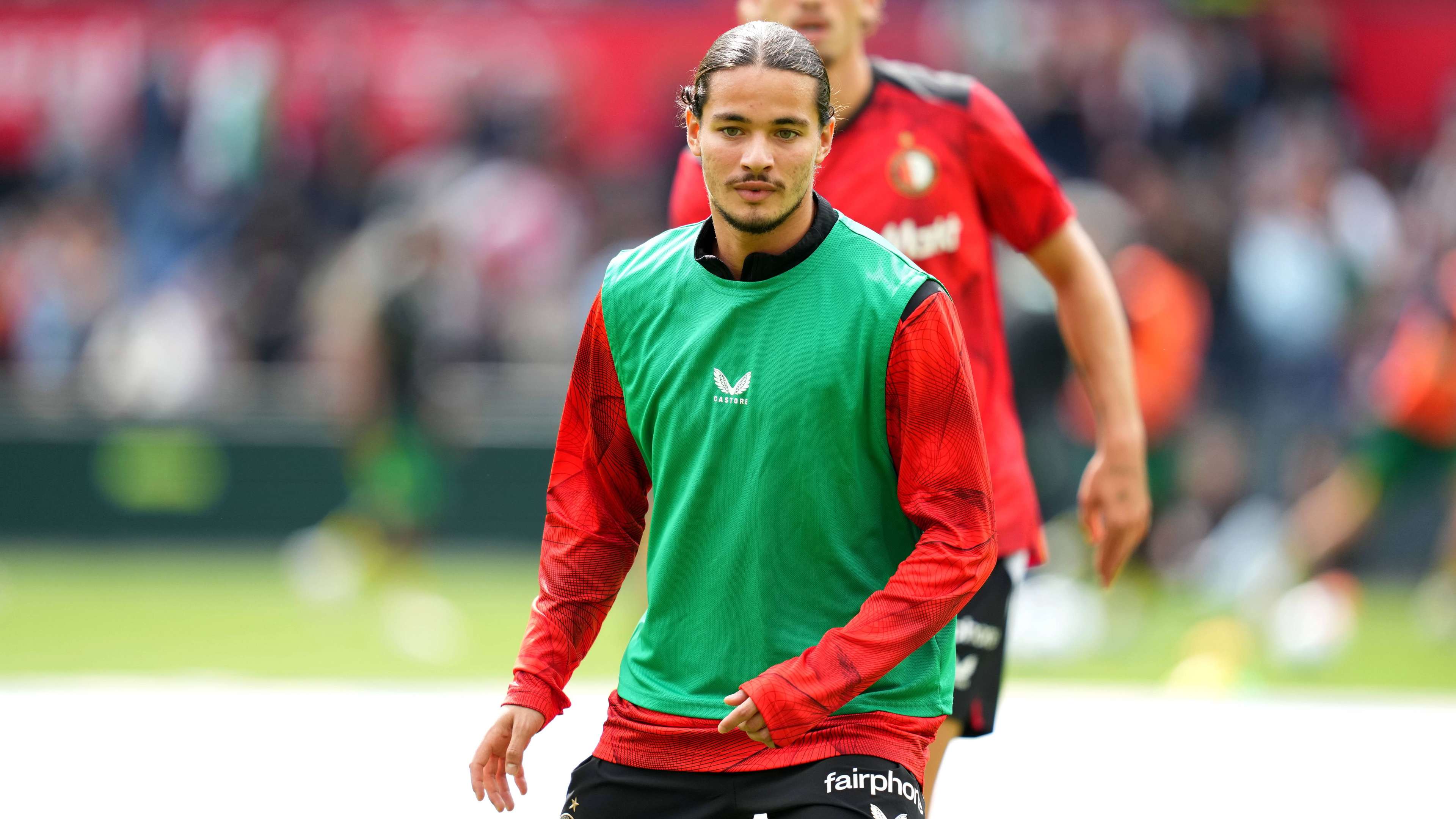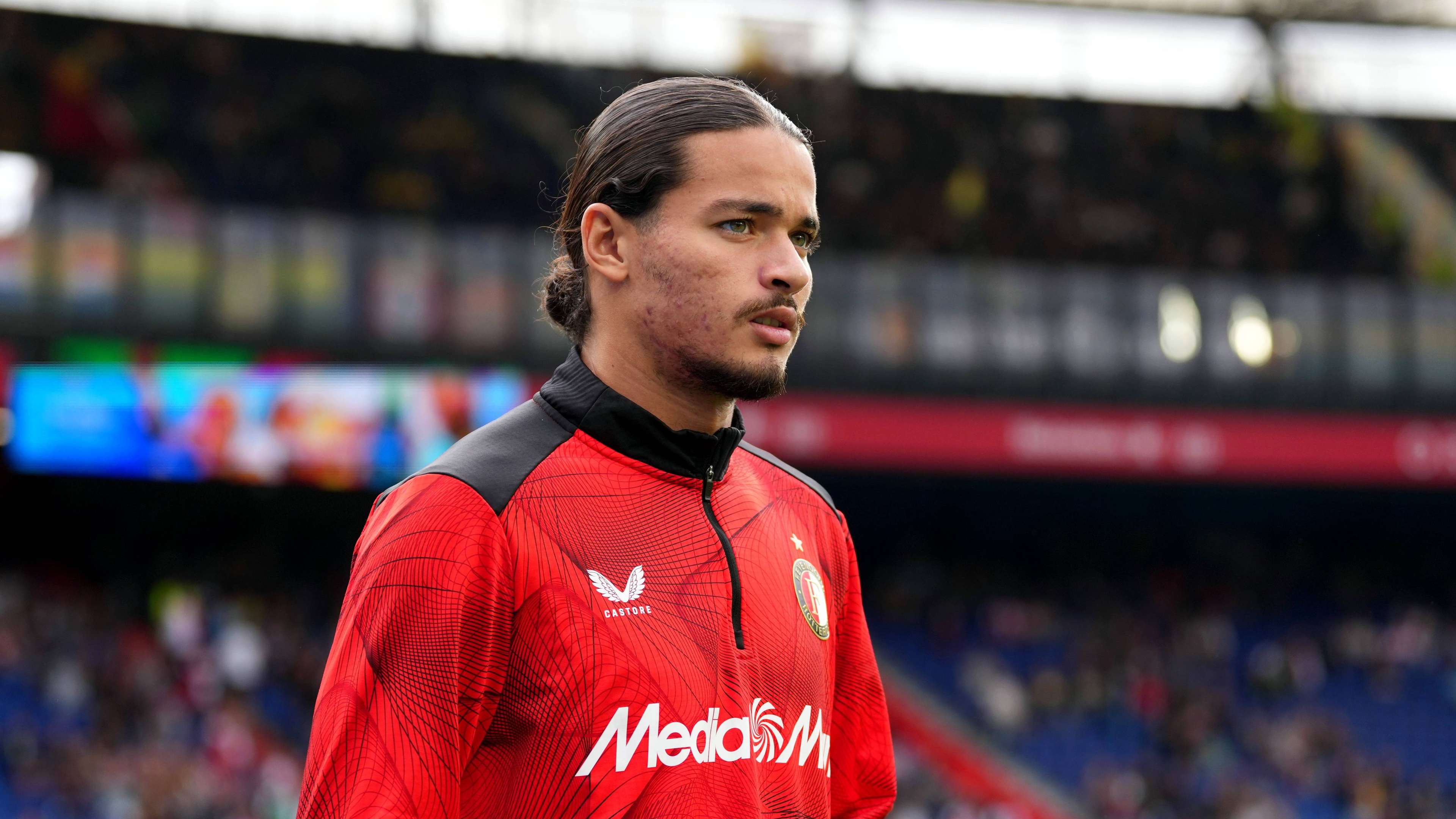

Anis Hadj Moussa's potential move to Saudi Arabia collapsed after Feyenoord demanded a bank guarantee from Ittihad Club, a request that apparently touched a raw nerve with the state-owned Saudi side. The Dutch winger looked set to complete the transfer, but the deal fell apart when the financial security Feyenoord sought never materialised, leaving Hadj Moussa to remain at Rotterdam for the remainder of the transfer window.
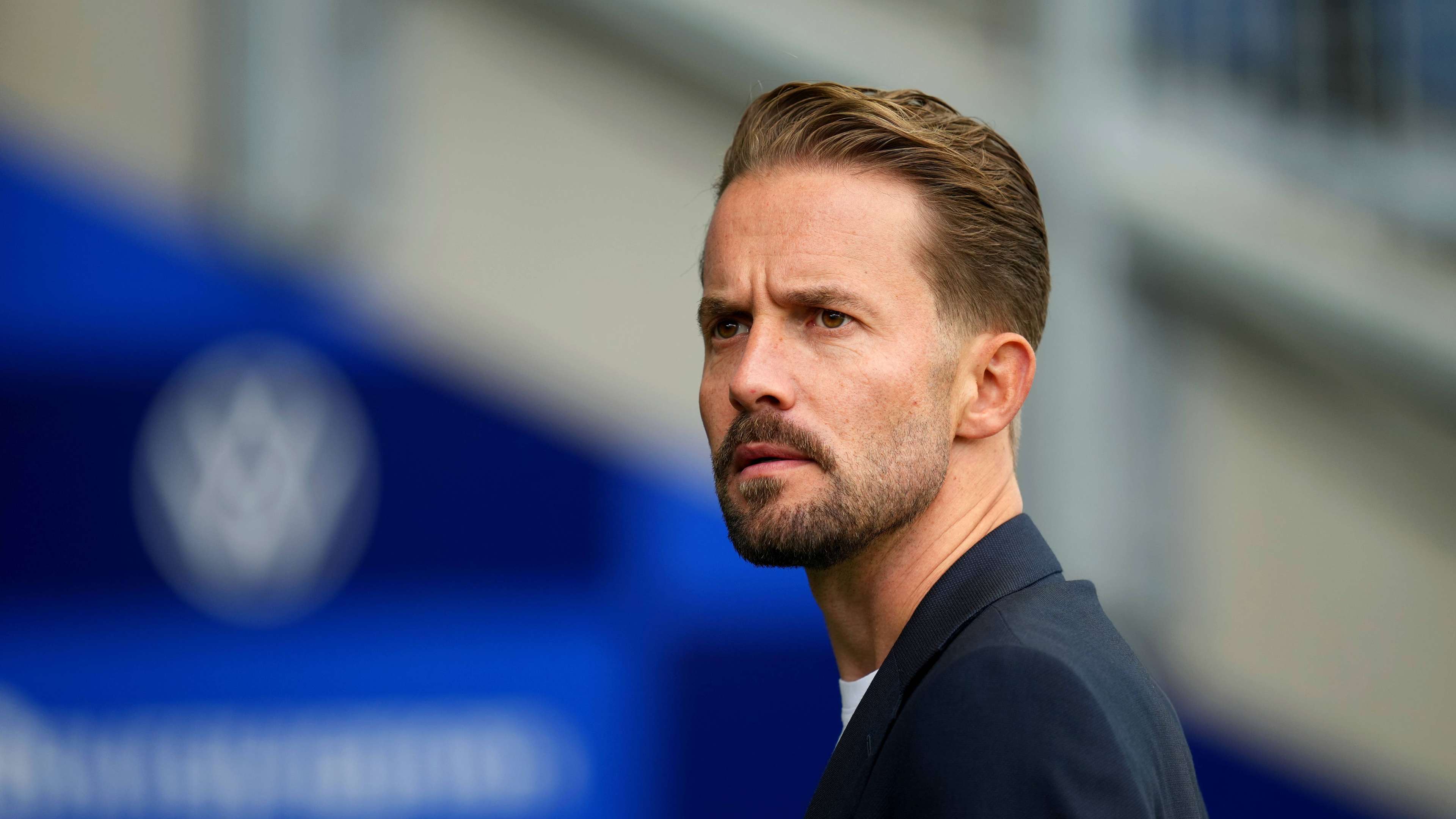
According to Kenneth Perez, the ESPN analyst who covered the saga on Dit Was Het Weekend, Ittihad Club interpreted Feyenoord's cautiousness as a serious slight. "If you ask a Saudi club owned by the state for a bank guarantee because you fear they cannot pay, they think: 'sorry, what?'" Perez explained. The fundamental issue centred on Feyenoord's concerns about financial reliability—a precaution typically reserved for clubs with questionable stability or payment histories.
Why Bank Guarantees Matter in Modern Football Transfers
Bank guarantees in football transfers serve a specific purpose: they protect selling clubs when major transfer fees are structured across multiple instalments. With a reported fee of approximately €40 million for Hadj Moussa, the payment would not arrive as a single lump sum. Feyenoord could have protected itself by releasing the player's licence only after receiving the first tranche, a standard practice in elite European football. However, the club's initial hesitation suggested deeper doubts about Ittihad's financial credibility.
Perez pointed out that Feyenoord had a readily available reference point: Ajax successfully negotiated with Ittihad Club over Steven Bergwijn's transfer, providing direct insight into the Saudi club's payment reliability. "They could have simply called Ajax and asked how dependable Ittihad is when it comes to settling invoices," Perez noted. Had Ajax provided reassurance, Feyenoord could have proceeded with confidence while maintaining staged payment protections.
A Missed Opportunity Amid Striker Departures
The collapse raised questions about Feyenoord's genuine commitment to the deal. Following Ayase Ueda's departure, the club needed attacking reinforcement, making Hadj Moussa's arrival particularly significant from a sporting perspective. Yet by insisting on guarantees without proper due diligence, Feyenoord surrendered a substantial financial opportunity. "You can hardly turn down that much money," concluded analyst Kees Kwakman, reflecting the tension between cautious financial management and pragmatic business sense. With Hadj Moussa staying put, Feyenoord must now navigate the remainder of the season with depleted offensive resources while exploring alternative recruitment pathways.