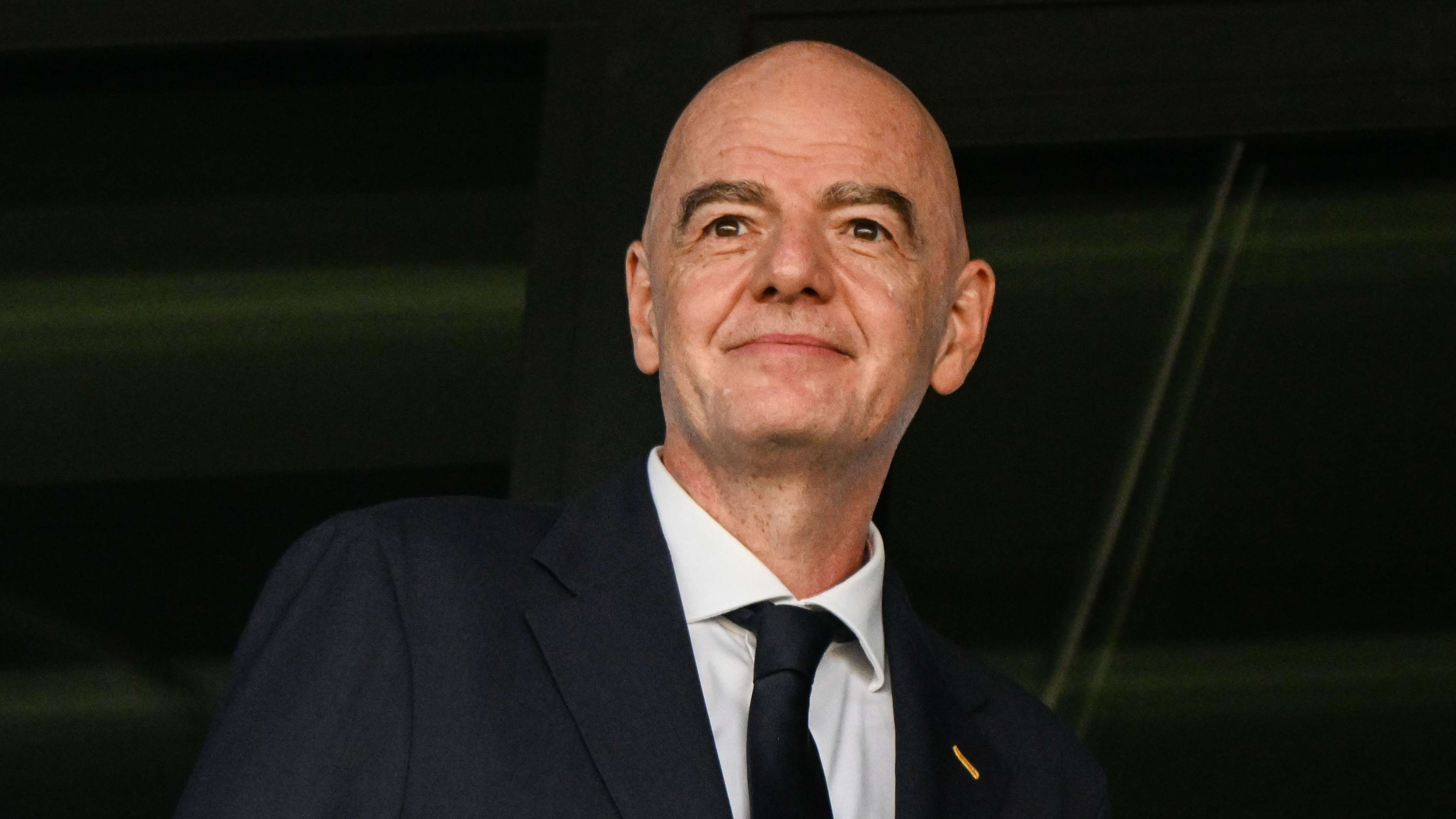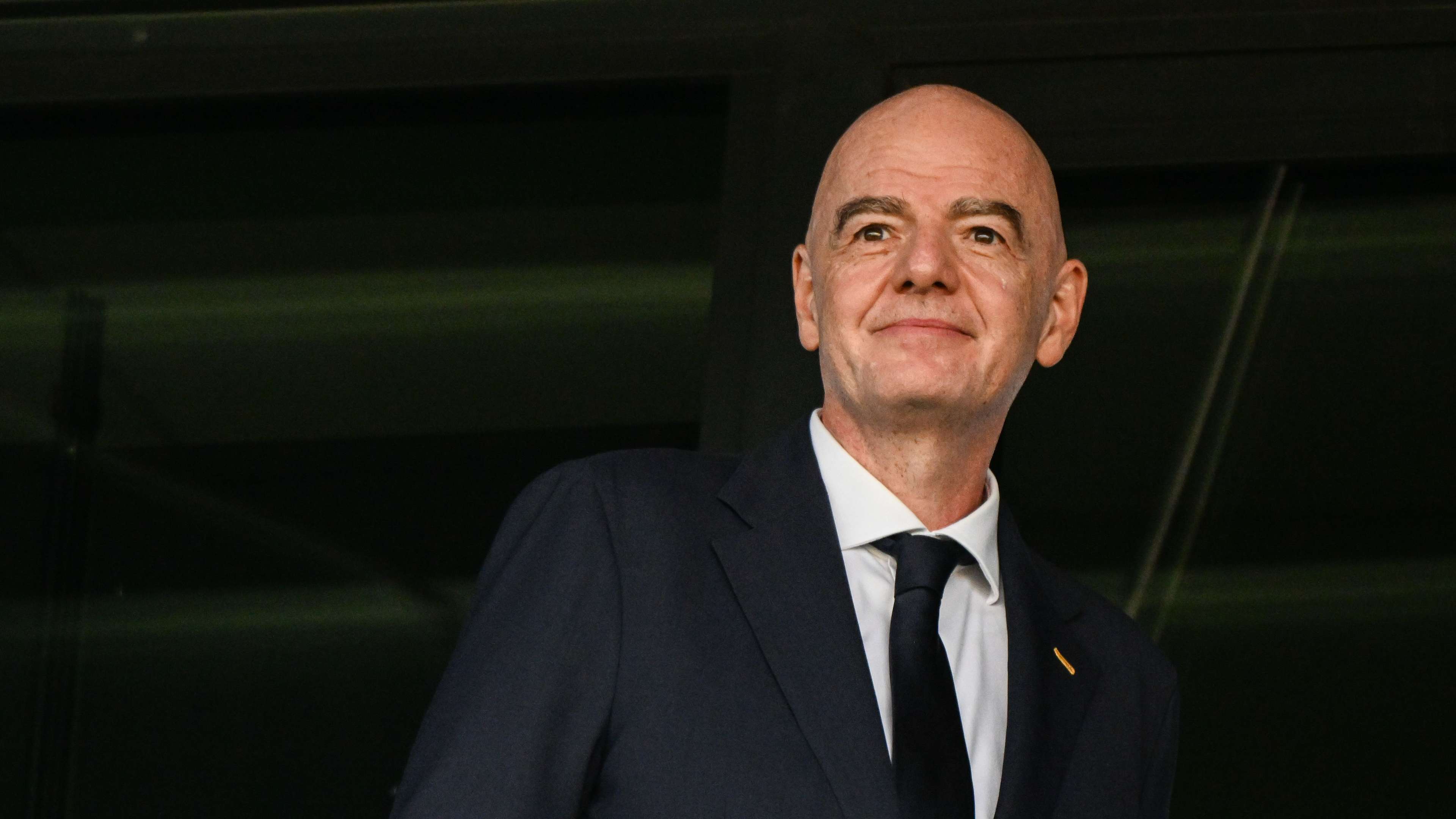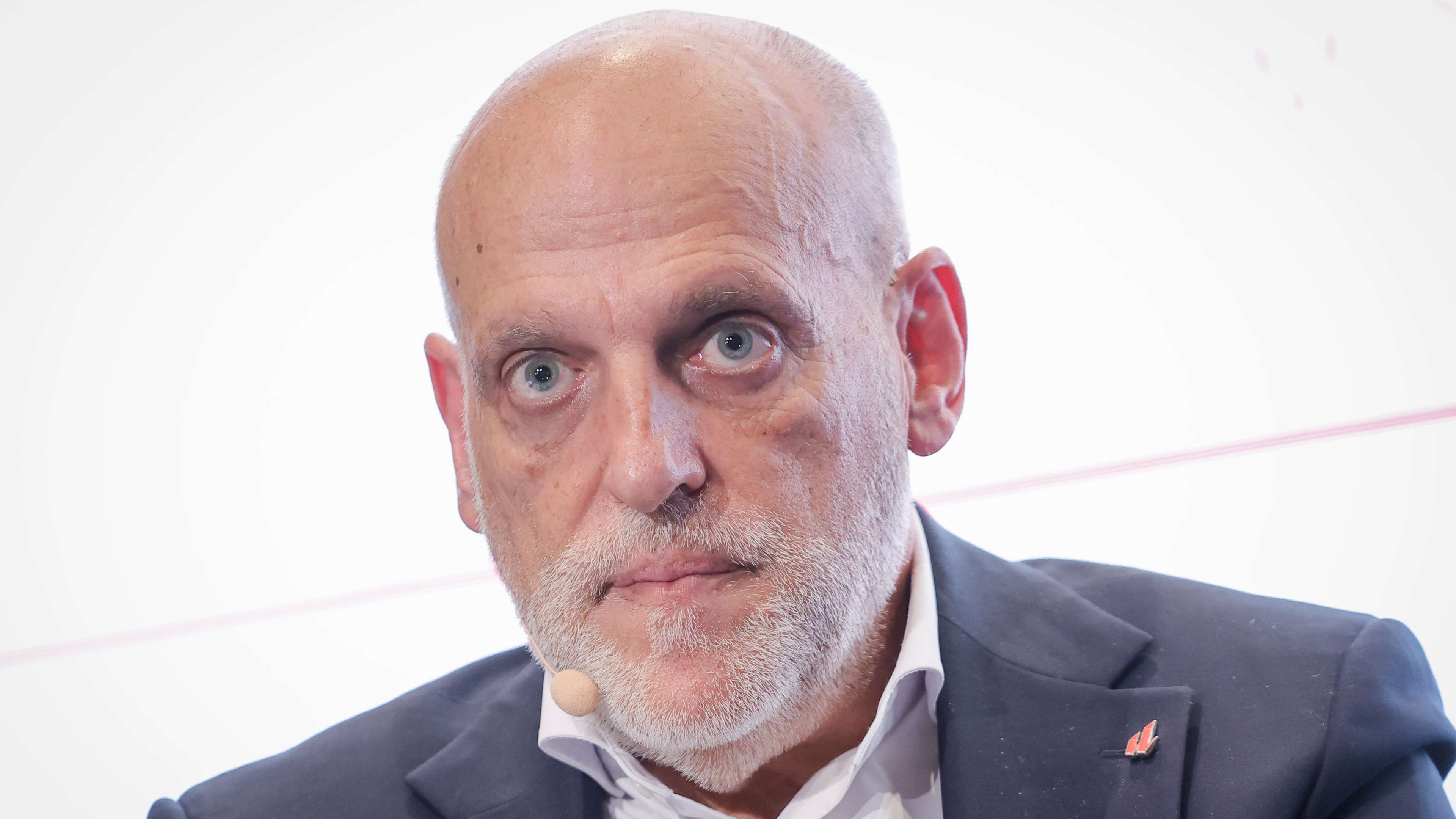
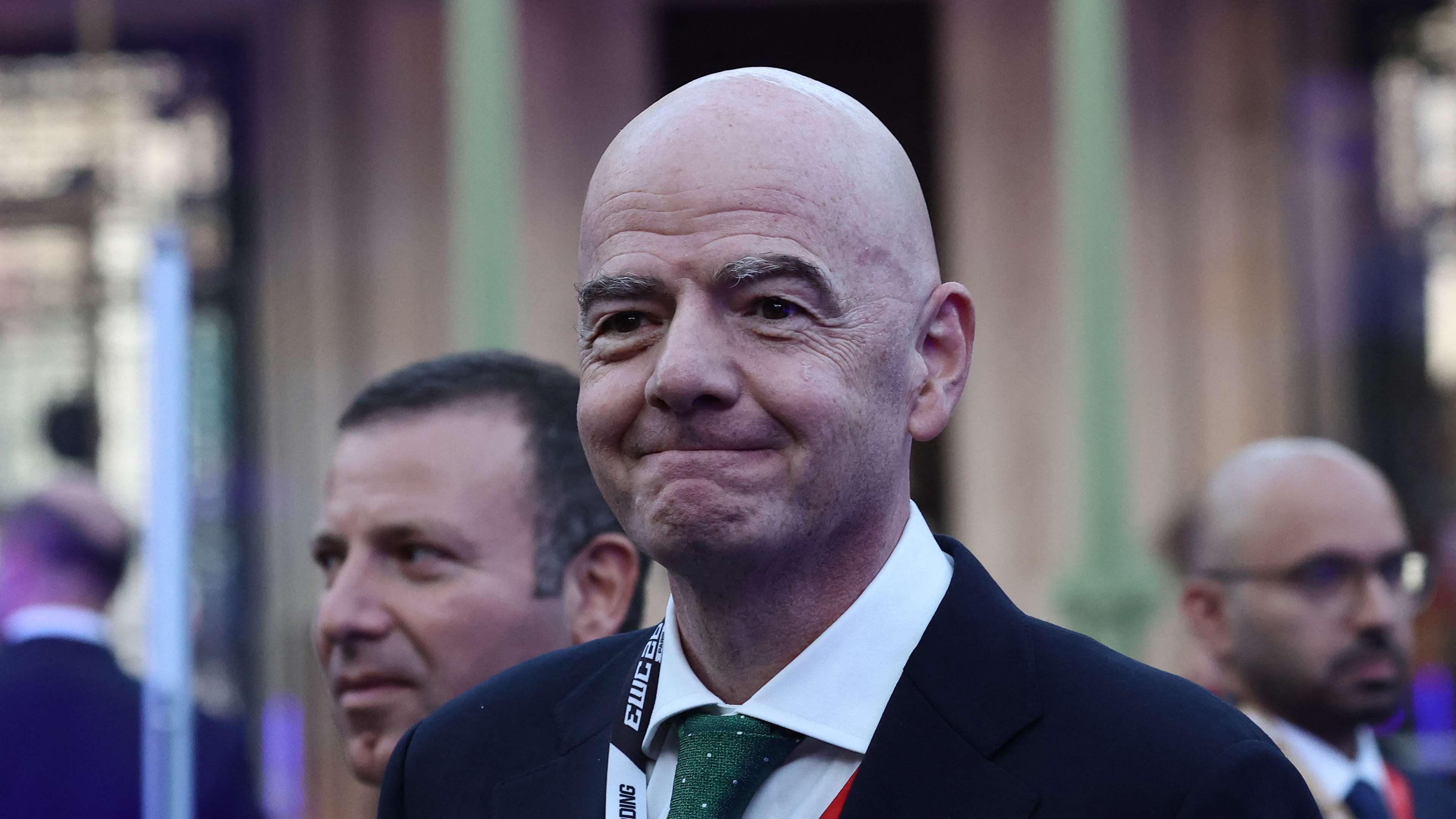
The Belgian Football Association announced Monday it will not back Gianni Infantino for another term as FIFA president, citing governance failures and controversial decisions that have eroded confidence in his leadership. The move marks a significant blow to the incumbent, who confirmed his intention to run again for a mandate extending through 2031.
The Belgian federation's withdrawal of support hinges on two primary grievances. First, FIFA has refused to provide adequate transparency surrounding the FIFA advanced projects initiative, which proposed selling 4.2 billion dollars in World Cup commercial stakes to private investors. The scheme faced fierce backlash from across football and was quietly withdrawn on August 1 after just days of public exposure. Second, the association objected strenuously to FIFA's handling of Folarin Balogun's red card suspension, particularly the intervention that allowed the striker to avoid a mandatory ban after a match against Bosnia and Herzegovina.
The Balogun Controversy and Transparency Crisis
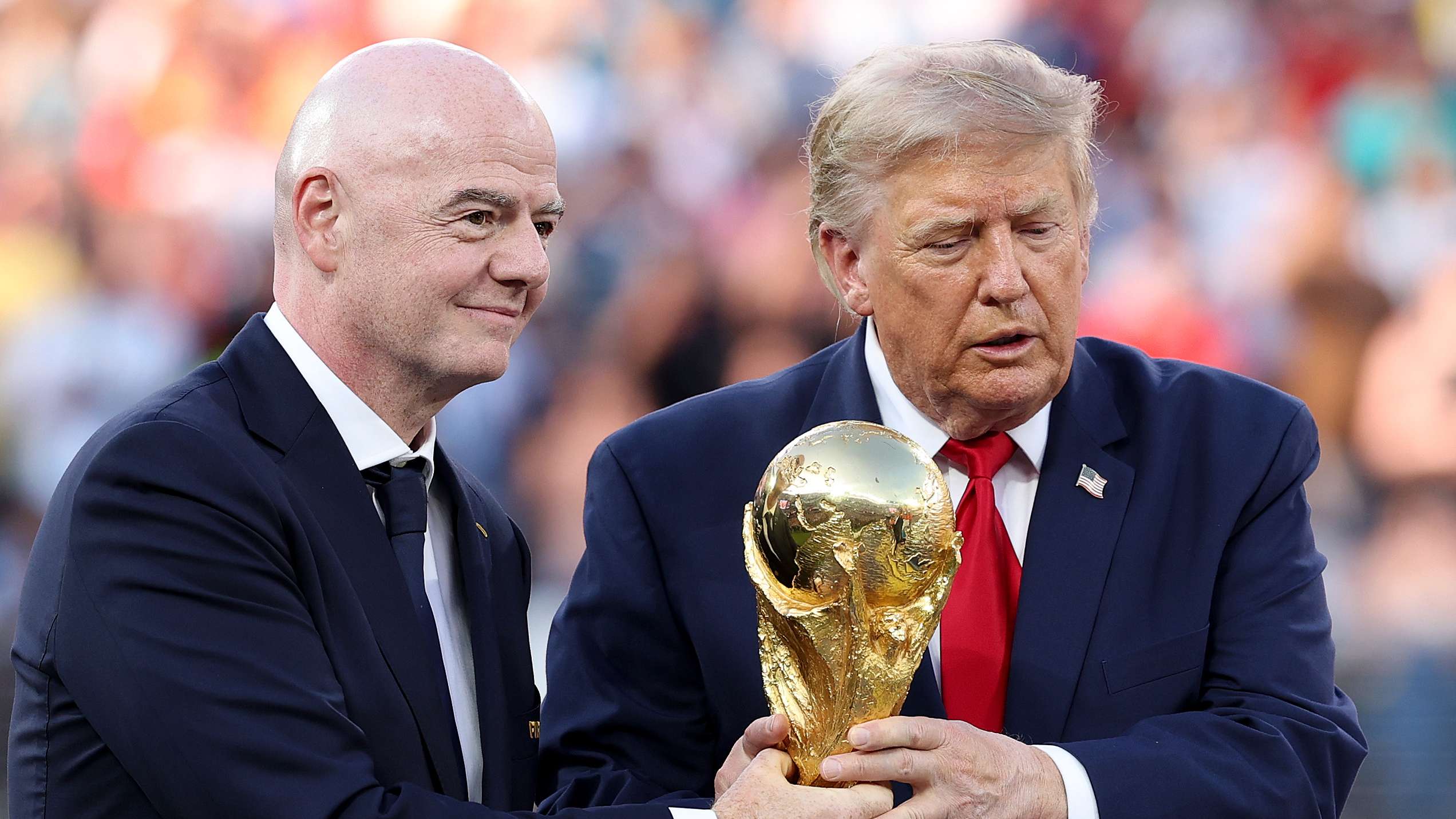
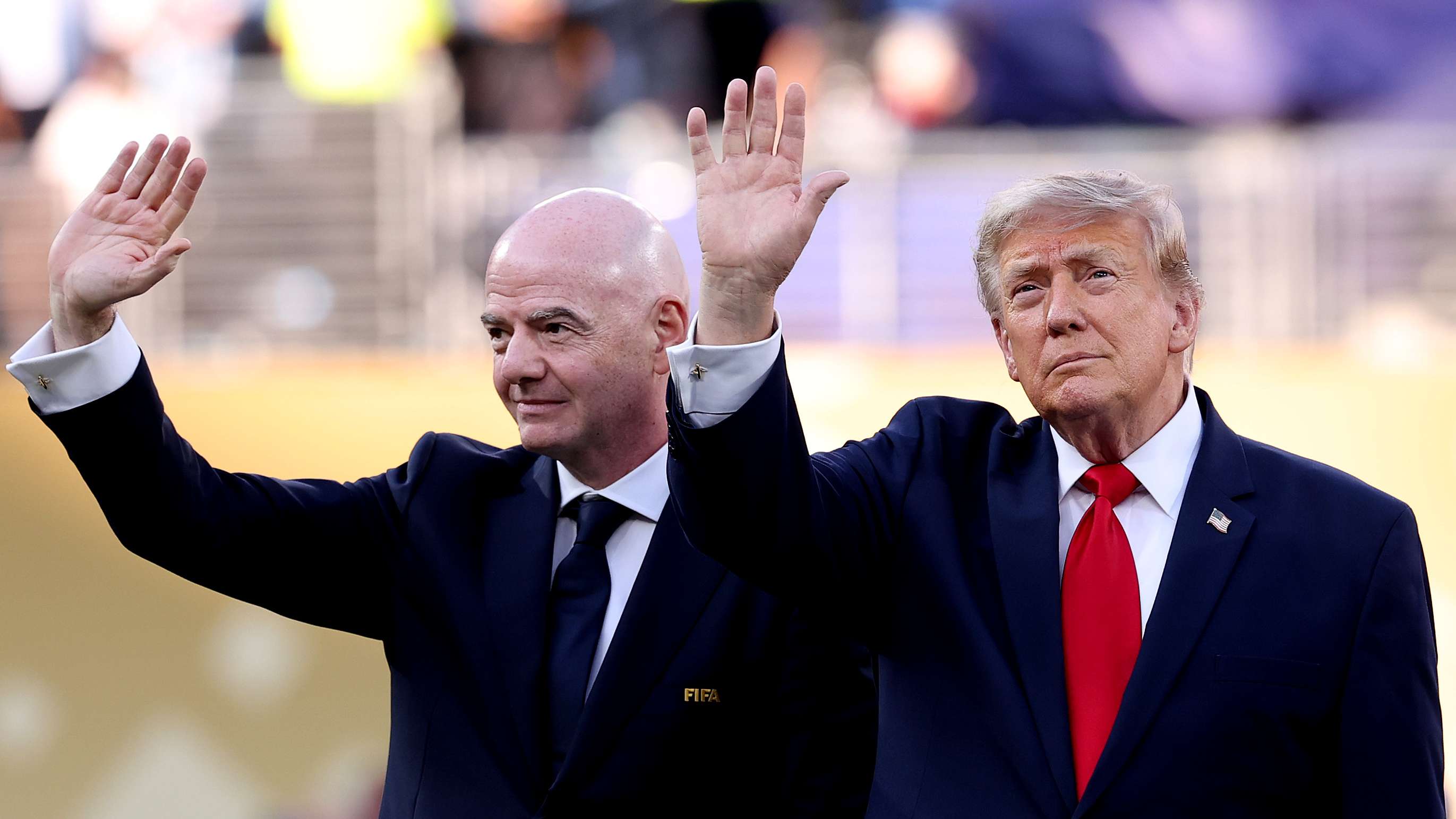
The Balogun case exemplifies the governance issues now haunting FIFA. After U.S. President Donald Trump contacted Infantino, FIFA postponed the striker's one-match suspension, enabling him to play in a crucial World Cup qualifier between the United States and Belgium. Belgian FA President Pascale Van Damme stated: "Two months after the events, we note that our questions still remain unanswered to this day." The federation demands clarification on FIFA's decision-making process and assurances that future disciplinary matters will be handled with consistency and transparency.
Belgium's position aligns with mounting international pressure. UEFA has spearheaded calls for Infantino's resignation, declaring a loss of confidence and previously threatening to boycott FIFA competitions including the World Cup. The English Football Association and other member associations have similarly withdrawn support for his re-election candidacy. This coordinated withdrawal signals deep fractures within football's governance structure at a time when FIFA desperately needs unity.
The Belgian association emphasized it remains in close contact with UEFA to secure answers about FIFA's decision-making framework and future governance protocols. With multiple continental federations now opposing Infantino's continuation, the FIFA presidential election next year shapes up as a genuine contest rather than a coronation, potentially reshaping global football administration for the next decade.