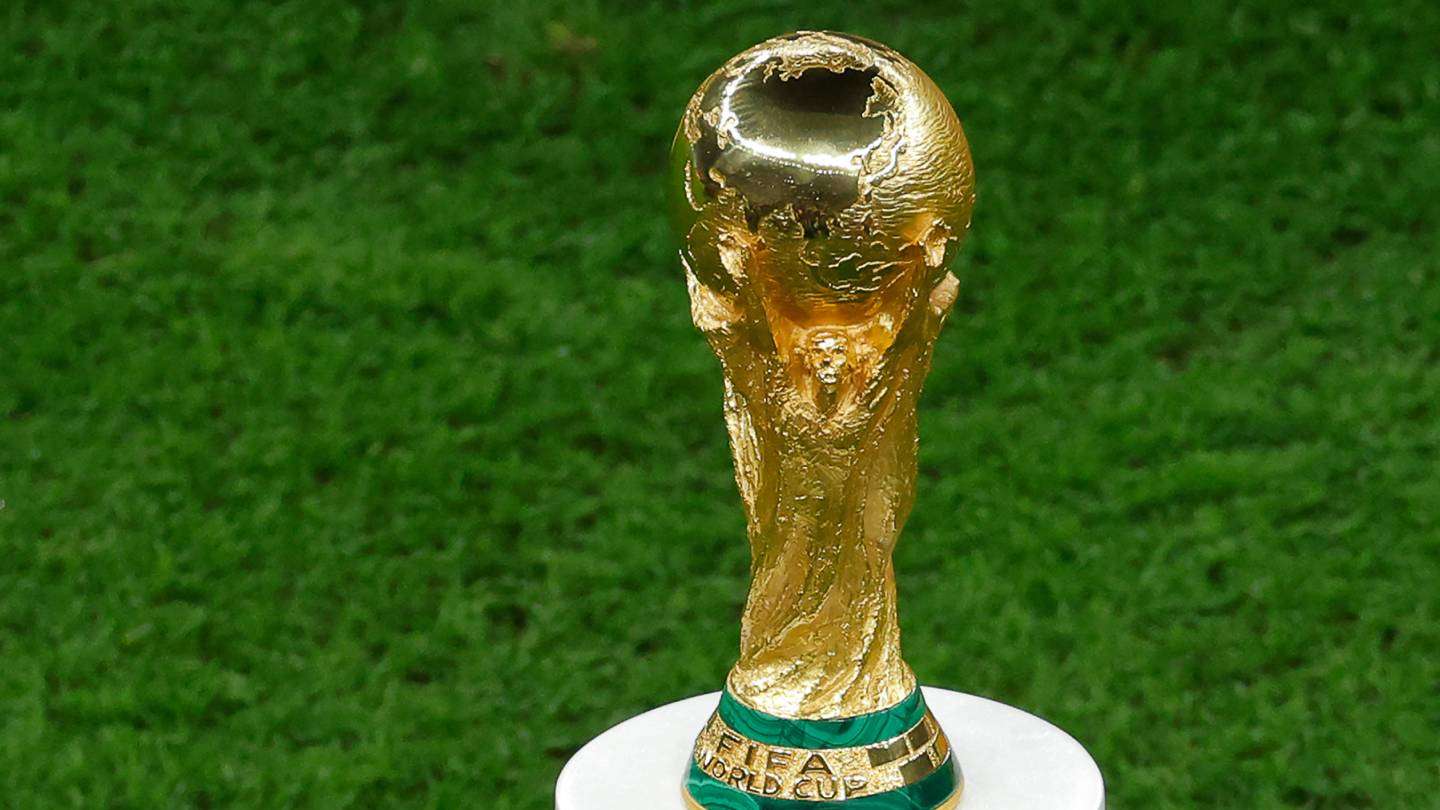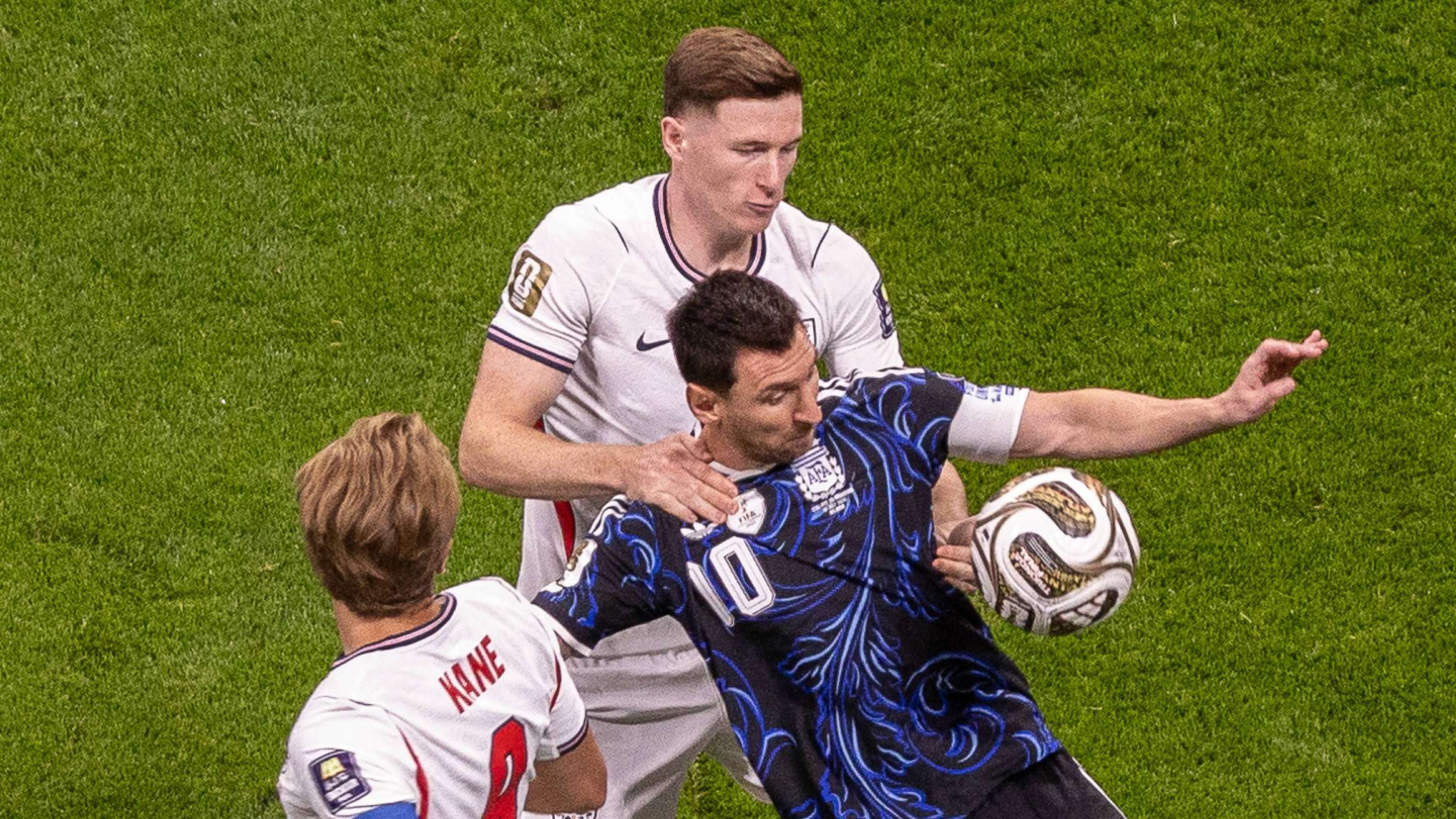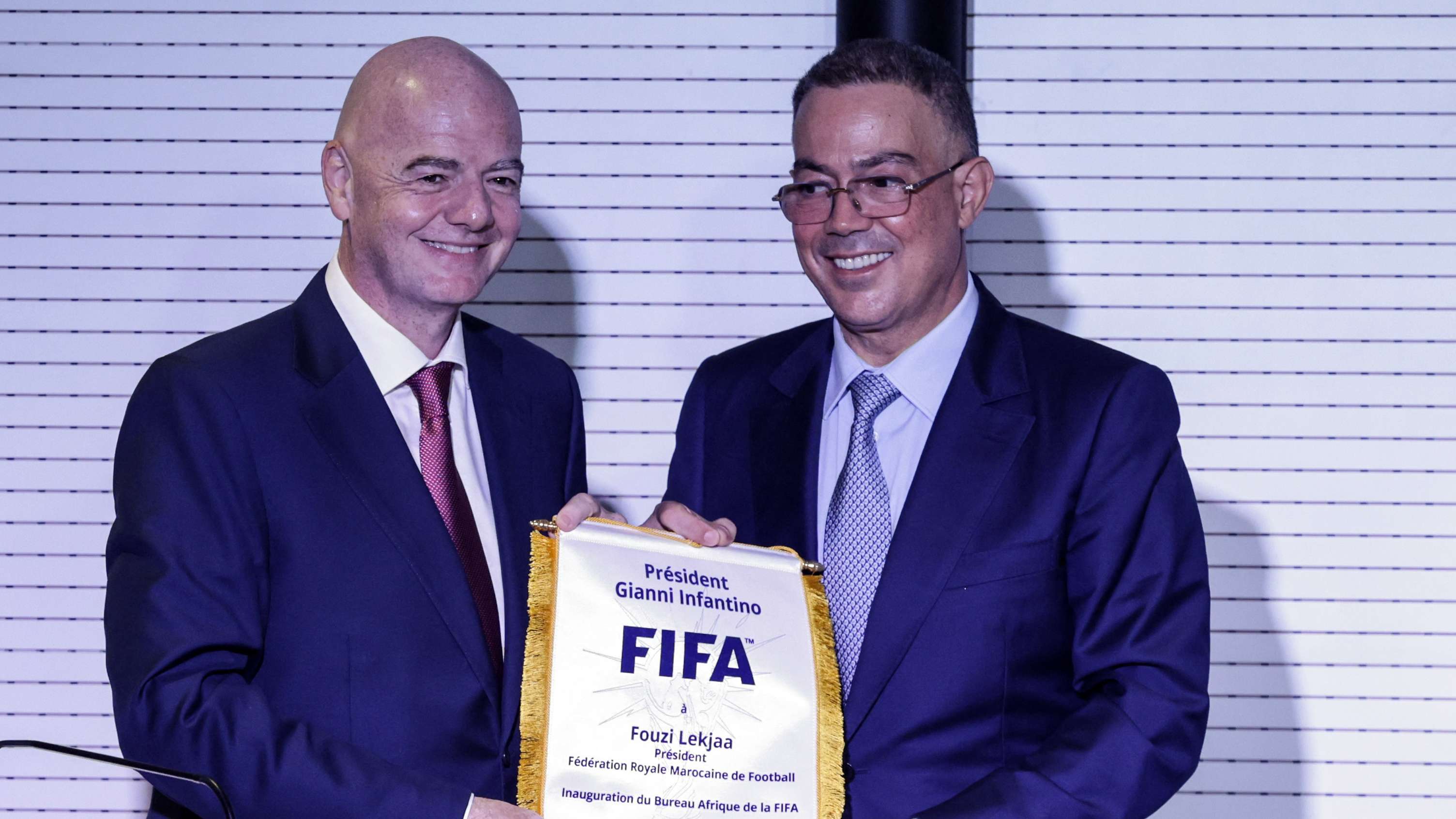
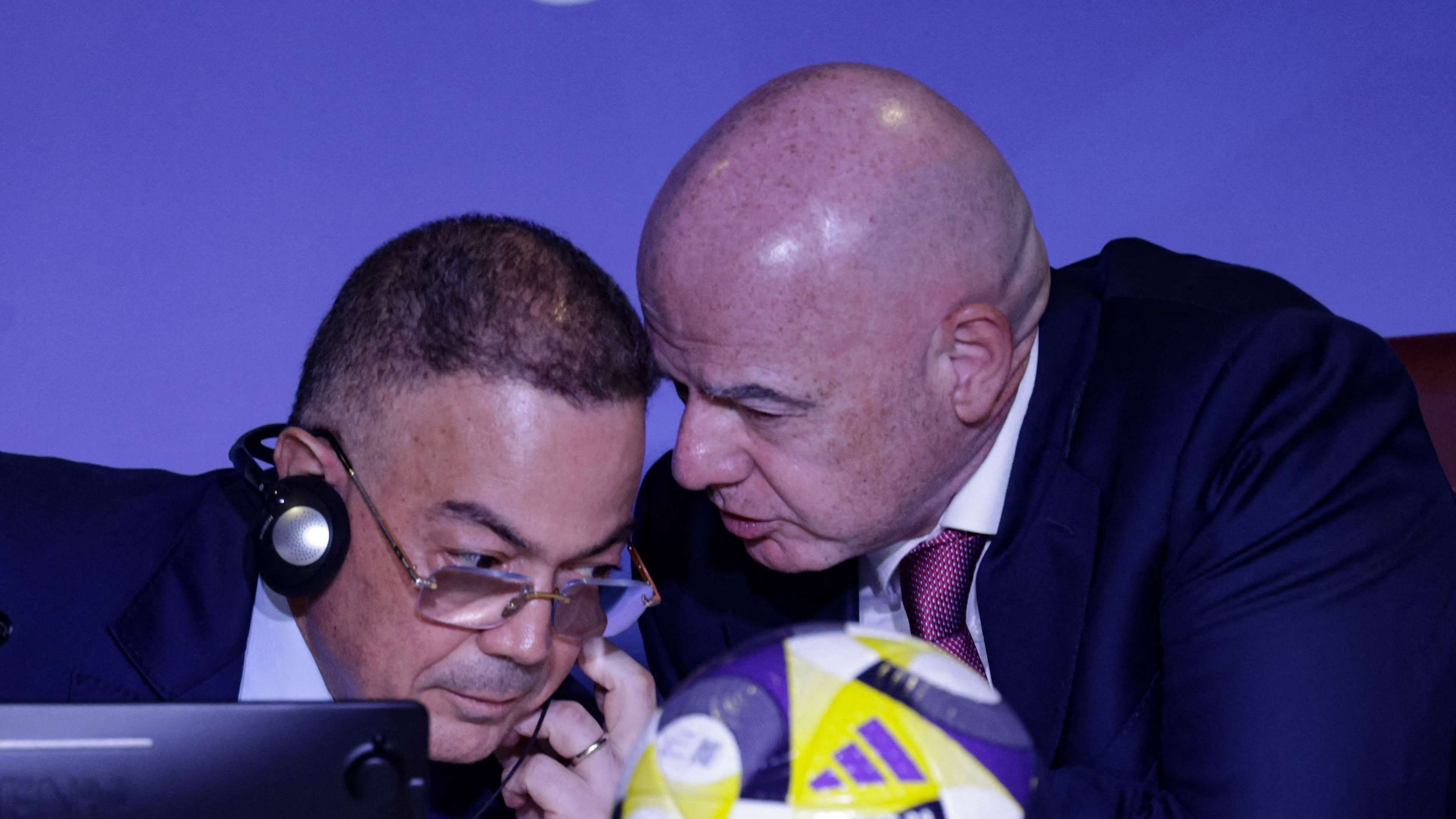
Spain is intensifying its bid to host the 2030 FIFA World Cup final, with federation president Rafael Louzan making a direct appeal for the tournament's showpiece match. Speaking during a visit to Ceuta on Friday, Louzan questioned Morocco's candidacy with a pointed rhetorical challenge: "Where would it be held if not in Spain?" The comment underscores escalating tension between the two nations competing for the honour of staging the centenary World Cup's climactic fixture.
Louzan's argument rests on Spain's footballing pedigree and proven track record as a major sporting event host. He highlighted the nation as "the best footballing nation today," citing the success of Spanish national teams and clubs across European competitions. The federation president emphasised Spain's organisational capacity and experience managing world-class tournaments. However, he acknowledged that FIFA holds ultimate authority over venue selection, meaning the final decision remains uncertain despite months of lobbying from both camps.
Stadium Rivalry: Bernabéu and Camp Nou vs. Hassan II
Spain has put forward two world-class venues as candidates: the Santiago Bernabéu and the Spotify Camp Nou. The Bernabéu underwent a major redevelopment that significantly enhanced its commercial and organisational capabilities, while Camp Nou only recently completed its own reconstruction and now meets FIFA's standards for hosting tournament matches. Morocco counters with the Hassan II Stadium in Casablanca, which has undergone substantial modernisation as part of the nation's World Cup infrastructure project.
The three-way hosting arrangement for the 2030 tournament—shared between Spain, Portugal, and Morocco—has created an unusual dynamic where one nation can claim the lion's share of matches while another fights for the final. Spain's campaign leans heavily on hosting the largest volume of group and knockout-stage fixtures, a factor that traditionally strengthens a host nation's case for the final. Meanwhile, Morocco emphasises its sporting development strategy and newly constructed state-of-the-art facilities specifically built for the tournament.
As both federations await FIFA's official verdict, the competition for hosting rights reflects broader European-African sporting ambitions. The outcome will determine not only where the 2030 final unfolds, but also shape the tournament's broader narrative during football's 100-year anniversary celebration.