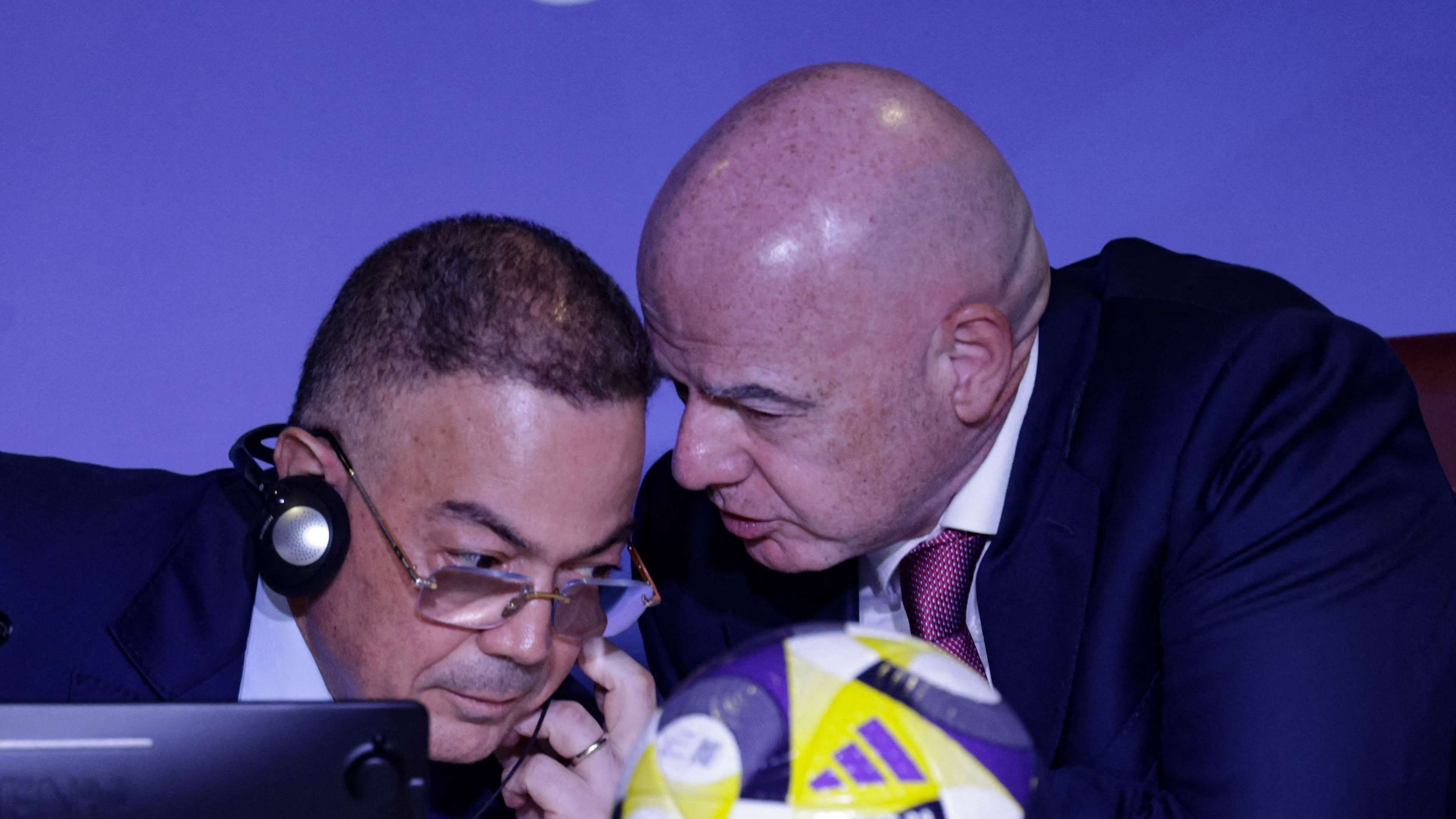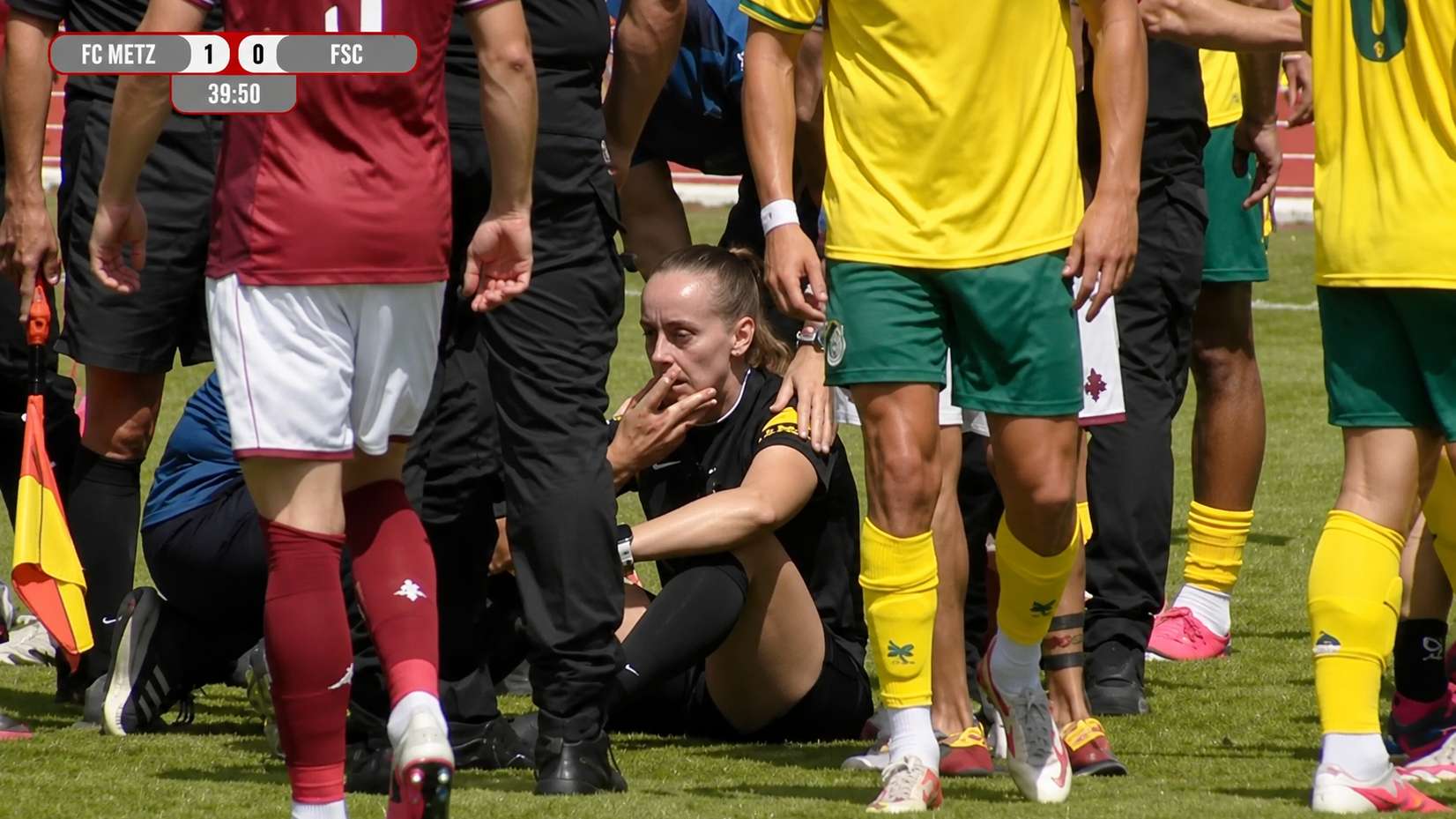

Atlético Ceuta supporters have publicly opposed Morocco's involvement in the 2030 World Cup hosting bid, citing escalating tensions over migration and border security. During their team's recent match against Celta Fortuna, Spanish enclave fans voiced strong criticism of the tri-nation tournament plan, with some demanding Morocco's complete removal from the hosting agreement.
The controversy erupted at an exceptionally fraught moment for Ceuta. The Spanish city endured one of its worst migration surges in years when over 70,000 migrants crossed from Moroccan territory on July 30-31, overwhelming border authorities and creating a humanitarian emergency. This crisis has sharpened existing territorial disputes between Spain and Morocco over the autonomous city's status and sovereignty.
Fan Sentiment Against Moroccan Co-Host
Ceuta supporters expressed their frustration directly, with one fan telling reporters: "I would kick them out, they don't deserve to organise the World Cup. If people are leaving their country, then they cannot organise the World Cup." Another spectator was equally blunt about excluding the North African nation, suggesting the tournament should belong solely to Spain and Portugal.
The intensity of opposition extended beyond mere exclusion. One supporter proposed a radical stance: Spain should boycott the tournament entirely rather than partner with Morocco, forcing FIFA to determine the consequences of the reigning world champion's withdrawal. Such hardline positions reflect how deeply the migration crisis has affected public opinion in Ceuta, where residents view Morocco's cooperation as incompatible with their security concerns.
The 2030 World Cup Vision
The 2030 FIFA World Cup will mark a historic milestone as the first tournament spread across multiple continents. Spain, Portugal, and Morocco are scheduled to host the primary matches, while Argentina, Paraguay, and Uruguay will stage celebratory opening fixtures honoring the competition's centennial. This arrangement celebrates 100 years since the inaugural World Cup in 1930, yet the geopolitical dimensions of hosting are proving deeply contentious in Ceuta, where national pride collides with regional grievances over migration policy and cross-border stability.