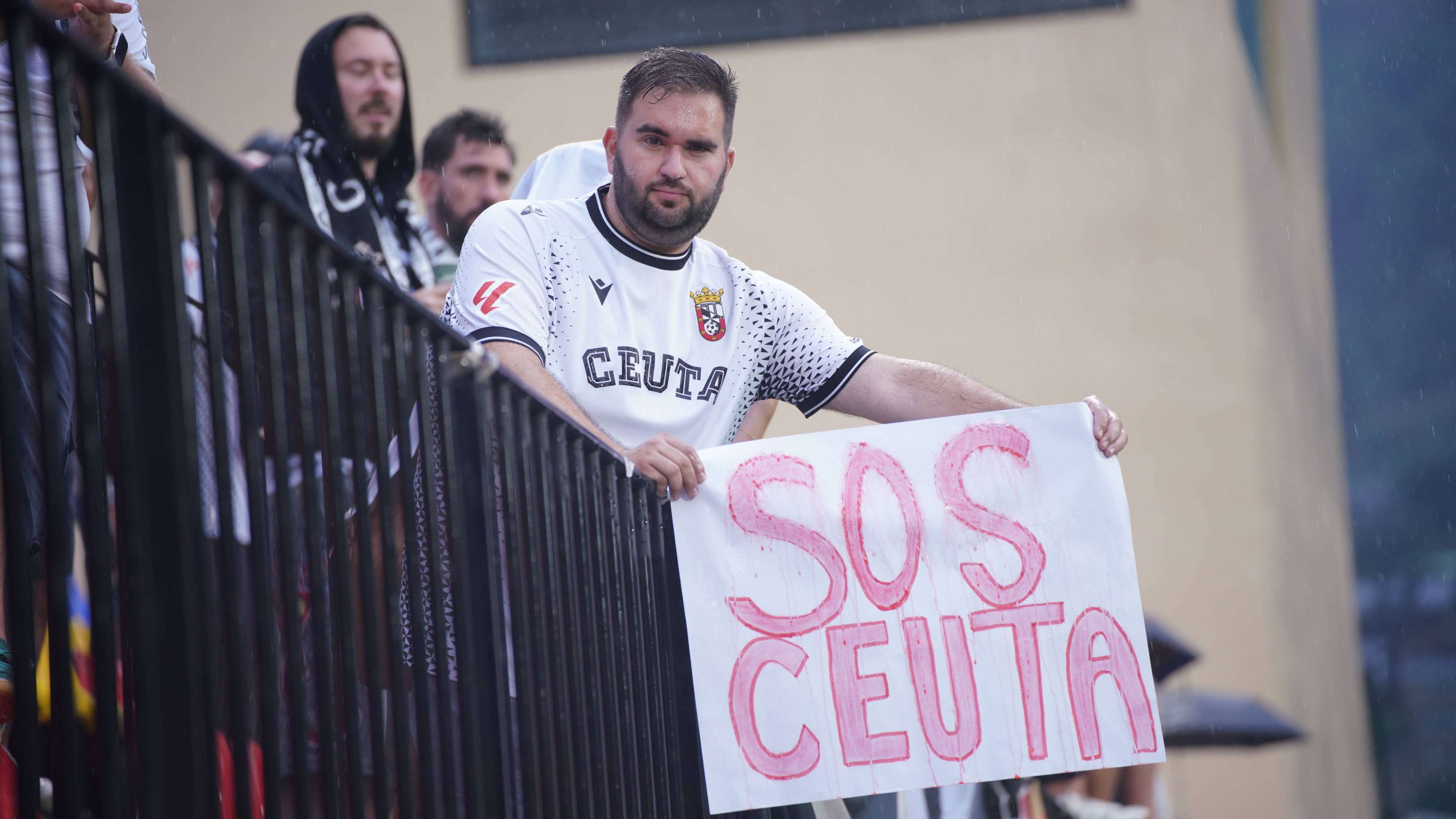
AD Ceuta abandoned plans to sign up to 15 players after an unprecedented migrant surge into the North African enclave forced prospective recruits to withdraw over family safety concerns. Club president Luhay Hamido confirmed the collapse of near-complete agreements as the crisis fundamentally reshaped the perception of life in the autonomous Spanish territory.
An estimated 80,000 migrants have crossed from Morocco into Ceuta since late July, swimming around breakwaters or traversing the shoreline in what local authorities have described as an extraordinary humanitarian emergency. The influx has overwhelmed reception facilities and prompted the regional government to call for Spain to declare a national emergency. The crisis struck at the worst possible moment for Ceuta's transfer ambitions, arriving just as the summer window neared its close.
Safety Concerns Override Agreements
Speaking to Cadena SER, Hamido explained the psychological toll the situation has taken on potential signings. "Up to 15 players said no despite agreements being virtually wrapped up," the president revealed. "Their wives are scared, the children... It's understandable given the information reaching them. If you're not living it, it feels like a state of siege." The fear factor proved decisive even for players who had already committed to joining the club, demonstrating how media coverage of the border crisis influenced family-level decision-making across Europe.
The president acknowledged that Ceuta's image had transformed dramatically in a single month. "The situation in the city has changed," Hamido stated. "We were in good shape in terms of tourism, the economy, and sports," before the surge shifted perceptions entirely. Despite these challenges, Ceuta's leadership remained defiant about the club's broader cultural mission: "Four cultures coexist here and we all embrace one another; it has become a sanctuary and the team has become a very powerful common denominator."
Training and Operations Continue
Hamido emphasized that daily football operations remain secure. "The players and the manager have families and children," he explained. "They see the city isn't what they thought they knew, and that affects them, but they are training normally. It is safe, and the police are doing a great job." The club adopted an unconventional approach with late transfer targets, inviting them to visit facilities with no obligation attached—a strategy that ultimately yielded some late signings despite the broader exodus of interested players.
Ceuta currently occupy last place in the Spanish football pyramid after three consecutive defeats without a point to open the season. Manager Jose Juan Romero faces the immediate challenge of integrating new arrivals and stemming the losses when his side host Celta Fortuna on September 5. The fixture represents a crucial opportunity to build momentum and demonstrate that despite the recruitment setbacks, the club remains competitive within Spanish football's lower divisions.