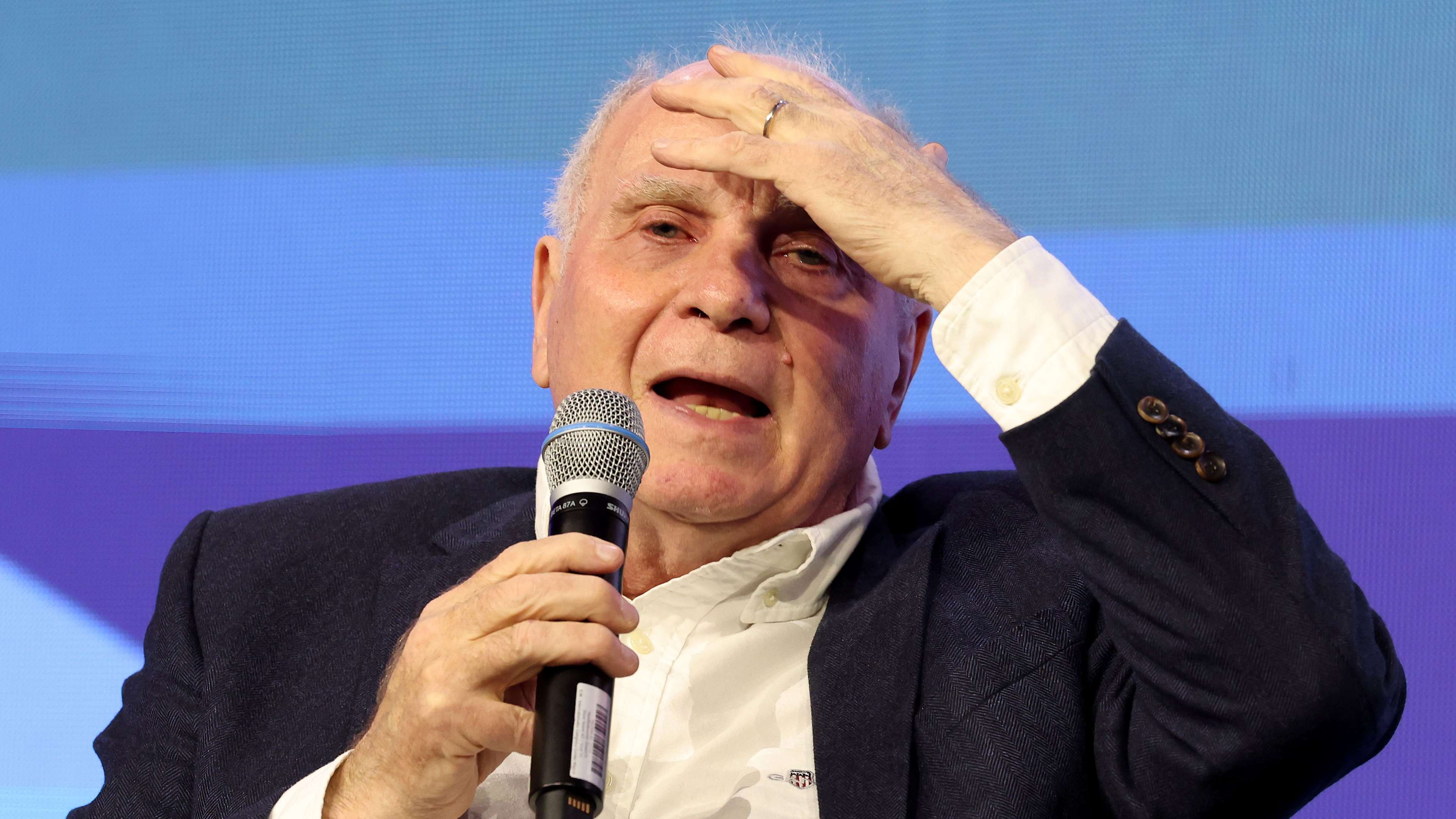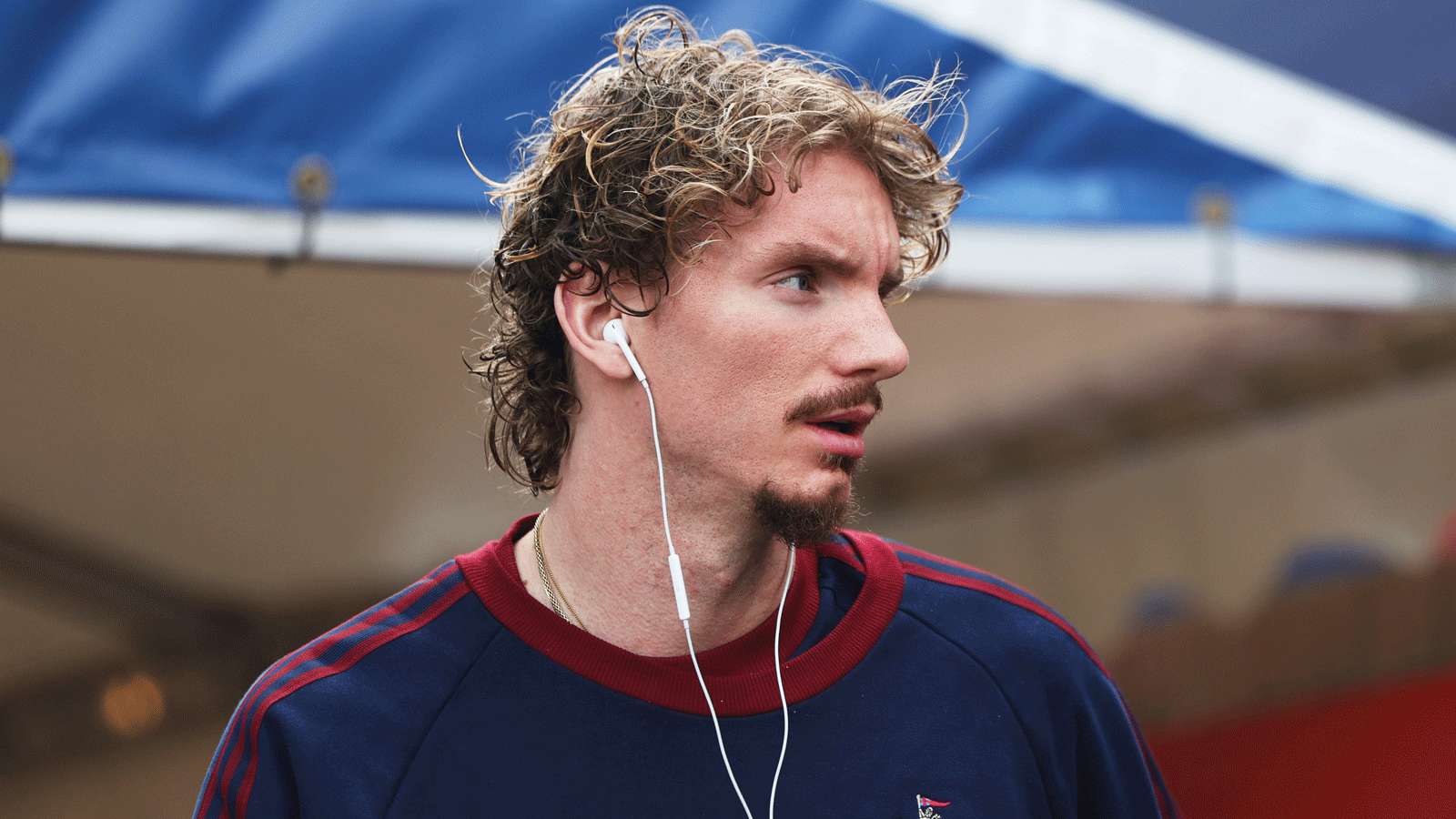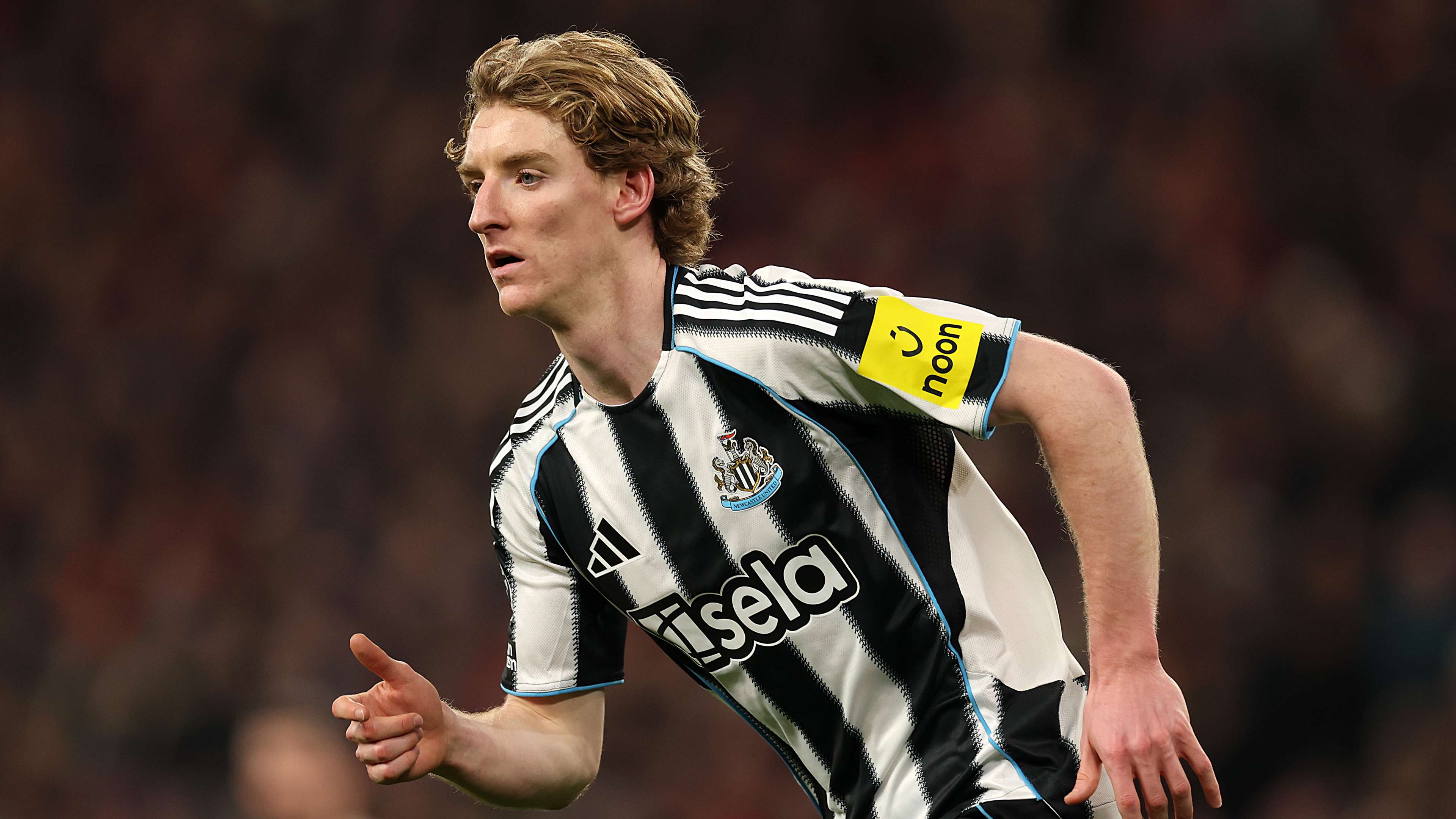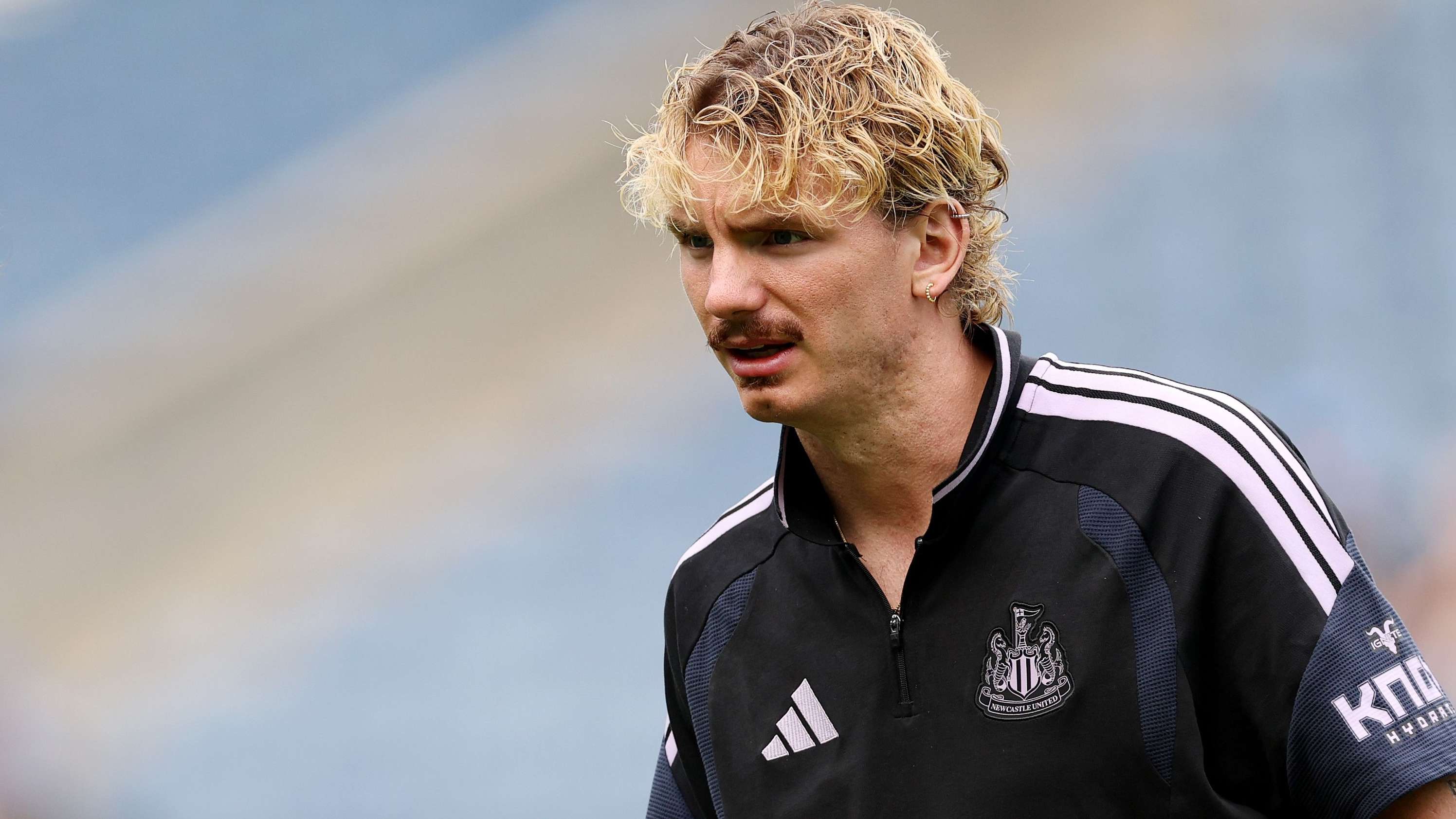
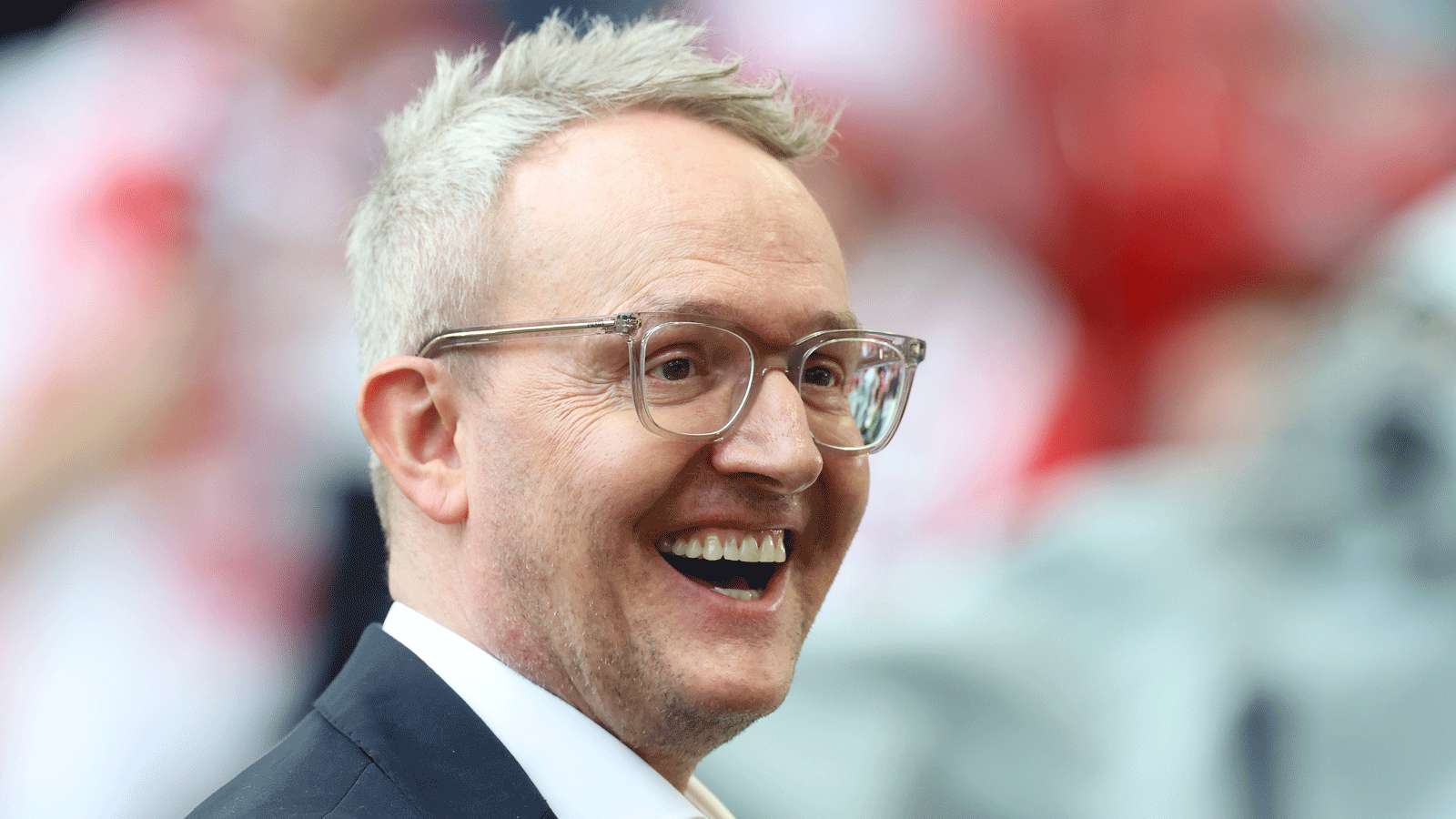
VfB Stuttgart chairman Alexander Wehrle took a pointed jab at Bayern Munich during the club's annual general meeting, dismissing the Bavarian giants' bid for forward Nick Woltemade as insufficient. Speaking to shareholders, Wehrle characterized Bayern's maximum offer of €60 million as little more than "a buttered pretzel," explaining that Stuttgart's insistence on €75 million reflected the player's true market value rather than any desire to antagonize their rivals.
The 24-year-old eventually joined Newcastle United in the Premier League after accepting the Magpies' willingness to meet Stuttgart's valuation. Bayern had pursued Woltemade aggressively last summer, with reports suggesting the player and the Munich club had reached a verbal agreement. However, Stuttgart refused to negotiate below their asking price, demonstrating their resolve in one of the transfer window's most closely watched sagas within German football.
Financial Muscle and Transfer Principle
Wehrle's comments reflected a broader philosophy at Stuttgart: the club's refusal to be bullied by wealthier competitors. "The financial gap mattered far more," Wehrle stressed, defending Stuttgart's hardline stance. His address drew roaring applause from supporters, particularly when he referenced Stuttgart's dominance at the DFB Cup final in May, where the club faced Bayern. "I didn't hear any FC Bayern fans," he quipped, highlighting the Swabians' superior backing at the showpiece event.
Off the pitch, Stuttgart delivered remarkable news. The club's listed entity, VfB Stuttgart 1893 AG, posted record revenues of €383.6 million and post-tax profit of €22.5 million for the 2025 financial year. Equity surged to €83.4 million, underscoring what Wehrle called "healthy and sustainable growth" where expansion and profitability advance together. The parent club bolstered its position with 135,000 members, generating €7.2 million in revenue and €1.4 million in profit, while reserves climbed to €1.6 million.
Stuttgart's financial strength and principled negotiating position signal the club's ambitions to challenge Bavaria's traditional dominance in German football, both on and off the field.