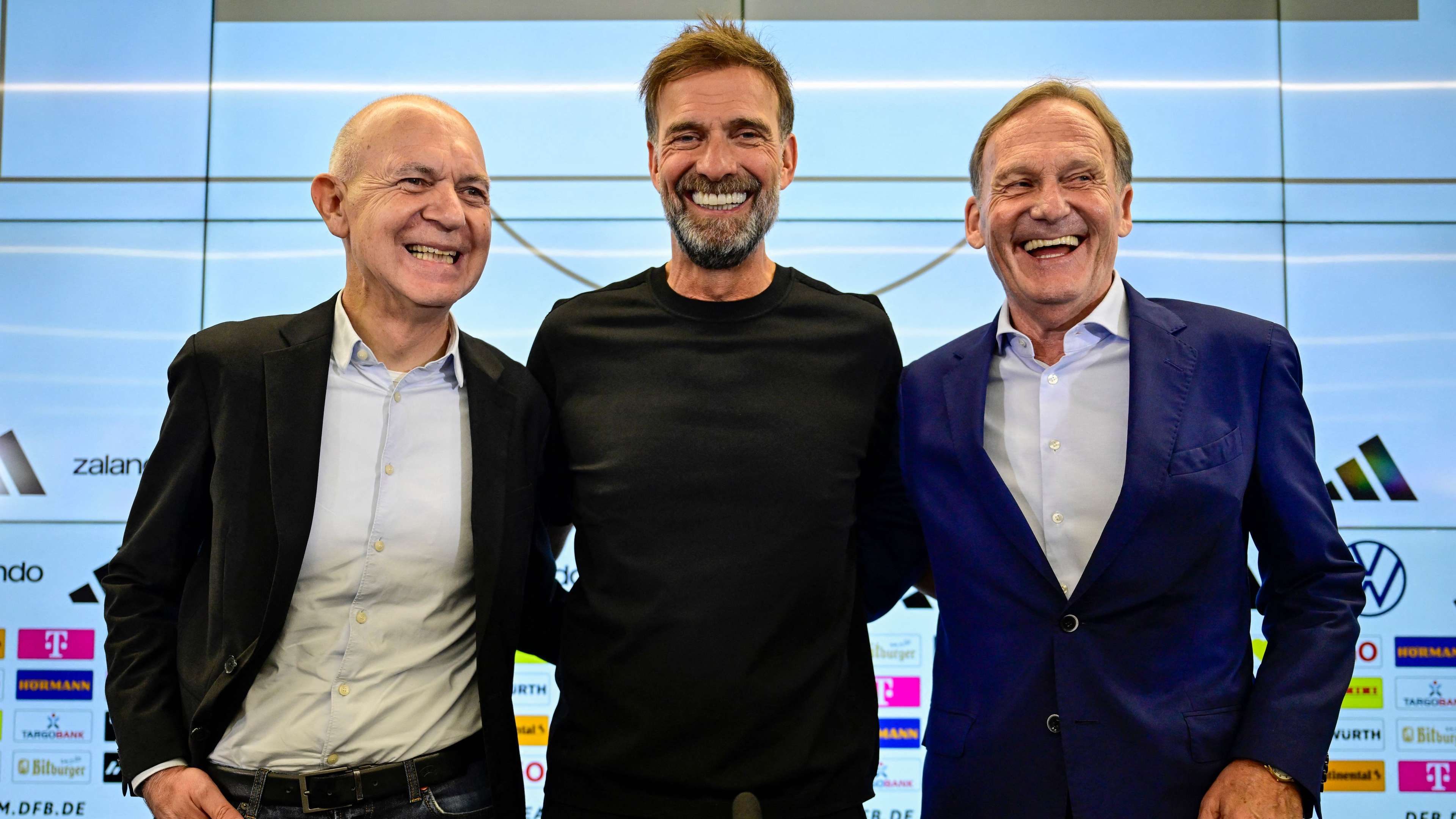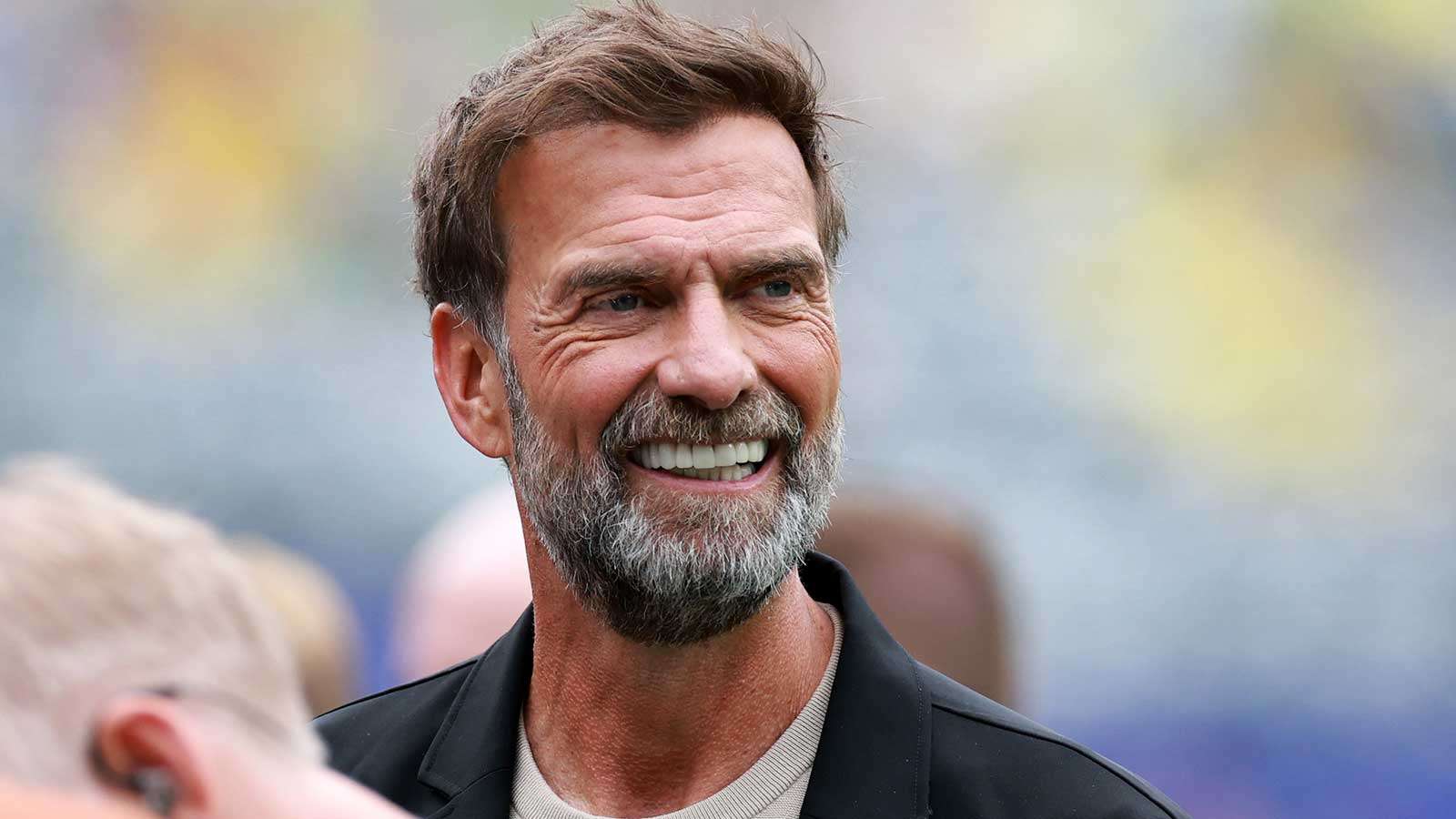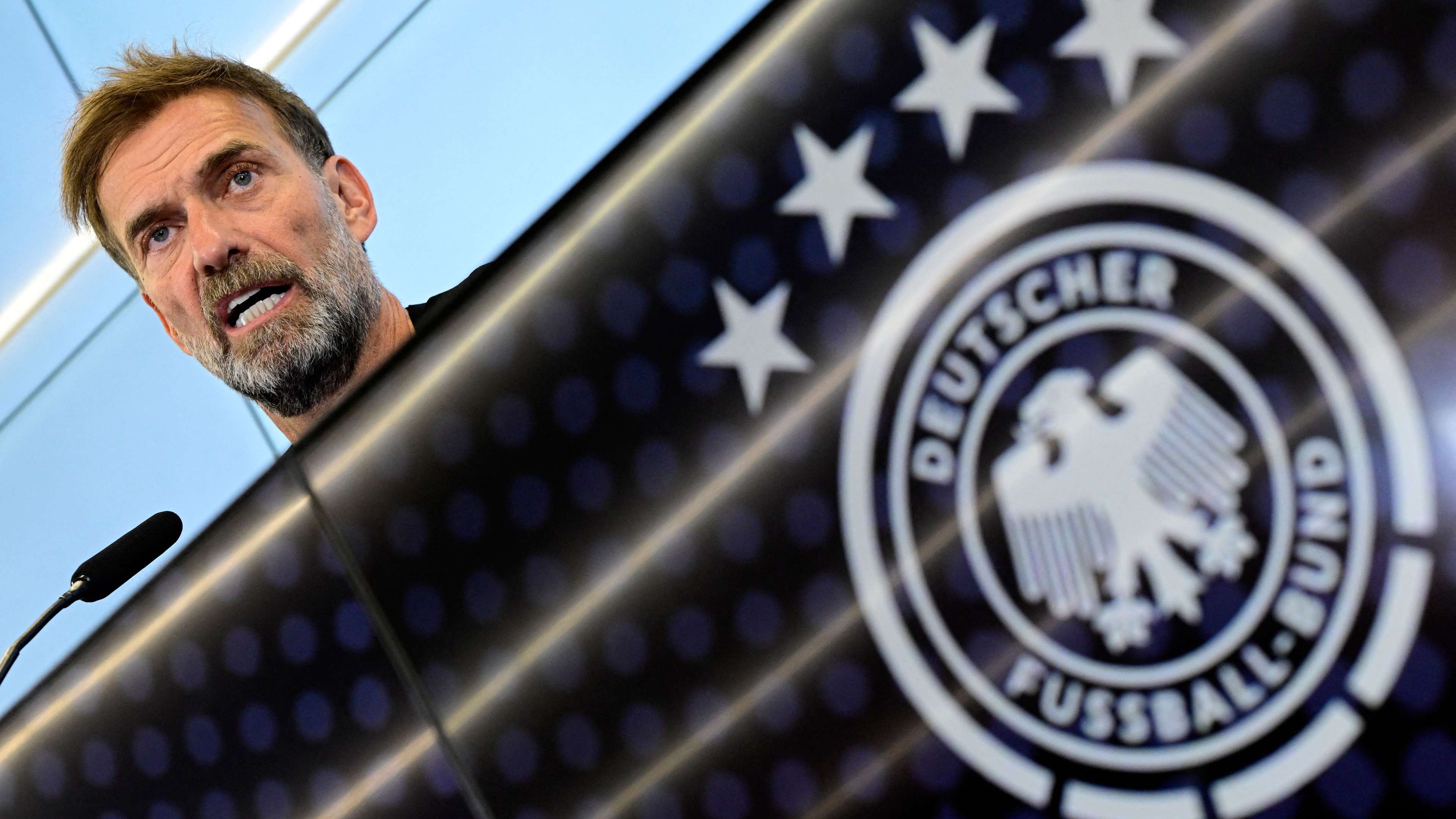
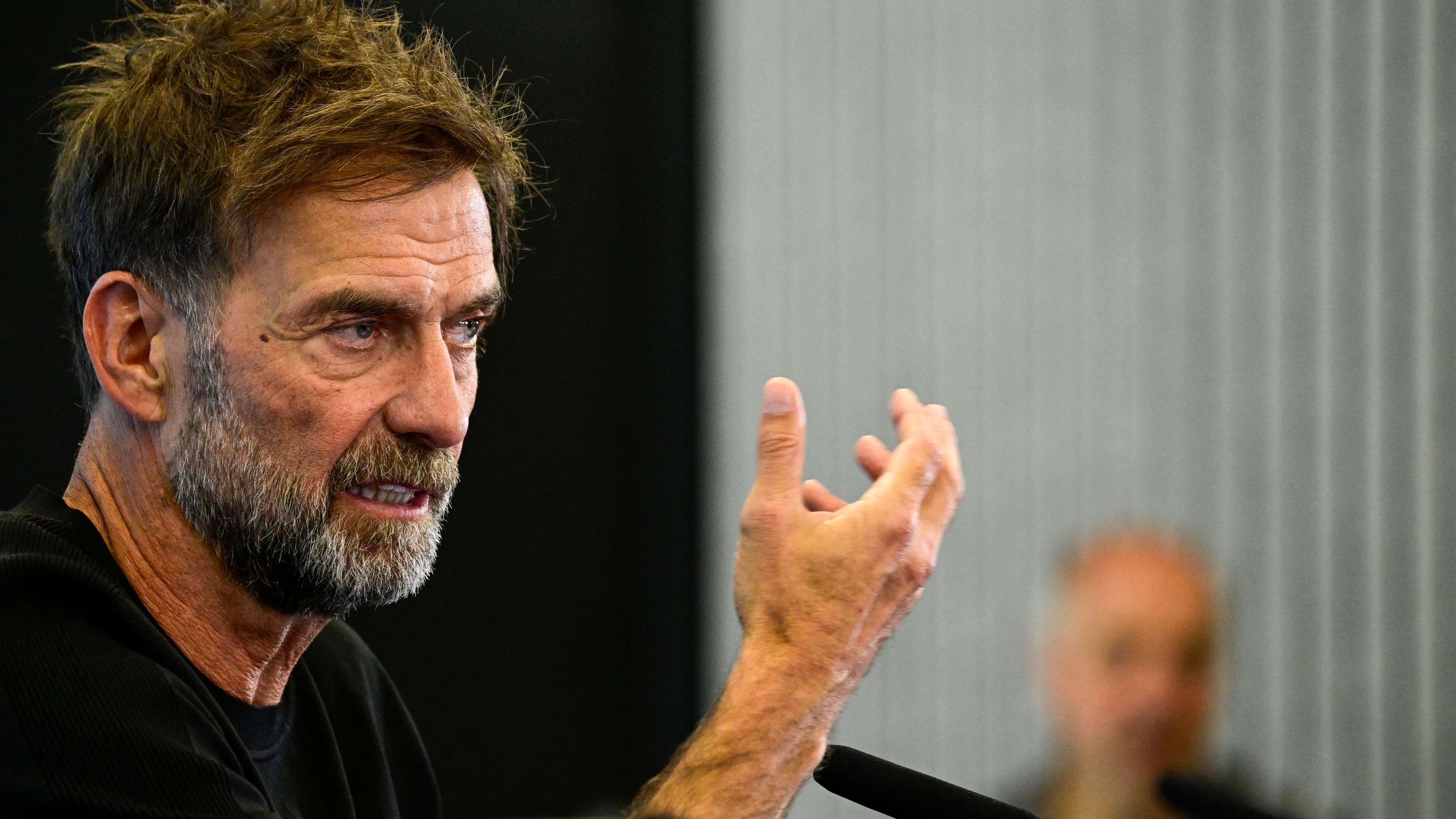
Jürgen Klopp has accepted the role of Germany national team head coach, tasked with steering the nation through one of its most turbulent periods in international football. The 59-year-old German tactician, who lifted the Champions League and Premier League trophies during his tenure at Liverpool, replaces Julian Nagelsmann following Germany's shock World Cup elimination on penalties to Paraguay. The German Football Association moved swiftly to secure Klopp on a contract through 2030, with his first match arriving against the Netherlands on 24 September.
From Crisis to Opportunity
Klopp's appointment arrives at a crossroads for German football. The nation has witnessed a sharp decline in recent years, with the World Cup penalty shootout loss representing a new low. Bernd Neuendorf, DFB president, confirmed Klopp was the association's unanimous first choice: "Jürgen embodies passion, credibility and the ability to inspire people. After Julian Nagelsmann's resignation, we had no better option than him." The decision reflects confidence that Klopp's proven track record of revival—from his Borussia Dortmund success to his six-year Premier League dominance—translates to the international stage.
Public sentiment strongly backs the appointment. A Kicker magazine poll revealed approximately 80% of Germans support Klopp's selection, signalling widespread belief that his leadership style addresses a critical weakness. Many observers argue the squad lacks the mental fortitude and winning mentality required at the highest level—precisely the qualities Klopp built into his Liverpool side through his mentality monsters philosophy.
Building the Coaching Backroom
Klopp will not work alone. He has recruited two of his most trusted Liverpool lieutenants—Pep Lijnders and Peter Krawietz—to form the coaching team. This continuity of successful working relationships strengthens the prospect of implementing a coherent tactical framework quickly. The trio won four major trophies together on Merseyside and possess the chemistry necessary to embed Klopp's demanding standards across the Germany squad.
The timeline is demanding: Euro 2028 qualifiers begin next year, and the 2030 World Cup finals loom large. Klopp enters this challenge at a career juncture where his reputation for transformation matters most. Whether he can restore Germany's dominance or merely stabilise the ship remains football's most compelling question heading into the autumn international break.