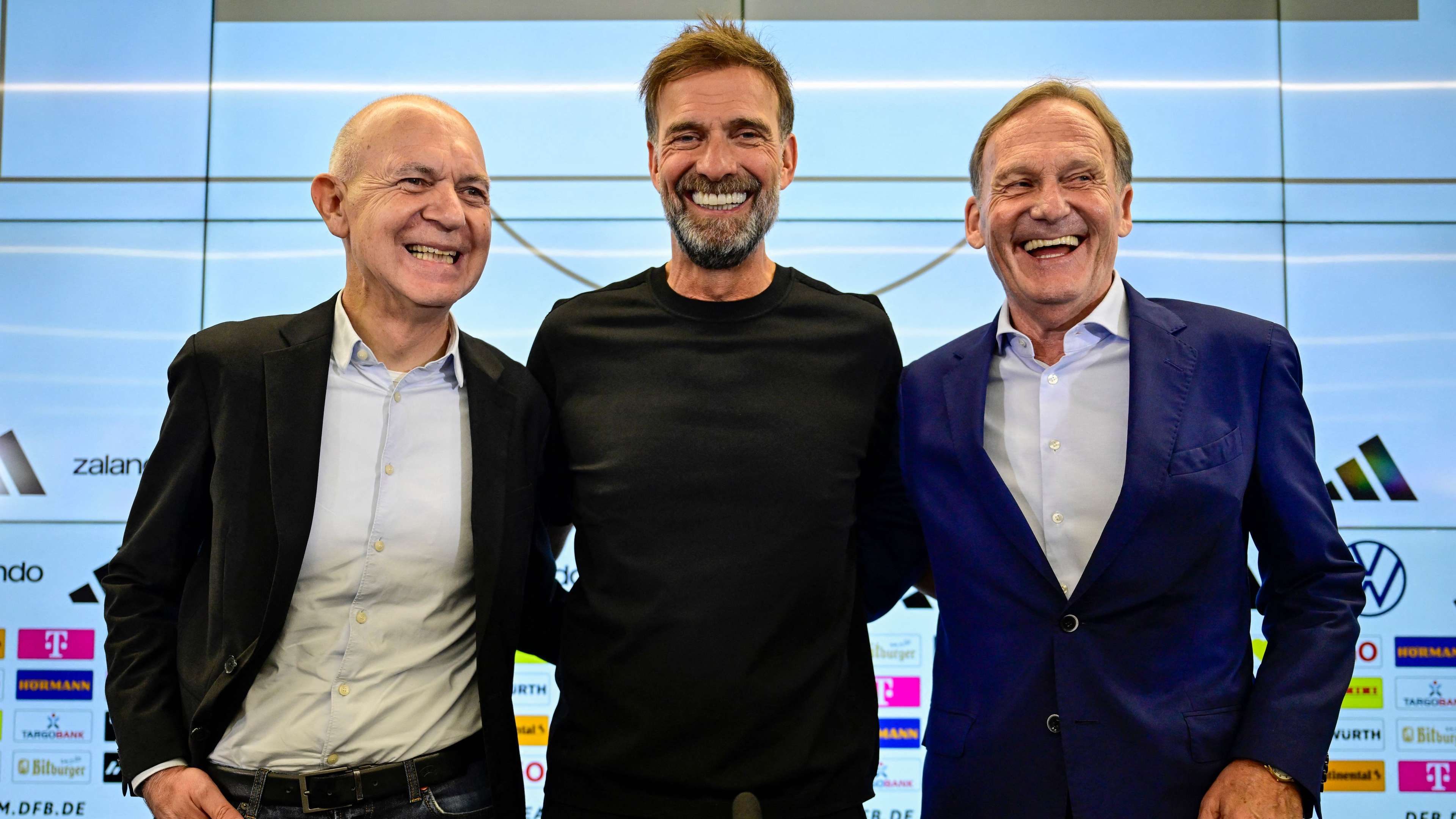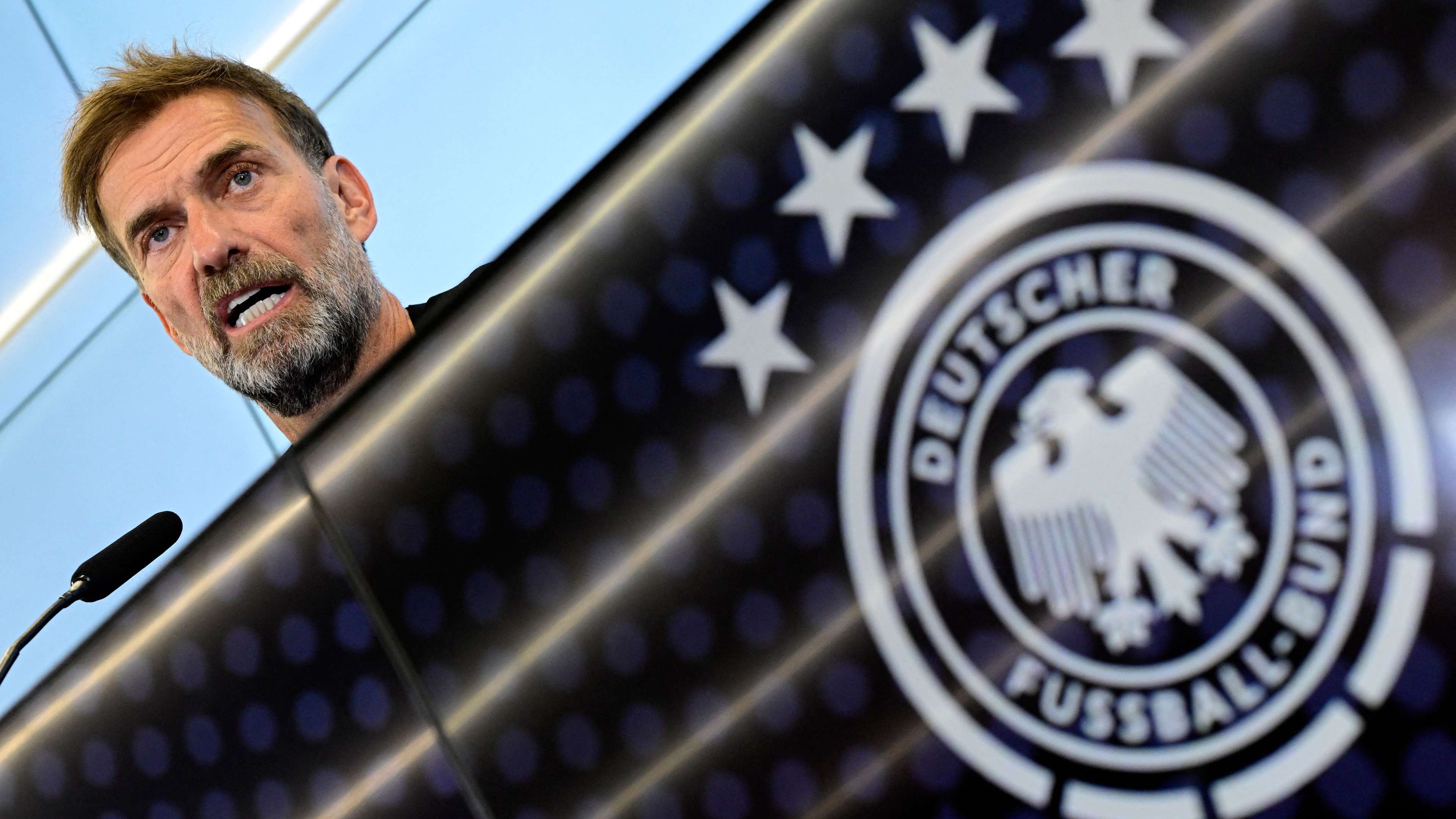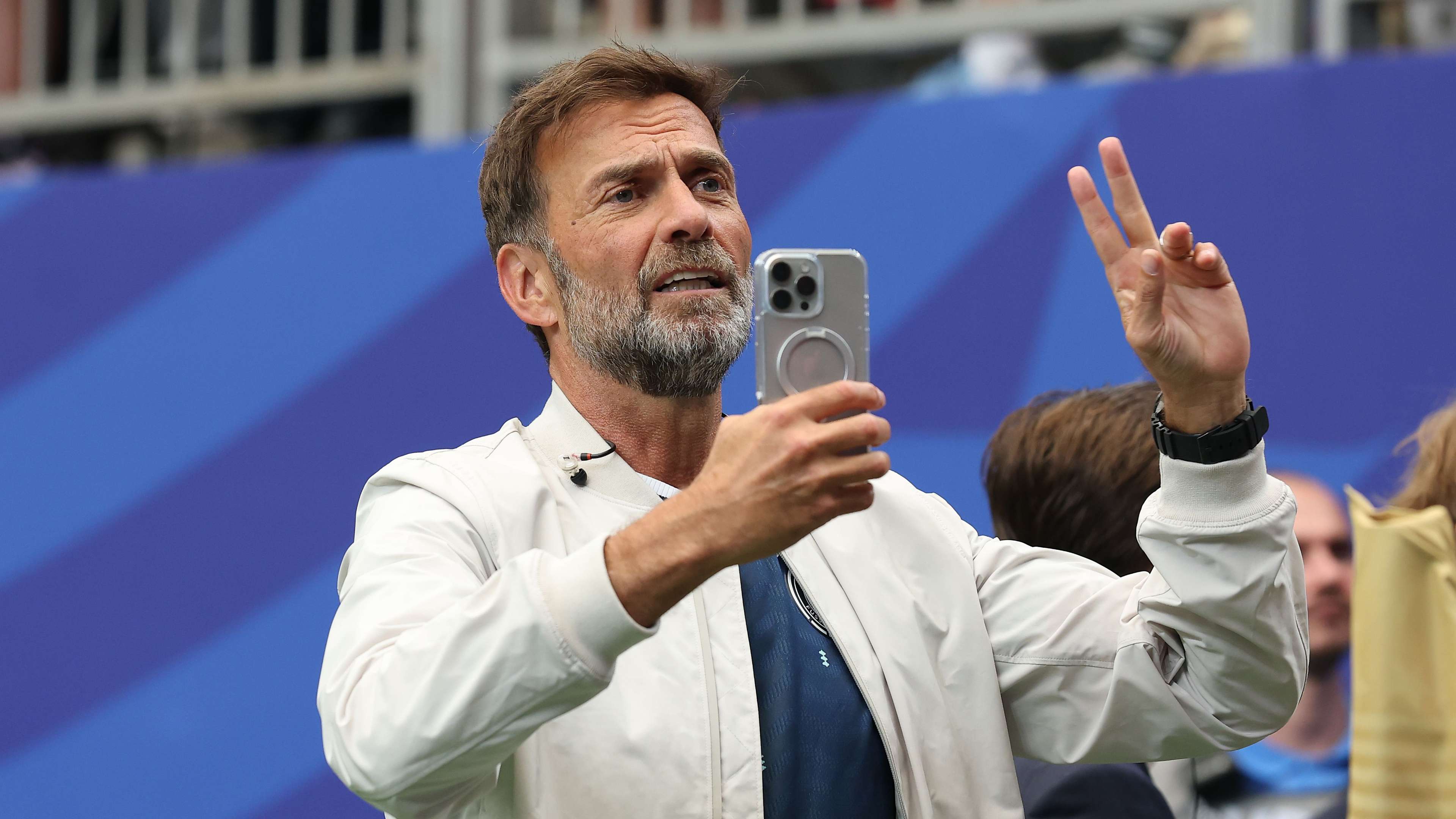

Jurgen Klopp has been named Germany's new head coach, taking over from Julian Nagelsmann following the national team's World Cup elimination. The 59-year-old manager has terminated his contract with Red Bull to lead the German Football Association into a new era, signing a four-year deal that will keep him in charge through the 2030 World Cup.
The appointment represents one of international football's most significant managerial changes. German Football Association president Bernd Neuendorf confirmed that Klopp was the DFB's unrestricted first-choice solution, citing his proven track record of winning trophies and his ability to inspire players and supporters alike. Watzke, DFB vice-president, praised the appointment, stating that Klopp makes his players better while possessing the leadership qualities needed to unite the national team at a critical juncture.
Klopp's Vision for German Football
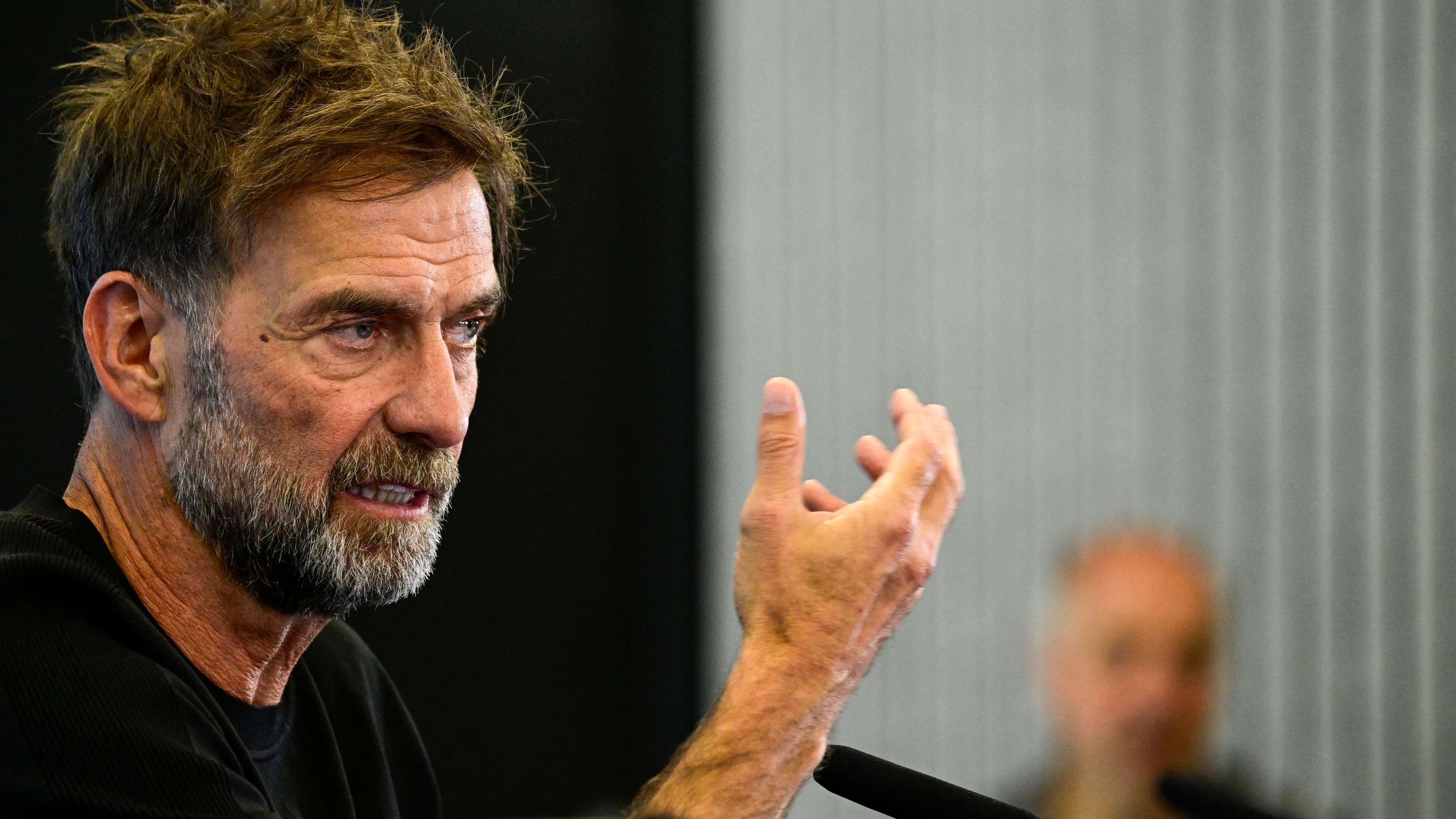
Klopp outlined his ambitions in a statement to German media, emphasizing the symbolic power of the national team. He declared: "The national team can unite us Germans like almost nothing else. That's precisely what makes this task so special for me." The Gegenpressing tactician vowed to build a squad that fights for one another, enjoys playing football, and earns the complete conviction of the German people.
He will be supported by a coaching staff featuring Peter Krawietz, Pepijn Lijnders, and Sven Bender—a combination bringing extensive Champions League and international experience. Klopp expressed gratitude for his time at Red Bull, where he spent eighteen months before securing this opportunity.
Immediate Fixtures Set Testing Schedule
Klopp has little time to prepare, with four international matches scheduled between late September and early October. His first fixture comes away to the Netherlands on September 24, followed by a home game against Greece in Augsburg three days later. Germany then face Serbia in Munich on October 1 and complete the cycle with an away fixture in Greece on October 4, giving the new manager an immediate opportunity to begin reshaping the team's identity and competitiveness.