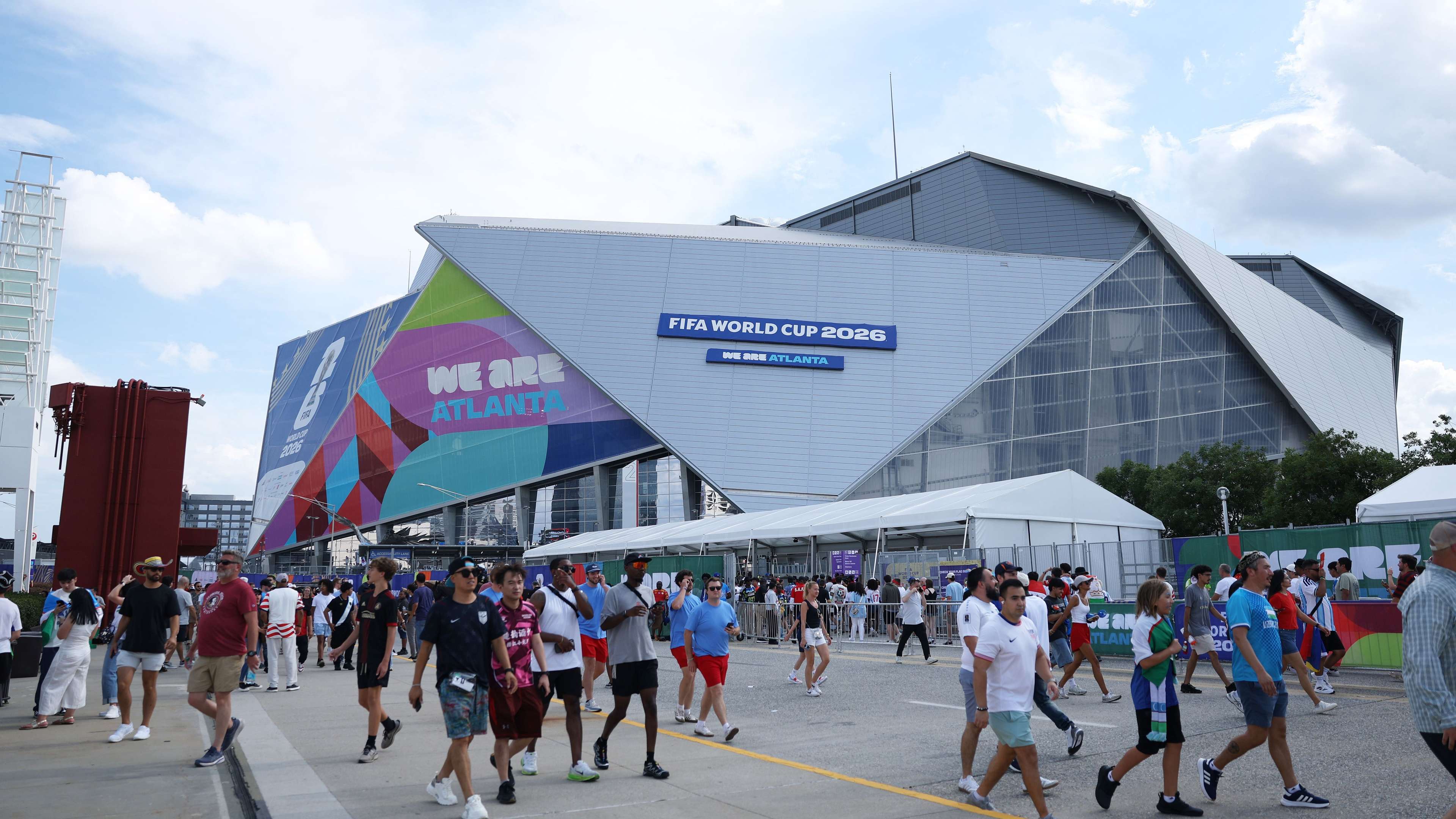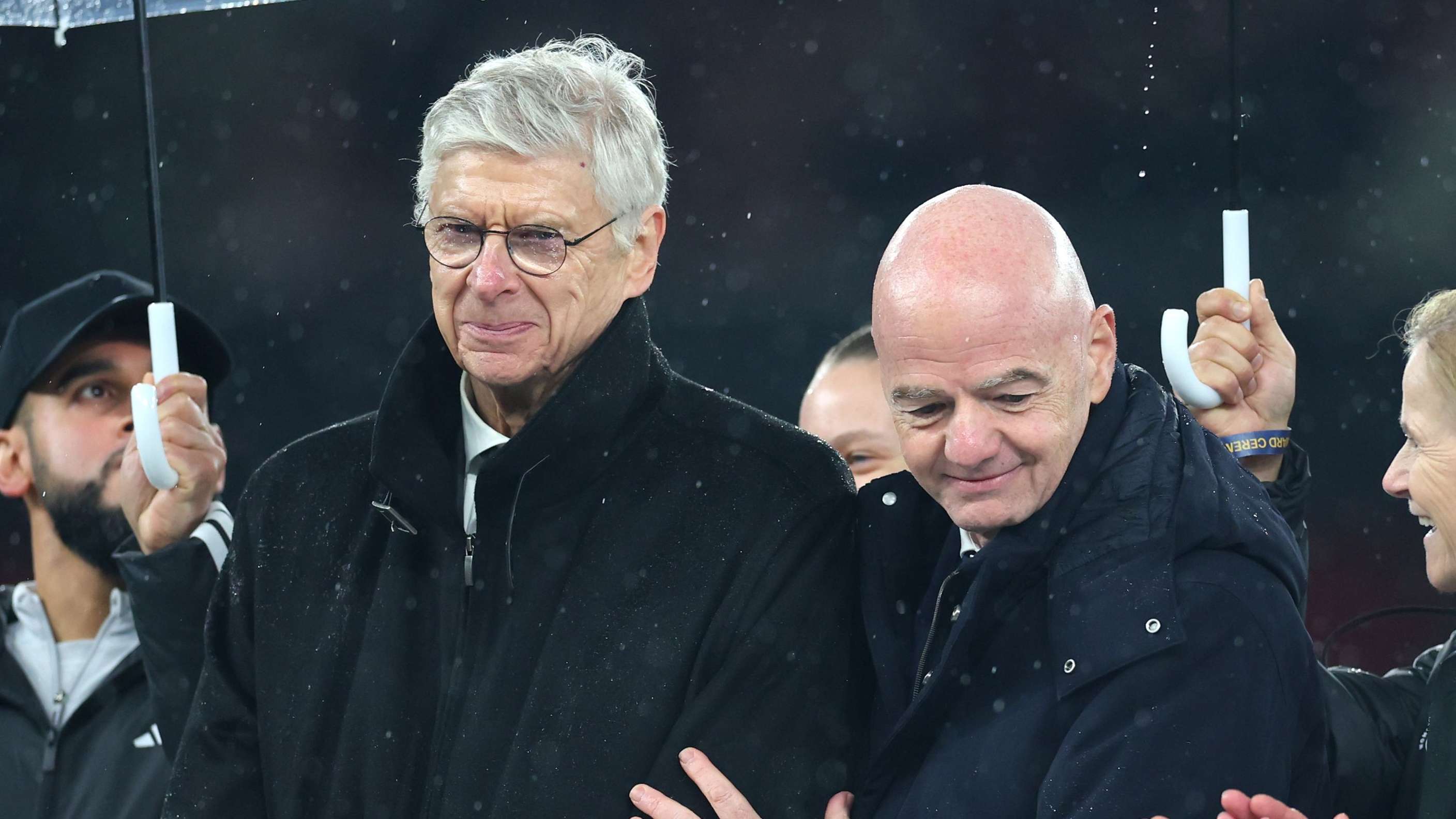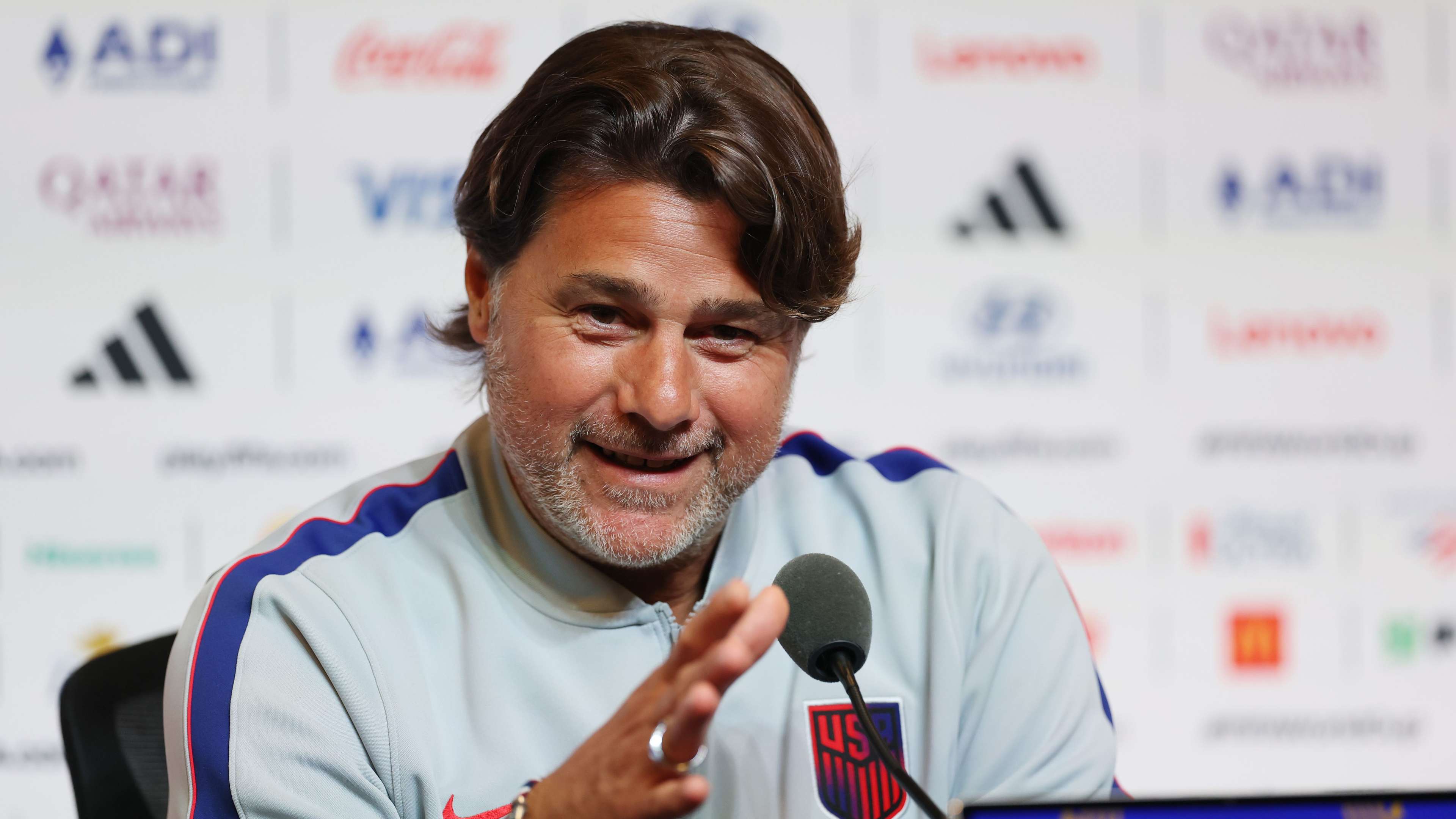
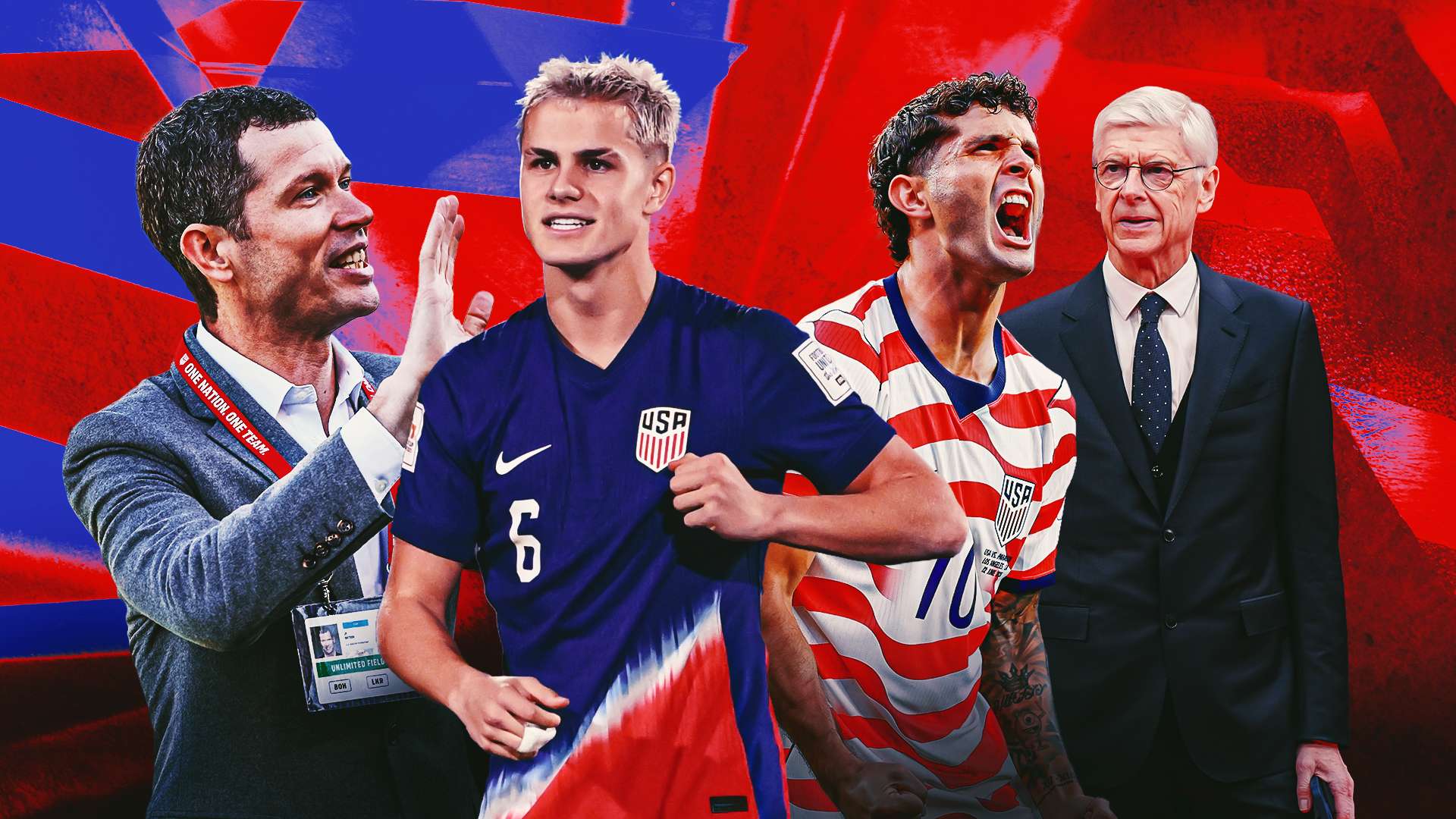
Arsene Wenger, FIFA's Chief of Global Football Development, has joined U.S. Soccer leadership at the newly opened Arthur M. Blank National Training Center to chart a transformative course for American soccer. The legendary former Arsenal manager toured the state-of-the-art facility in Atlanta and immediately grasped what truly matters: the blueprint extends far beyond bricks and mortar. "For me, it all starts out there," Wenger said, gesturing toward the training pitches. Yet infrastructure alone cannot solve the systemic challenges holding back the world's most developed nation from becoming a consistent soccer power.
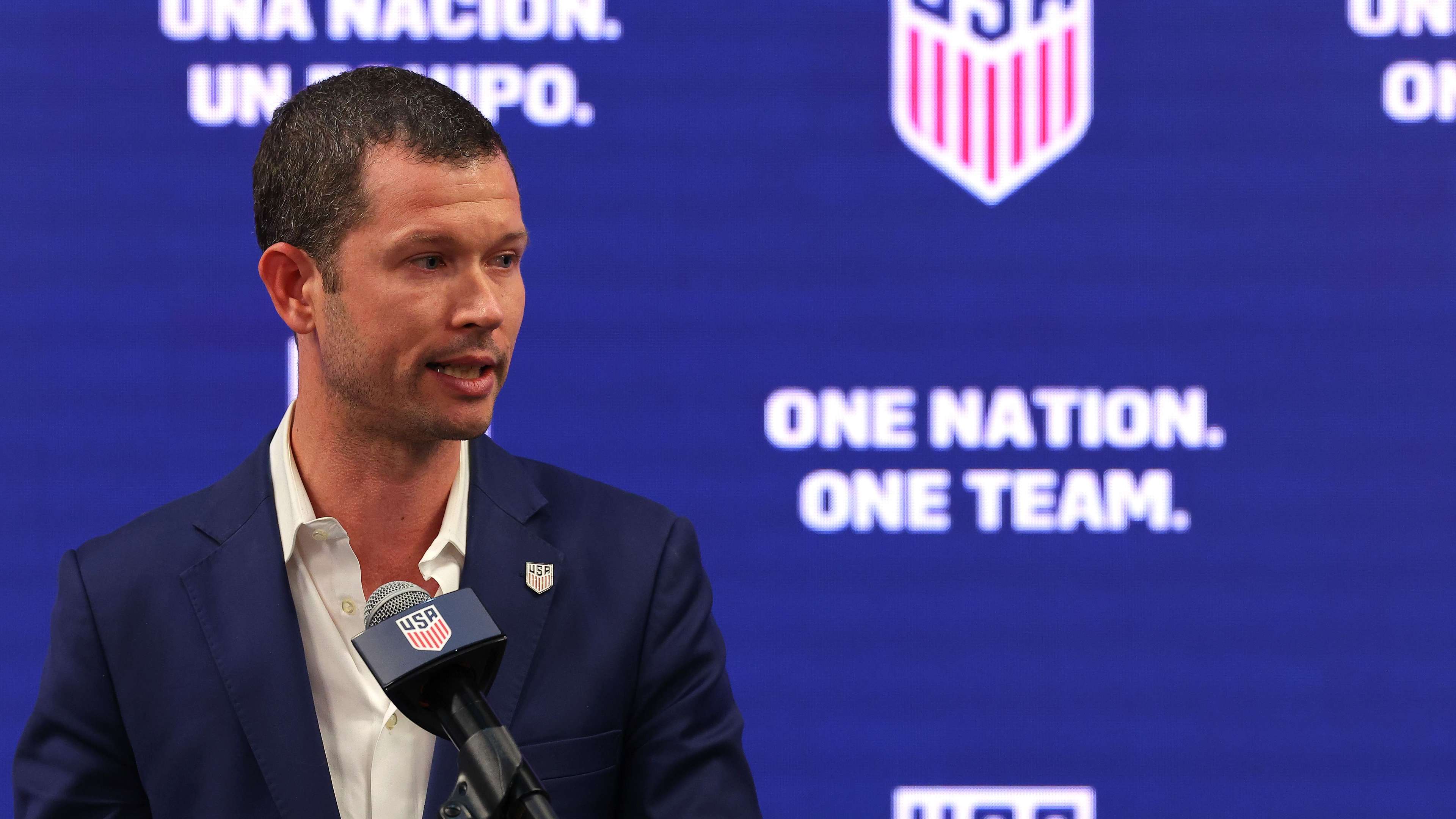
With the 2026 World Cup now concluded, U.S. Soccer faces a critical juncture. CEO JT Batson and COO Dan Helfrich are tasked with implementing sweeping reforms that target the sport's deepest structural problems. Batson articulated the federation's ambition plainly: "We want to be Argentina, we want to be Spain, competing in a final." Achieving that goal requires dismantling the pay-to-play model that has long restricted access for working-class families and implementing a comprehensive national development strategy aligned with elite international standards.
The Real Problems Blocking American Soccer's Rise
The 2026 World Cup served as both celebration and wake-up call. Though the U.S. Men's National Team showed promise in the group stage, they remained visibly outmatched by elite competitors. The Women's National Team, historically dominant, now faces a narrowing advantage as other nations invest heavily in their programs. Wenger acknowledged the federation's sincerity in addressing these gaps: "I feel there is a sincere desire to tackle the real problems. We cannot guarantee success, but they really want to do something about the situation."
Helfrich outlined three pillars of reform: improving access and affordability for youth players, aligning the fragmented youth development system into a coherent pathway, and raising coaching standards across all age groups. These changes target the fundamental inequalities that have prevented American talent from flourishing at younger ages. Since 1994, when the U.S. co-hosted the World Cup, the sport has grown exponentially—yet structural barriers have persisted.
A Five-Year Window to Reset American Soccer
The federation has identified an 18-month runway from summer 2024 through the 2026 Copa América, followed by the Los Angeles 2028 Olympics and the 2031 Women's World Cup. This clustering of major tournaments creates urgency for sustained investment in youth talent pipelines. The goal is audacious: make soccer the most widely played sport in every American community while positioning both the men and women to compete for major trophies consistently.
Wenger and U.S. Soccer leadership believe the ingredients exist—superior facilities, growing grassroots interest, and now, explicit strategic clarity. "The recipe is here," Helfrich emphasized. "We just need to be ruthless and clear in our execution of it." The next phase of American soccer will be determined not by what gets built, but by what gets fixed at the foundation.