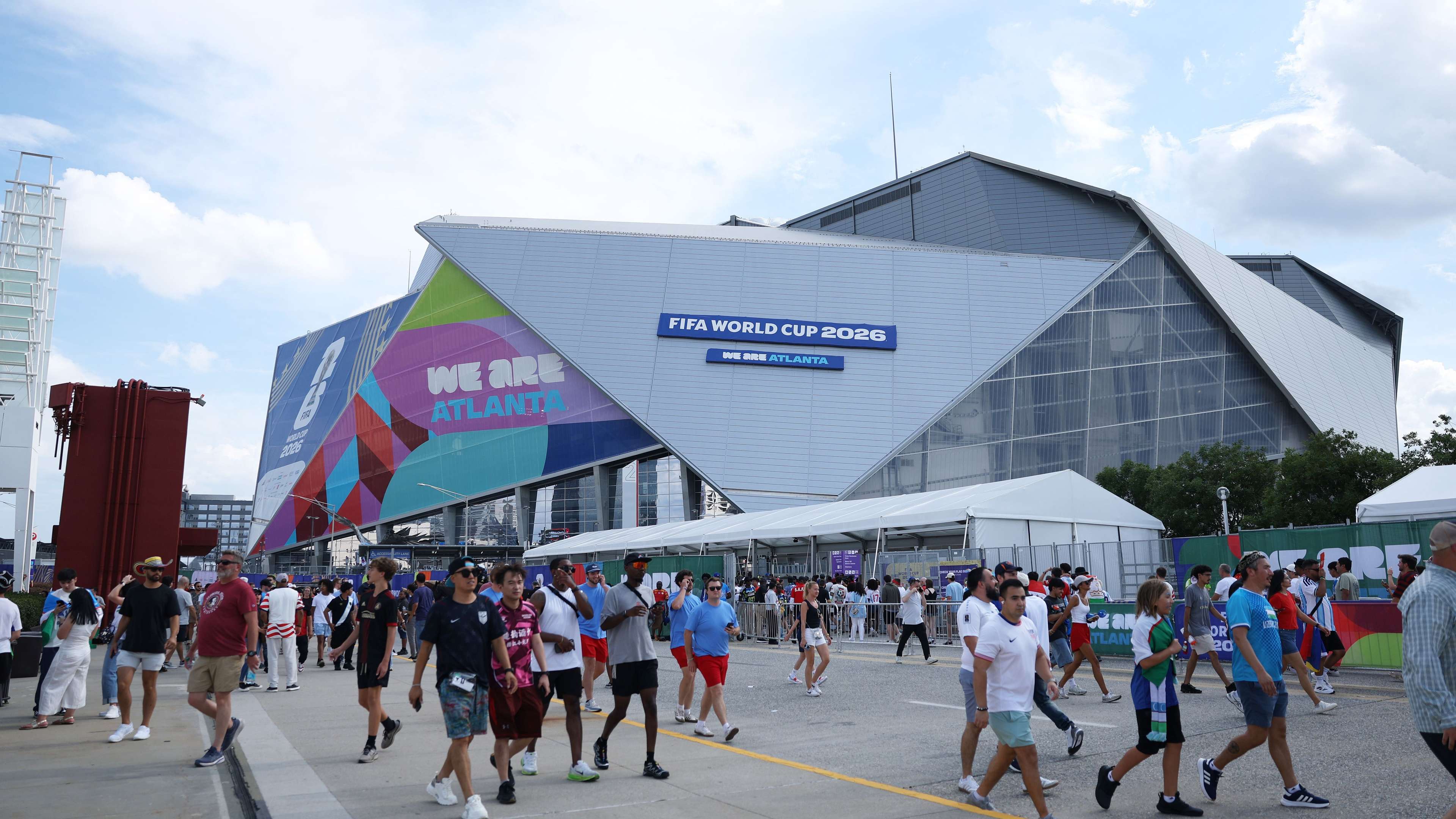
Atlanta has emerged as North America's premier soccer destination, a status cemented by hosting eight matches during the 2024 World Cup with over half a million fans visiting the city's fan festival. Yet the story of soccer in Atlanta stretches back nearly 60 years, long before international tournaments validated what locals had always known: that this city possessed a genuine, grassroots passion for the beautiful game.
The foundation was laid in 1967 when Dick Cecil, an Atlanta Braves executive, launched the Atlanta Chiefs after becoming fascinated by coverage of the 1966 World Cup. Cecil's vision was ambitious and unconventional. Recognizing that Atlanta lacked the immigrant communities typically associated with soccer enthusiasm, he recruited talented players from 14 different countries on a unique arrangement: they would compete professionally for six months, then spend the remaining six months coaching and introducing the sport to local youth. This dual approach proved transformative. The Chiefs defeated Manchester City twice in friendlies and won the first NASL Championship in 1968. Within two years, organized soccer participation in the city exploded from approximately 150 players in 1966 to 16,000 by mid-1968.
Building a Soccer Culture Through Generations
The ripple effects of the Chiefs' success extended far beyond that initial wave. One notable legacy: Kaizer Motaung, a Chiefs star, returned to South Africa and founded Kaizer Chiefs, directly inspired by the Atlanta team's identity. Meanwhile, children who learned the game through the Chiefs' coaching initiative grew into soccer fans themselves. Jason Longshore, a media commentator who has covered soccer in Atlanta for 30 years, witnessed this generational progression firsthand. He remembers watching the 1986 World Cup as a young fan, captivated by Diego Maradona's two-goal performance against Belgium in the semifinal.
When Atlanta United eventually joined Major League Soccer decades later, the city already possessed an established soccer consciousness. The path to an MLS franchise involved setbacks—the original Chiefs stadium was demolished in 1997, leaving the city without a permanent soccer home—but the cultural foundation remained intact. What distinguishes Atlanta from other North American cities that have embraced soccer more recently is authenticity. As Longshore explained, "Atlanta doesn't try to be something else. Atlanta is just what Atlanta is." The city's soccer identity grew organically from investment in grassroots coaching and youth development, not from top-down corporate imposition.
The 2024 World Cup showcased what half a century of commitment had built. Atlanta welcomed World Cup visitors not as a city adapting to soccer, but as a city whose soccer traditions were finally receiving global recognition. This distinction matters. While other tournament venues felt like American cities temporarily hosting an international event, Atlanta felt like a destination returning home. The city's ability to draw over 500,000 fans to festival activations reflected genuine soccer engagement woven into the urban fabric since the 1960s, promising continued growth as youth soccer participation continues rising across the region.