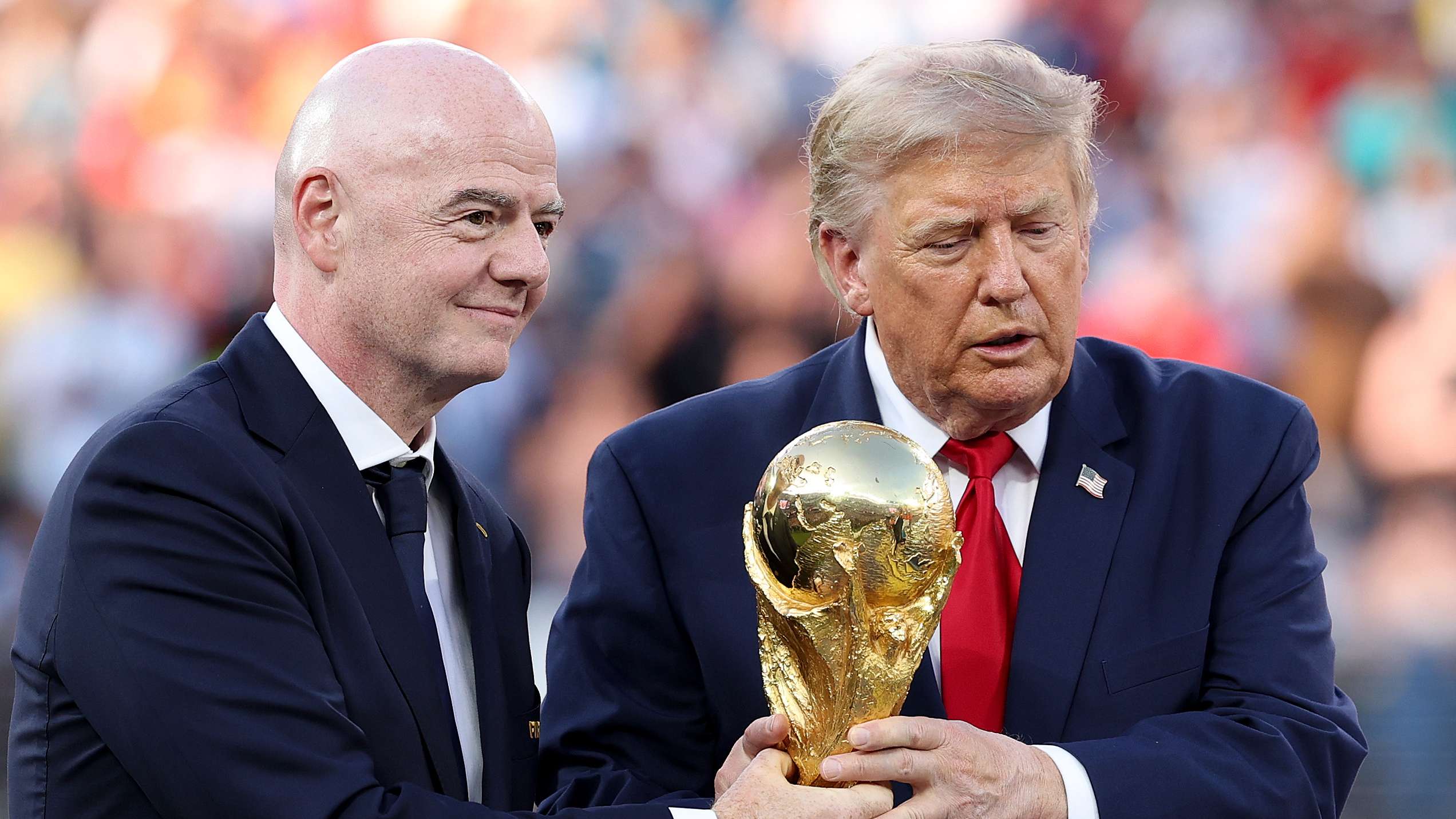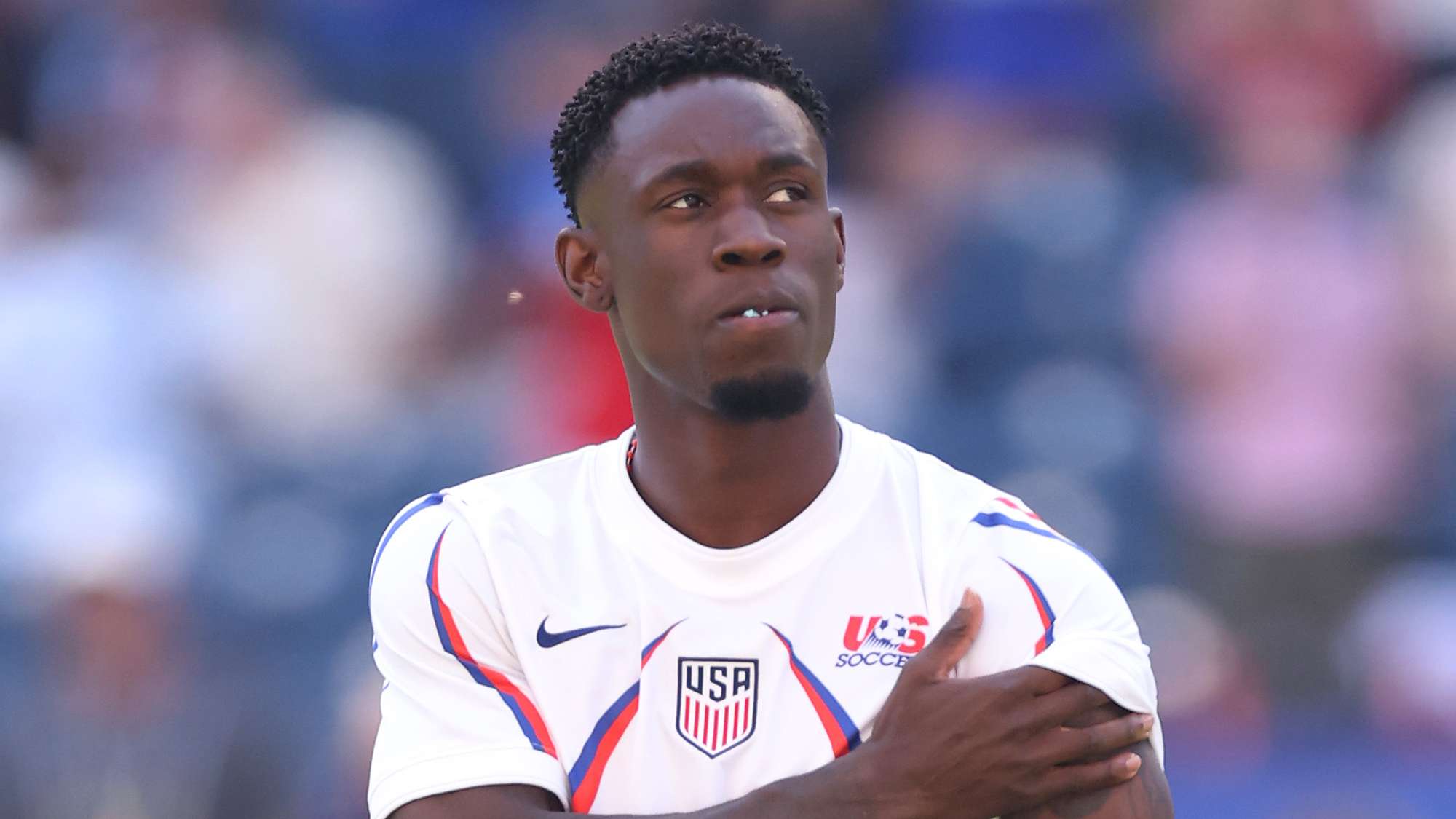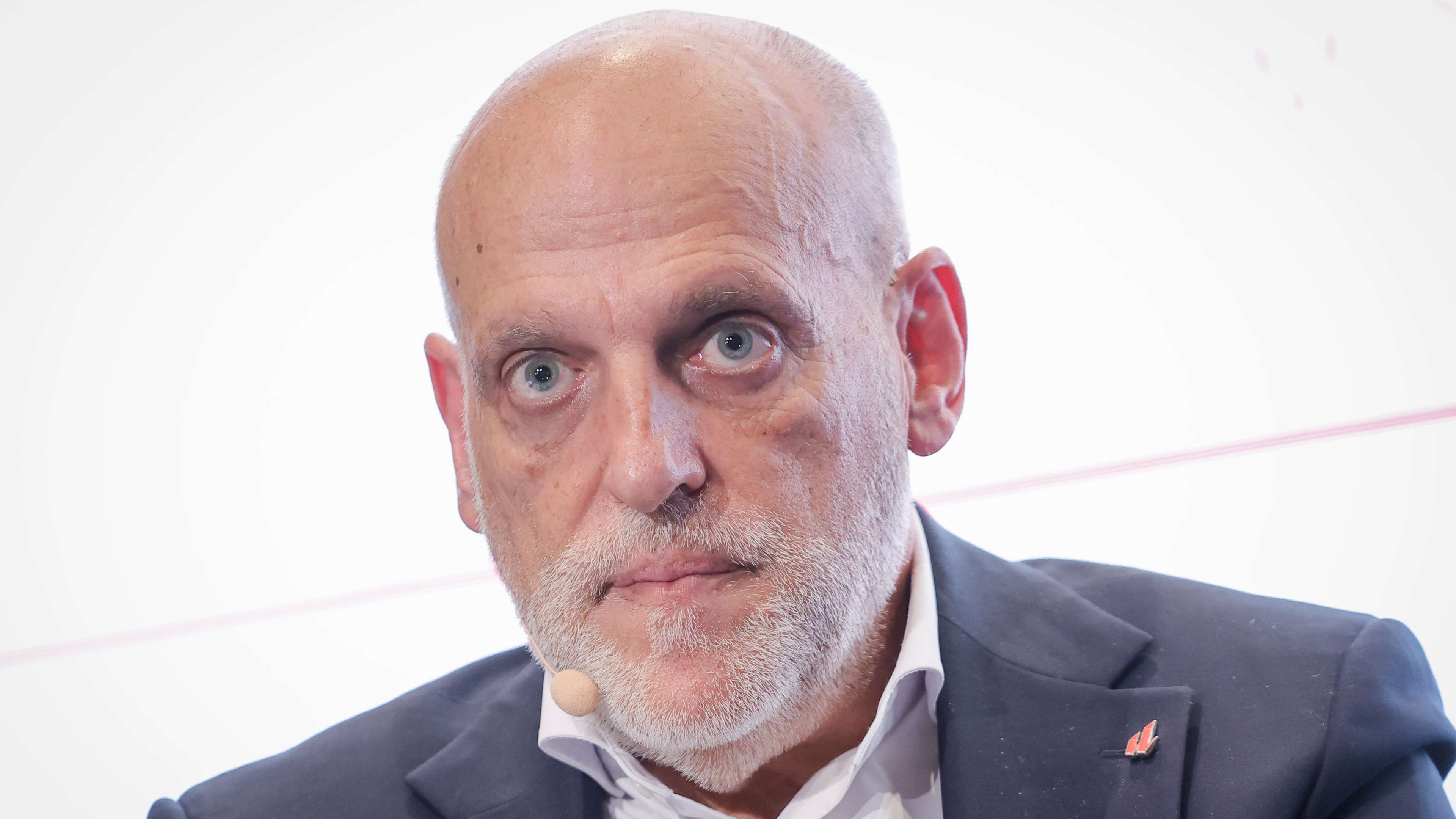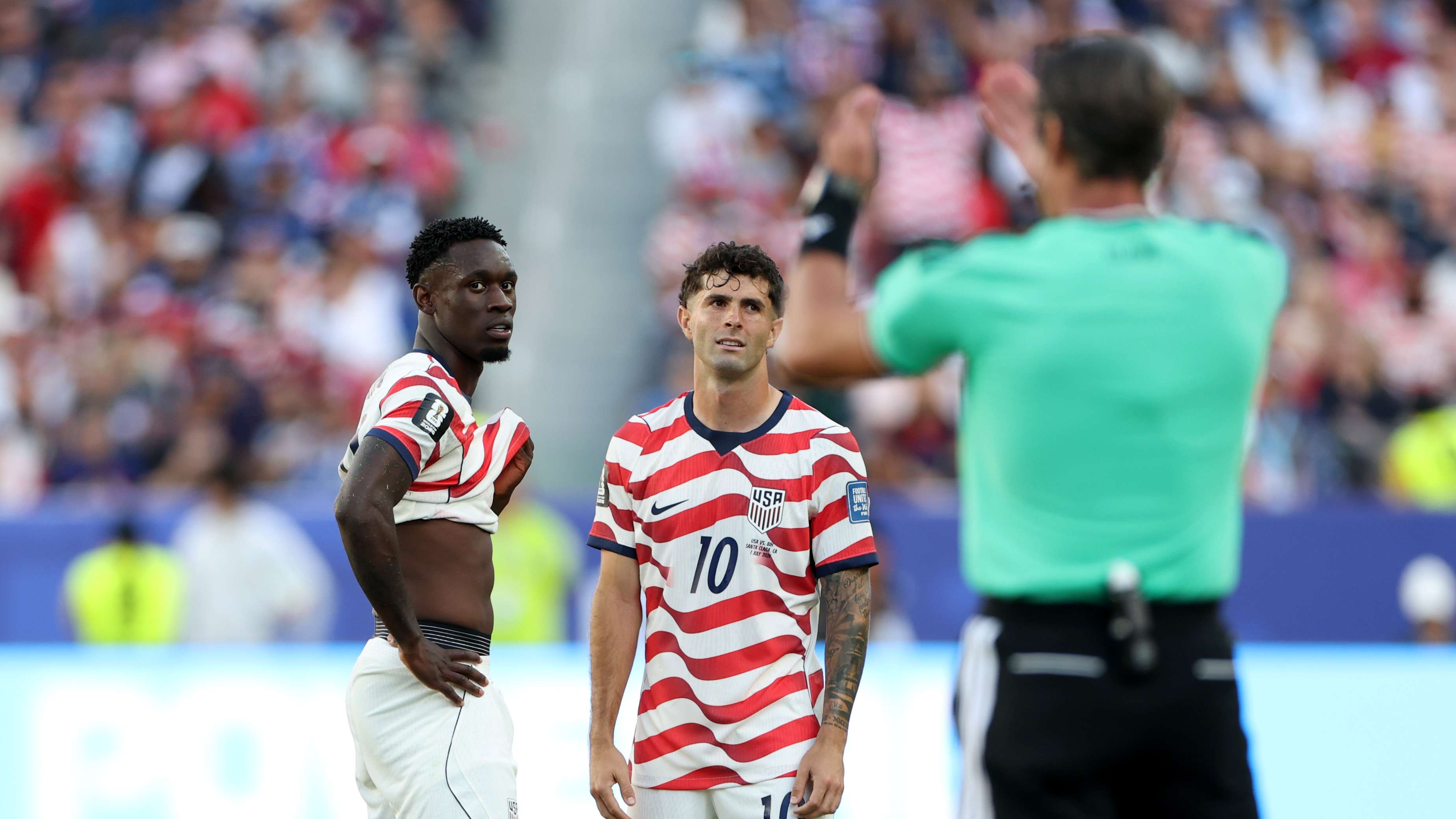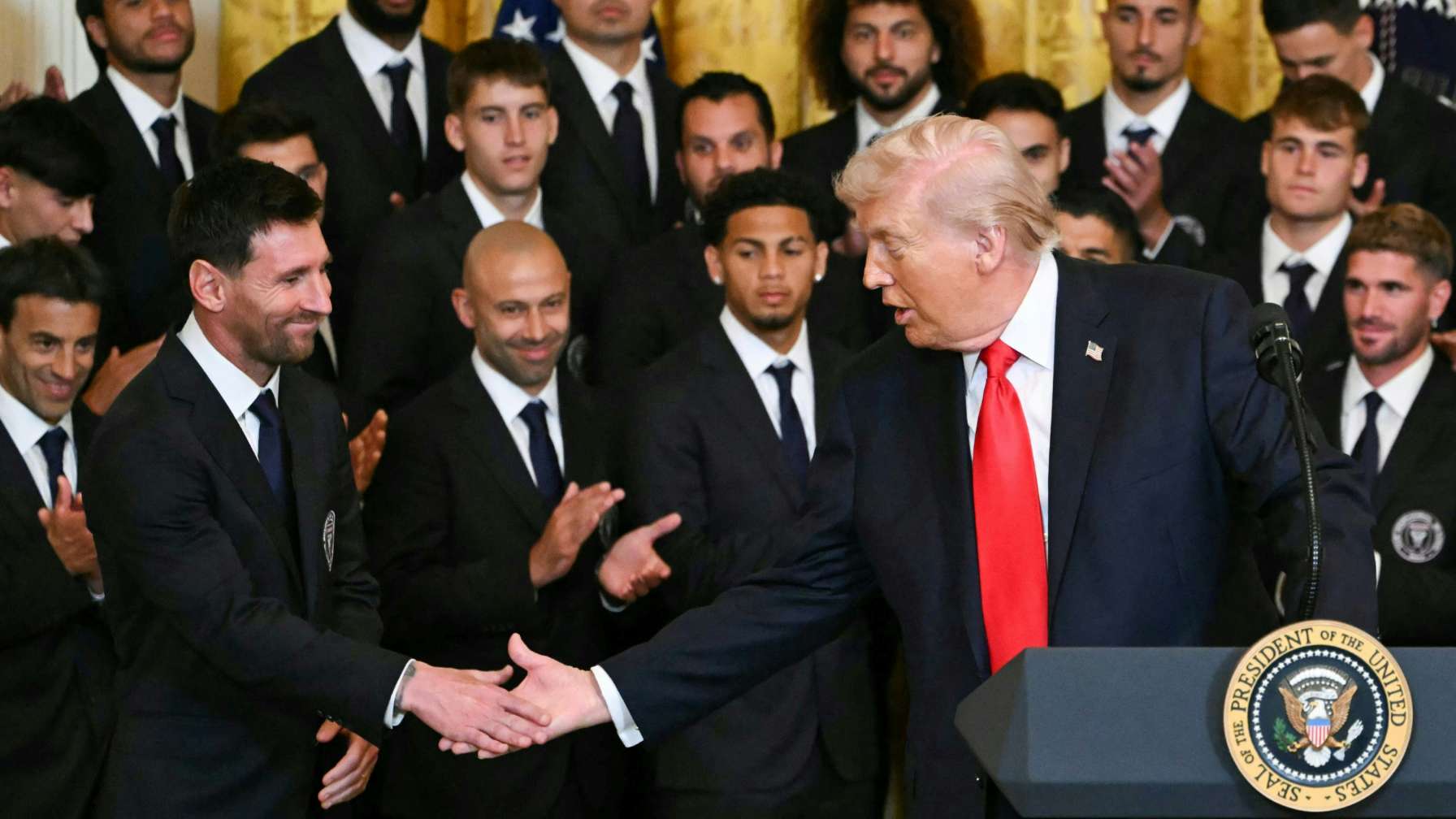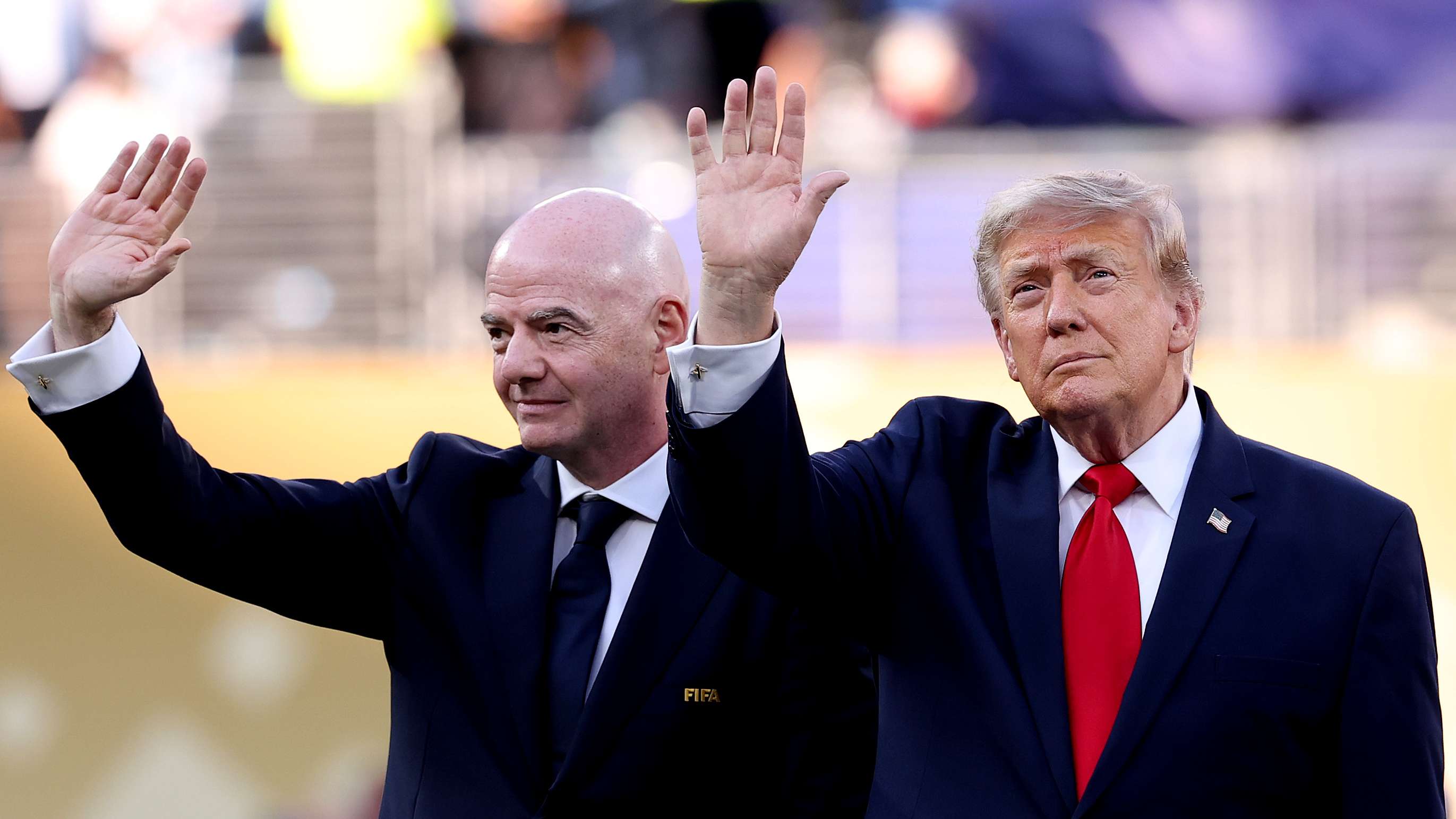
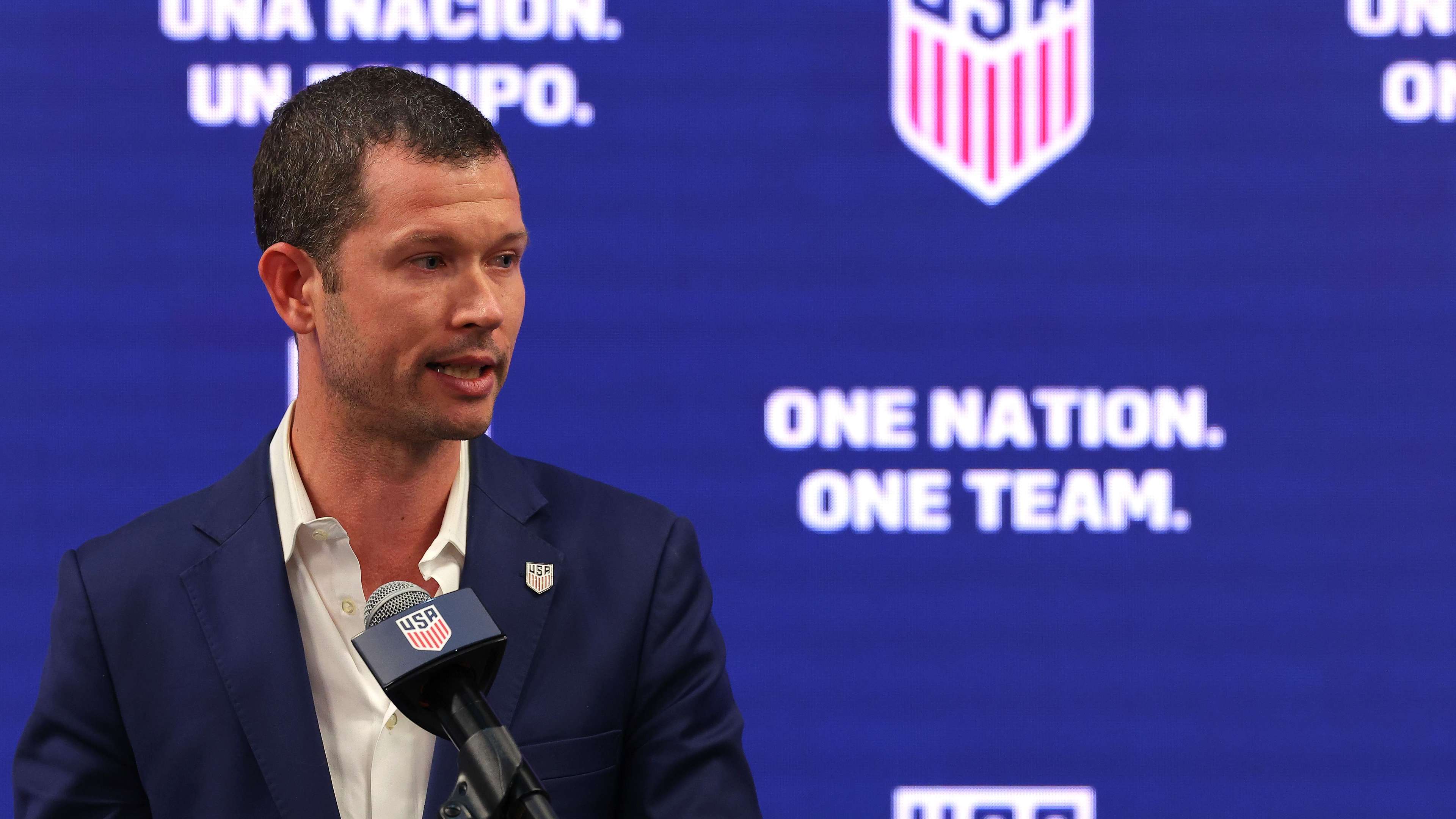
J.T. Batson, the chief executive of U.S. Soccer, has defended President Donald Trump's involvement in Folarin Balogun's World Cup suspension reversal, stating that the president has the authority to act as he sees fit. Speaking in Atlanta on Thursday alongside FIFA's Arsène Wenger and U.S. Soccer's operational leadership, Batson addressed the controversy that erupted when Trump contacted FIFA President Gianni Infantino before Balogun's one-match ban was lifted ahead of the USMNT's match against Belgium.
The incident drew sharp criticism from international football authorities and rival nations, particularly Belgium, who felt the intervention compromised FIFA's disciplinary independence. Despite FIFA's official stance that its process remained impartial, the White House's public acknowledgment of Trump's phone call to Infantino raised questions about political pressure influencing sporting decisions. Batson framed the matter differently, emphasizing that such support reflects growing passion for American soccer rather than overreach. "The President is the President of the United States," Batson told reporters, adding that the outpouring of support demonstrates the sport's expanding cultural footprint in the country.
Balogun Reflects on the Distraction
Balogun himself acknowledged in a CBS interview that the extraordinary circumstances created tension within the squad. The English forward, who had been suspended for a challenge deemed excessive, felt relief at his reinstatement but recognized the broader implications. "When I kind of started to reflect, I knew it was going to cause a lot of controversy," Balogun said. The external noise surrounding his return complicated the team's preparation, though he attempted to maintain focus. The USMNT ultimately lost to Belgium 4-1, a result that underscored how off-field drama can disrupt performance on the pitch.
Looking Forward: Youth Development and Structural Reform
Beyond the Balogun saga, Batson and his leadership outlined a broader modernization plan for American soccer. The organization is committed to overhauling youth pathways, talent identification, and coaching education—areas deemed critical to competing with traditional powerhouses like Spain and Argentina. Wenger, now serving FIFA's development agenda, emphasized the long-term educational investment required for the USMNT to ascend to elite status. This World Cup cycle has been framed internally as a stepping stone rather than a destination, with structural improvements expected to yield tangible results in future competitions.
Batson's comments reflect a calculated strategy: acknowledging executive-level engagement while positioning it within a narrative of national investment and sport's growing relevance in American discourse. The challenge ahead lies in translating administrative commitment into on-field success, particularly as the men's program pursues its first World Cup final appearance.