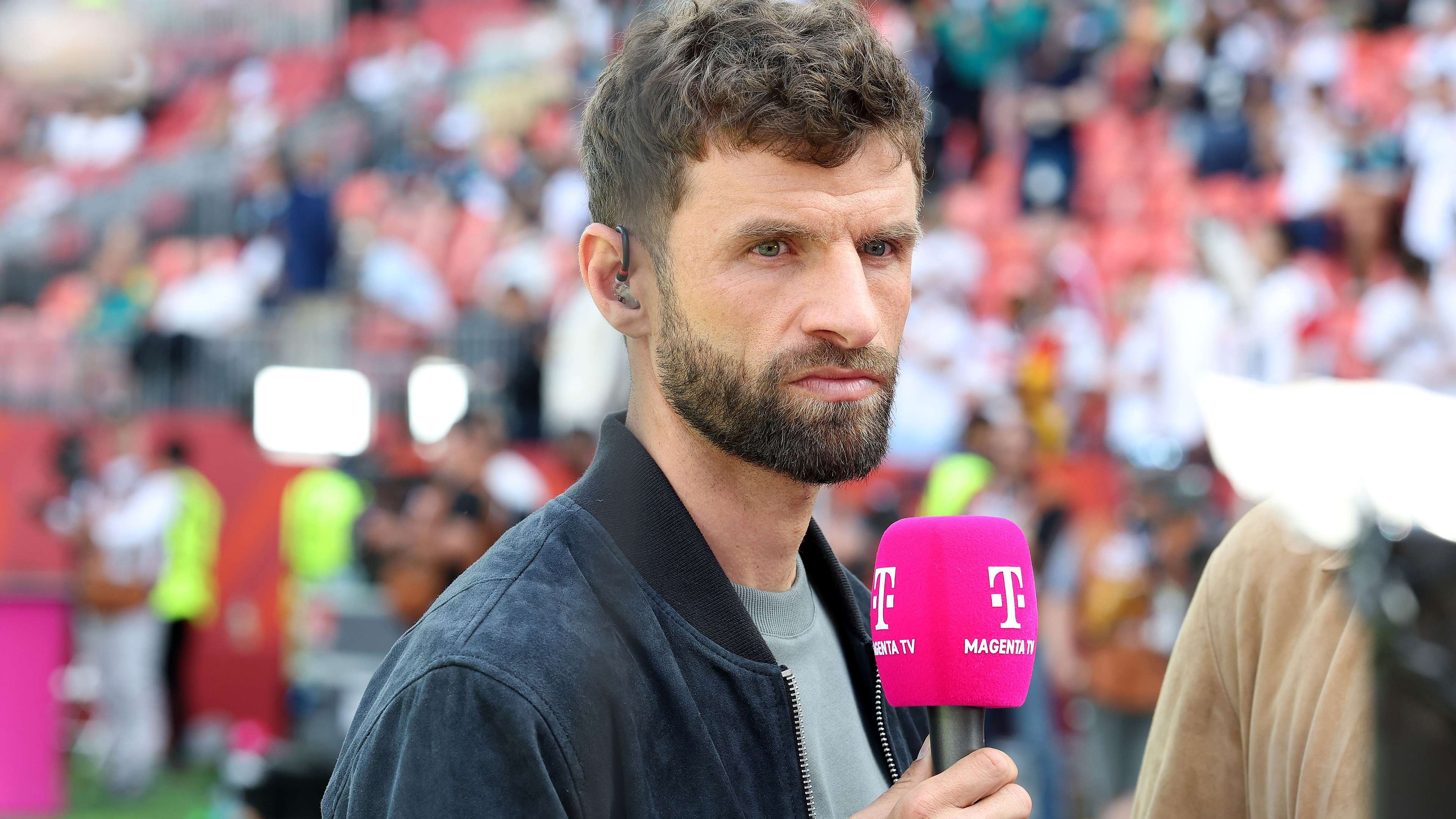
Thomas Müller has revived the controversial debate surrounding referee treatment of Lionel Messi, claiming the Argentina captain's presence influenced official decisions during international football's biggest stage. The German midfielder's fresh allegations emerge from a video now circulating widely, where he revisits a specific moment and suggests systemic bias may have affected match outcomes.
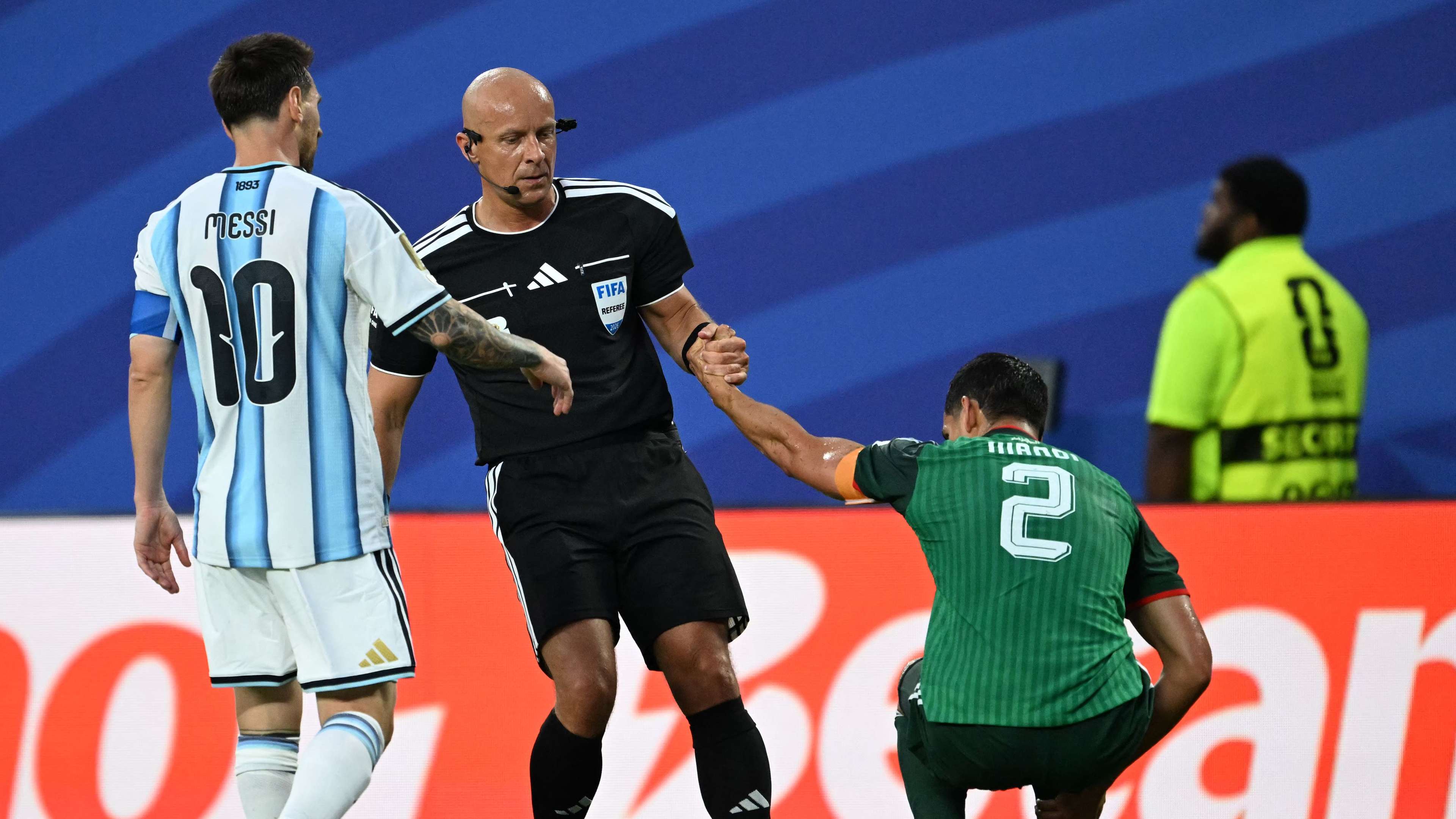
In the footage, Müller describes an incident from Germany's quarter-final clash against Argentina at the 2010 World Cup, a fixture the Germans dominated 4-0. He recounts receiving a yellow card after the ball struck his hand in a natural position beside his body. According to Müller's account, he believes referee proximity to Messi influenced the decision. "The referee immediately showed me a yellow card, and I think the reason is simply that Messi was standing beside me," Müller stated. He added that Messi's body language—appearing to appeal to the official—may have conveyed an unspoken message requesting leniency.
Broader Refereeing Controversy at 2026 Tournament
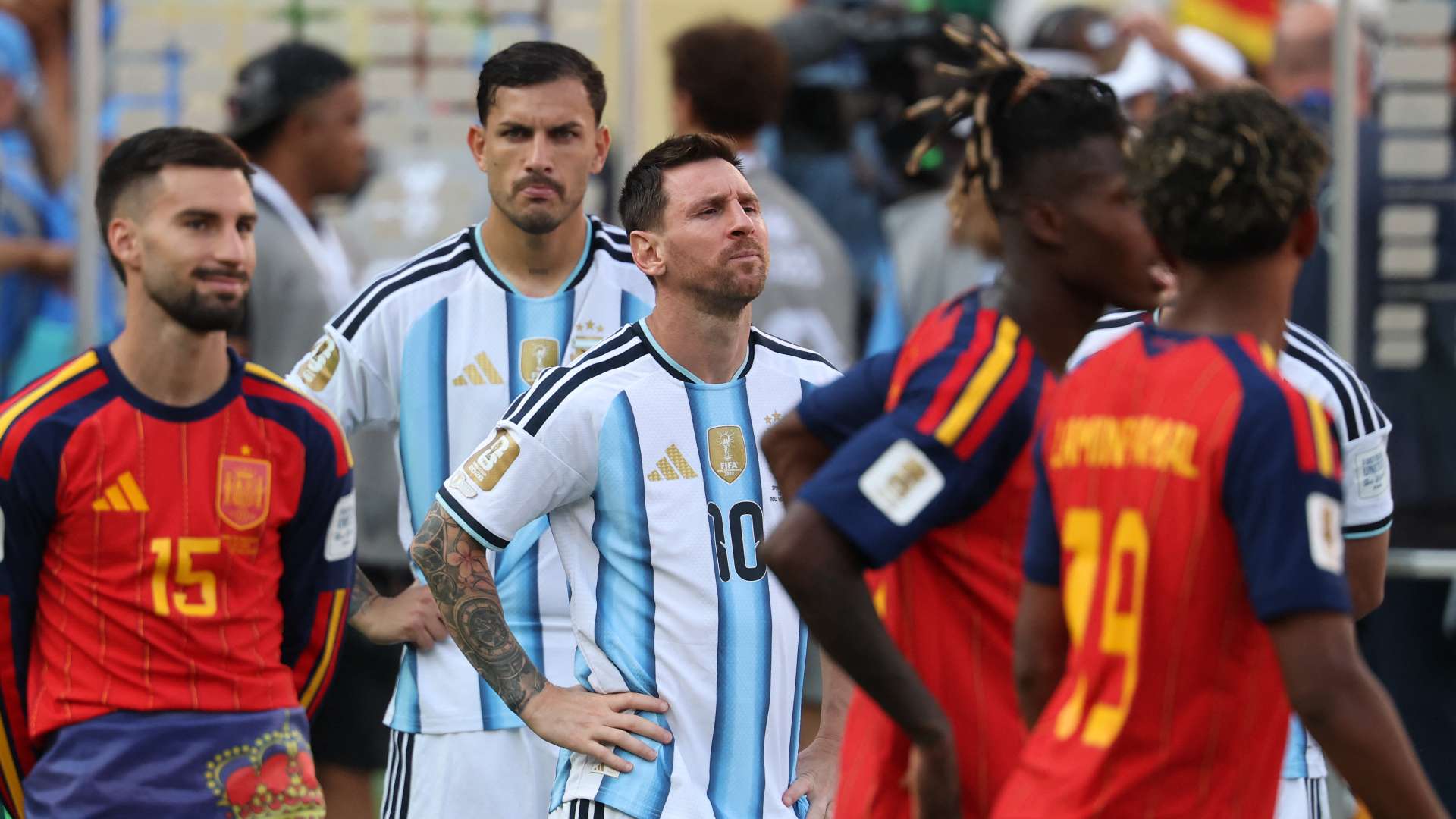
Müller's comments tap directly into widespread scrutiny that followed Argentina throughout the 2026 World Cup. Observers and media outlets documented a pattern of contentious refereeing calls that benefited the Albiceleste across multiple matches. Match reports highlighted disputed penalties, handball decisions, and other controversial moments that critics argued smoothed Argentina's pathway to the tournament final. Supporters of this narrative claimed the cumulative effect of these decisions provided unfair advantage.
However, defenders of the referees countered that every incident reflected legitimate interpretation of football law. They emphasized the complexity of modern VAR assessments and the subjective nature of handball verdicts, arguing no coordinated bias existed. The debate intensified as Argentina progressed further, with statistical analyses attempting to measure whether officiating truly favored one nation over others.
Müller's intervention reignites dormant tensions within football's governance structure and raises fresh questions about whether elite players receive different treatment on the pitch. His willingness to speak publicly years after the original incident signals the lasting impact such controversies have on players' perceptions of fairness in international competition.