Julian Nagelsmann has inherited a national team in crisis, tasked with rebuilding Germany's identity after consecutive group stage eliminations at major tournaments. The football world once knew German teams by their unwavering mentality and tactical discipline, but a decade of confusion about playing style has left the European powerhouse searching for its soul ahead of the 2026 World Cup.
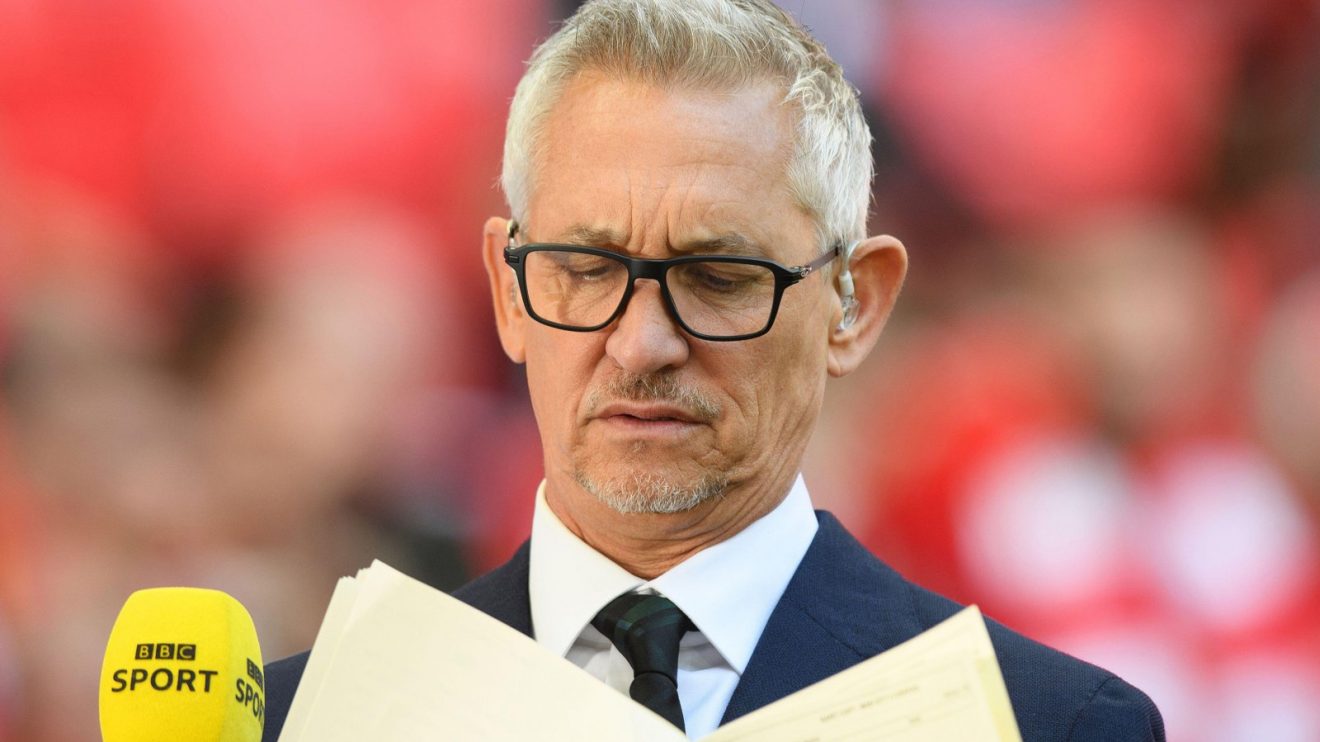
For generations, Germany represented something unmistakable: relentless organisation, self-belief at decisive moments, and an ability to win through character rather than aesthetics. Gary Lineker famously captured this after England's 1990 World Cup semi-final penalty loss, saying "22 men chase a ball for 90 minutes – and, in the end, the Germans always win." That phrase encapsulated the national team's reputation. From the heroes of Bern in 1954 through the disciplined champions of Munich in 1974 and the fighters of Rome in 1990, German football was defined by its balance of collective determination and tactical sobriety when it mattered most.
The Modernisation Era and Its Consequences
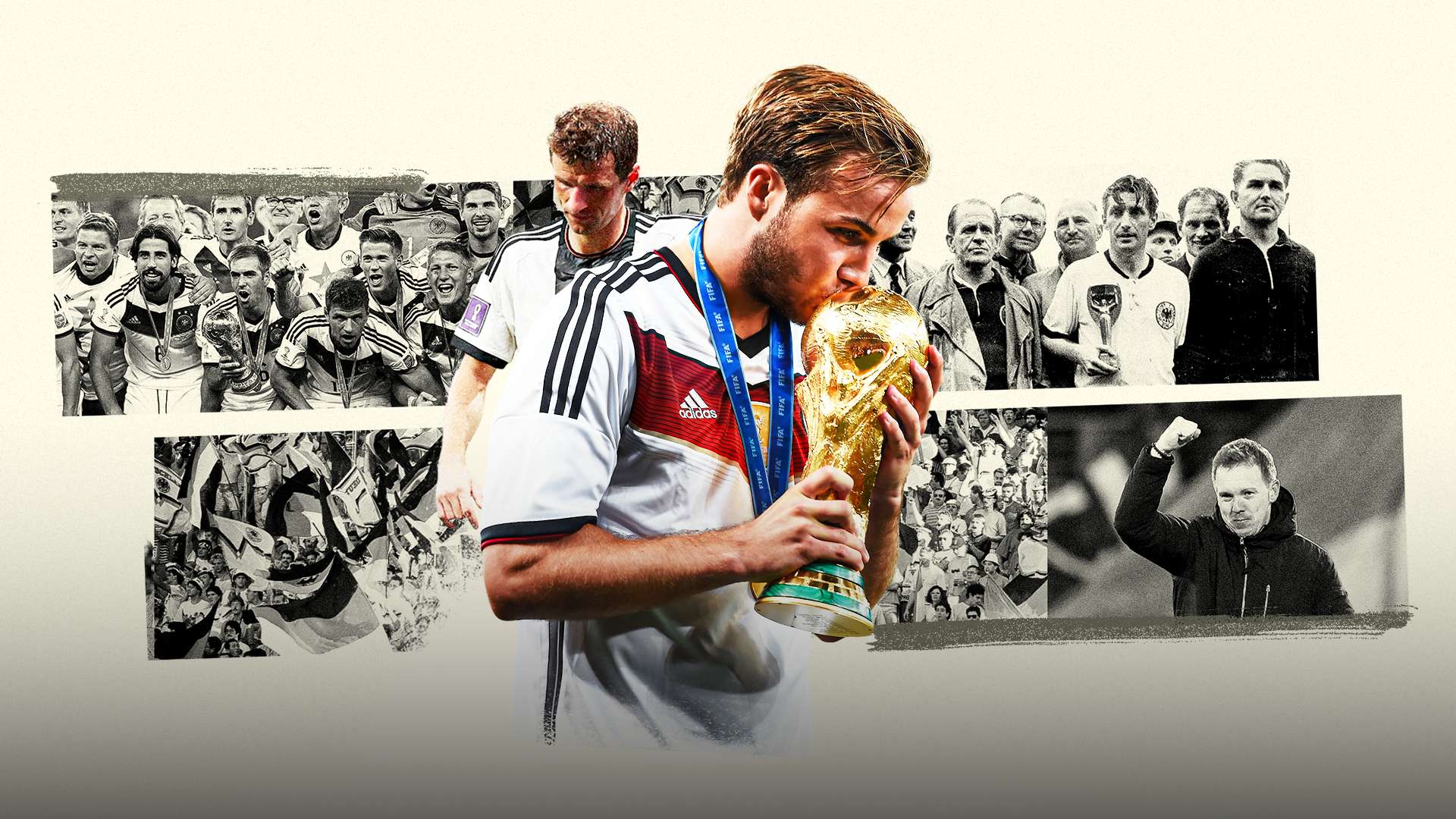
When Joachim Löw took charge after 2006, German football underwent a fundamental shift. Rather than abandoning their fighting spirit entirely, the national team began emphasising possession, control and technical precision—influenced by Pep Guardiola's philosophy and Spain's dominance of international football. This evolution reached its apex at the 2014 World Cup in Brazil, where Germany achieved perhaps their finest tactical expression: a 7-1 demolition of hosts Brazil in the semi-final demonstrated a team that could dominate opponents through superior technique and positional intelligence, not merely outlast them.
Yet this very success contained the seeds of subsequent failure. Possession became ideological rather than purposeful. The team lost its balance between attack and defence, between control and counter-threat. After Germany's shock group stage exit at the 2018 World Cup, Löw admitted his critical error: "My biggest mistake was believing we could get through with dominant, possession-based football." The admission revealed an uncomfortable truth—German national team football had strayed from its foundational identity. Technical excellence without tactical clarity, without the combative mentality that had defined previous eras, proved insufficient.
Restoring Balance for the Road Ahead
Nagelsmann's challenge is restoring equilibrium. Germany possesses world-class individual talent and technical resources, but the team needs reconnection with the organisational principles and mental toughness that once made them invincible. The 2022 World Cup group stage exit—following the same fate in 2018—underscores the urgency. His mission is synthesising the best of Germany's past: the relentless mentality of the Cold War era, the tactical innovation of Löw's early years, and the technical precision of their 2014 peak.
With qualification secured for 2026, Nagelsmann has time to embed a new philosophy that respects German football's historic DNA while meeting modern demands. The path to restoring Germany's status as a European and world powerhouse runs through recovering what made them champions for decades—not by abandoning progression, but by refusing to abandon the mentality that defines true greatness.