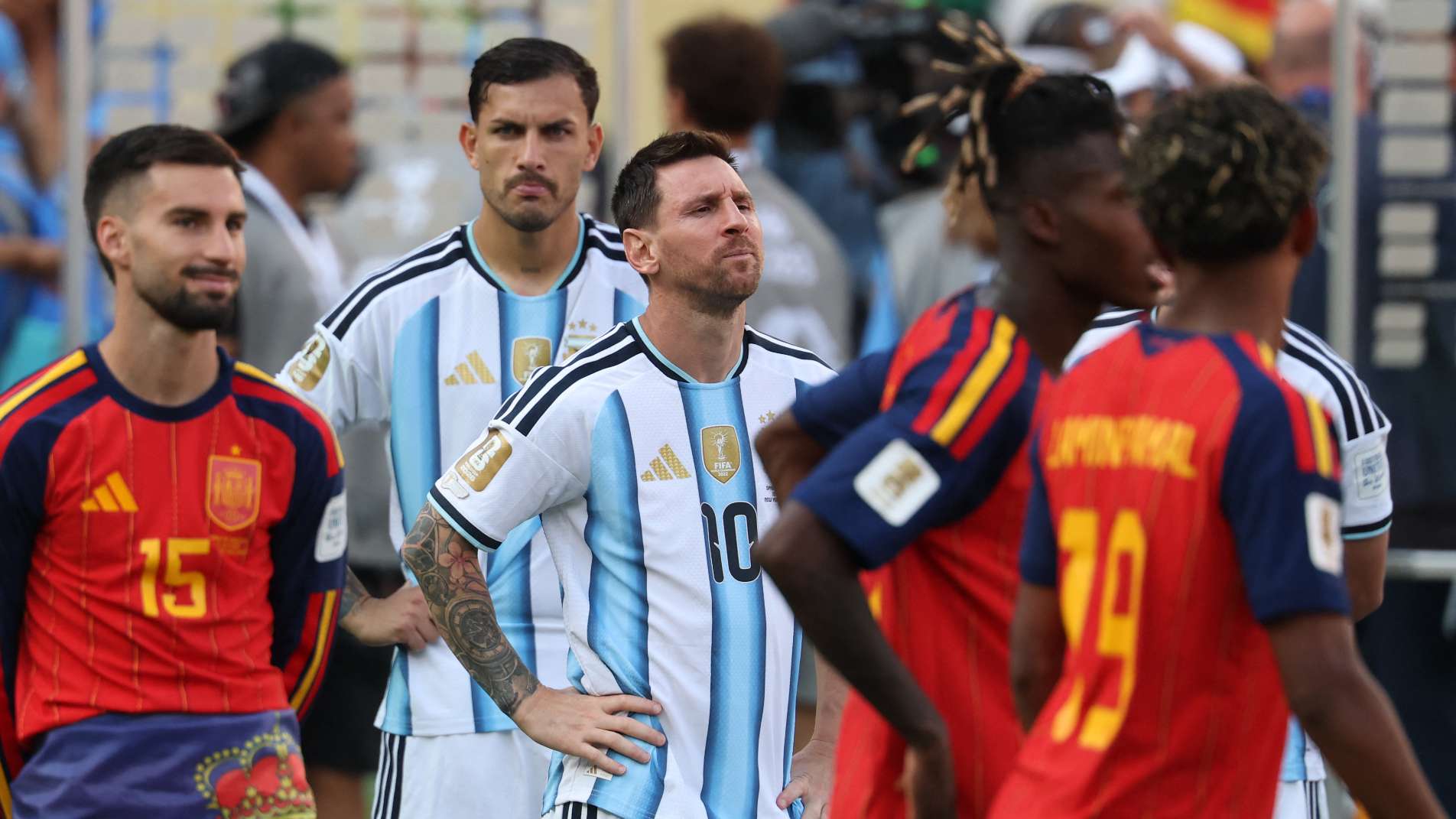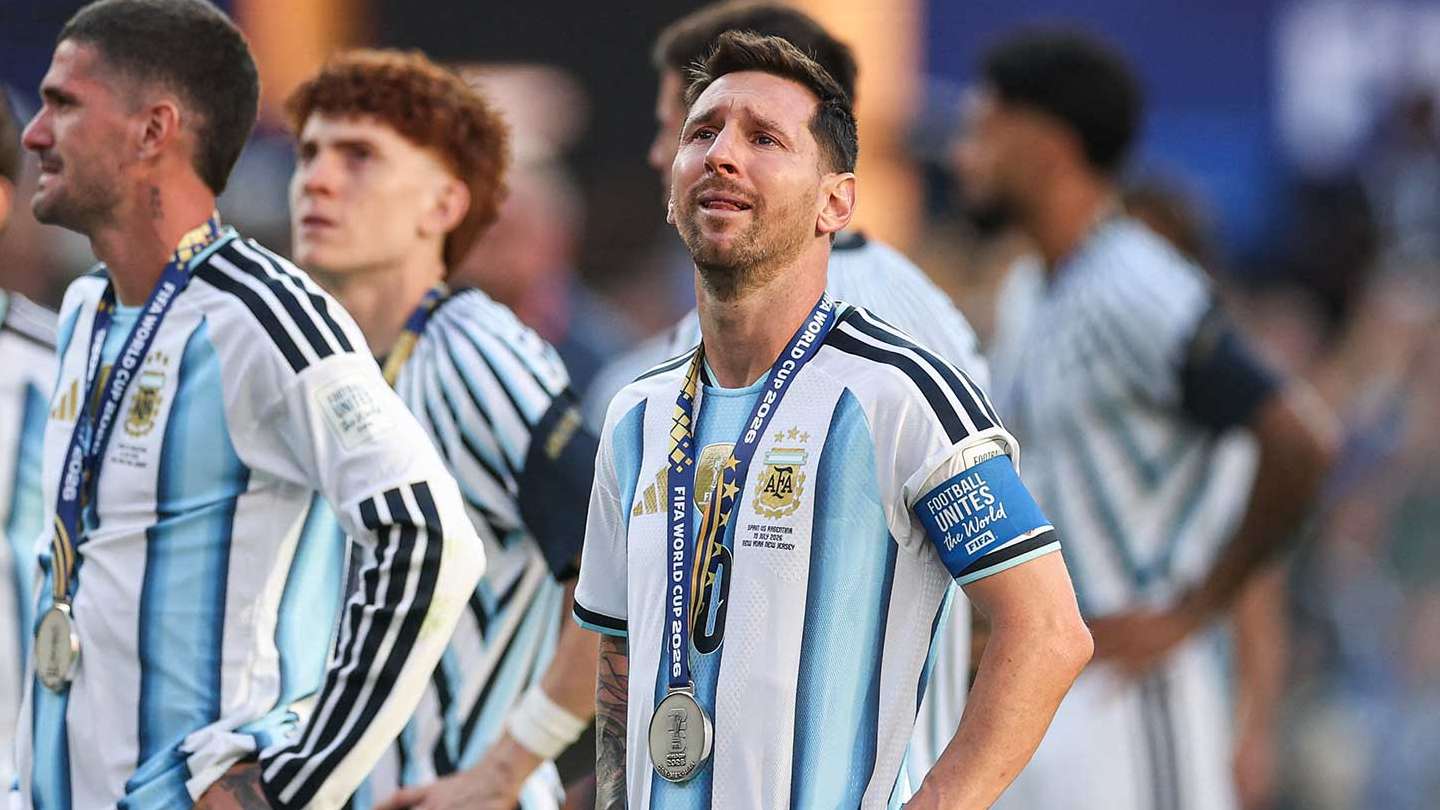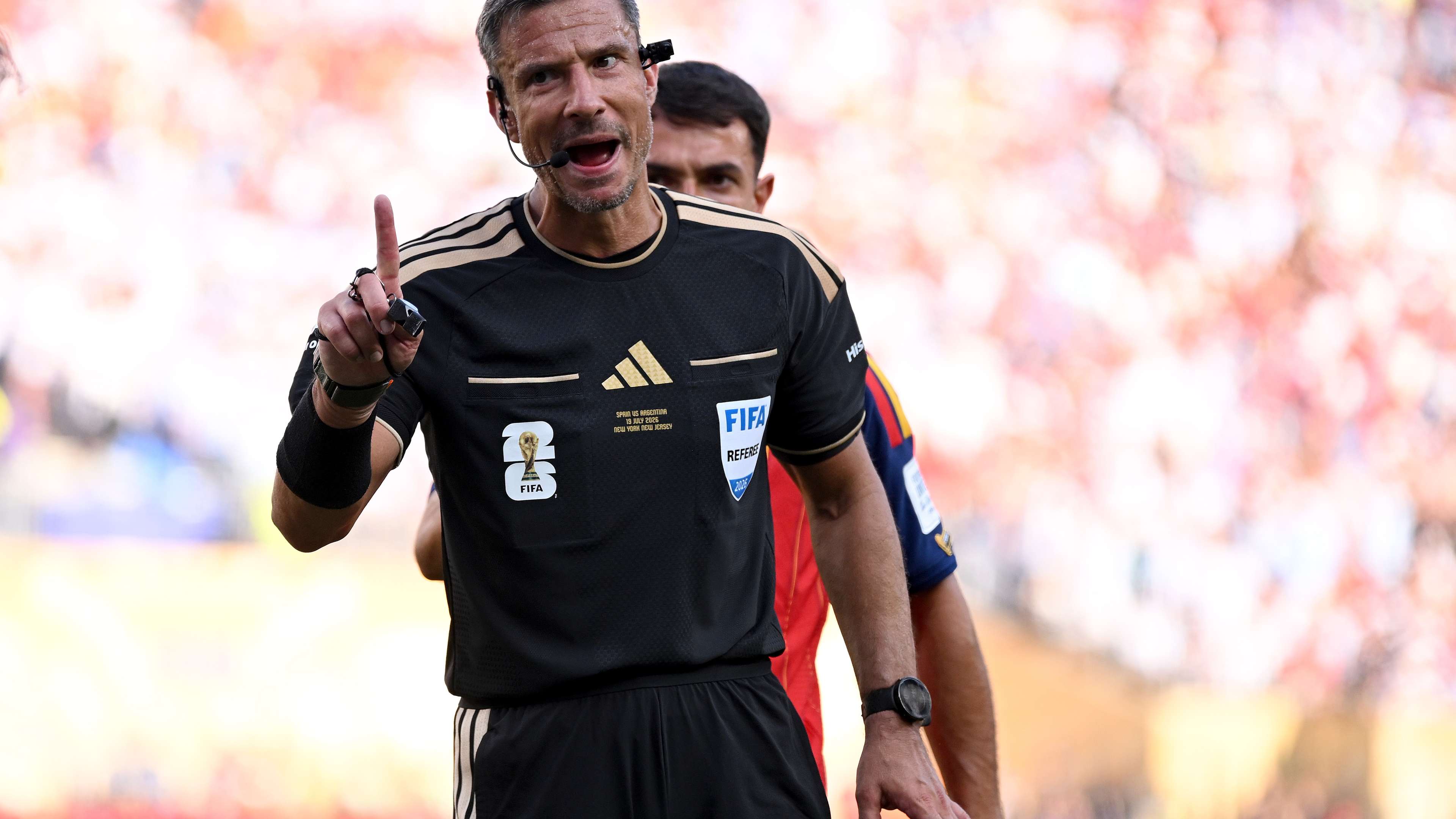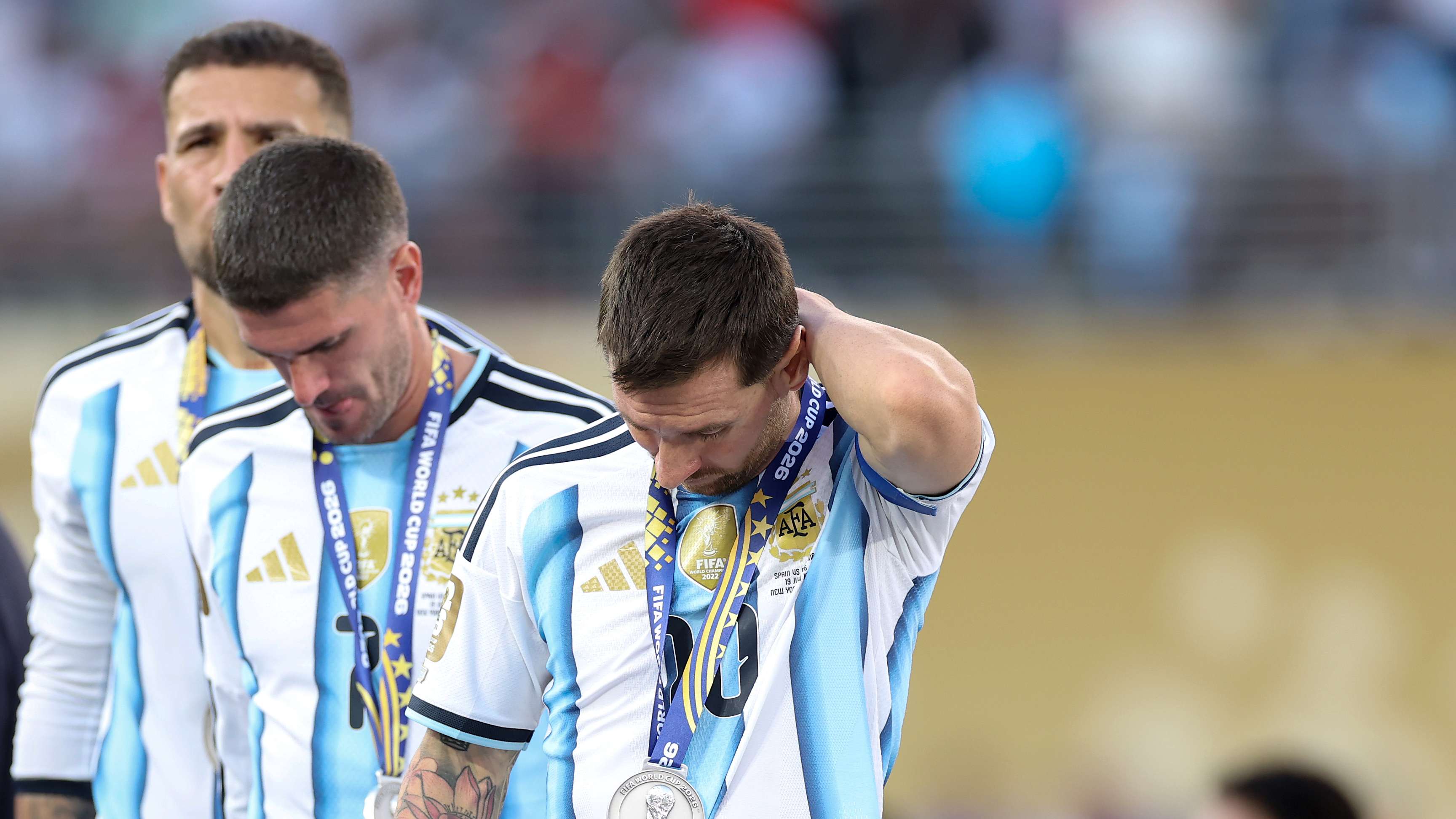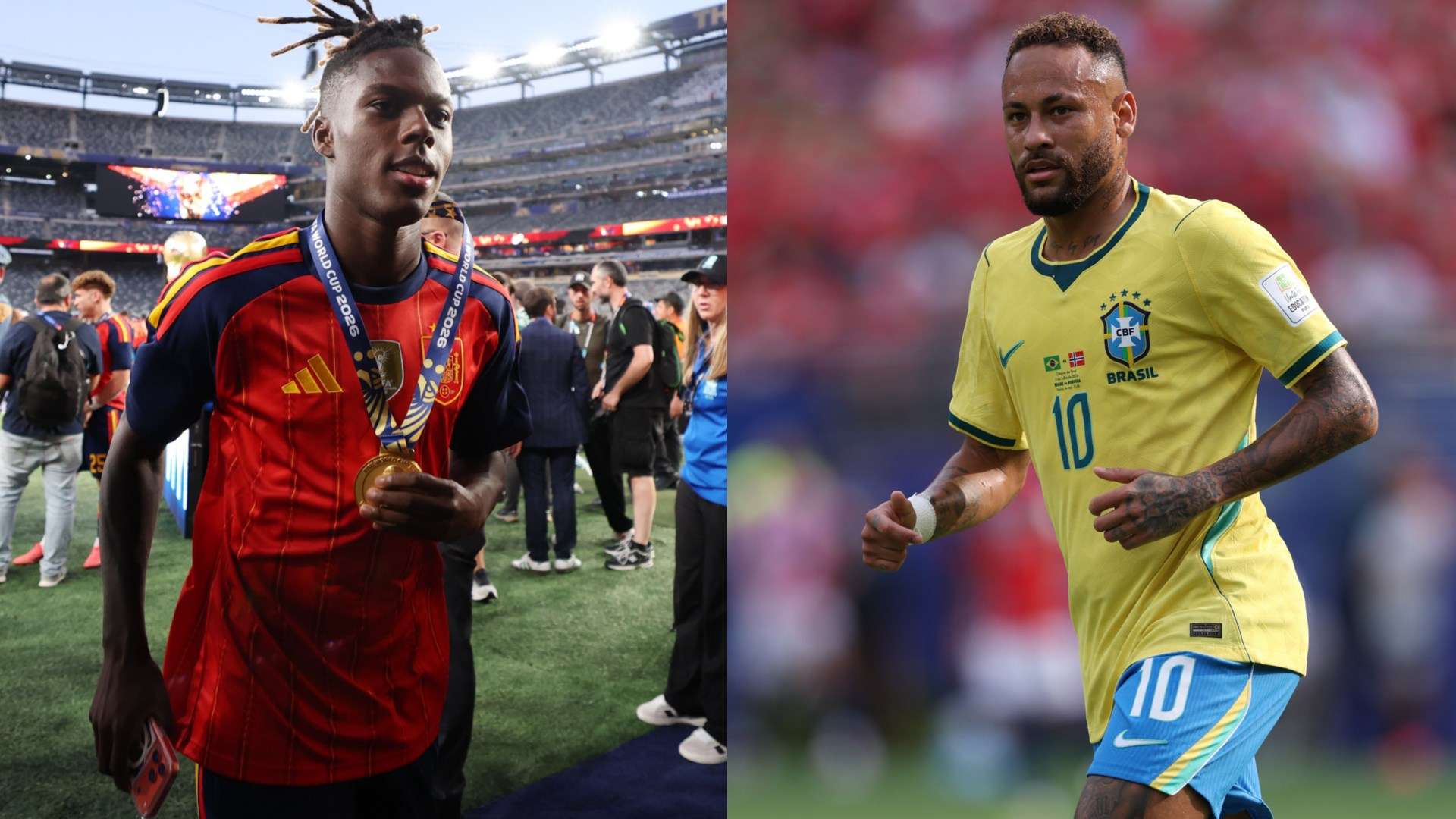
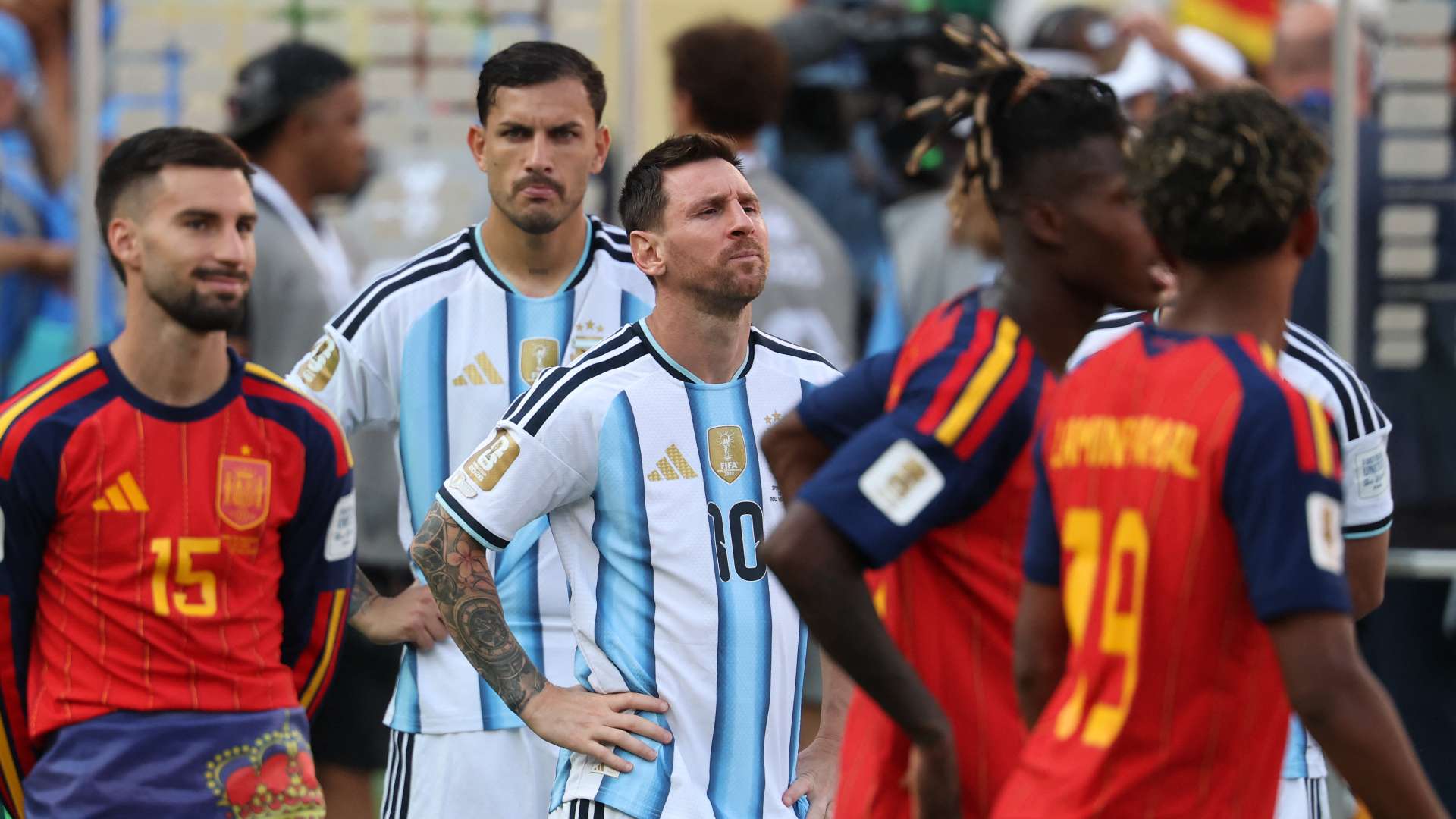
Spain claimed their second World Cup title at the 2026 tournament co-hosted by the United States, Canada and Mexico, but the final at MetLife Stadium has become mired in refereeing controversy. Ferran Torres scored the decisive goal in the 106th minute after latching onto a Nico Williams assist, securing a 1-0 victory over Argentina in extra time. However, the match officiated by Slovenian referee Slavko Vincic sparked immediate debate over several controversial decisions that could have altered the tournament's outcome.
Argentine supporters have mobilised in response to what they perceive as critical refereeing errors. A petition launched on Change.org demanding the match be replayed has garnered over 61,000 signatures. Argentine supporter Gisela Sanchez publicly questioned Vincic's performance, claiming that refereeing decisions deprived the national team of the title. The focal points of contention include:
- Alleged missed cards for Mac Allister and Nicolas Tagliafico on fouls that could have changed play
- Goals from Nico Williams and Ferran Torres that were disallowed for Spain
- Overall consistency in applying the Laws of the Game across both teams
The result dealt a significant blow to Argentina captain Lionel Messi, who has announced this would be his final appearance for the national team. The Inter Miami forward finished without the Golden Boot, with Kylian Mbappe claiming the award on 22 goals across the tournament. Meanwhile, England took bronze with a remarkable 6-4 victory over France in the third-place playoff—their best World Cup showing since 1966.
Precedent for Replay Campaigns
This is not the first instance of fans and supporters calling for a World Cup match to be replayed. France launched a petition gathering 82,000 signatures demanding the semi-final against Spain be replayed, citing a refereeing error that preceded the penalty kick from which Spain scored. Such campaigns highlight the intense emotions surrounding tournament football and the potential consequences of marginal refereeing decisions on football's biggest stage.
The Argentine Football Association has separately denied reports that American authorities summoned its president Claudio Tapia, labelling such claims as baseless rumours. The association confirmed that neither Tapia nor treasurer Pablo Toviggino were targets of any legal proceedings. The clarification comes amid separate investigations by American authorities into commercial contracts linked to the association worth over 300 million dollars, which intensified following raids on the association's offices in December.
With the 2026 tournament now concluded, FIFA faces renewed pressure to evaluate its refereeing protocols and ensure greater consistency in major matches. The controversy underscores the ongoing debate over whether goal-line technology and expanded use of video review should be extended to cover all subjective decisions in World Cup football.