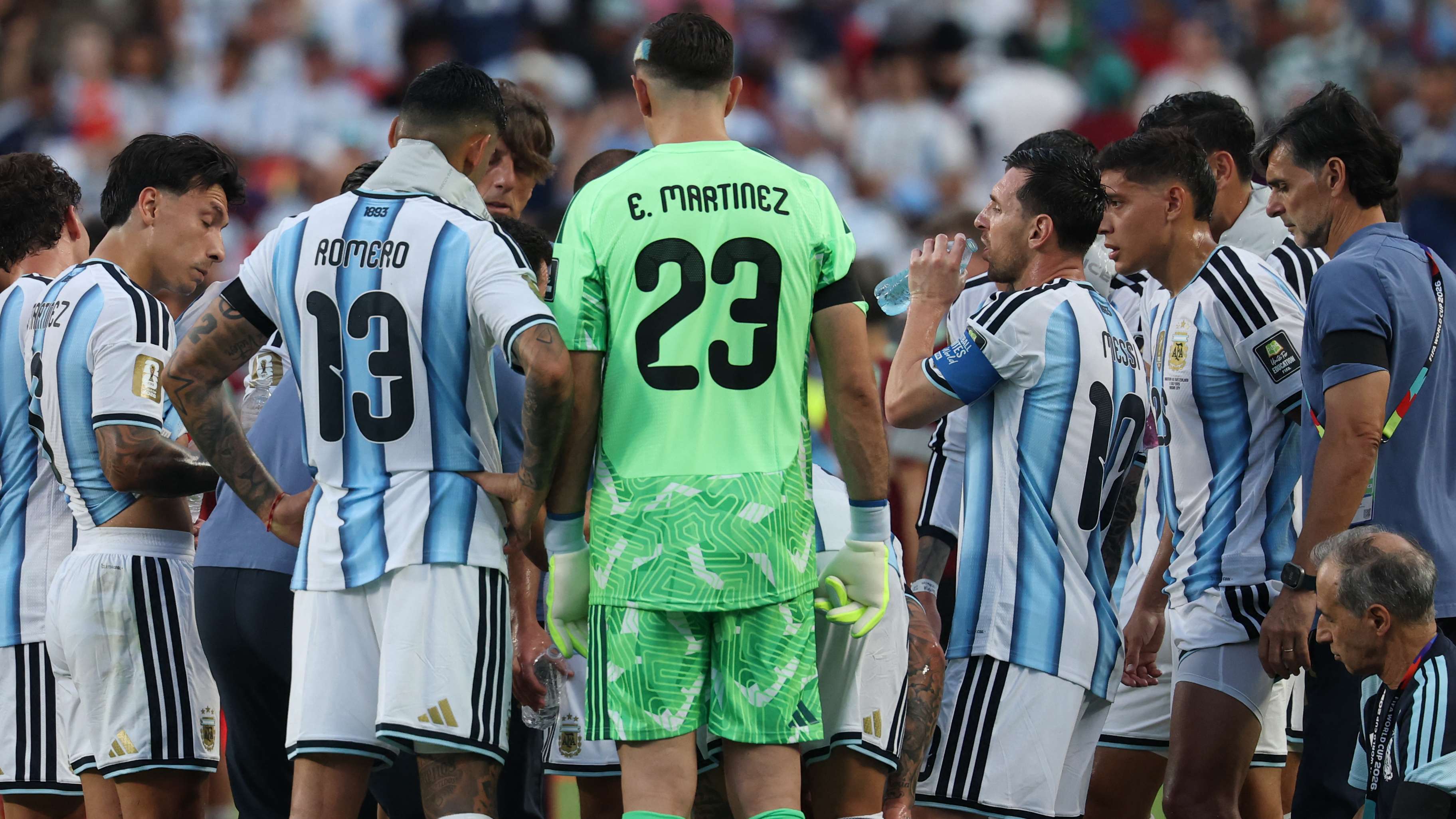
Three-minute cooling breaks at the World Cup, introduced to protect players from extreme heat, evolved into a sophisticated tactical weapon that predominantly benefited already-dominant teams rather than rescuing struggling sides. A comprehensive analysis of 208 cooling breaks across 104 matches revealed an unexpected pattern: in over one-third of cases, the team leading in possession and attacking threat emerged from the stoppage in an even stronger position.
Who Really Benefited from the Breaks?
Research utilizing expected threat data from Driblab exposed a stark reality. Teams already controlling the match maintained or improved their advantage in 73 instances following a cooling break. By contrast, teams being dominated showed a competitive response rate of just 16%, while complete momentum shifts occurred in merely 6% of cases. The breaks functioned less as a lifeline for the exhausted and more as a reset button for the already-ascendant. In only 15% of situations—when attacking intensity had reached its peak before the stoppage—did the break succeed in dampening momentum and slowing the match tempo.
The most revealing statistic emerged from goal-scoring patterns. The five minutes immediately after cooling breaks produced approximately 25 goals, compared to only 15 in the five minutes preceding them. This dramatic shift suggested coaches used the stoppages to recalibrate attacking shape and exploit defensive vulnerabilities during the resumption phase.
Which Teams Mastered the Tactical Pause?
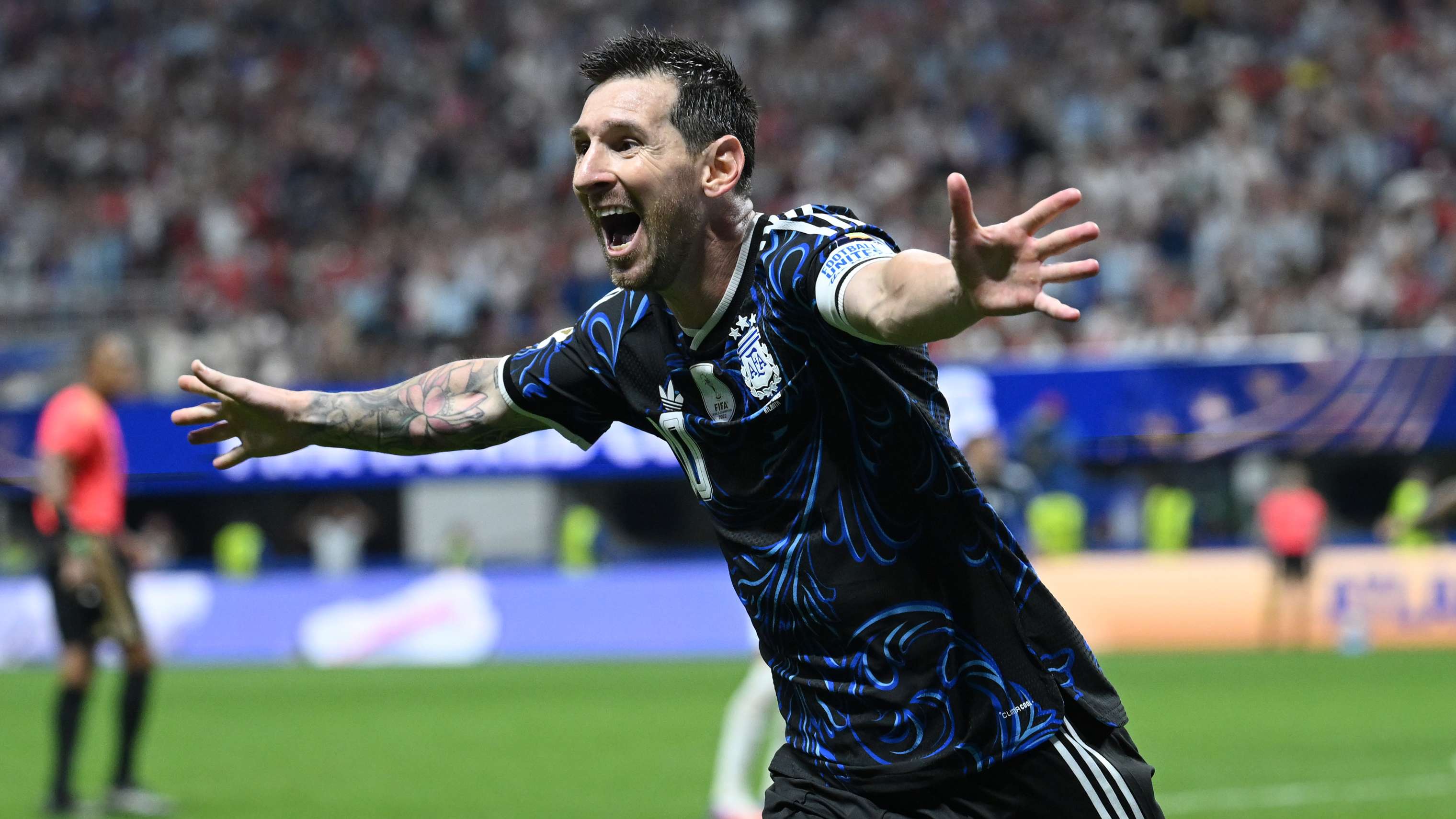
Argentina demonstrated exceptional ability to weaponize these breaks. Trailing against Egypt in the round of 16, they emerged from their second cooling break with peak attacking intensity and scored twice to launch a comeback. They repeated this pattern against England. Meanwhile, Spain showcased a model of tactical reorganization, reinforcing defensive control through most stoppages and converting the resulting periods into scoring opportunities against Belgium, Austria, and Portugal.
The Czech Republic suffered the opposite fate, with cooling breaks systematically interrupting their most threatening attacking sequences. This disparity highlighted how coaching staff preparation and in-game communication during these three-minute windows determined whether a team seized advantage or lost momentum.
The World Cup final provided context: cooling breaks proved irrelevant when Spain controlled the match so thoroughly that the decisive goals arrived during extra time, entirely detached from any stoppage. Looking ahead, tournament organizers may need to reconsider whether a measure designed purely for player welfare has become a hidden tactical dimension that rewards preparation and punishes the unprepared.