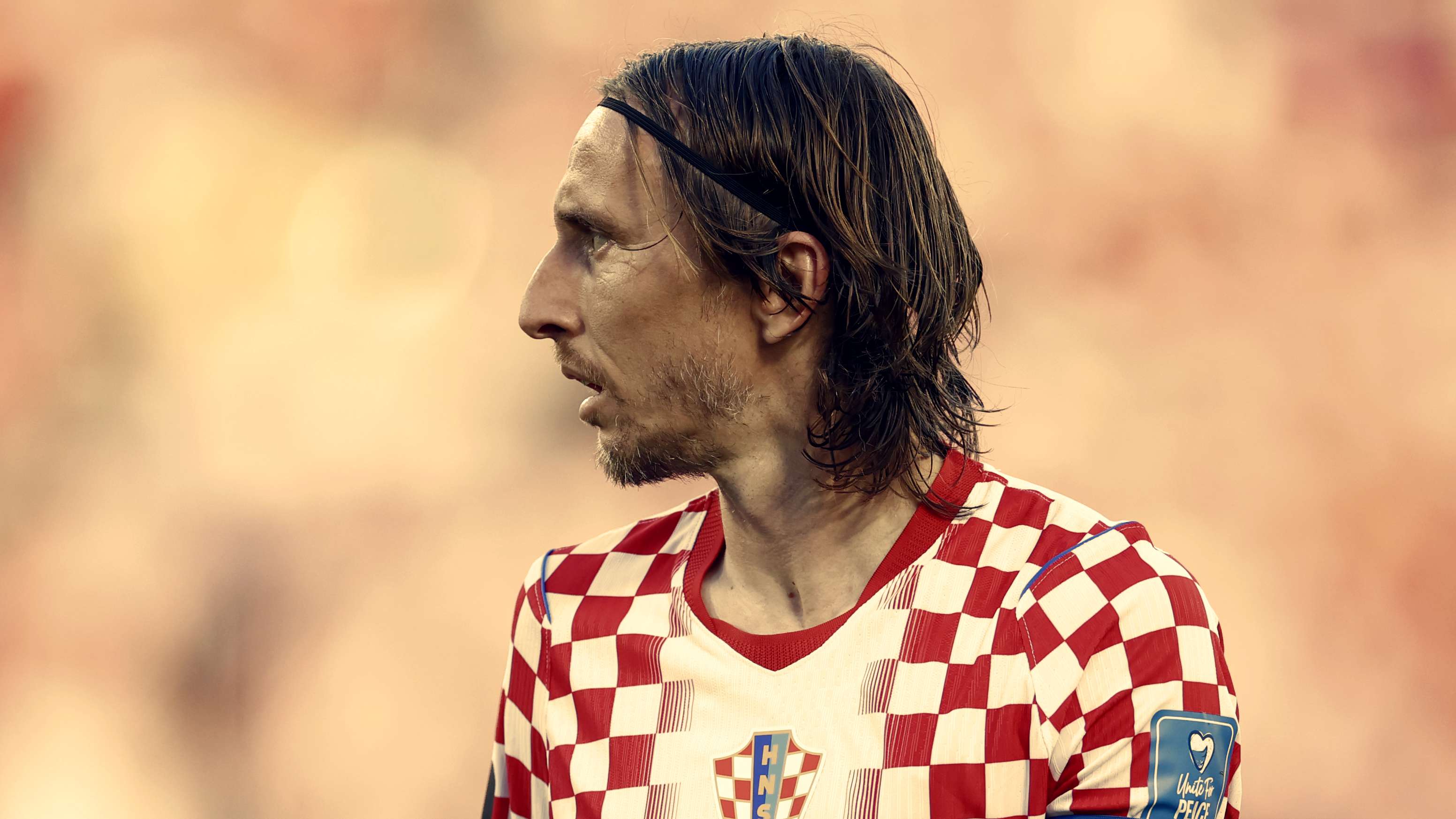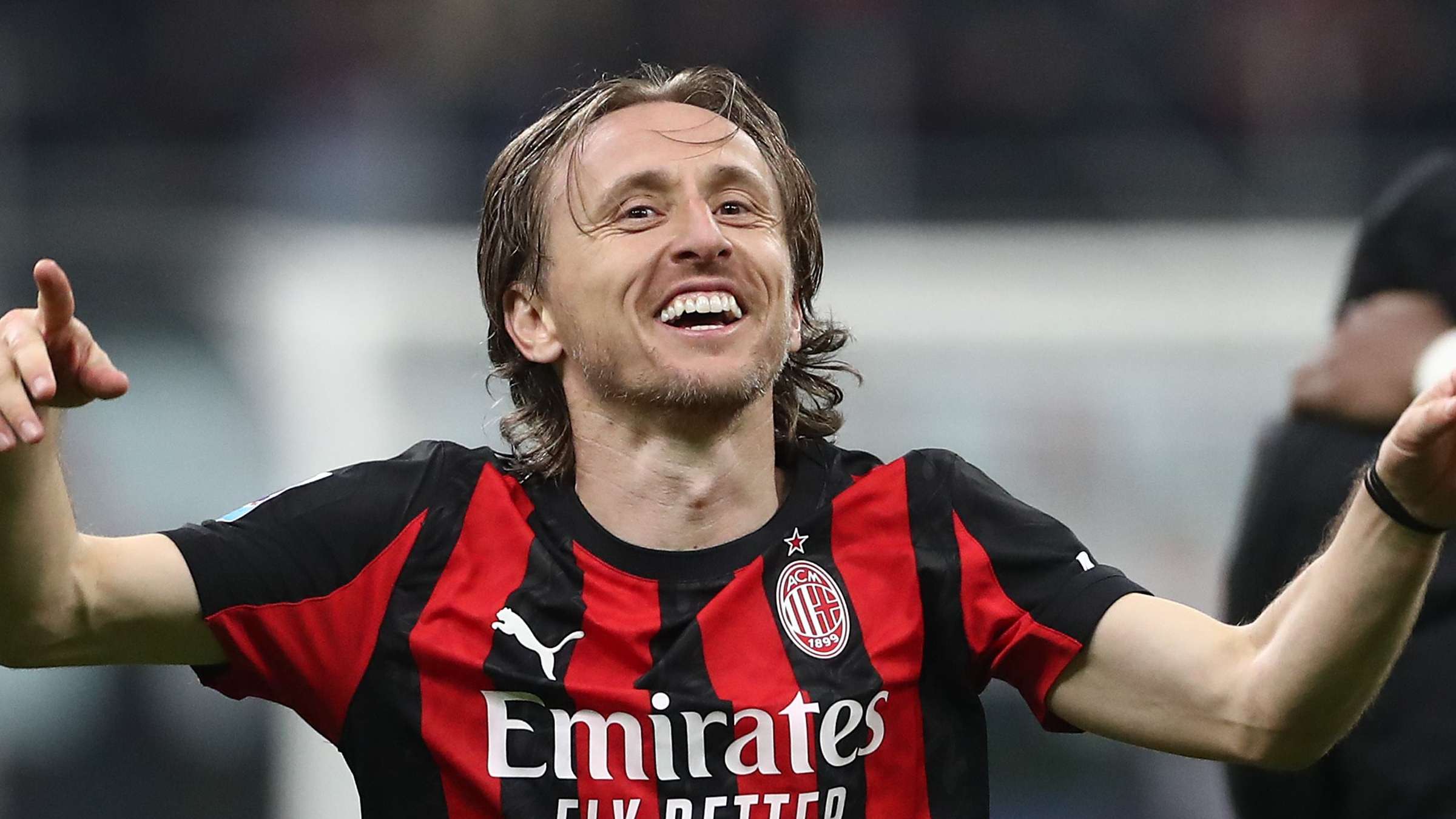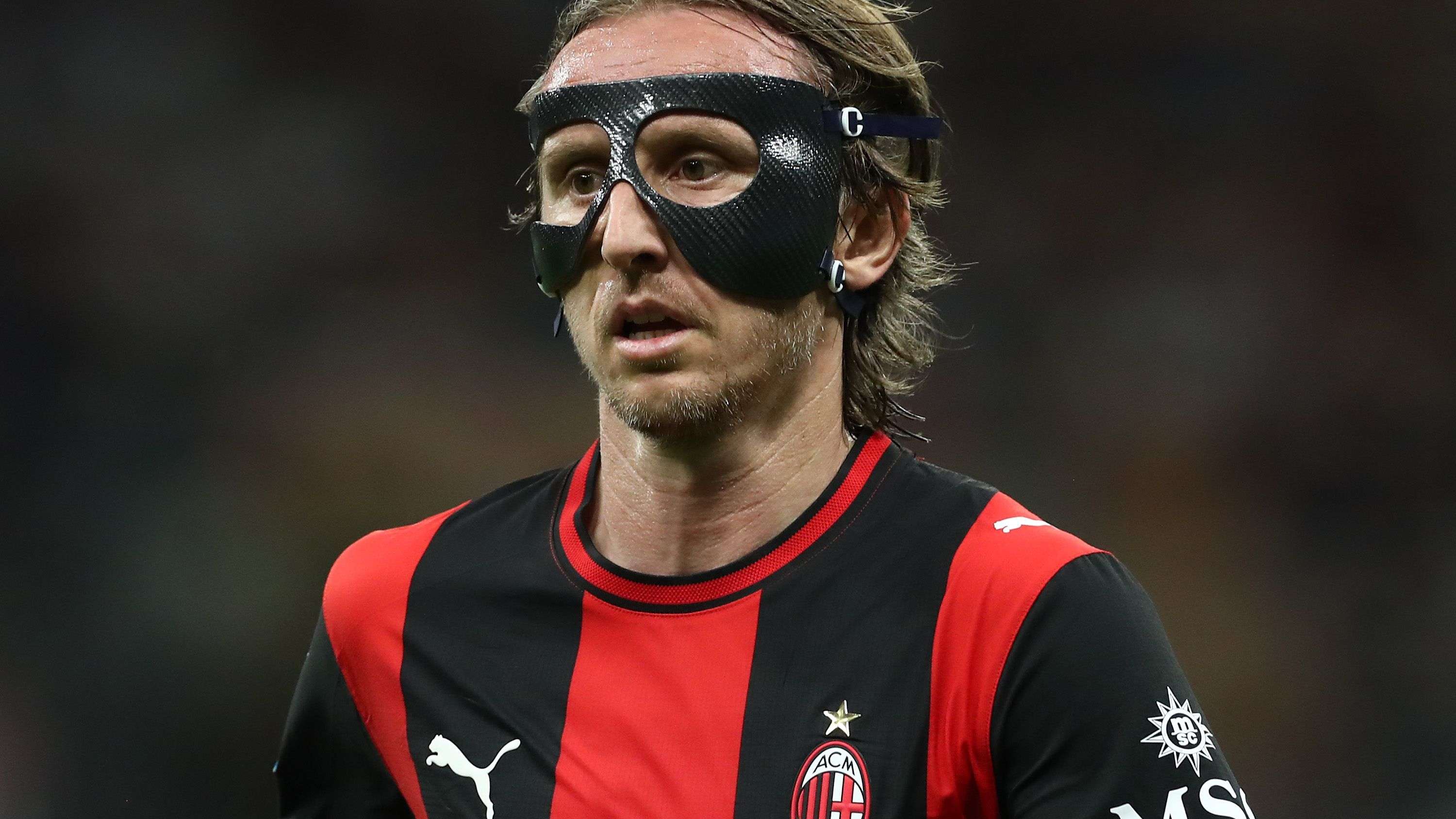
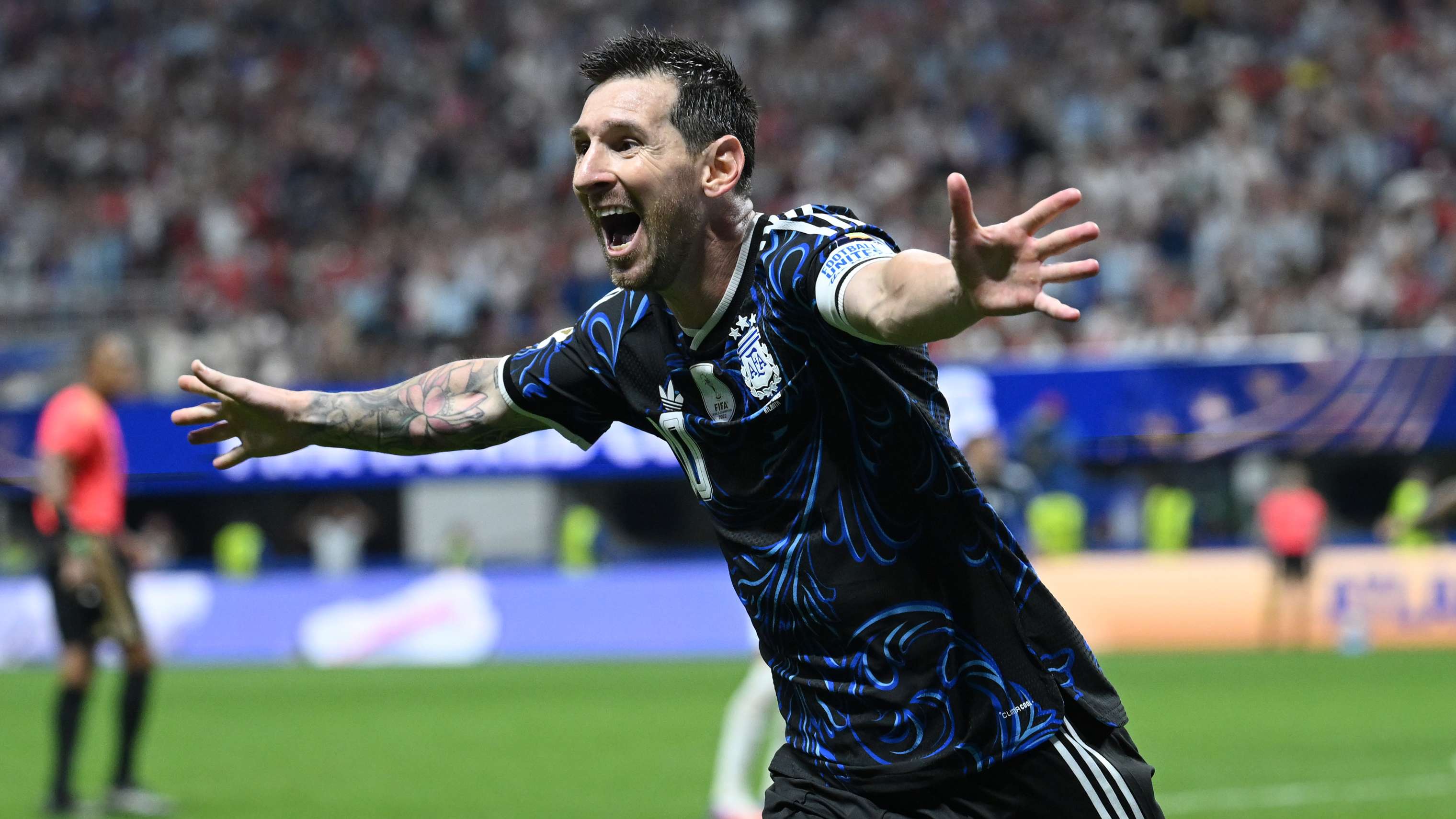
Elite football has undergone a remarkable transformation over recent decades. Players like Cristiano Ronaldo, Lionel Messi, and Luka Modrić are competing at the highest level well into their late thirties and early forties, a phenomenon virtually unthinkable thirty years ago. This shift reflects not talent alone, but systematic advances in sports medicine, nutrition, and recovery technology that have fundamentally reshaped how professional athletes maintain their bodies.
The Medical Revolution Behind Extended Careers
Christopher Ayola, medical director at Spanish club Getafe, attributes this longevity to a complete overhaul of how clubs care for their players. When Ayola joined Getafe in 1998, the medical department consisted of a single masseur. Today, elite clubs employ 15 or more medical staff members dedicated to player health and performance. This expansion has introduced cutting-edge recovery methods that were unimaginable in previous eras.
Modern dressing rooms function as sophisticated laboratories. Clubs now employ thermal imaging to monitor muscle fatigue and oxidation markers in real time. Recovery protocols include wave therapy, hydrotherapy, pressure chamber sessions, and magnetic resonance treatments—methods specifically designed to reduce oxidative stress and accelerate tissue repair. Nutritional science has evolved equally, with personalized supplementation programs featuring magnesium and creatine combined with periodic testing to identify deficiencies before they become injuries.
Professionalism Transformed the Modern Athlete
Beyond equipment and staff, the very culture of professionalism has changed. Modern footballers are expected to maintain elite athletic conditioning year-round. Ayola notes that overweight players have become exceptionally rare, contrasting sharply with previous generations. "In the old days, Maradona was not someone with toned muscles, and he was the best player in the world, whereas today's player is an athlete," Ayola explained. This shift toward comprehensive athleticism—combining strength, flexibility, and explosive power—provides the physical foundation necessary for sustained high-level performance.
The statistics tell a compelling story. At the 2026 World Cup, eight players aged 40 or older competed, a historic milestone. Craig Gordon led the charge at 43, joined by Ronaldo, Modrić, and goalkeepers including Manuel Neuer and Guillermo Ochoa. Between 1930 and 1978, no player aged 40 or over appeared at a World Cup. The contrast highlights the scale of transformation across modern sport.
Spain's La Liga has become a proving ground for veteran longevity. Players like Joaquín Sánchez (41), Santi Cazorla (41), and current performer Christian Stuani (39) have competed at elite level deep into their forties, demonstrating that career extension remains achievable for those committed to rigorous professional standards. As medical science continues advancing and training methodologies evolve further, expect more players to challenge conventional retirement timelines in the seasons ahead.