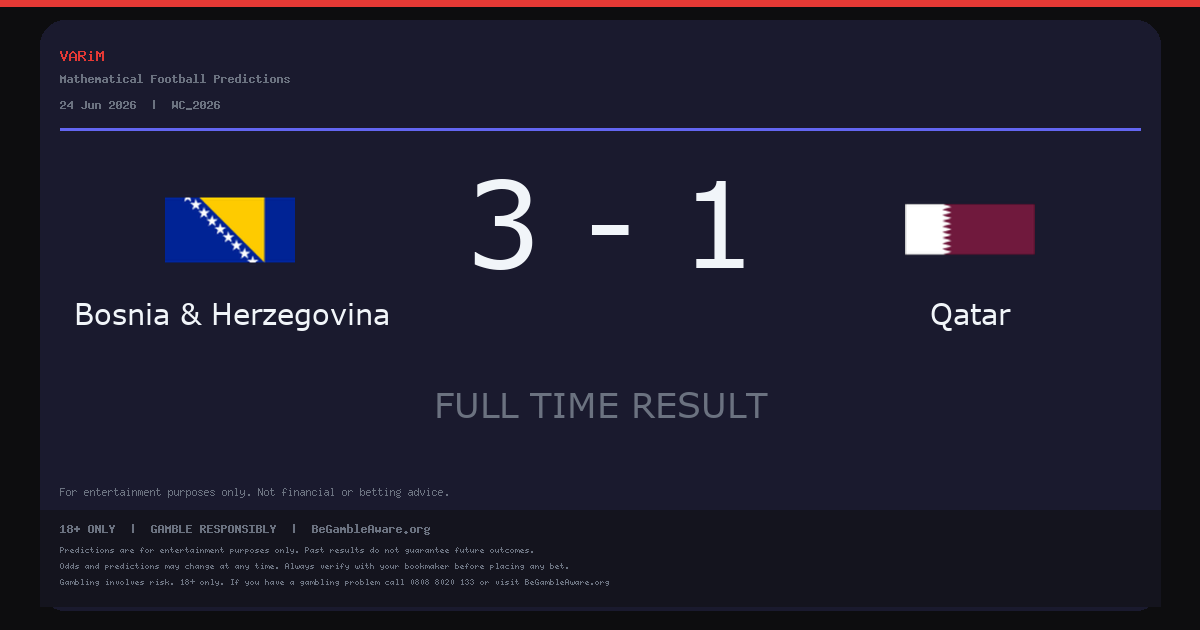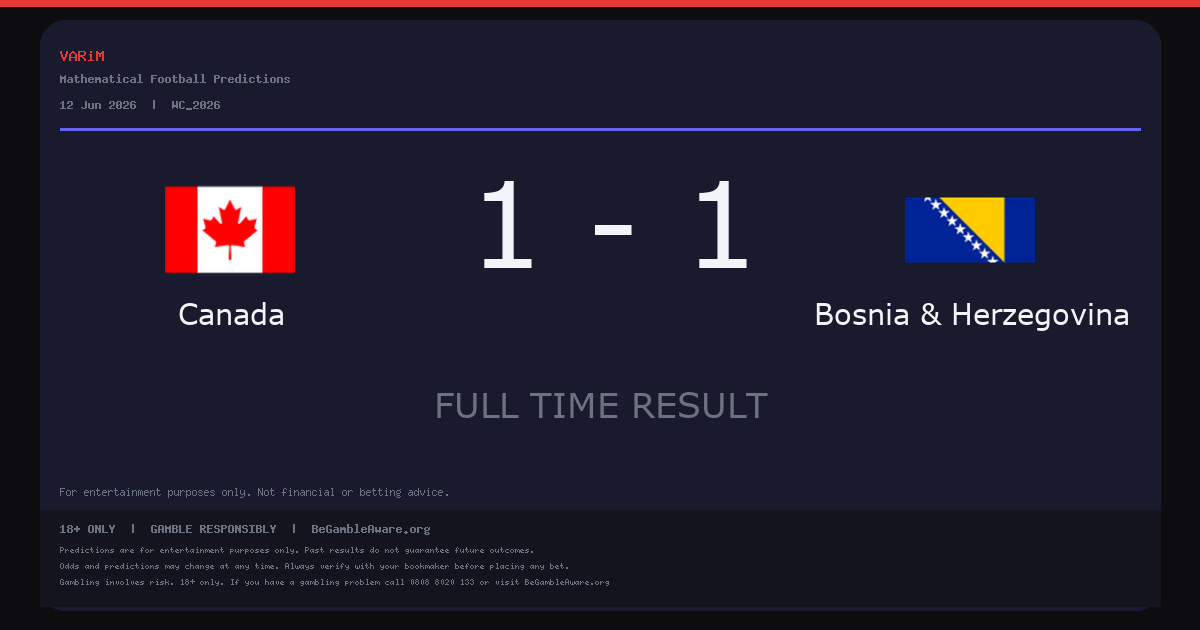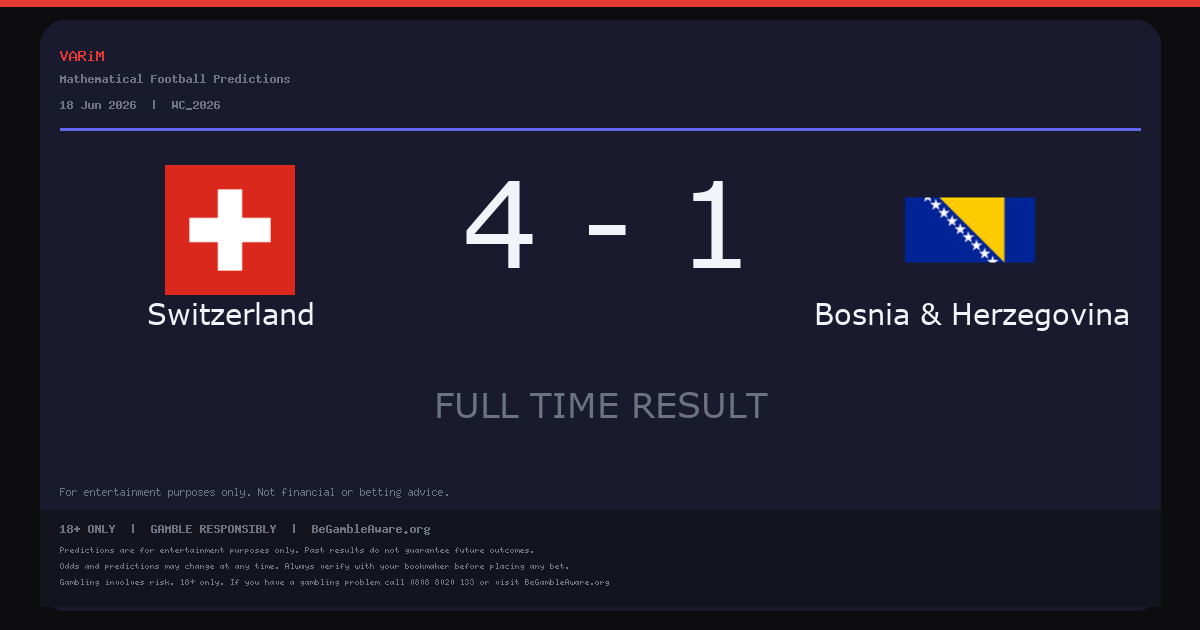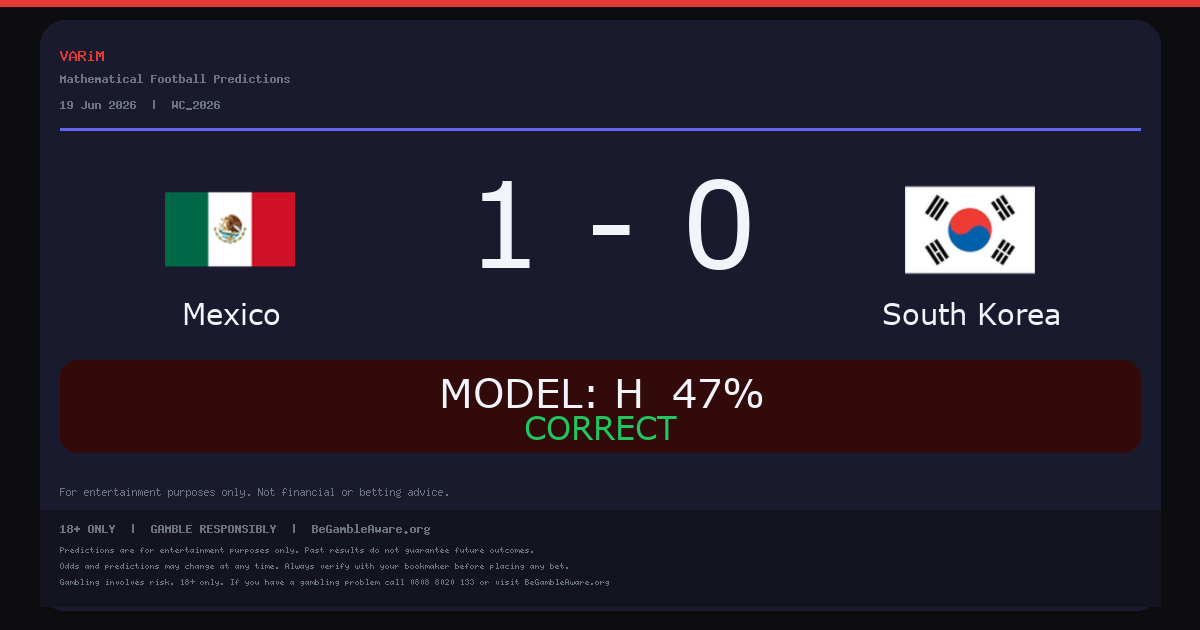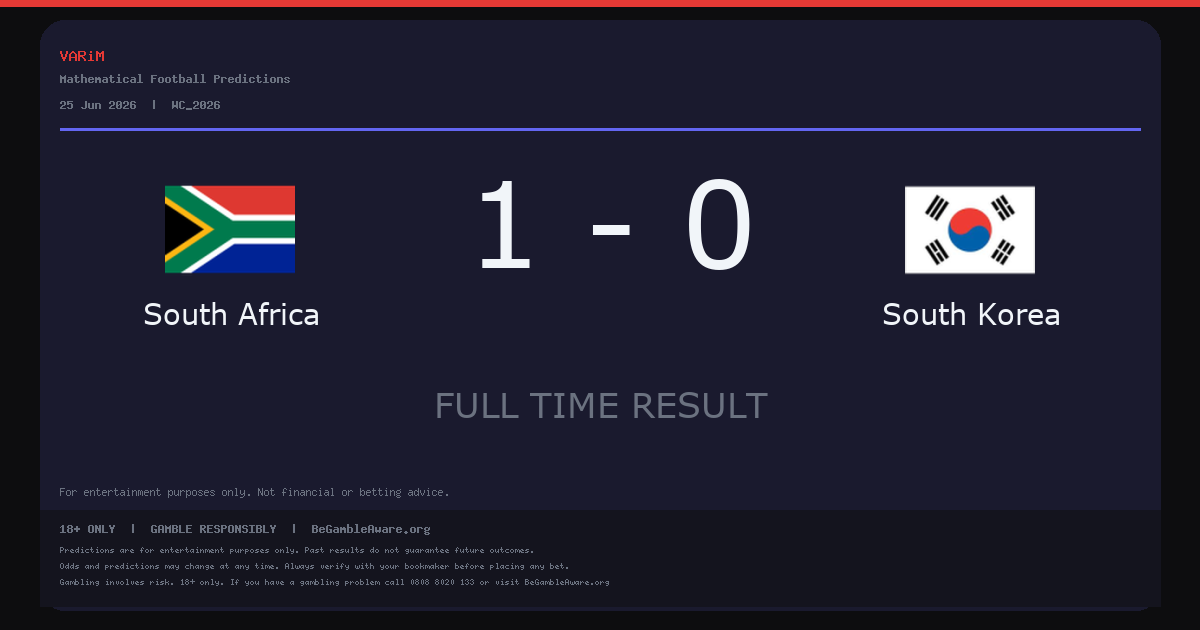
An independent monitoring organisation has identified seven suspected cases of result manipulation at the 2026 men's World Cup, contradicting FIFA's public stance that no suspicious activity occurred. The Copenhagen Group, which tracks irregularities across major sporting events, flagged multiple matches after analysing 104 games throughout the tournament, raising serious questions about the integrity of the competition.
The most striking cases include Themba Zwane's red card for South Africa against Mexico in the group stage, a three-and-a-half-minute VAR delay before disallowing Ferran Torres's goal in Spain's 4-0 victory over Saudi Arabia, and suspicious betting patterns surrounding Folarin Balogun's suspension. On the same day the American forward received a red card against Bosnia and Herzegovina, cryptocurrency betting platform Polymarket opened a market asking whether he would play in the next match—before FIFA had even made a decision on lifting his ban. No similar markets opened for any of the other 14 players sent off during the tournament.
Betting Anomalies and the Polymarket Connection
Betting irregularities formed the backbone of the Copenhagen Group's alerts. The platform Polymarket collected approximately 4.8 million dollars in wagers on Spain failing to beat Cape Verde, a match that ended in a goalless draw. This unusual betting volume on an outcome involving a minnow nation raised red flags for investigators monitoring the competition for evidence of match-fixing schemes.
The Copenhagen Group operates a four-level alert system: green for normal activity, yellow for low alert, orange for high alert, and red for highest risk. The seven cases flagged as yellow alerts indicate "multiple indicators of irregularities," which may include unexplained fluctuations in odds or social media rumours. However, betting expert Christian Kalb cautioned that yellow alerts do not prove manipulation occurred. He noted that unusual betting behaviour can stem from legitimate factors such as odds fluctuations or hedging strategies, and that the enormous betting volume at World Cup matches—representing billions of pounds—makes definitive conclusions difficult.
Stark Contradiction Between FIFA and Independent Monitors
The findings represent a dramatic departure from FIFA's official narrative. Just one day before the Copenhagen Group's announcement, FIFA's integrity task force stated categorically that "no suspicious betting activity or indicators of manipulation were detected in any match" throughout the tournament. Yet both the Copenhagen Group and the Council of Europe serve as independent members of FIFA's own task force, created in 2019 to safeguard competition integrity.
The group has formally requested written clarification from FIFA on the Balogun case and submitted its full findings to the governing body. Neither FIFA nor Polymarket responded to requests for comment. As betting-related scrutiny intensifies around global football tournaments, the tension between official denials and independent investigative bodies raises crucial questions about accountability and transparency in the sport's regulatory framework.