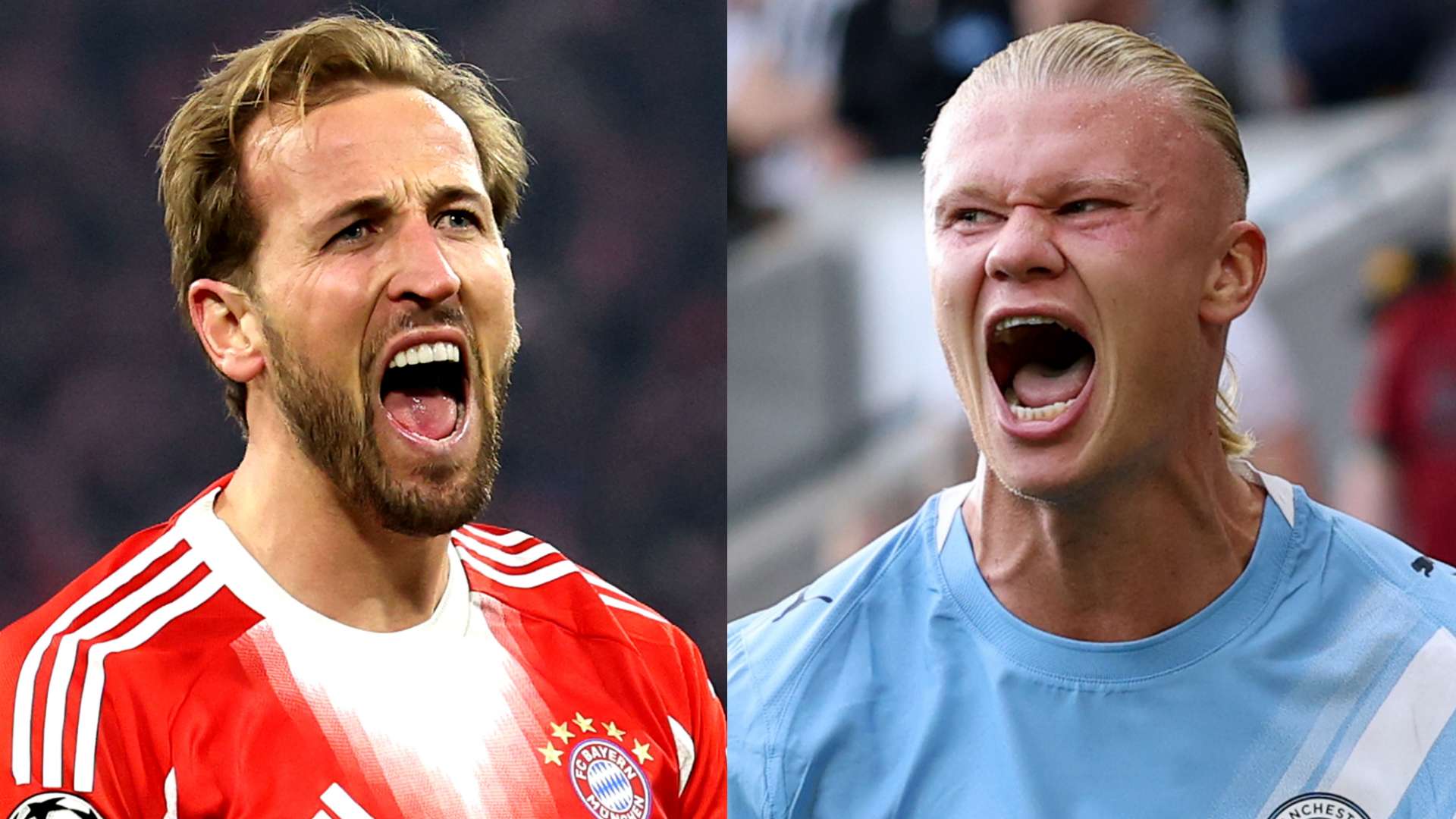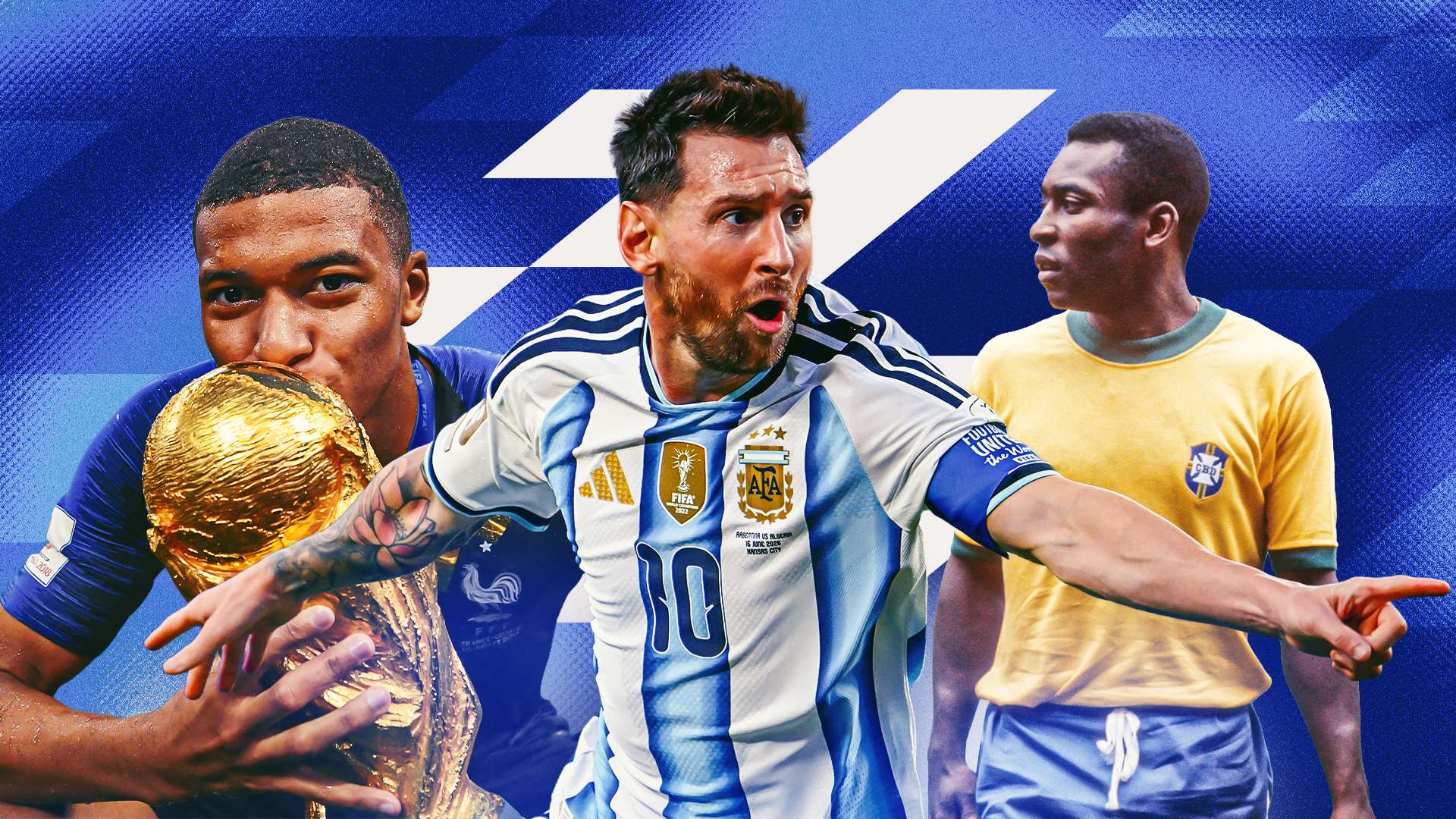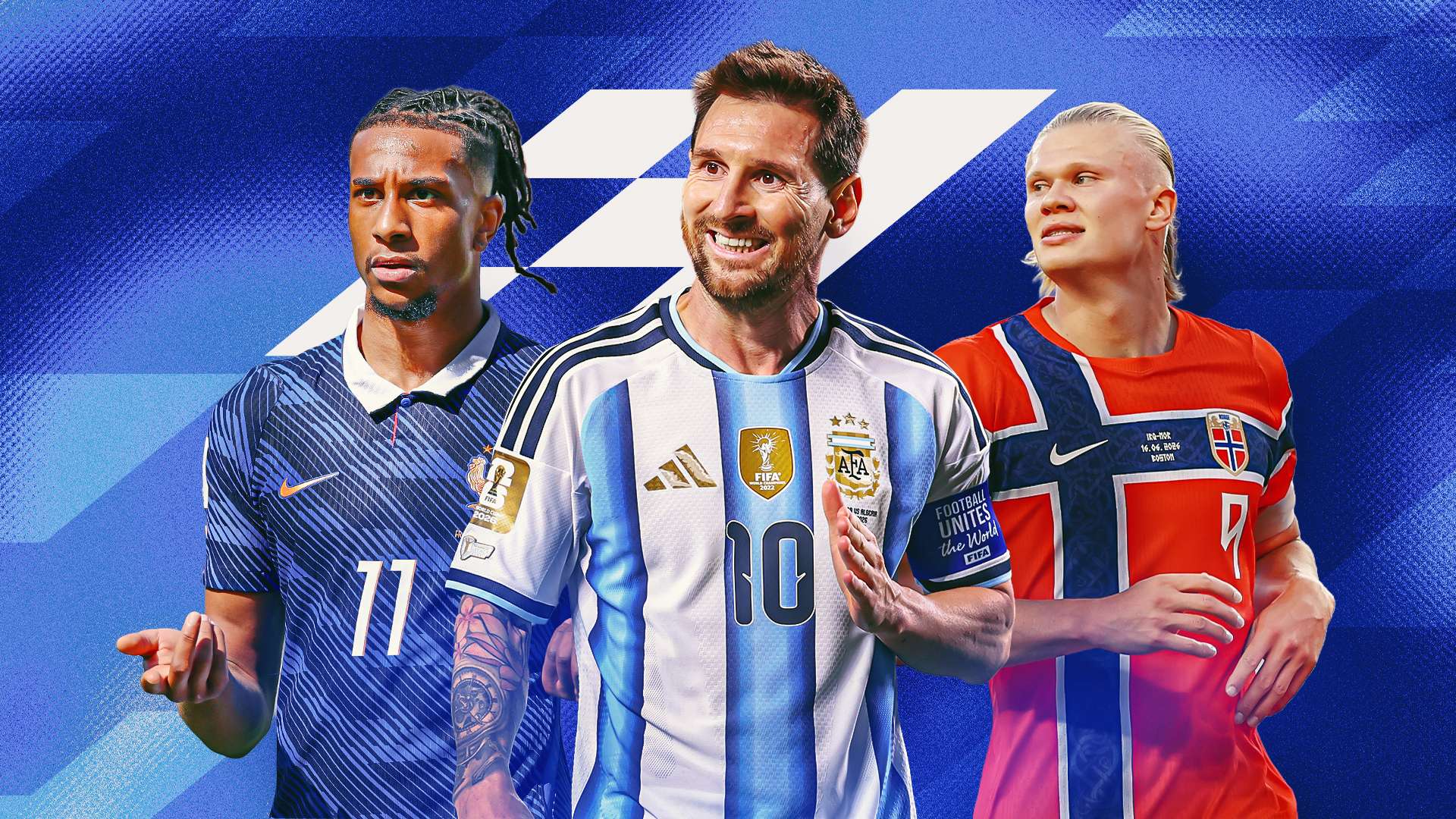

Kylian Mbappe claimed the Golden Boot at the 2026 World Cup, cementing his status as the tournament's most prolific marksman and breaking the all-time World Cup scoring record. The France forward's exceptional performance across North America showcased his evolution as a complete international striker, competing against elite finishers including Lionel Messi, Erling Haaland, and England's Harry Kane in one of the most competitive goal-scoring races in tournament history.
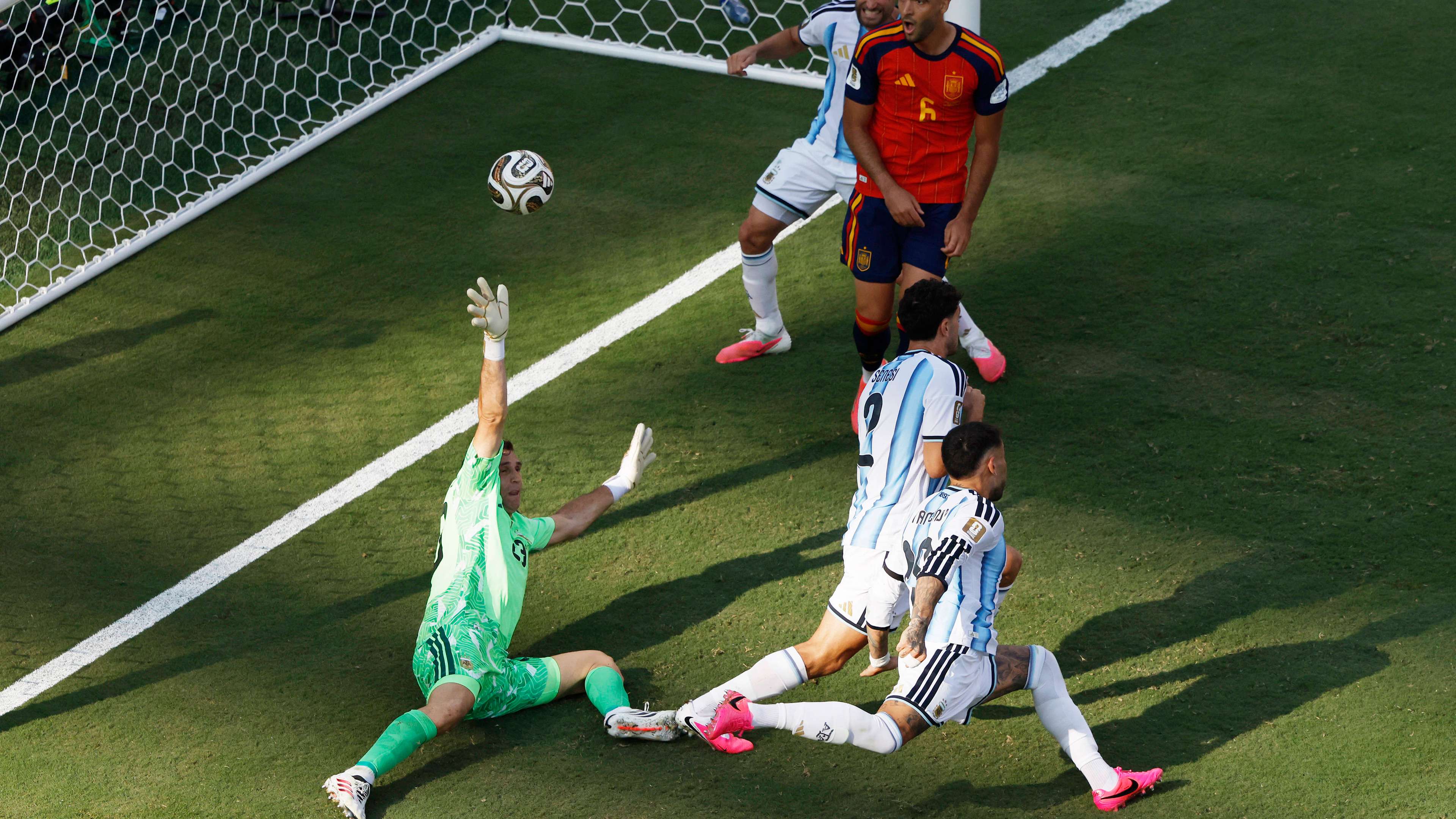
Spain emerged as champions after defeating Argentina in the final, with Ferran Torres delivering the decisive extra-time strike. The tournament, spanning three host nations across North America, featured 48 teams competing in 104 matches and producing 308 goals—making it FIFA's most expansive World Cup to date. La Roja's triumph marked their second world crown, with the side demonstrating remarkable defensive resilience throughout their campaign.
Outstanding Individual Performances Defined the Tournament
Pedro Porro transformed his World Cup prospects after replacing Atletico Madrid'sMarcos Llorente in Spain's starting XI. The Tottenham right-back became a world champion despite entering the competition as a backup option, delivering crucial defensive contributions and attacking support. Porro registered nine defensive actions against Portugal in the round of 16 alone, while adding goals in the semi-finals and providing the assist for Spain's winning goal in the final.
At just 19 years old, Pau Cubarsi emerged as the tournament's standout centre-back, anchoring Spain's defense throughout their victorious campaign. The teenager successfully neutralized world-class forwards including Mbappe, Ronaldo, and Messi, conceding only once across the entire tournament. His performances earned him the Young Player Award and demonstrated that elite defending transcends age and experience.
Vozinha, Cape Verde's 40-year-old goalkeeper, became an unlikely tournament sensation as the minnows reached the knockout rounds without winning a match. The veteran shot-stopper made eight crucial saves against eventual champions Argentina, earning cult hero status and proving that individual brilliance can inspire underdogs on football's grandest stage.
Record-Breaking Statistics and Historical Significance
- Mbappe becomes the all-time leading World Cup goal-scorer across tournament history
- Spain conceded just one goal throughout the entire 2026 World Cup campaign
- 48 teams participated—the largest field in World Cup history
- 104 total matches produced 308 goals, averaging 3 goals per game
The 2026 World Cup demonstrated football's capacity to transform careers instantly, elevate unknown talents to global prominence, and deliver moments of collective excellence across diverse nations. Mbappe's Golden Boot victory reflects not merely prolific finishing but his maturation as France's central attacking force, while Spain's defensive mastery under Luis de la Fuente established a template for tournament success in the modern game. As teams begin their qualification campaigns for 2030, this tournament's champions and standout performers have set the benchmark for what elite international football demands.