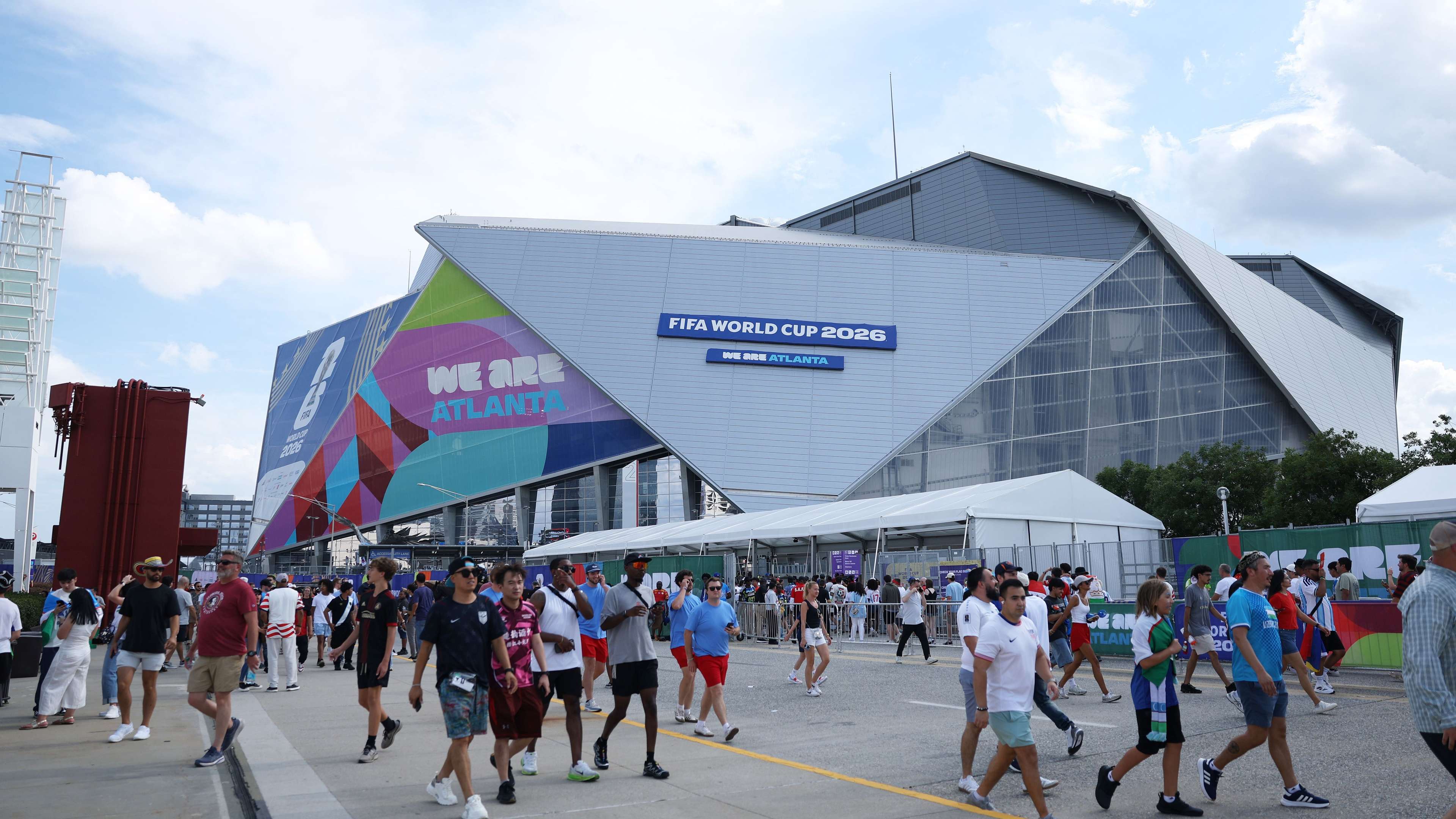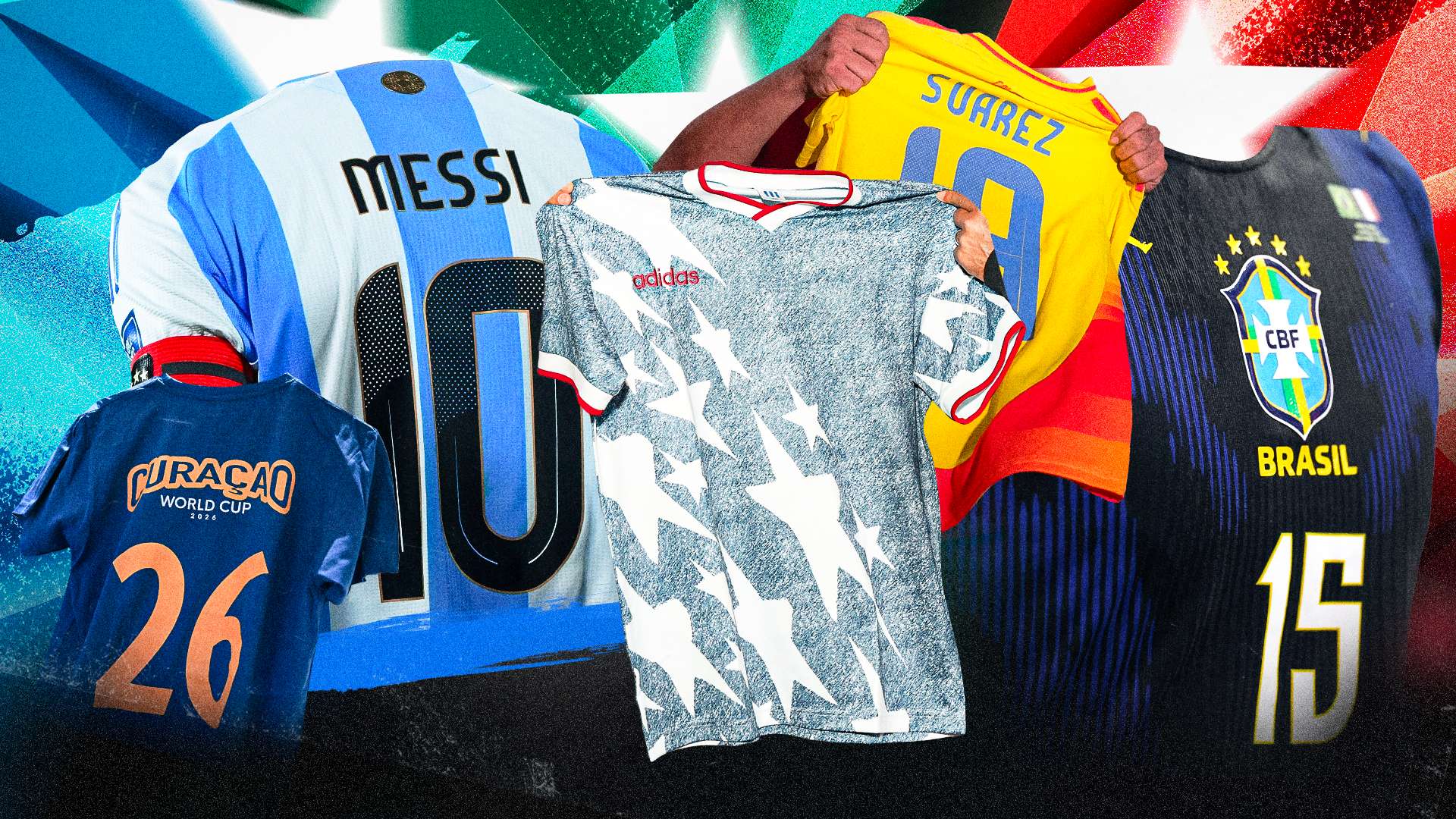

The 2026 FIFA World Cup in North America transcended the typical tournament experience, becoming a cultural landmark where fans from opposing nations discovered unexpected common ground. Despite logistical challenges and scepticism from critics, the 48-team competition fostered moments of genuine connection that extended far beyond the pitch, transforming cities from Boston to Mexico City into melting pots of global unity.
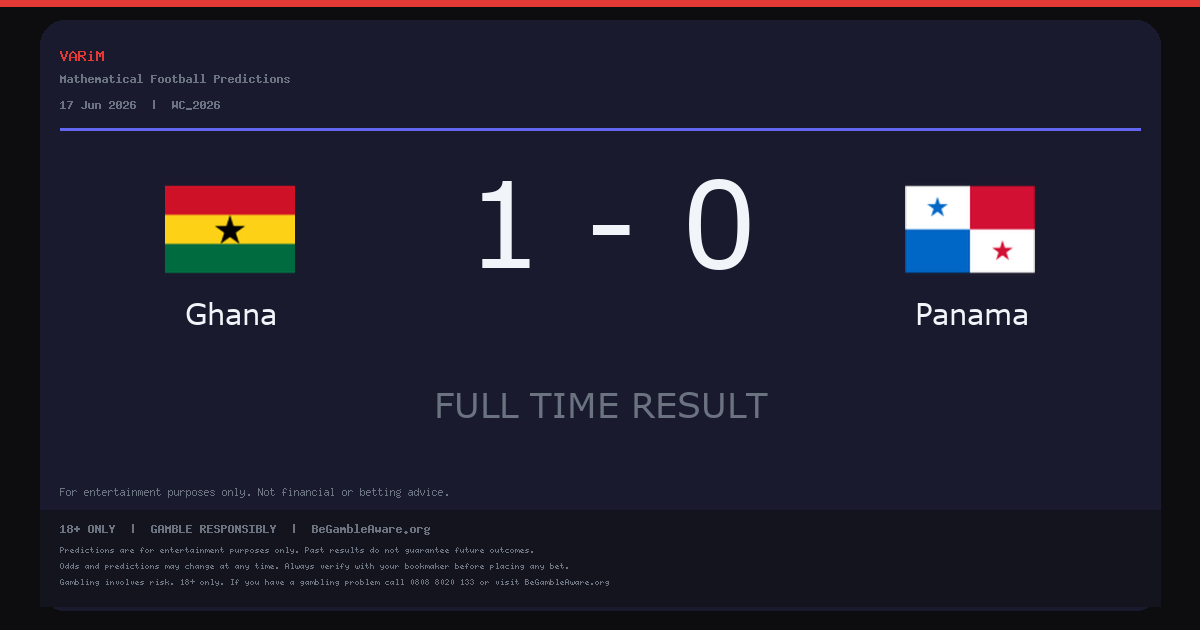
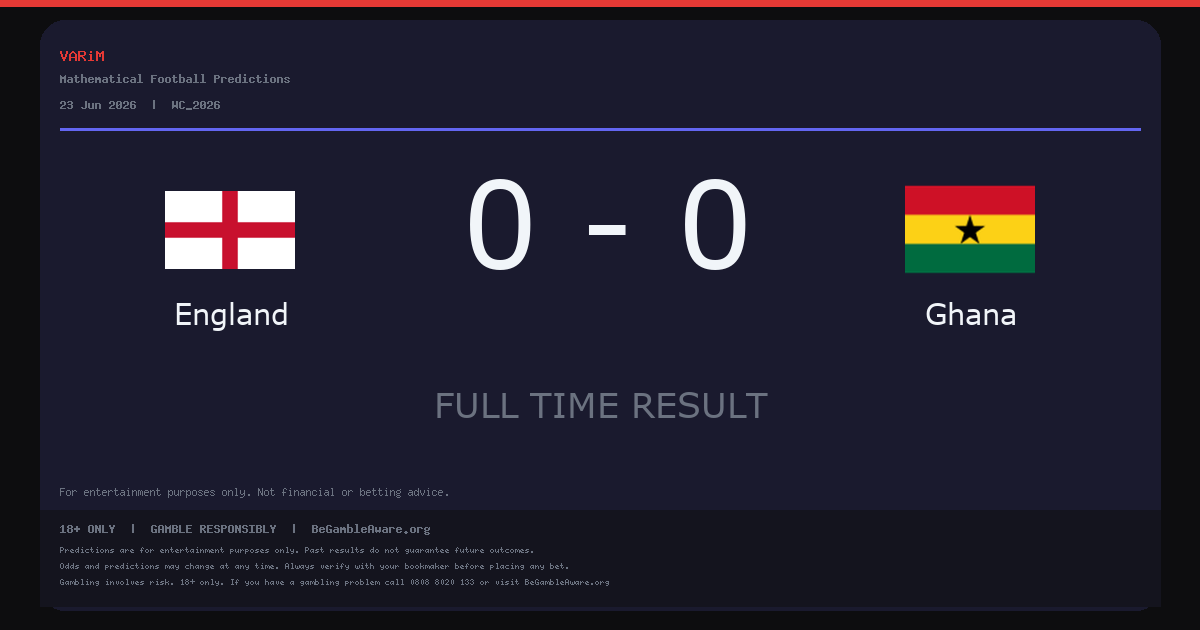
A telling moment unfolded in a Boston coffee shop hours before England's clash with Ghana. Two English supporters, identifiable by their accents and Three Lions gear, were warmly greeted by a local resident with a friendly but mistaken assumption: "We've loved having you Scots in Boston!" Rather than bristle at the classic English-Scottish rivalry, the men laughed good-naturedly and exchanged pleasantries with the stranger. The incident proved symbolic of a tournament where national prejudices softened in favour of shared celebration. What might ordinarily ignite debate became simply another human interaction in a summer defined by cross-cultural harmony.
Record Numbers Signal Tournament Success
The statistics underscored the competition's broad appeal across North America. Nearly seven million fans attended matches in person, while television viewership shattered previous records. Stadiums operated at 99.7 percent average capacity, indicating unprecedented demand for the expanded 48-team format. Many observers had predicted the expansion would dilute quality and atmosphere, yet the tournament instead delivered compelling matches and electric atmospheres throughout.
A Unifying Force Beyond Sport
Former U.S. Soccer president Alan Rothenberg emphasised the tournament's broader cultural impact. "The whole tournament was spectacular," he reflected. "You had all the worry beforehand that these new countries would make a mockery of it. Well, they really held their own, and that made it exciting." The sentiment extended beyond stadiums into the fabric of North American cities themselves, where bar patrons, festival attendees, and street vendors from different nations mingled freely, creating a temporary global community.
FIFA President Gianni Infantino had ambitiously branded the event as "104 Super Bowls," but the tournament's true legacy proved more nuanced. Rather than replicating the spectacle of America's flagship sporting event, the World Cup achieved something arguably more valuable: it reminded North Americans and international visitors of sport's capacity to dissolve barriers. Rothenberg noted that international attendees arrived "apprehensive" but departed having "the time of their life," discovering firsthand that soccer's universal language transcends politics, accent, and historical rivalry. As preparations continue for future continental tournaments, the 2026 World Cup stands as evidence that even imperfect sporting events can unite communities when people approach one another with openness and goodwill.