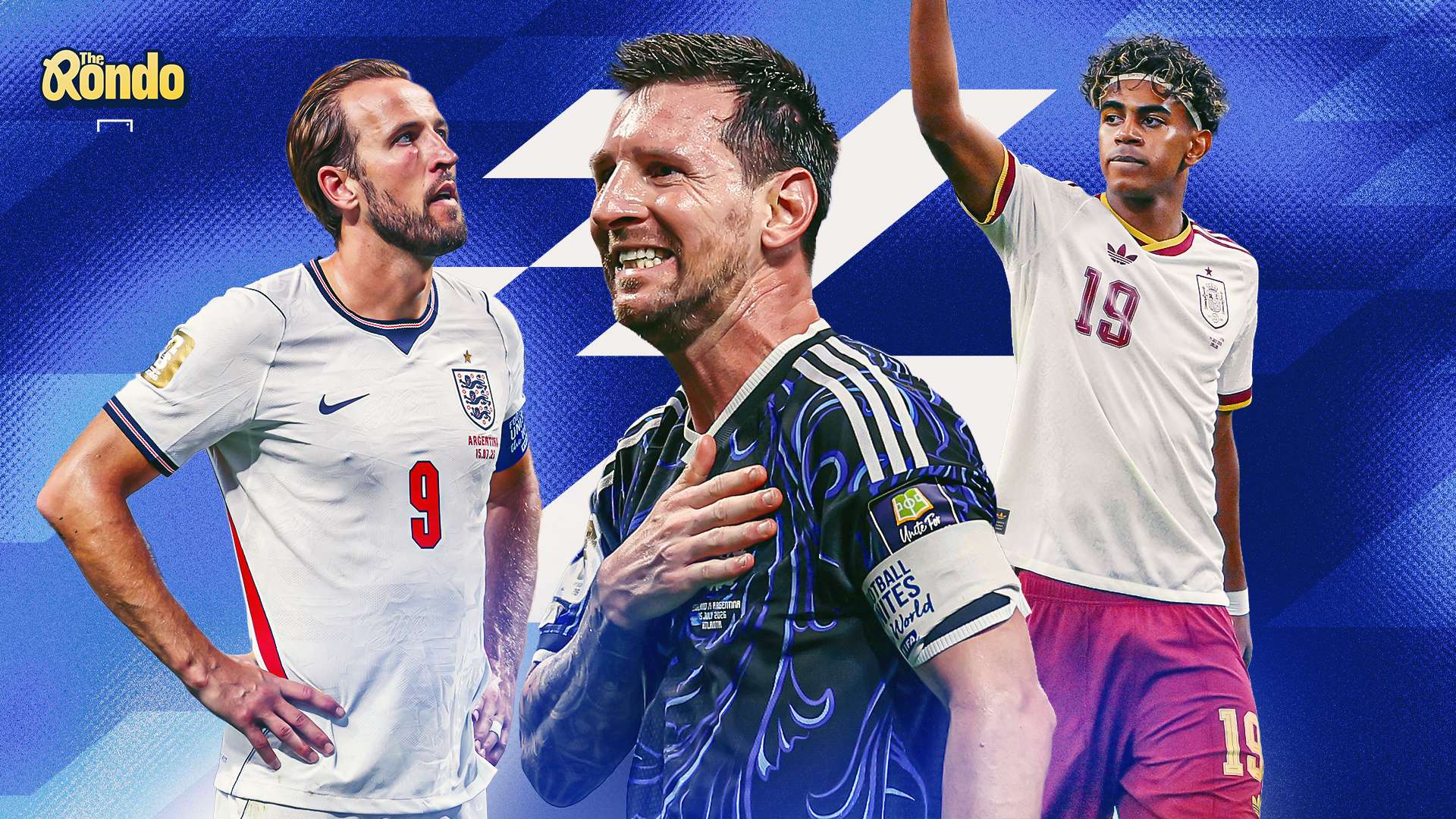
The World Cup semifinals delivered contrasting narratives that set up a captivating final between two elite teams. Spain's 1-0 victory over France showcased the superiority of tactical cohesion, while Argentina's comeback win against England underscored the power of collective belief and experience in knockout football.
Spain's Tactical Mastery Exposes France's Structural Flaws
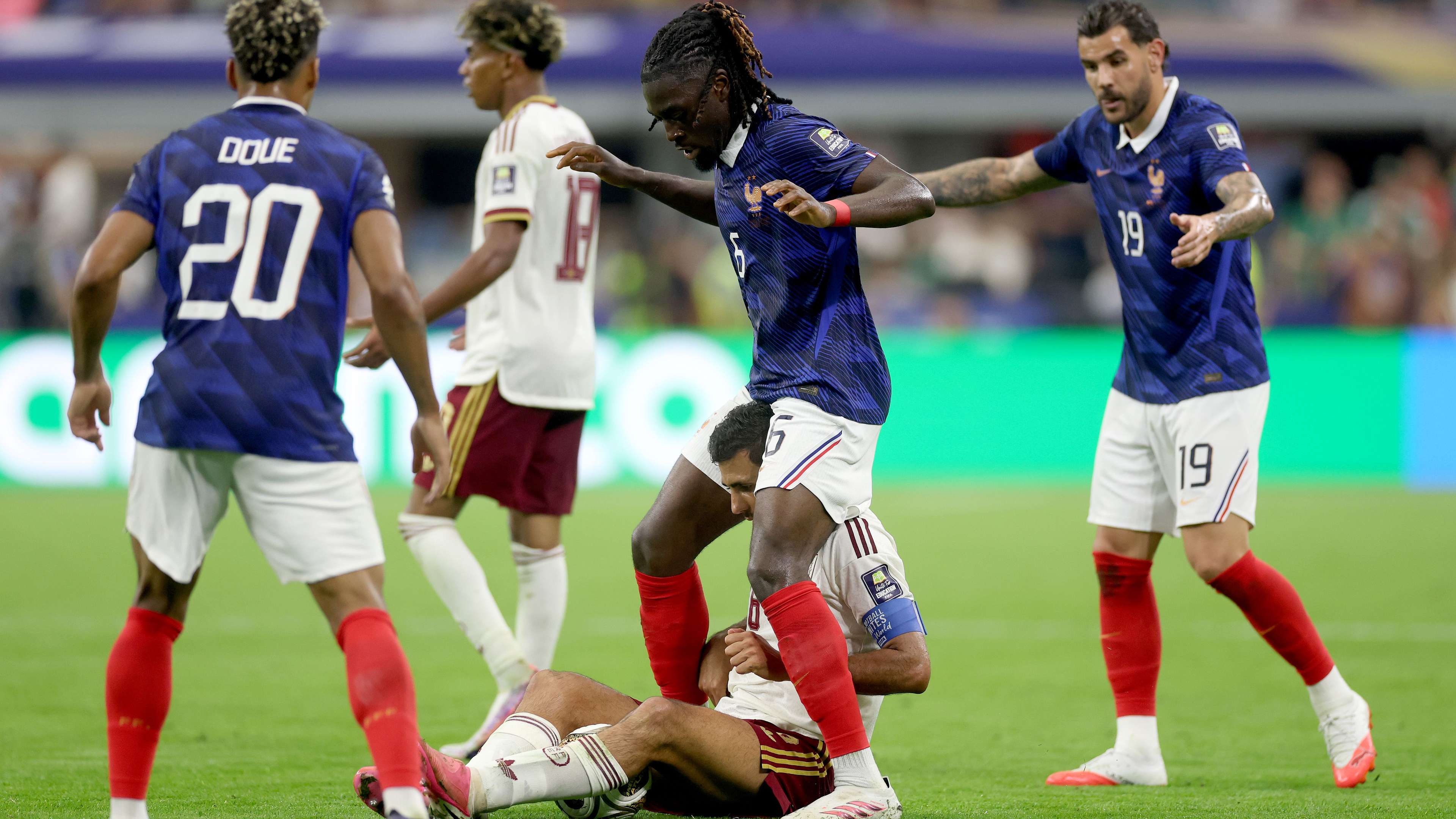
Spain dominated possession against France through relentless midfield control, suffocating their opponents' attacking rhythms. France's inability to press effectively left them outnumbered in key areas, a weakness that Spain exploited systematically. Manager Didier Deschamps' decision to deploy only two midfielders proved catastrophic—adding a third midfielder such as Manu Kone would have balanced the side considerably. Spain's technical superiority in the center of the pitch rendered France's array of talented attackers largely irrelevant, proving that eleven individually gifted players cannot overcome a well-drilled unit.
This semifinal reinforced a harsh reality: ball control and structural discipline trump attacking flair in modern tournament football. Spain's ability to maintain possession-based dominance without allowing counter-attacking opportunities demonstrated why they remain among Europe's most formidable sides in the knockout stages.
England's Psychological Collapse Against Messi's Argentina
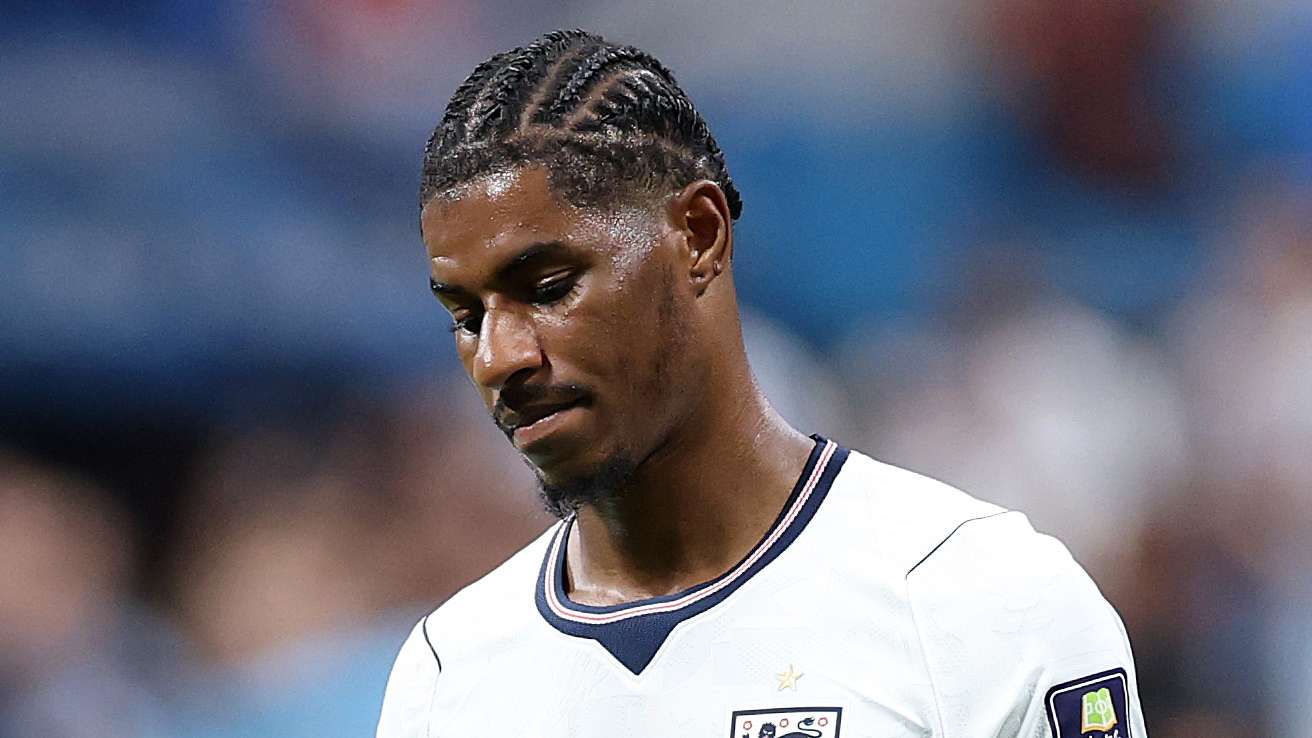
England's clash with Argentina unfolded as a psychological rather than purely tactical battle. The fixture's historical weight dominated the first 45 minutes, reducing both teams to direct, combative football rather than coherent attacking play. When England took the lead, they inexplicably retreated into a defensive shell, abandoning the attacking intensity that had earned them their advantage.
Argentina's resilience and unwavering self-belief proved decisive. Despite England's improved setup under Thomas Tuchel, the team succumbed to familiar patterns of second-half fragility. Two late goals sealed England's exit and kept Lionel Messi's quest for consecutive World Cup titles alive. England's defensive vulnerability after going ahead reflected a broader insecurity—the inability to manage leads in high-pressure tournaments, a recurring theme across multiple tournament cycles.
Final Prospects: Spain's Control Against Messi's Experience
The championship match pits Spain's midfield mastery and tactical sophistication against Argentina's winning mentality and Messi's otherworldly influence. Spain's control-based approach has proven nearly impossible to overcome in recent years, yet Argentina's capacity to find solutions in adversity remains unmatched at this tournament level. The final promises a compelling collision between structural excellence and collective determination, with no clear favorite despite Spain's superior form throughout the group and knockout stages.