World Cup 2026 resale ticket prices have fallen sharply over the past month, reaching their lowest levels since mid-January according to data from TicketData. The average entry price for group-stage matches now sits at $550, down 23 percent from the beginning of the month as the secondary market continues to evolve ahead of the tournament's June 11 kickoff in Mexico.
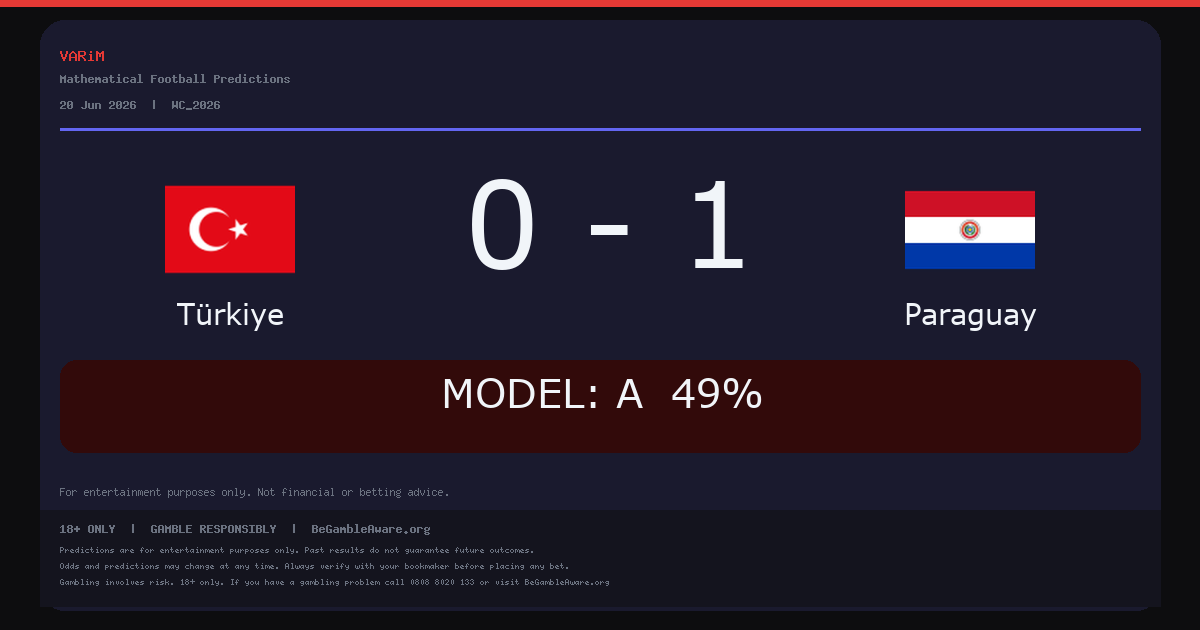
The USMNT's opening fixture against Paraguay in Los Angeles on June 12 has seen particularly steep price reductions. Average get-in costs for the American side's three group-stage games dropped 38.7 percent over three months to $865 per ticket. Remarkably, the USMNT opener dipped below $1,000 for the first time since January this week, though ticket movement has reportedly been sluggish—only 40,934 of roughly 70,000 available seats had sold by last month.
Which Teams Have Seen the Steepest Declines?
Other nations have experienced even more dramatic price corrections on the resale market. Turkey recorded the largest drop at 48.7 percent, bringing their average get-in price to $428, while Iraq fell 41.7 percent to $342. These declines reflect broader volatility in secondary ticket markets, where prices fluctuate based on availability, seller urgency, and timing relative to match dates.
Not all fixtures have softened equally. Premium matchups remain costly—Portugal versus Colombia in Miami carries a get-in price exceeding $3,000, making it one of the tournament's most expensive group-stage encounters. Colombia holds the distinction of being the priciest team to watch across resale platforms, likely due to their competitive group strength and the appeal of their fan base.
Official Ticket Prices Under Scrutiny
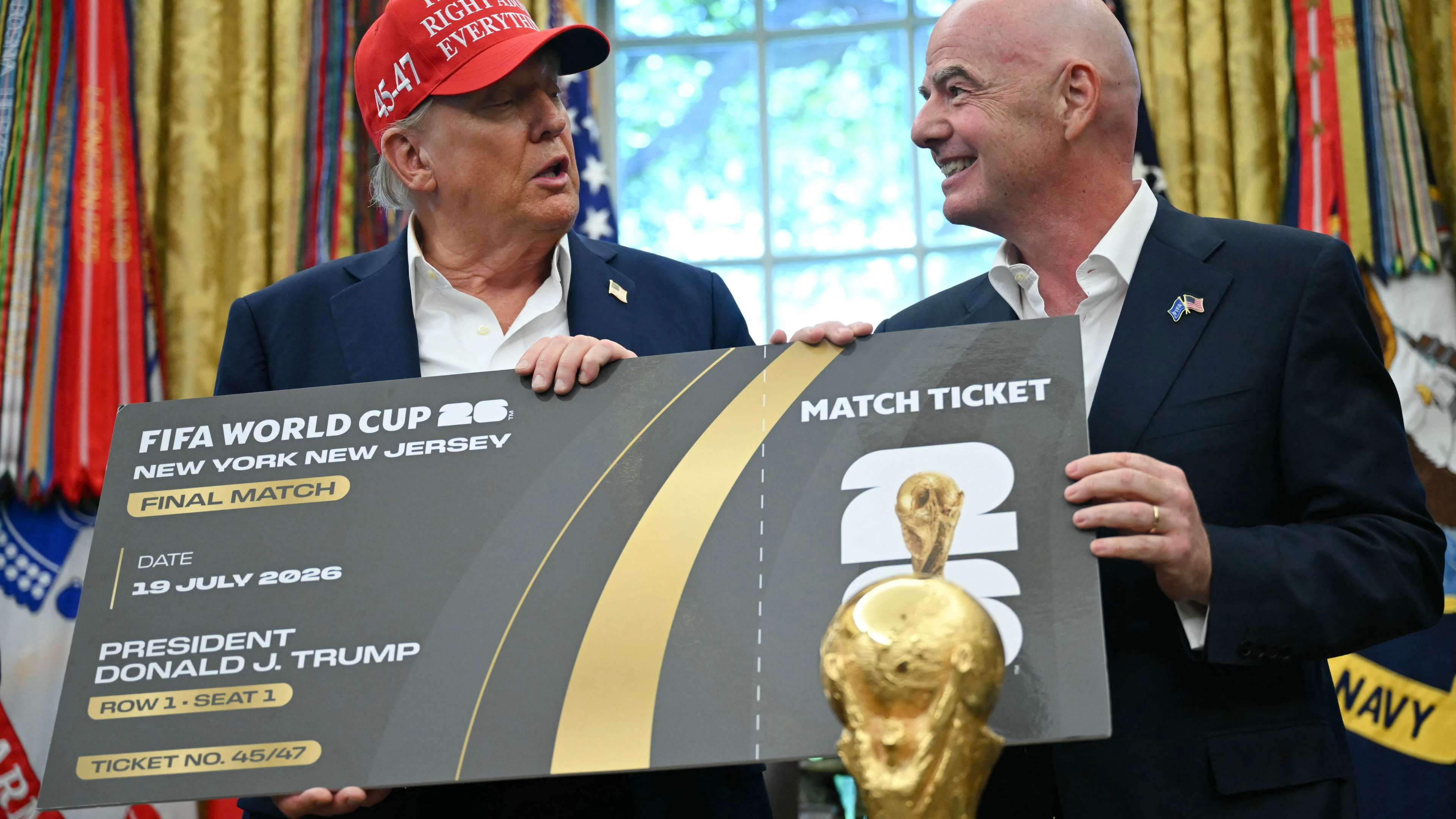
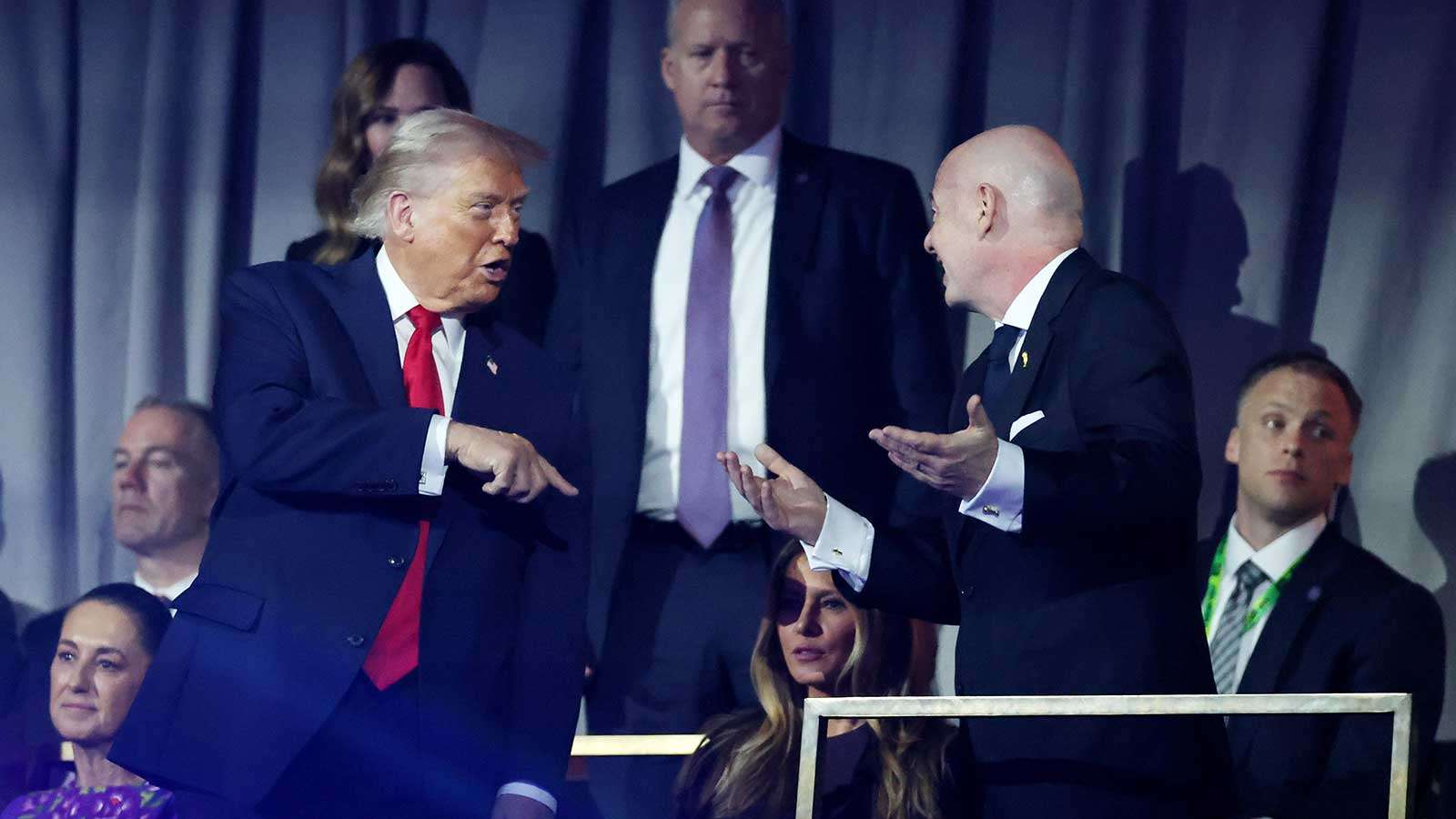
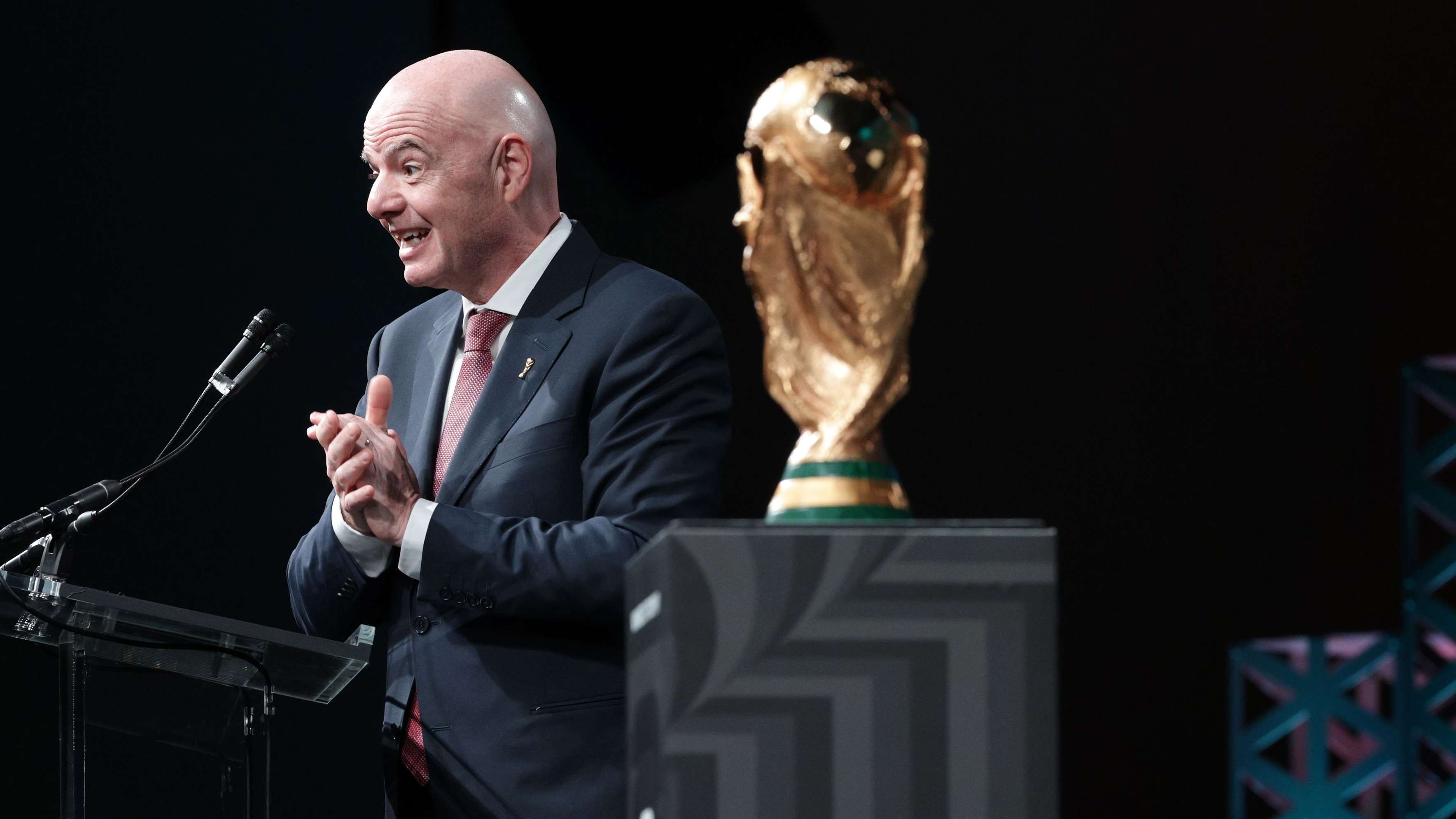
The resale market dynamics sit atop broader debates surrounding FIFA's official pricing structure. Tournament organizers have priced tickets significantly higher than amounts listed in the original host nation bid documents and well above any previous World Cup. FIFA President Gianni Infantino defended the pricing strategy at the recent FIFA Congress, highlighting record demand: the organization received 500 million ticket requests for 2026—ten times the combined total from the previous two World Cups. FIFA reported selling out 90 percent of initial inventory and emphasized that pricing tiers exist to accommodate various budgets, though critics argue affordability remains limited for average supporters.
FIFA's last-minute sales phase continues on a first-come, first-served basis, meaning additional inventory could enter the resale market before kickoff. Secondary market prices may shift significantly in the coming weeks as sellers adjust asking prices and new tickets become available, particularly as match dates approach.