FIFA president Gianni Infantino has responded to mounting outcry over astronomical resale prices for the 2026 FIFA World Cup final, using humour to deflect criticism as tickets breach $2 million on secondary markets. The remarks come as supporters across the United States, Mexico and Canada voice concern about accessibility to what should be football's most inclusive global event.
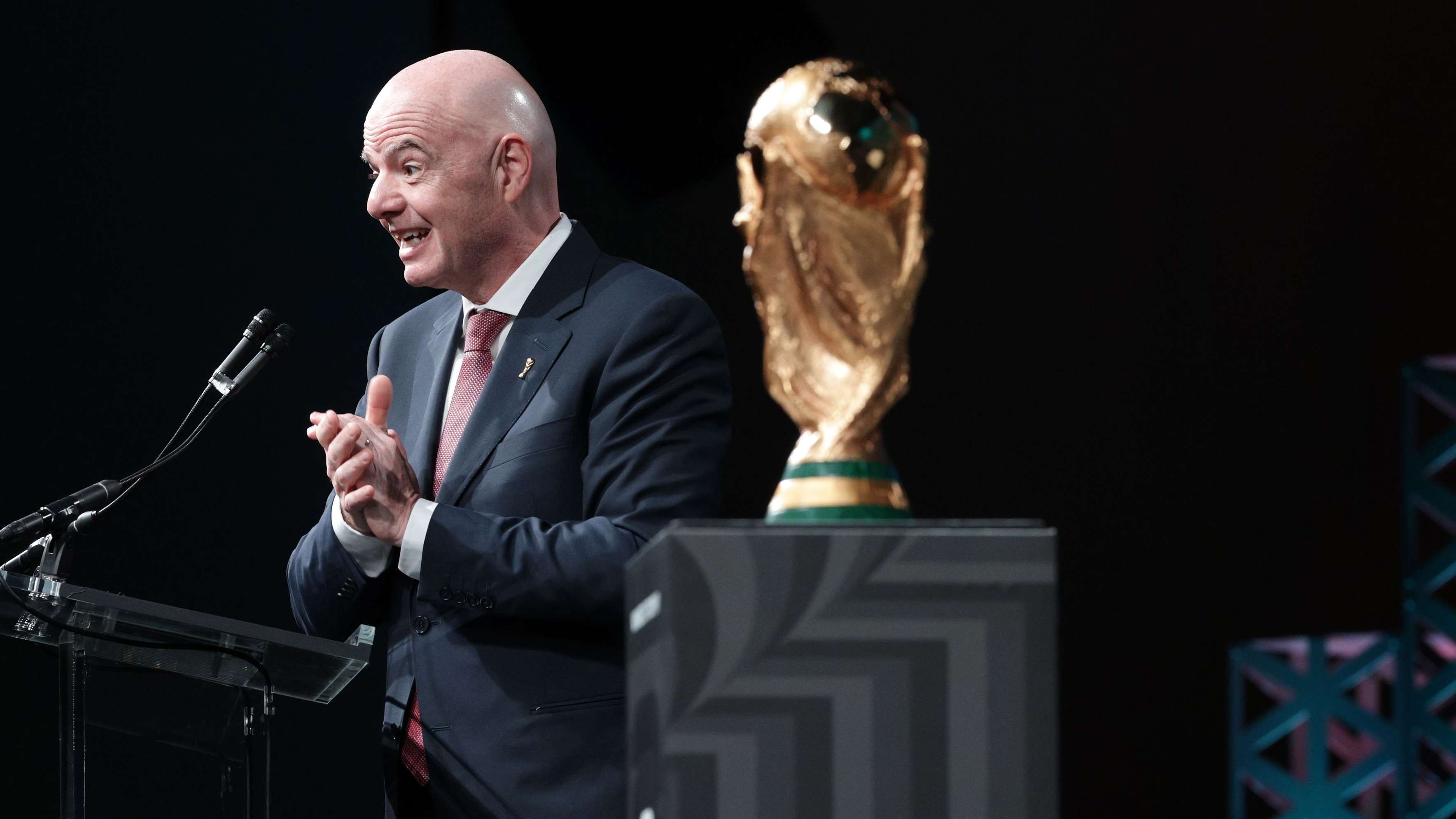
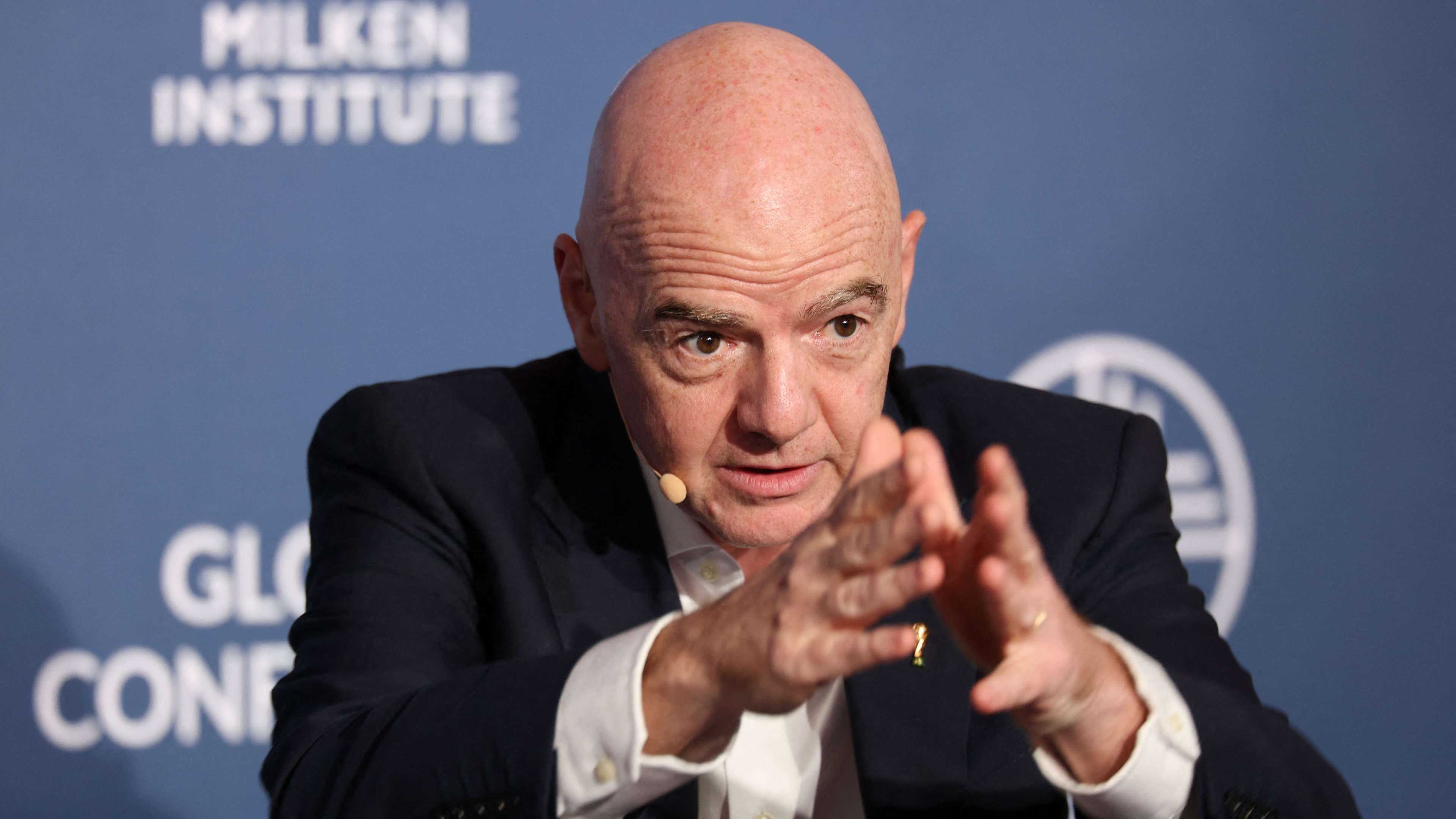
Speaking at a conference, Infantino quipped that if anyone actually paid $2 million for a final ticket, he would "personally bring a hot dog and a Coke" to guarantee they had "a great experience." The joke underscores the surreal nature of resale listings that have appeared on platforms, with some New Jersey-based seats priced as high as $2.3 million—figures that bear no relation to FIFA's original ticket allocation.
Resale Market Dynamics Drive Speculation
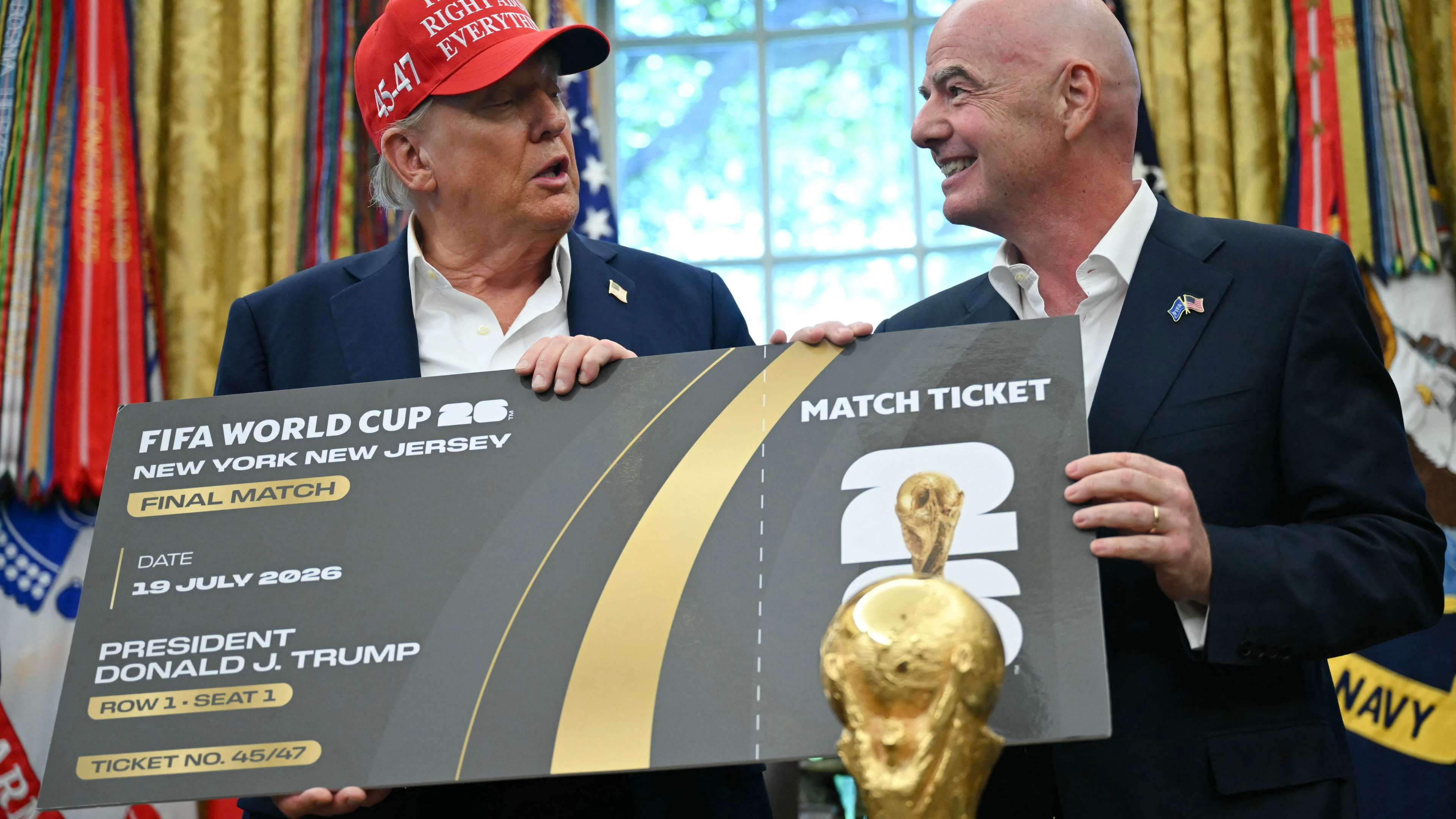
Infantino stressed an important distinction: extraordinary resale prices do not reflect FIFA's official pricing structure. "If some people are offering tickets for the final on the resale market for $2 million, firstly, that doesn't mean the original ticket price was $2 million, and secondly, it doesn't mean anyone will buy those tickets," he explained. The FIFA chief pointed to United States resale regulations as a key factor, noting that because ticket reselling is legal in America, low-priced official inventory inevitably gets snapped up and relisted at exponential markups.
The president defended FIFA's broader pricing approach, highlighting that 25 percent of group stage matches remain available for under $300. He argued that even competitive pricing for premium fixtures leads to secondary market premiums—a pattern common in sports ticketing across North America. However, resale listings that exceed original prices by more than double have intensified public scrutiny about whether ordinary supporters can realistically attend the tournament.
Accessibility Concerns Mount Ahead of 2026
The controversy reflects deeper anxieties about exclusivity creeping into what FIFA has traditionally positioned as a globally accessible spectacle. With the 2026 World Cup spanning three nations for the first time, logistical complexity already poses travel and accommodation barriers for international fans. Extreme secondary market pricing threatens to compound those challenges, particularly for supporters from lower-income regions.
FIFA continues to promote lower-cost ticket options through official channels, yet resale platform dynamics remain largely beyond the organization's direct control. As tournament dates approach, the tension between legitimate market forces and equitable access will define whether the expanded 2026 format truly delivers on inclusivity or fragments the global fanbase into economic tiers. The final in New Jersey will test whether FIFA can balance commercial opportunity with the competitive spirit that defines the World Cup.