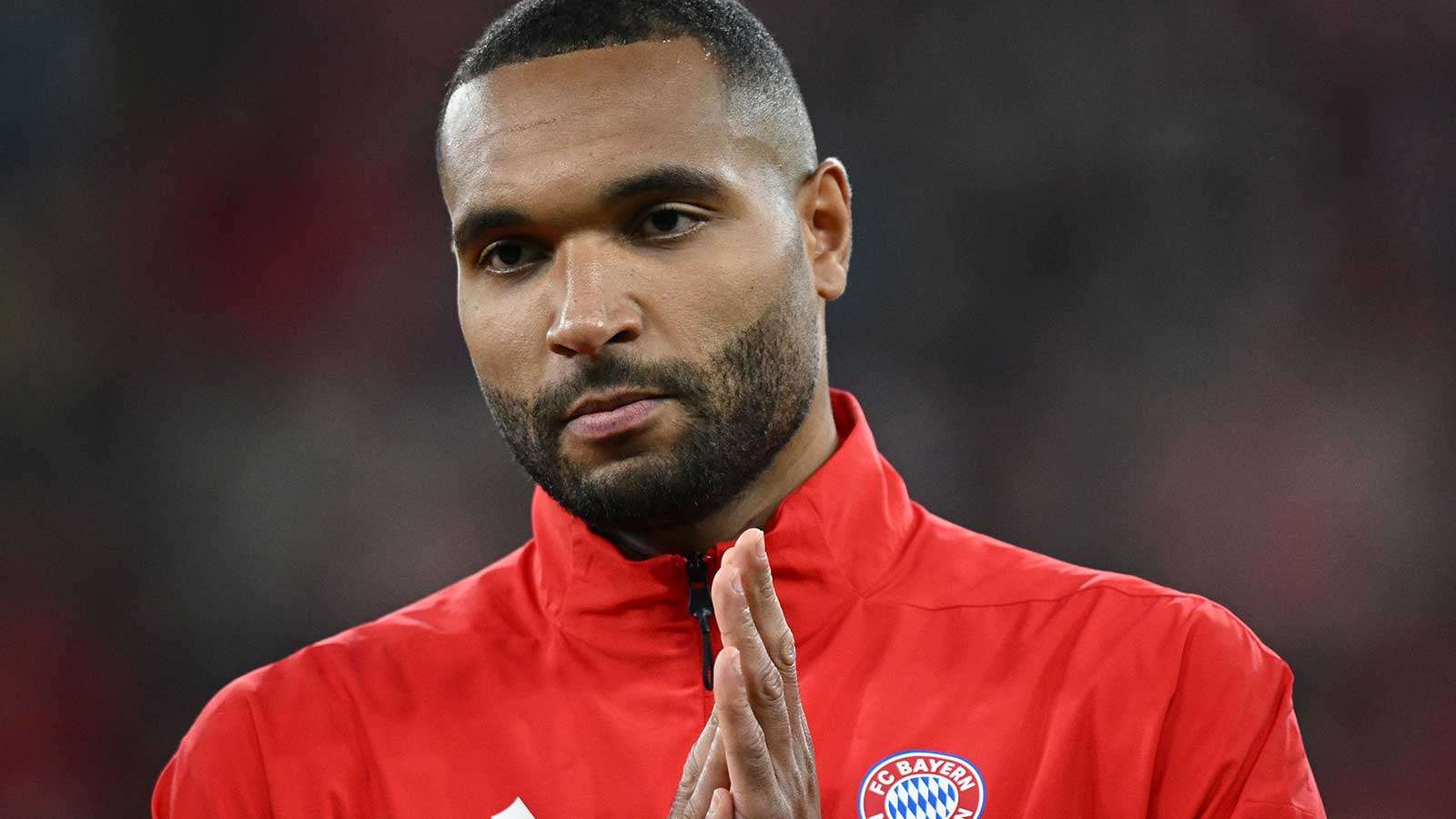
Jonathan Tah, Bayern Munich's defensive leader, has launched a scathing critique of the player agent industry, describing widespread malpractice that undermines both player development and financial fairness. Speaking on the Tim Gabel Podcast, the Germany international exposed how agents operate behind the scenes with minimal player awareness, ultimately reducing what footballers earn by pocketing substantial commissions themselves.
The 30-year-old centre-back drew particular attention to the culture of dependency that many agents foster. He compared it to parenting gone wrong, where yes-men surround talented players and prevent them from maturing into responsible adults. "When you grow up, at some point the moment comes when you grow out of the child's role and take responsibility yourself," Tah explained, highlighting how some players in their late twenties and thirties remain emotionally stunted because agents and inner circles never challenge them to develop beyond football.
A Culture of Enablers, Not Mentors
Tah identified several critical issues within modern player representation:
- Agents make undisclosed deals with clubs that directly reduce player earnings
- Surrounding a player with only "yes-men" prevents genuine personal growth and maturity
- Players abdicate all life responsibility to representatives, from financial decisions to family planning
- Approximately 70 per cent of problematic agents prioritise commission over player welfare
Despite his criticism, the Bayern Munich defender acknowledged that not all representatives operate unethically. Rather, he called for an industry-wide shift toward transparency and decency. "Earn as much money as you want, but just be straight, honest, decent and a good person," he said, emphasising that financial ambition need not conflict with integrity.
Tah's Contrasting Perspective on Quality Representation
Notably, Tah expressed satisfaction with his current representatives, Pini Zahavi and Maxi Bielefeld, praising their businesslike approach. He credited Zahavi with compartmentalising emotion and treating negotiations as professional transactions rather than emotionally charged football matters. This contrast underscores Tah's broader argument: elite player representation exists, but requires agents willing to act as fiduciaries rather than enablers.
The central defender's candid comments reflect growing frustration among elite footballers about an industry that has historically operated without sufficient scrutiny. As transfer fees and agent commissions continue escalating across European football, Tah's call for accountability and honest dialogue suggests more high-profile players may begin publicly challenging the status quo within their sport.