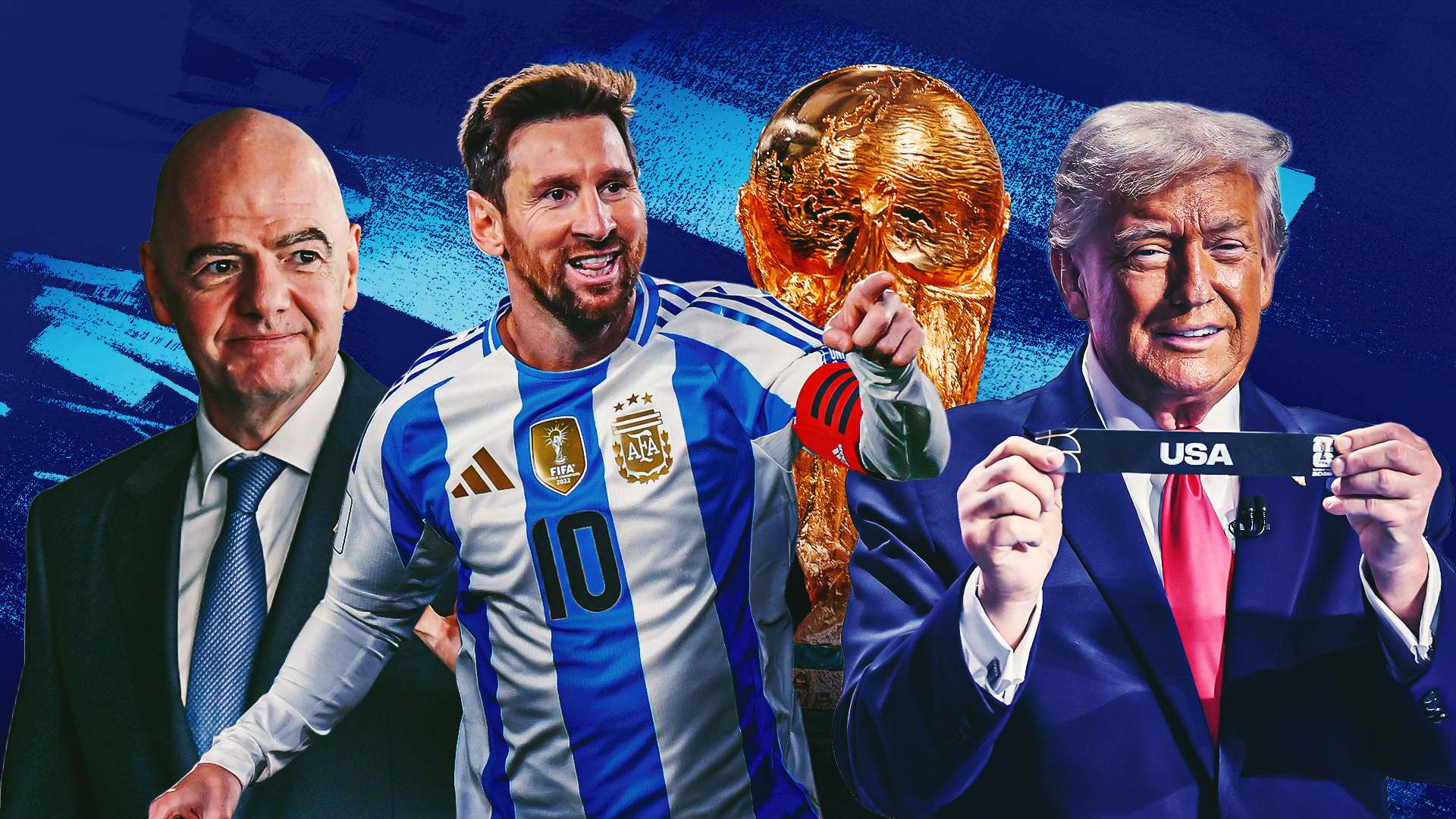
With less than a month until kickoff, the 2026 World Cup should be generating headlines about elite football, thrilling matchups, and national pride. Instead, controversies surrounding host preparations have overshadowed the tournament's approach. The removal of a historic mural in Dallas without artist notification—triggering legal action against FIFA and the North Texas host committee—exemplifies a broader pattern of mismanagement that has drained momentum from what should be the world's most celebrated sporting event.
What a World Cup Should Represent
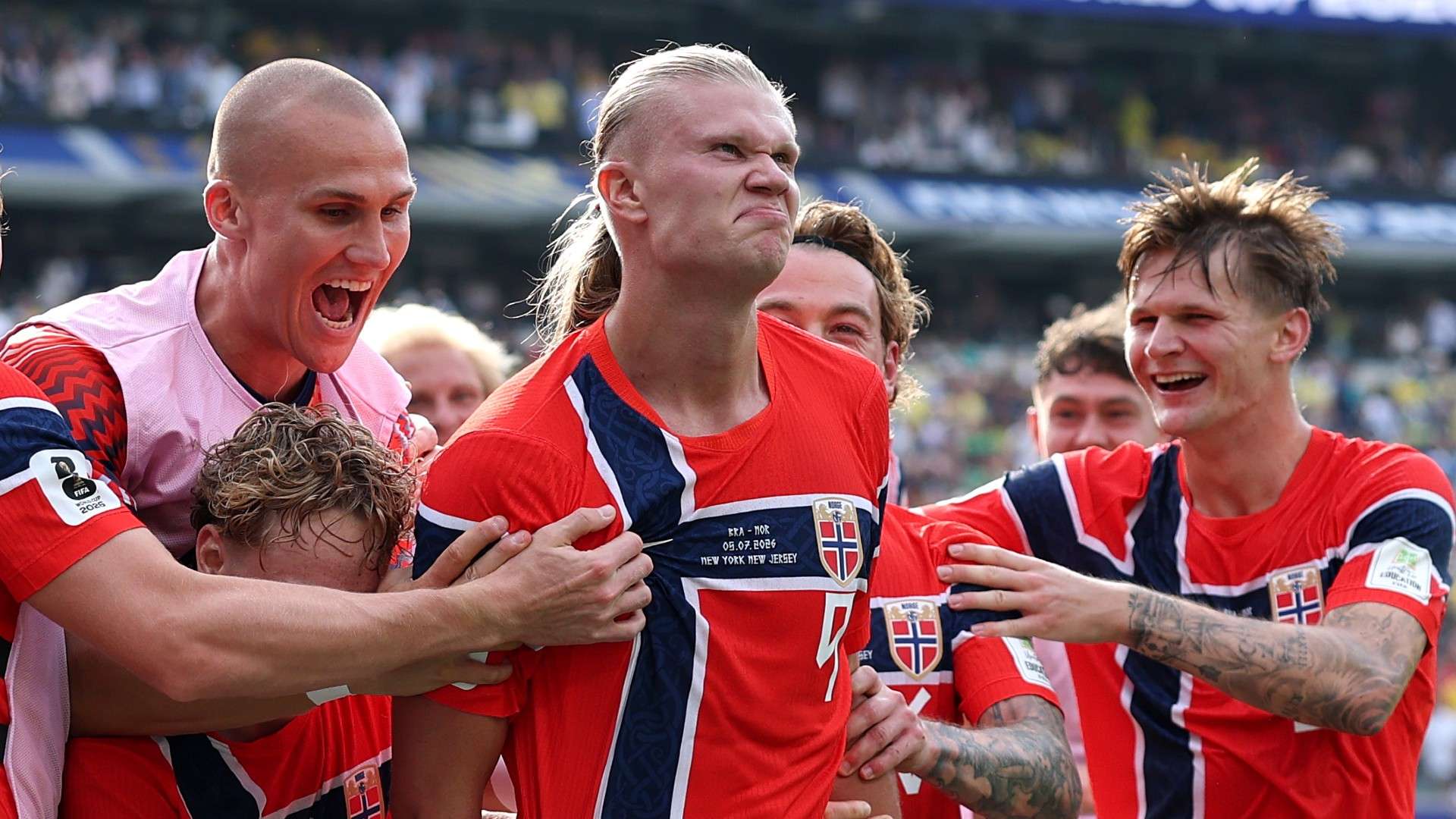
At its core, the World Cup exists for athletes to compete at the highest level against global opposition while the world watches. For players like Brazil's Raphinha, qualification represents validation and proof of belonging among football's elite. National teams prepare for years to reach this moment, driven by competitiveness and the desire to etch their names into sporting history.
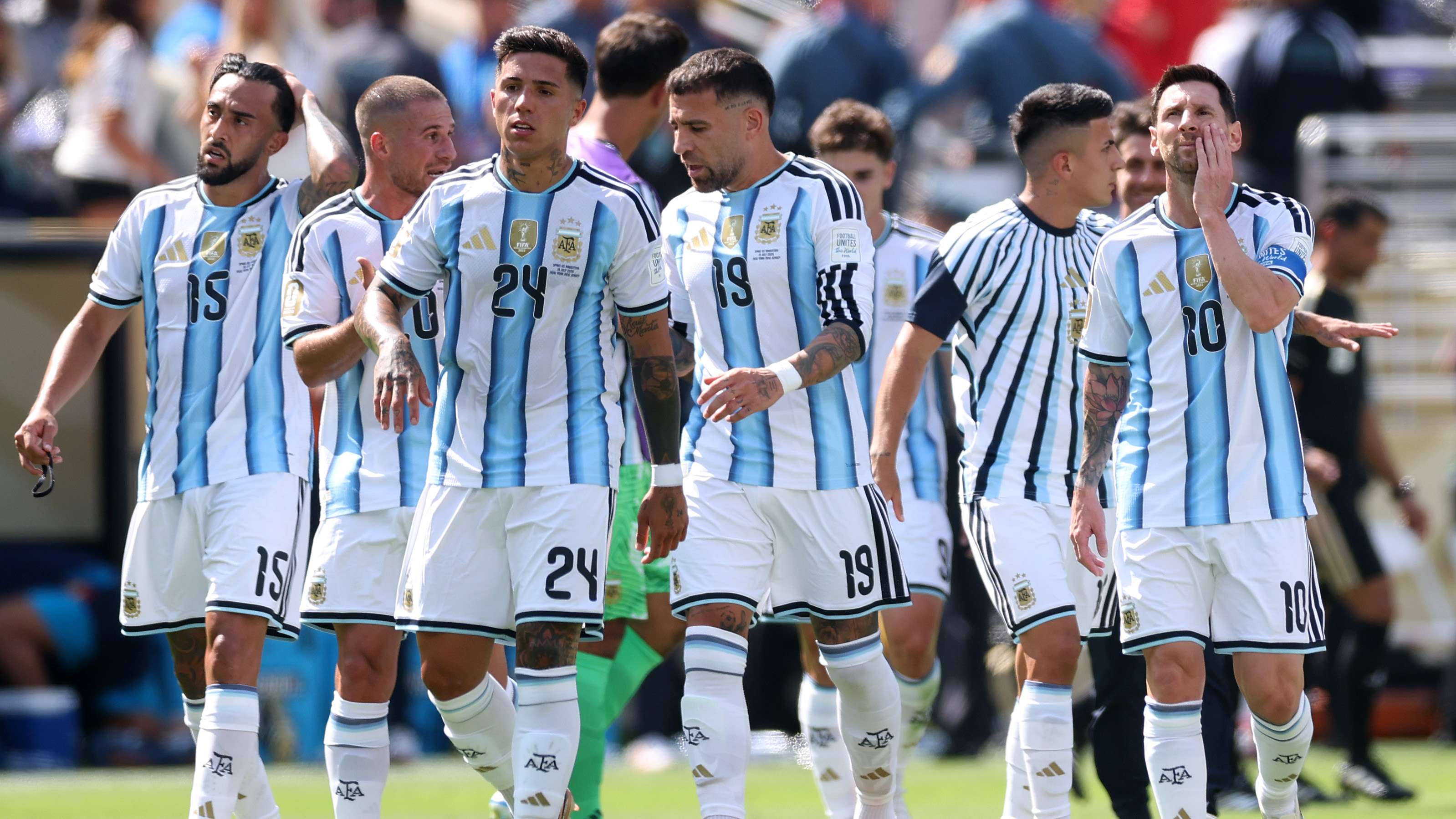
For supporters, the tournament transcends football itself. It combines national pride with celebration, travel, and shared experience. The joy of expecting success, the solidarity of rallying behind colours, and the opportunity to witness world-class sport in person create memories that last decades. Argentina's 2022 World Cup triumph and Brazil's heartbreak against Croatia demonstrate the emotional stakes. Even smaller nations like Curacao, simply honoured to participate, bring infectious enthusiasm that enriches the tournament's fabric.
Off-Field Problems Stealing the Spotlight
Yet pre-tournament narratives should focus on squad preparation, tactical intrigue, and emerging storylines. Instead, ticketing problems, infrastructure disputes, and organisational missteps dominate coverage. The mural controversy in Dallas—where Robert Wyland's 30-year-old public artwork was reportedly painted over without notification—encapsulates how host committee decisions have prioritised logistics over local sentiment.
According to ticketing experts, pricing fluctuations and accessibility issues have frustrated fans trying to secure seats. This financial friction, combined with negative headlines about cultural erasure, has created a palpable deficit of genuine excitement. In the final weeks before the tournament, supporters should be debating formations and forecasting winners. Instead, they're discussing legal battles and logistical failures.
The contrast with previous World Cups is stark. Successful tournaments build momentum through storytelling—narratives of underdogs, redemption arcs, and national dreams. These stories emerge during competition, but anticipation beforehand sets the emotional stage. The 2026 tournament's reputation is being shaped by what's gone wrong rather than what could go right, threatening to diminish the celebration of global football at its finest.