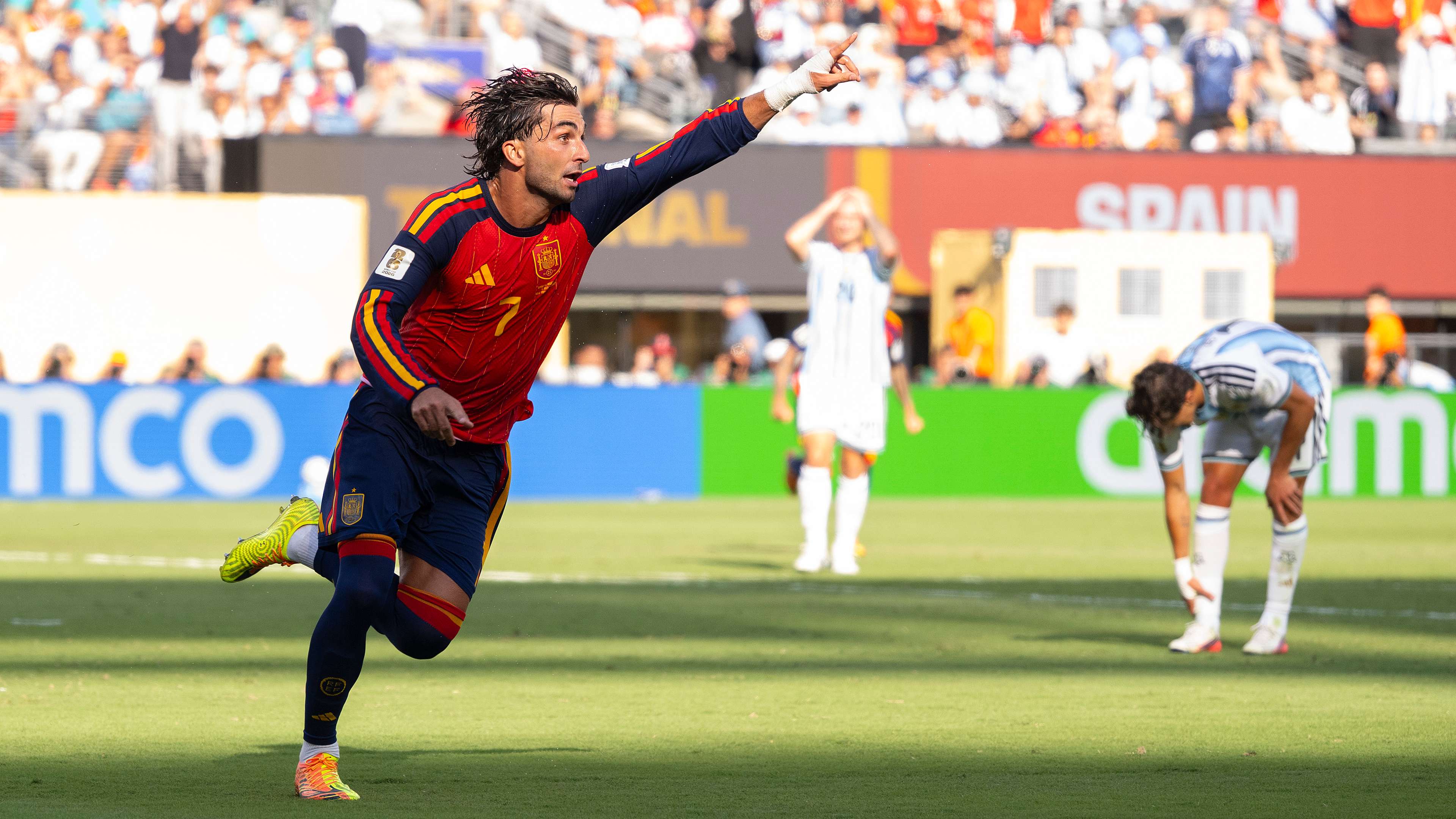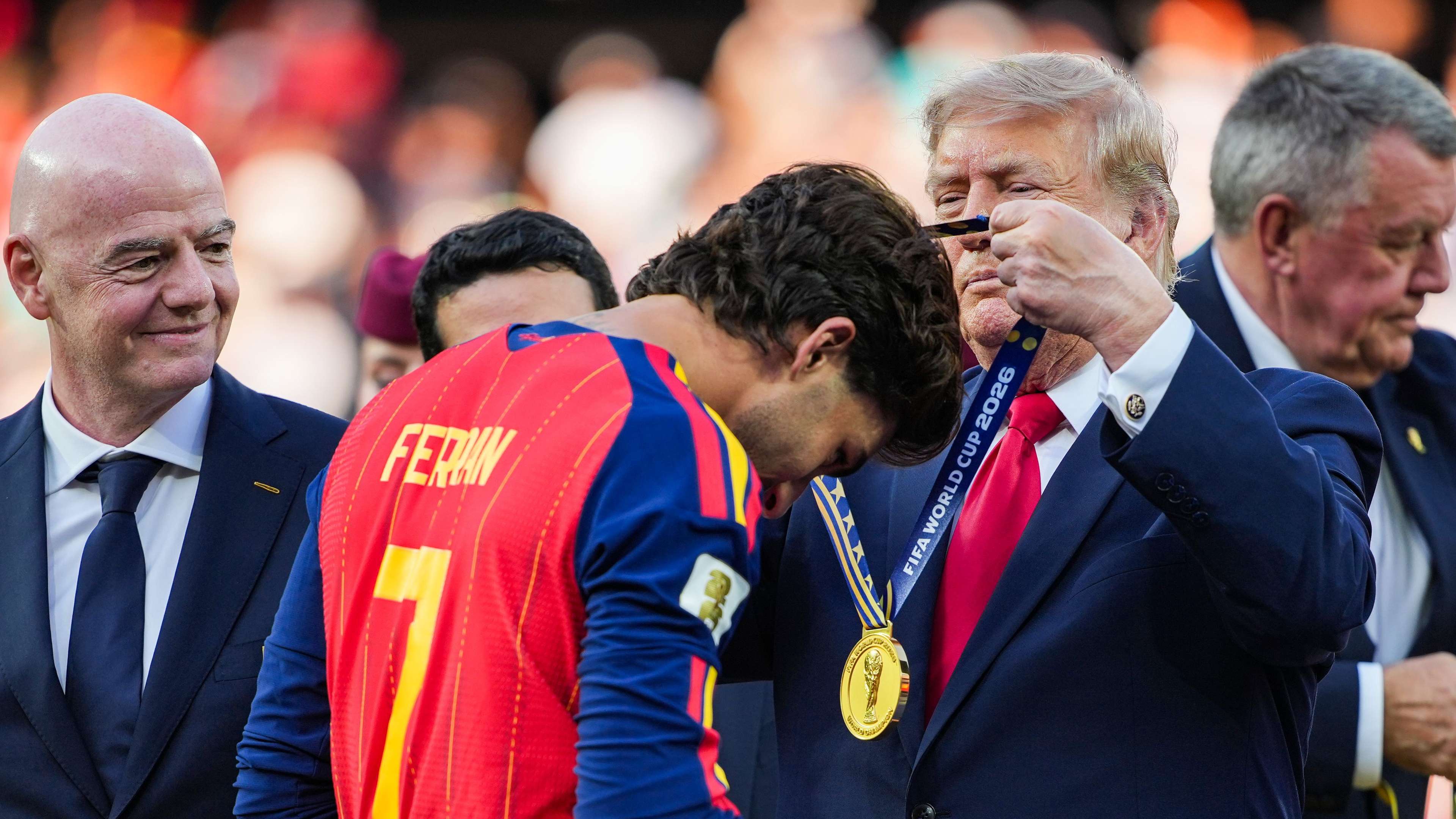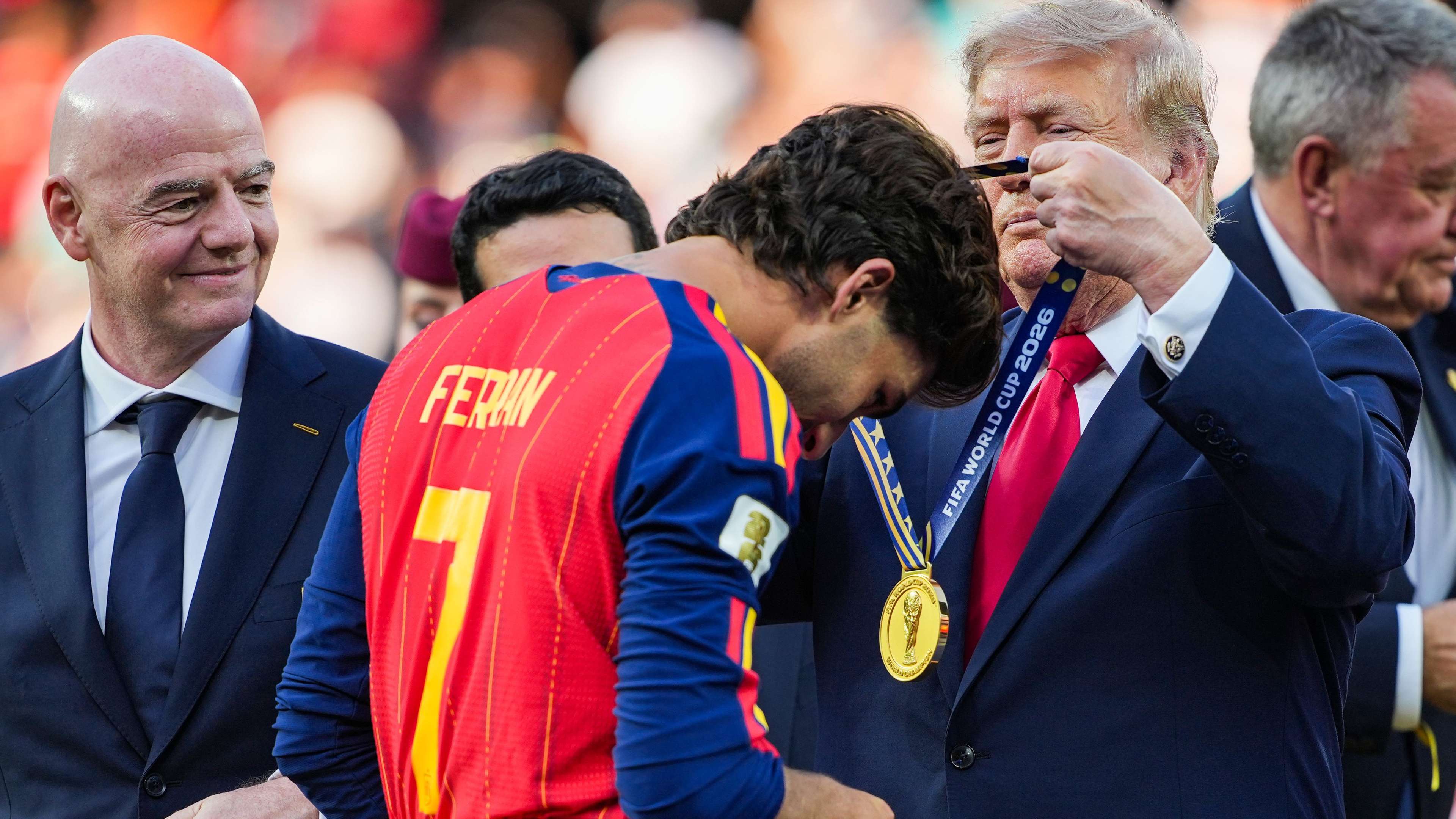
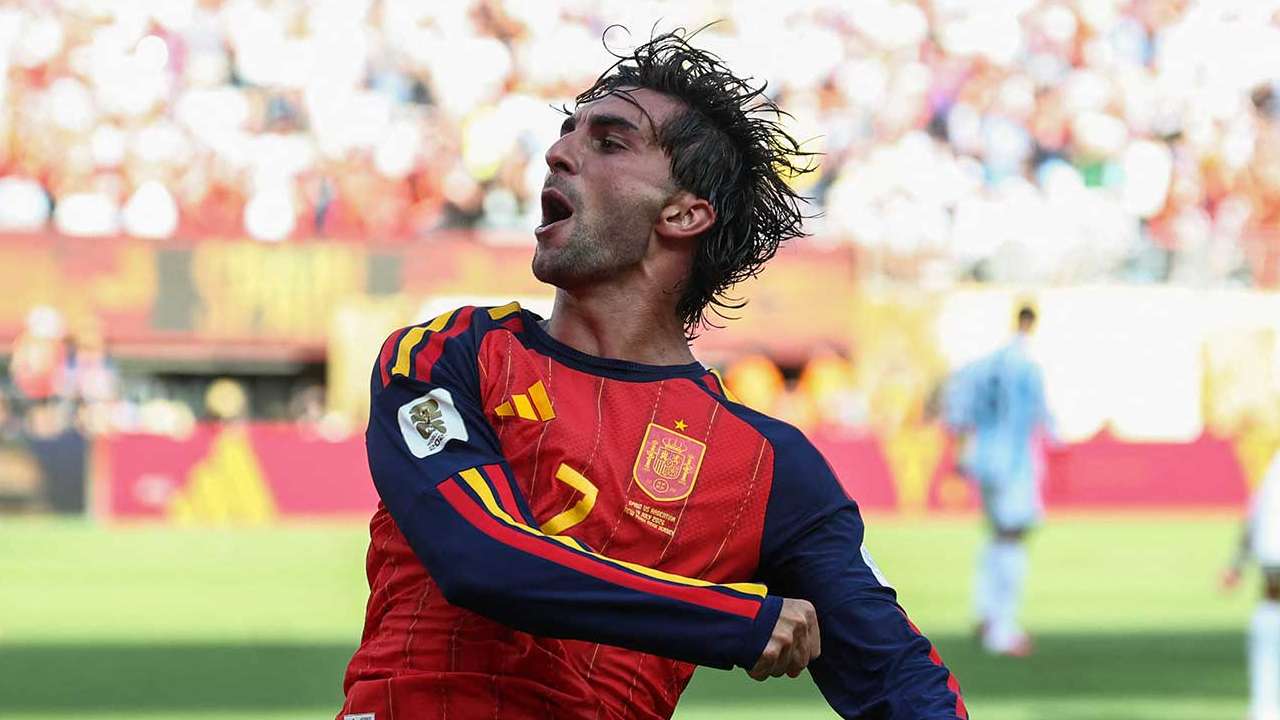
Ferran Torres, the Spanish forward who scored the winning goal in the 2026 World Cup final against Argentina, saw his tribute mural destroyed in Barcelona just hours after its completion. The artwork by renowned urban artist TV Boy was covered entirely in white paint on Wednesday morning in the Gràcia neighbourhood, with vandals leaving messages opposing Spanish unity and promoting Catalan sporting recognition.
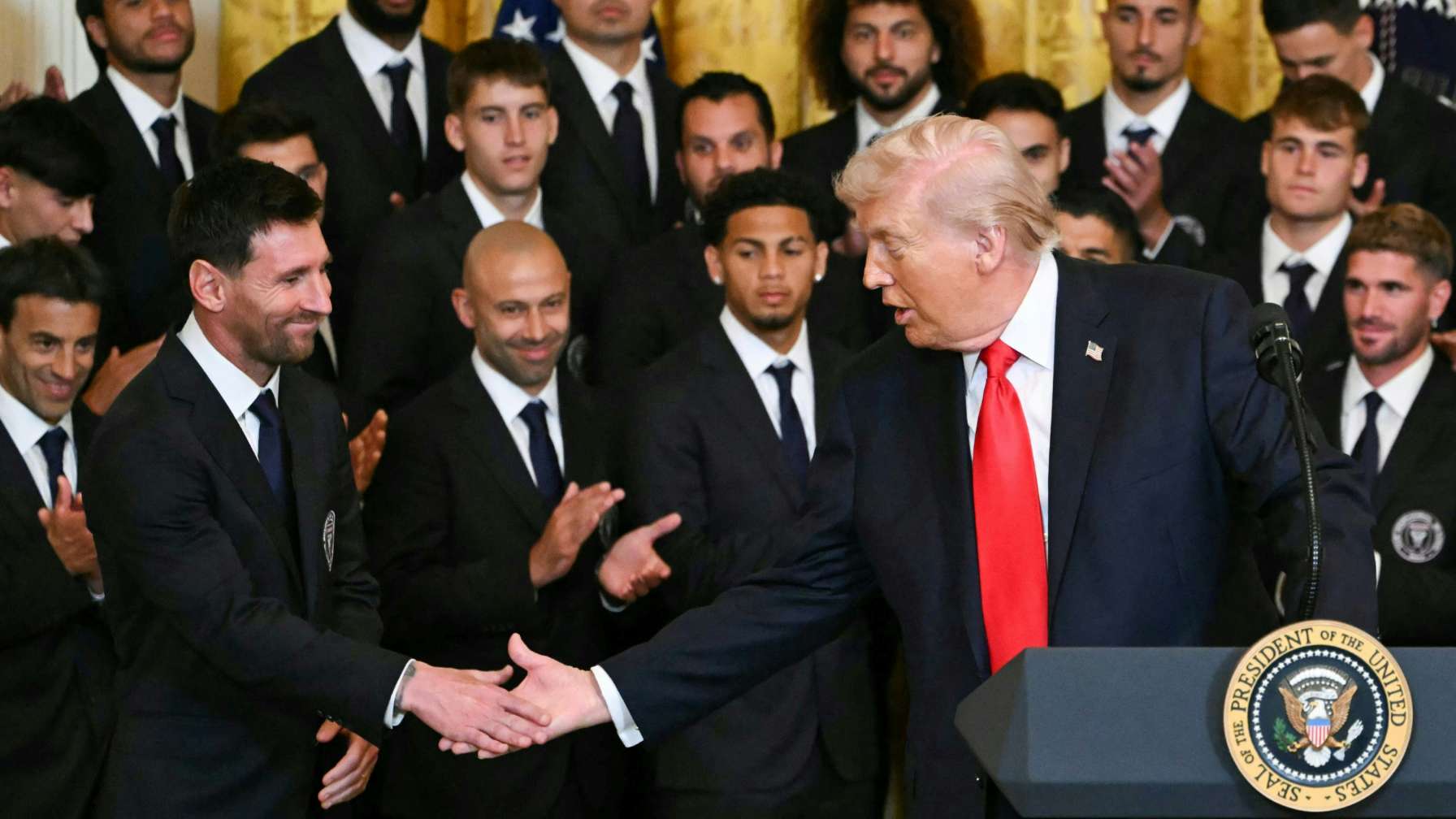
The destruction of the mural reflects deeper tensions surrounding Torres's World Cup triumph and subsequent Madrid celebration parade. The Barcelona forward wore a red cap reading "Make Spain Great Again"—mirroring Donald Trump's campaign slogan—during the victory festivities, sparking heated debate across Spanish and Catalan political circles. While some dismissed it as a joke referencing the New Jersey venue, others interpreted it as a direct political statement, amplifying existing divisions within Spanish society.
Beyond the Pitch: Financial Accusations Mount
The vandalism was not an isolated incident. Days earlier, another mural featuring Lionel Messi and Lamine Yamal faced similar destruction. The controversy extended beyond street art when MP Alberto Ibáñez from the Sumar coalition published claims that Torres's company operates as an investment fund purchasing distressed residential properties across Valencia for speculation purposes.
Torres's representatives firmly rejected the allegations. They clarified that the company's primary assets consist of a commercial building adjacent to Mestalla stadium designated for administrative offices, not residential investment. According to sources close to the player and official records, Torres currently owns four residences: a Barcelona home, two Valencia properties, and a holiday retreat, plus undeveloped land for future construction. This contradicts earlier Forbes reporting suggesting 20 properties across both regions.
Artist Vows to Continue Despite Threats
TV Boy responded to the vandalism by declaring his commitment to continue creating art without intimidation. The muralist emphasized that artistic expression must remain separate from narrow political disputes. His stance reflects the broader cultural divide in Barcelona, where sporting achievement increasingly intersects with regional identity and national politics.
The incident underscores how Torres's historic World Cup-winning goal—scored in the 106th minute of extra time at MetLife Stadium—has transcended football, becoming entangled in property disputes, political messaging, and regional tensions. As pressure mounts on the player from multiple angles, his focus returns to Barcelona's domestic campaign and the La Liga title race ahead.