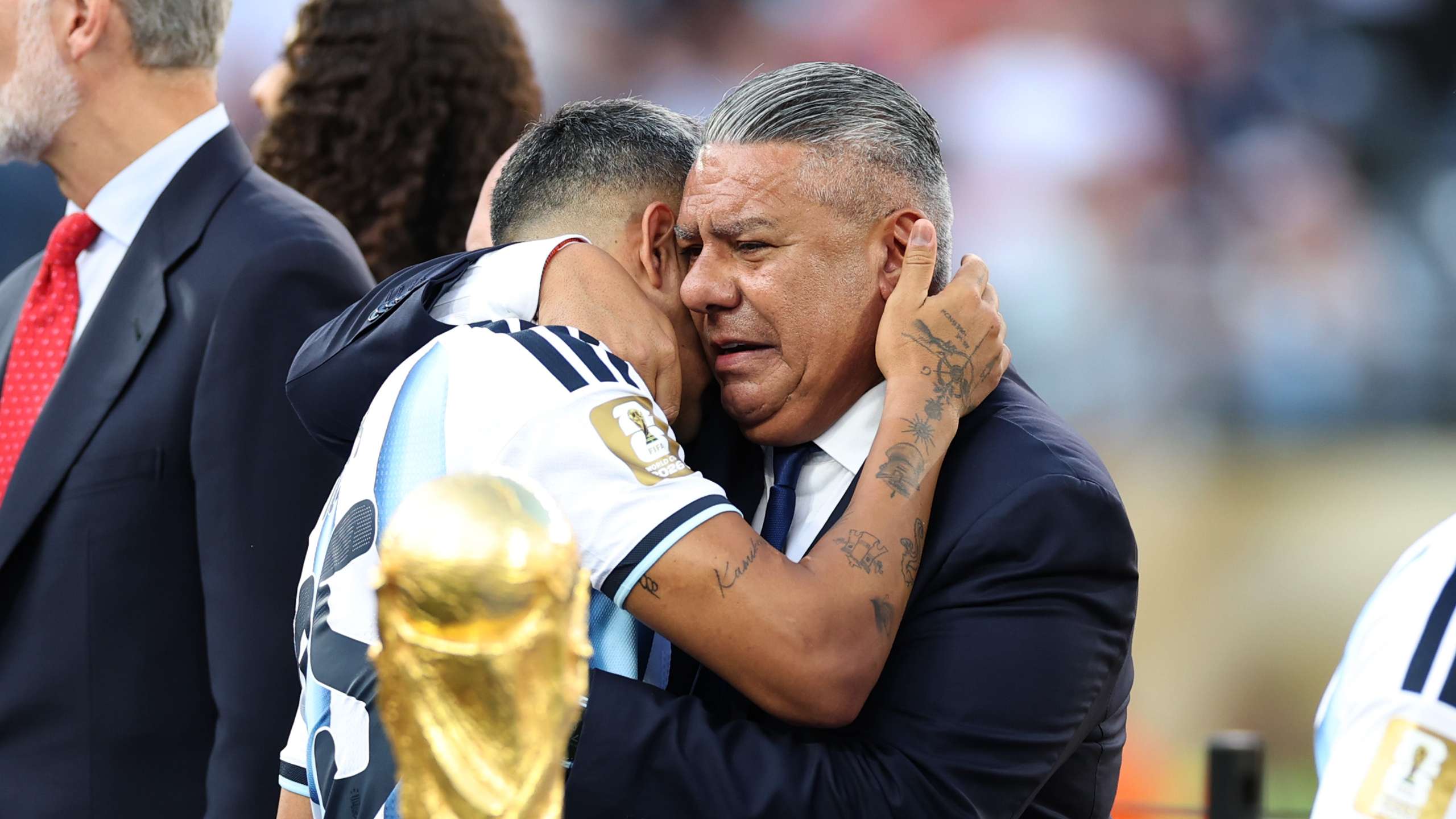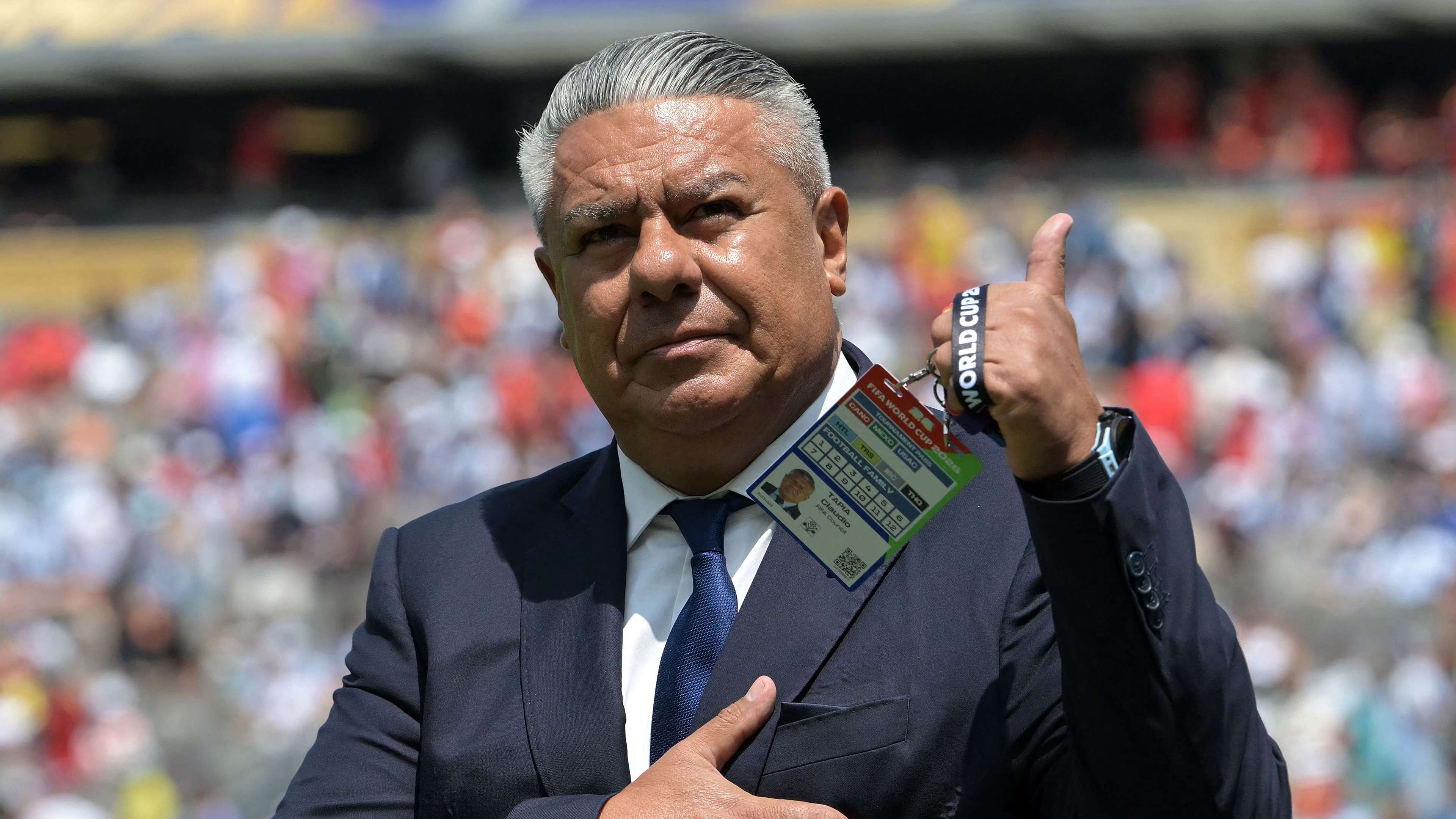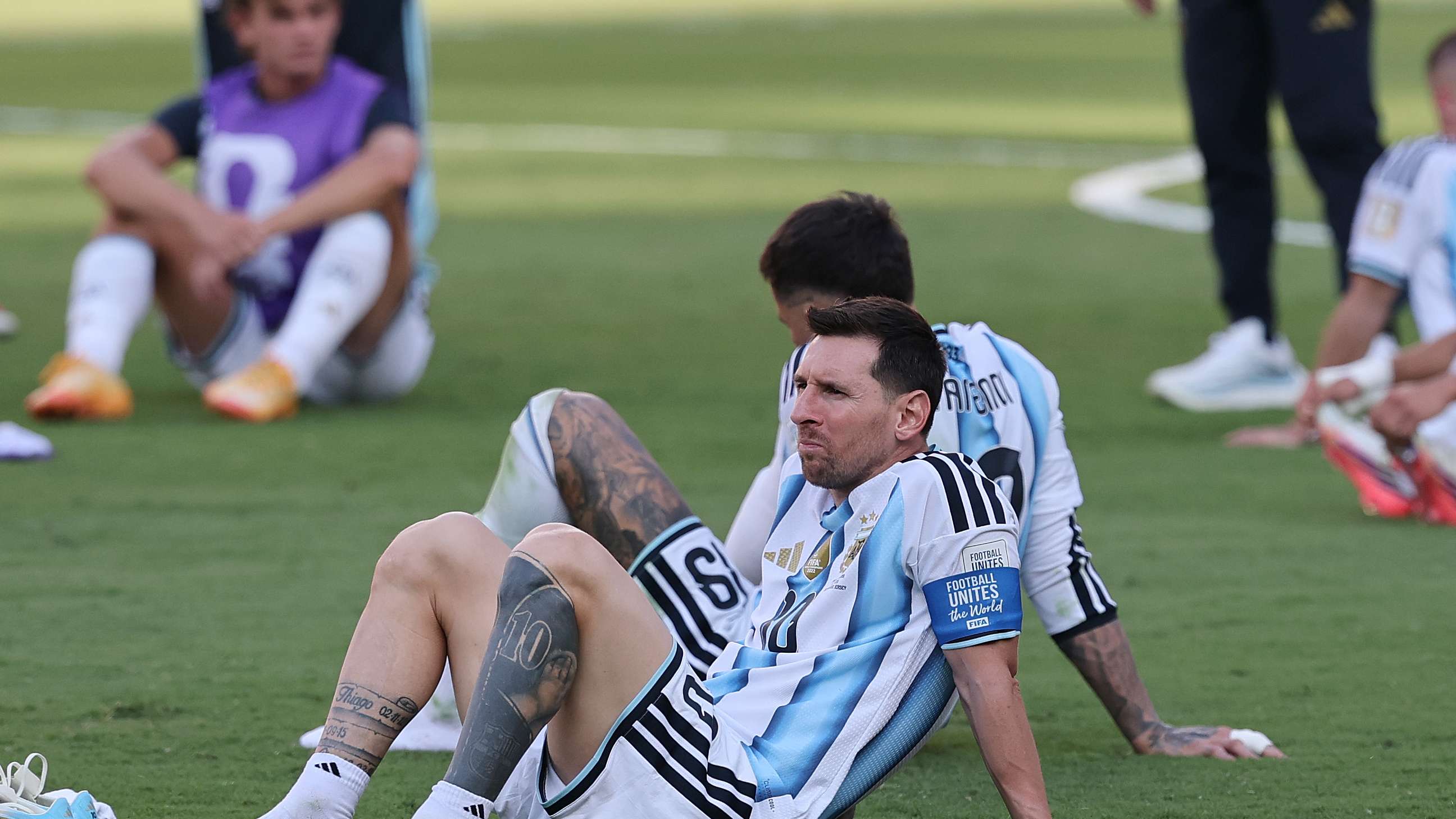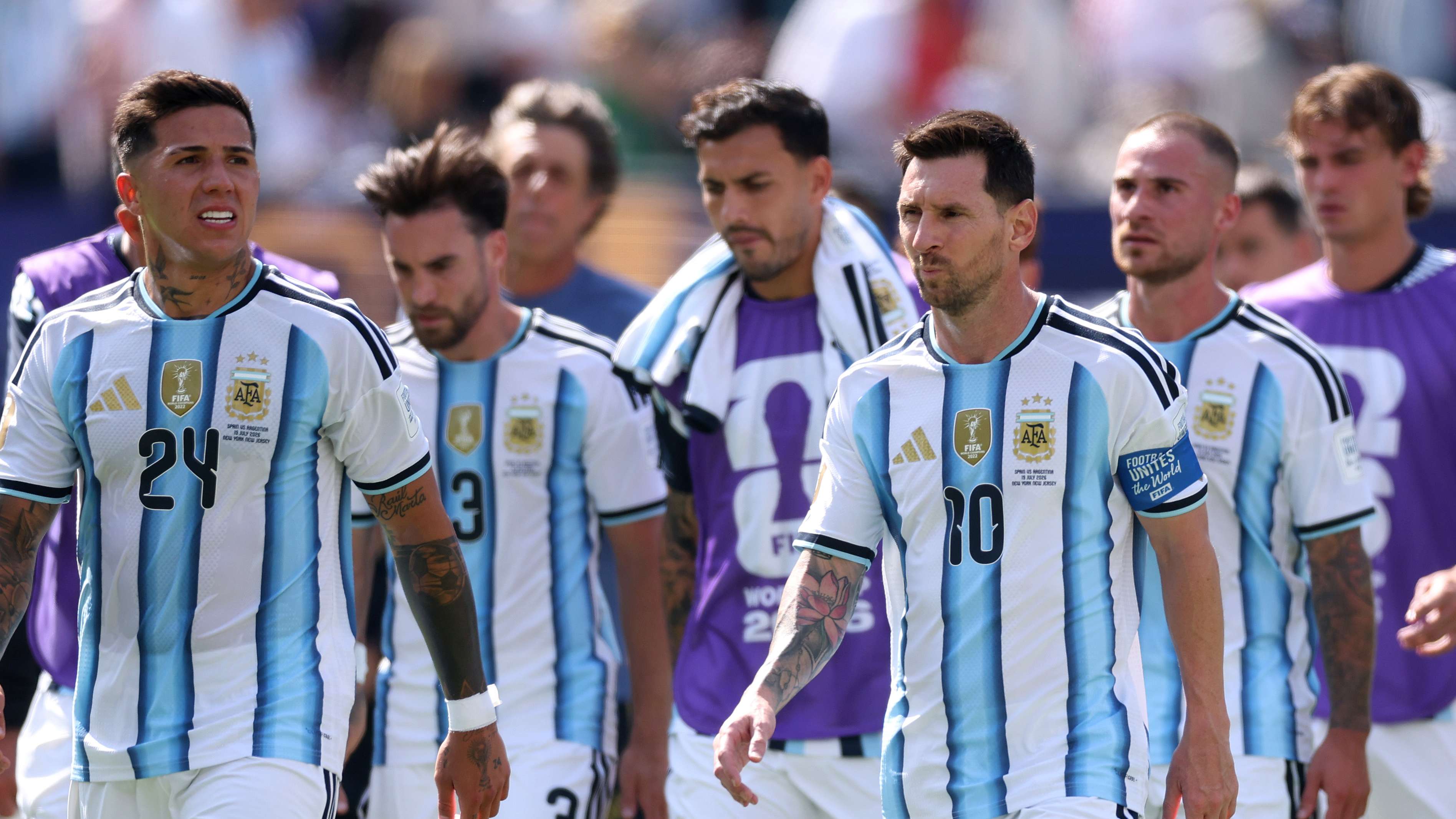
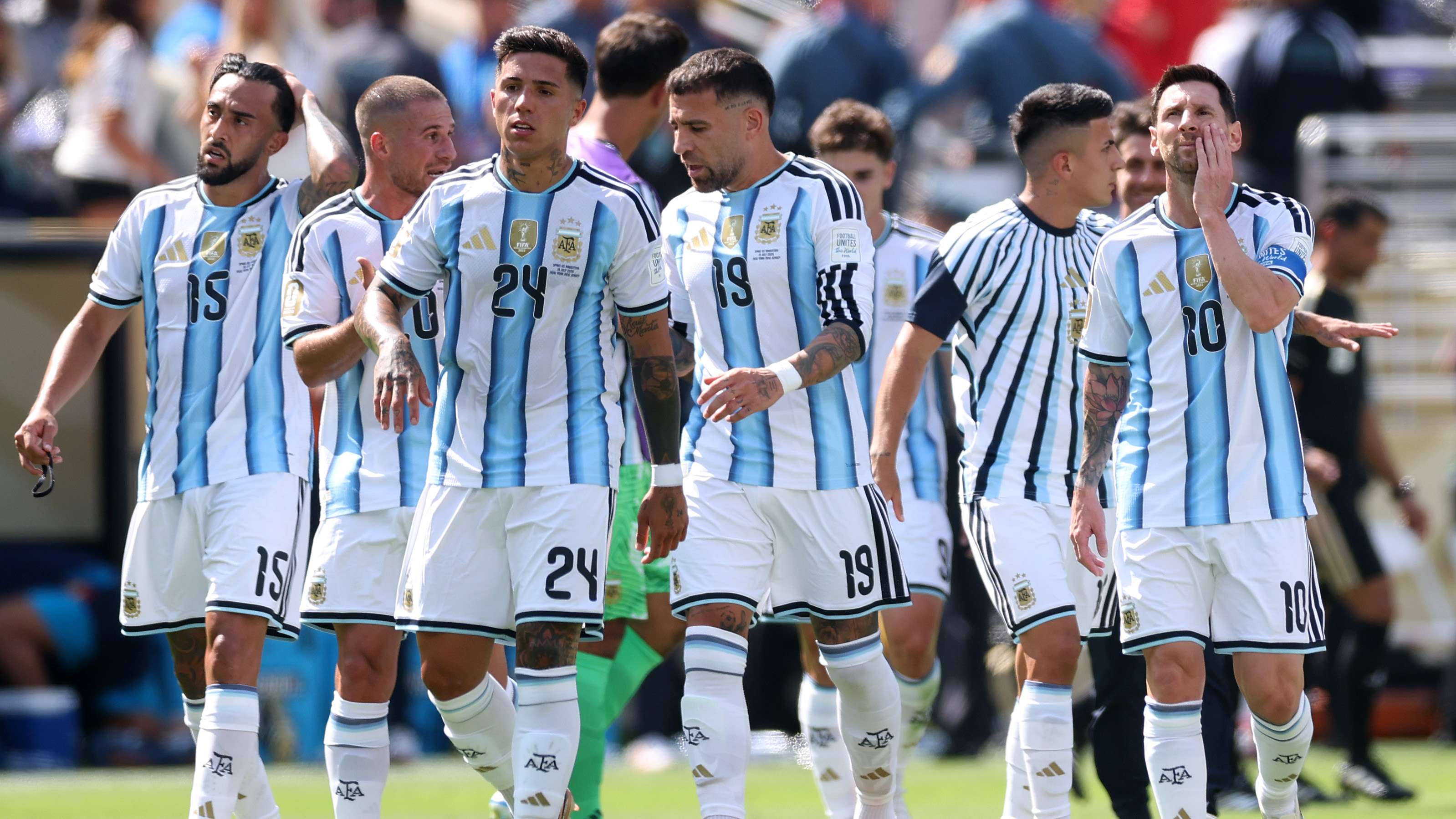
The Argentine Football Association is mounting a comprehensive legal offensive to combat widespread disinformation that targeted the national team during the 2026 World Cup. Following Argentina's 1-0 defeat to Spain in the final after two periods of extra time, the governing body has begun assembling evidence of false accusations, doctored images, and baseless conspiracy theories that circulated across social media platforms.
Building a Legal Case Against Digital Attacks
According to reports from La Nación, the AFA's legal team is gathering screenshots, videos, and documentation to support defamation lawsuits against those responsible for spreading harmful content. The campaign targets both major media outlets and influential social media accounts on Instagram, TikTok, and other platforms. Individual users who shared alleged defamatory material may also face legal action, regardless of their follower count or profile size.
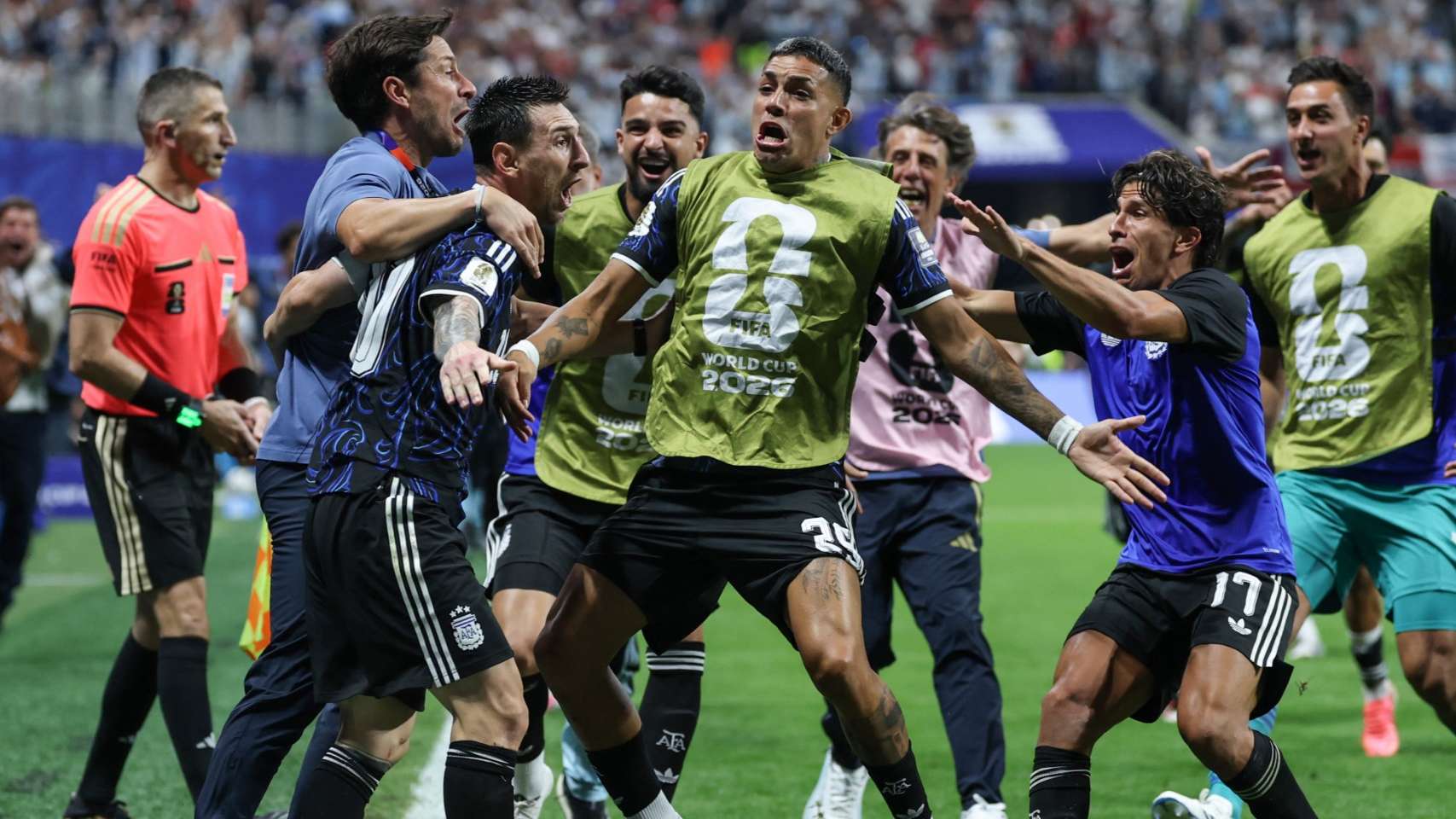
Throughout the tournament, Argentina found itself at the centre of multiple controversies. On-pitch altercations, refereeing disputes, and accusations surrounding player conduct fuelled an intensely polarized atmosphere. Critics branded the team's playing style as violent, while conspiracy theories accused FIFA of either favouring or unfairly targeting the South American side in crucial matches. This toxic environment transformed social media into a digital battlefield where misinformation flourished.
Scope of the Legal Response
The AFA's legal strategy encompasses false accusations without foundation, the distribution of edited or unverified imagery, and the publication of content lacking any evidentiary basis. Association officials determined that tournament rules were breached through these coordinated campaigns and now seek judicial remedies. The organisation appears resolute in defending both institutional reputation and player dignity after a World Cup marked by sporting disappointment and media turbulence.
With lawyers actively compiling evidence and building a robust case file, the Argentine Football Association signals its determination to hold digital actors accountable. This legal push represents one of football's most ambitious attempts to combat organised disinformation in the social media age, setting potential precedent for how governing bodies address online harassment campaigns targeting national teams and individual players.