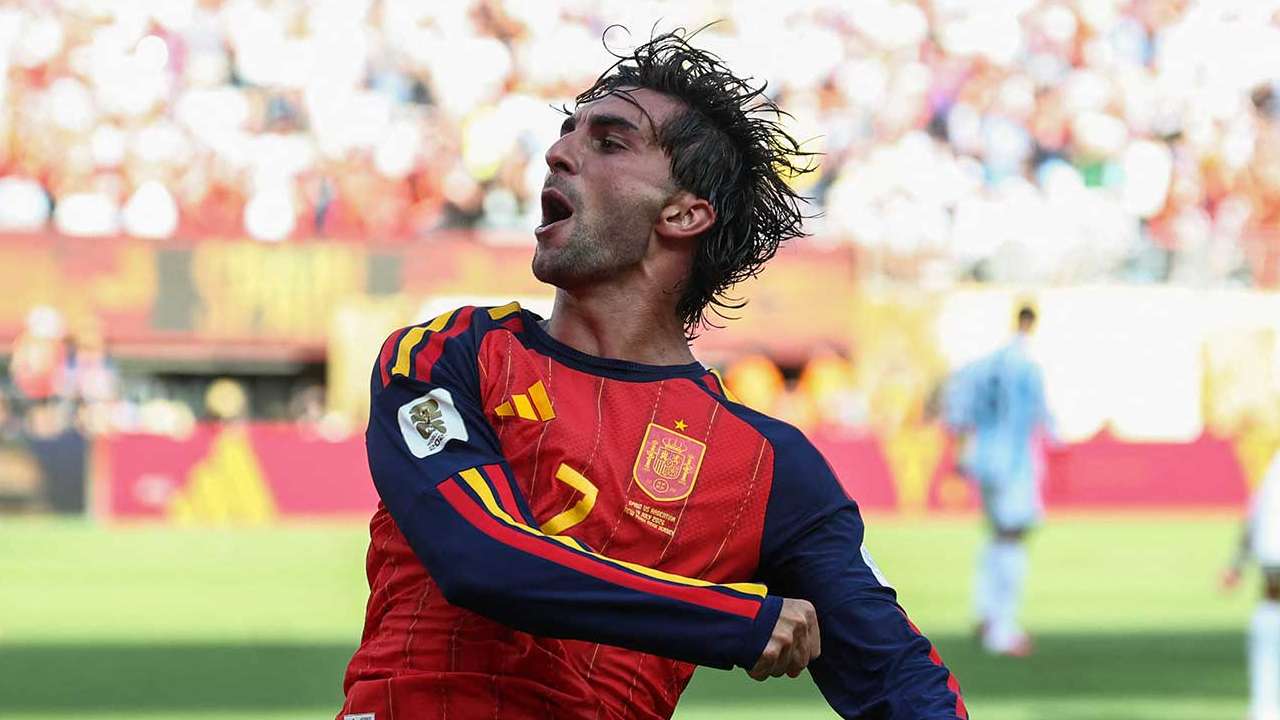
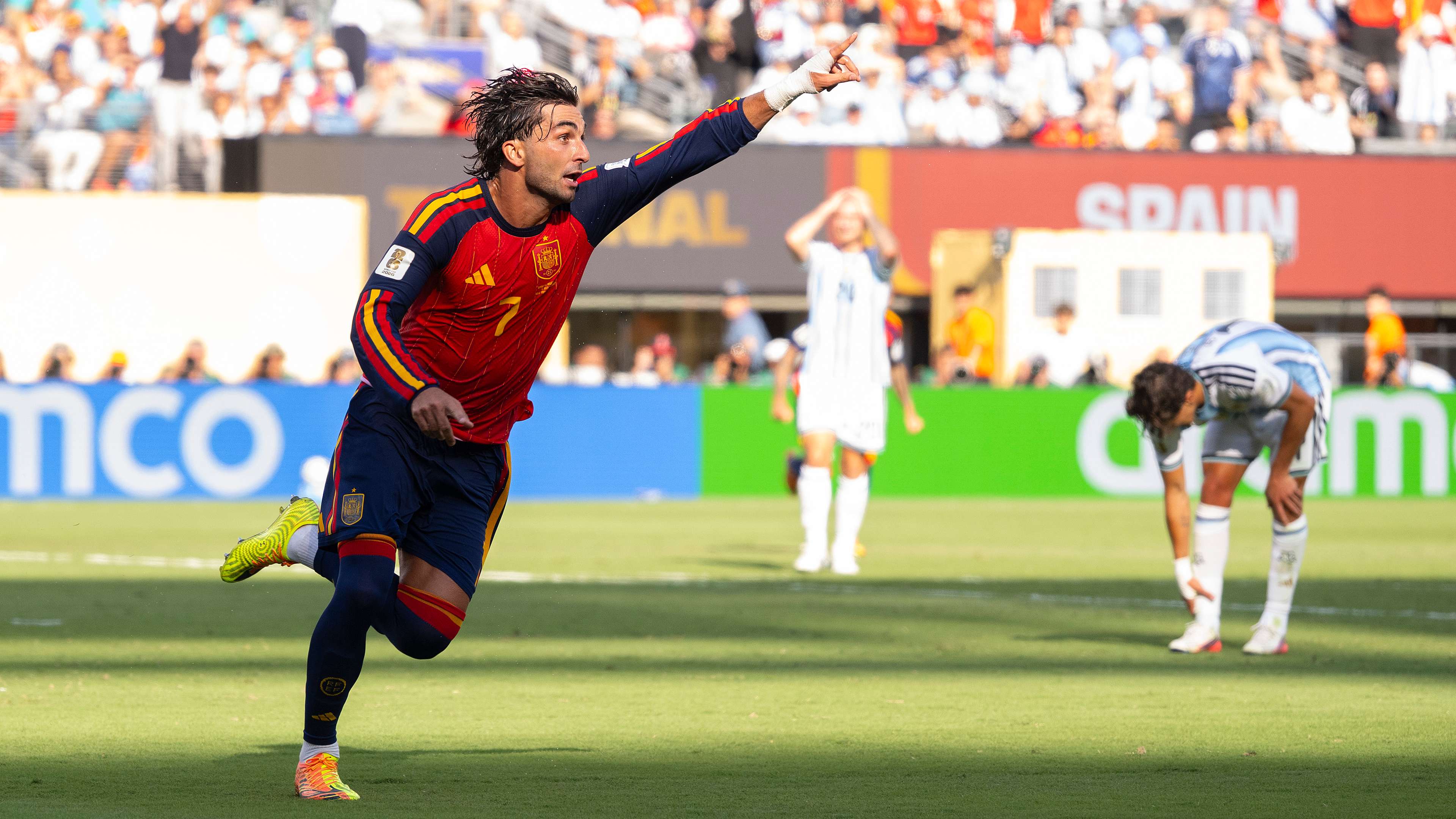
Ferran Torres became Spain's World Cup hero in 2026, scoring the decisive goal in the final against Argentina. Yet his triumph was marred by political upheaval back in Catalonia, where a mural celebrating the Barcelona forward fell victim to vandalism within hours of its unveiling in the city's working-class Gracia district.
The artwork depicted Torres in the Spain shirt, cradling and kissing the World Cup trophy. Separatist groups defaced the piece during the night of Tuesday into Wednesday, painting the player's face white and spray-painting slogans across the surface. Messages including "Damn Spain" and "We want Catalan national teams" reflected broader tensions over regional identity and national representation in professional football.
Political Divisions and Artistic Defiance
The vandalism highlighted the complex relationship between Catalonia's independence movement and players who represent Spain on the international stage. Social media erupted in controversy the moment the mural appeared, signalling the contentious nature of such tributes in the region. According to RMC, the defacement was orchestrated by Catalan separatists protesting Torres's choice to play for La Roja rather than a potential Catalan national team.
Artist TvBoy, who created the piece, responded swiftly to the attack, pledging to restore the mural despite the vandalism. This was not an isolated incident—a previous artwork honouring Barcelona legends Lionel Messi and Lamine Yamal had suffered similar treatment, bearing identical separatist messaging. The pattern underscores ongoing tensions within Catalan society regarding national versus regional sporting allegiances.
Torres's World Cup-winning moment, historically significant as Spain's second global title, became entangled in a debate that extends far beyond football. As the artist commits to repainting the mural, the question remains whether artistic celebration can coexist with political conviction in a region where national identity remains deeply contested.