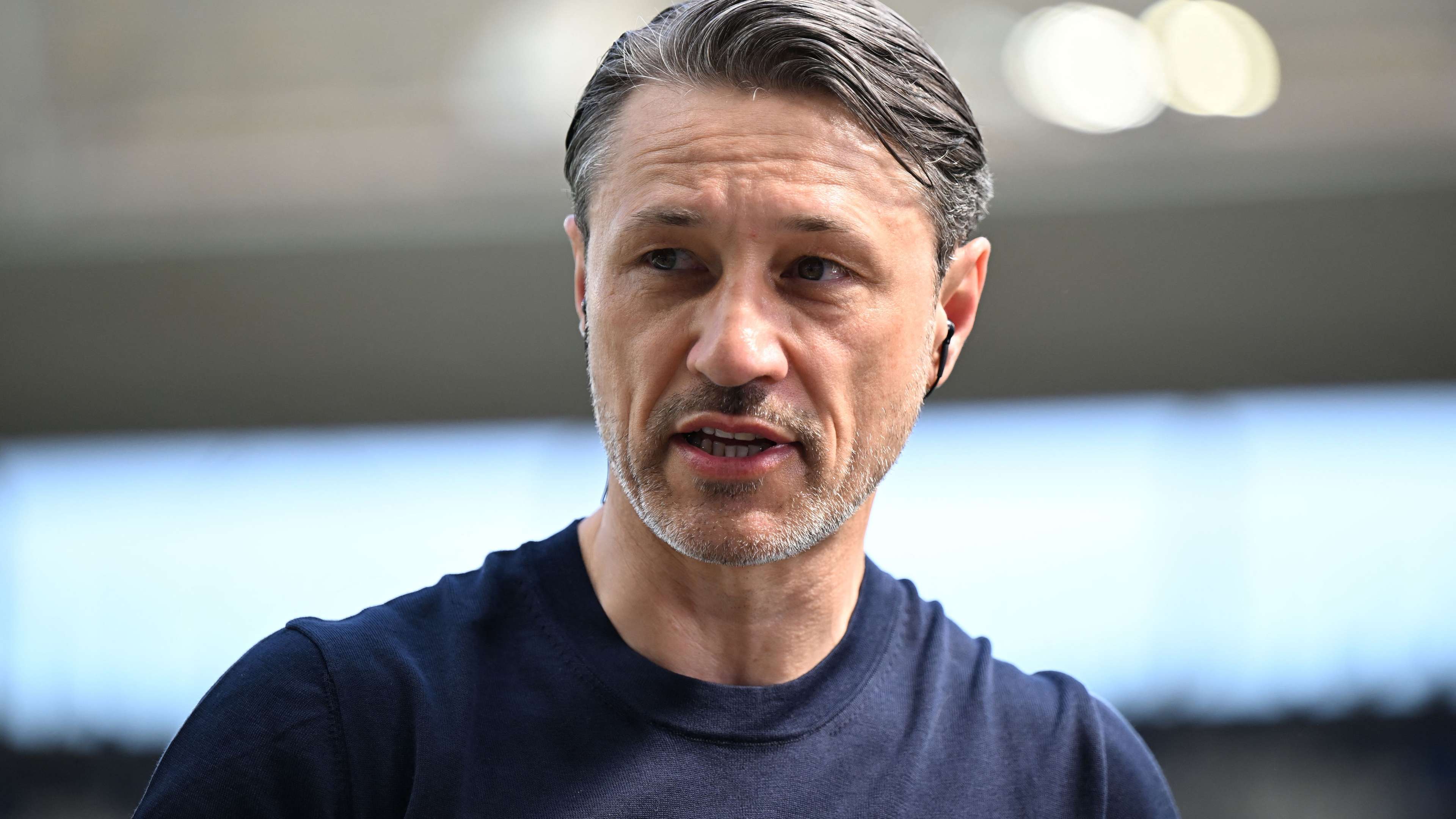

Borussia Dortmund finished second in the Bundesliga with the league's best defence, yet their season fell short of true progress. A Champions League knockout and DFB-Pokal round-of-16 exit exposed limitations that defensive solidity alone cannot overcome. Manager Niko Kovac now faces a critical challenge: evolving his pragmatic system to unleash the attacking football the club demands.
A Foundation Built on Defence
Kovac's first full season stabilised a club that had wobbled in previous campaigns. Dortmund's defensive record matched Thomas Tuchel's celebrated 2015/16 side, conceding far fewer goals than in recent years. The numbers tell a compelling story: 43 wins, 16 losses and 13 draws across 72 competitive matches represent the kind of consistency BVB had been chasing since Jürgen Klopp's departure over a decade ago.
Yet context matters. Finishing second—BVB's sixth runner-up finish since 2015—places them exactly where the club's financial resources suggest they belong. It is neither a breakthrough nor a failure. Sporting director Ole Book has praised this "very good foundation," but the real question lingers: is it solid enough to support the ambitious vision management now demands?
The Attack Must Evolve
Borussia Dortmund's blueprint for the next phase is clear. The club wants to attack with greater boldness, control possession with renewed invention, and inject attacking flair through young talent acquisitions. This requires a tactical shift that contradicts Kovac's entire managerial philosophy. Throughout his career, he has favoured defensive pragmatism—rigid structures that prioritise stability over fluidity.
- Reintroducing wingers who thrive in one-on-one situations
- Balancing defensive excellence with attacking invention
- Allowing greater creative freedom without compromising shape
- Building a system that suits emerging young talent
For Dortmund to challenge Munich's dominance and progress deep in European competitions, Kovac must adapt. His deliberate suppression of wing play and predictable approach have limited the team's creative output. Management is effectively asking him to reinvent himself—a significant ask for a 54-year-old coach with entrenched tactical principles.
The coming transfer window, overseen by Book in his first summer at the club, will signal how serious Dortmund is about this transformation. Success depends not just on recruitment but on Kovac's willingness to loosen his defensive grip and embrace the attacking football that made BVB famous. Without that evolution, even the strongest defence cannot deliver the trophies this club expects.