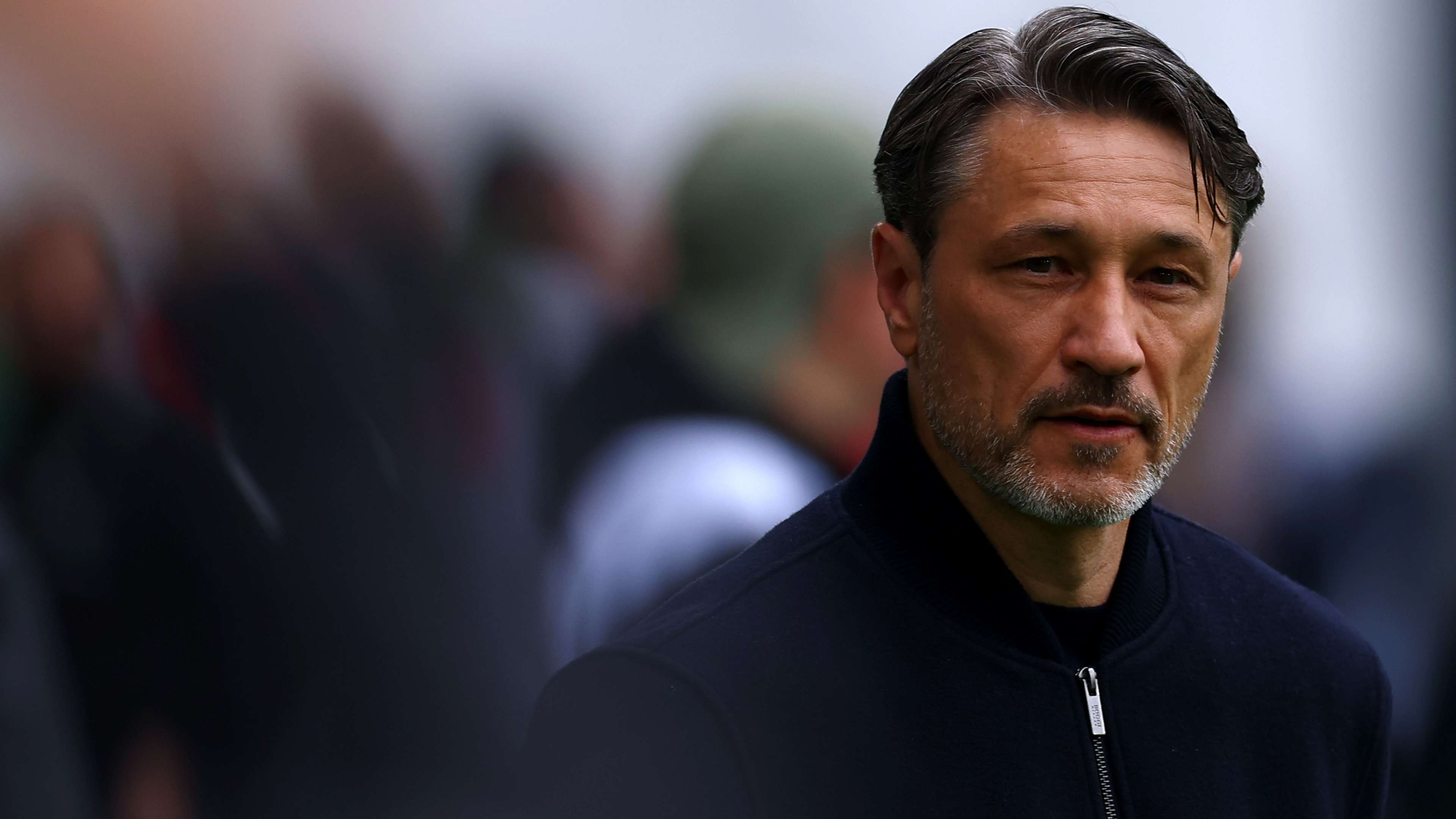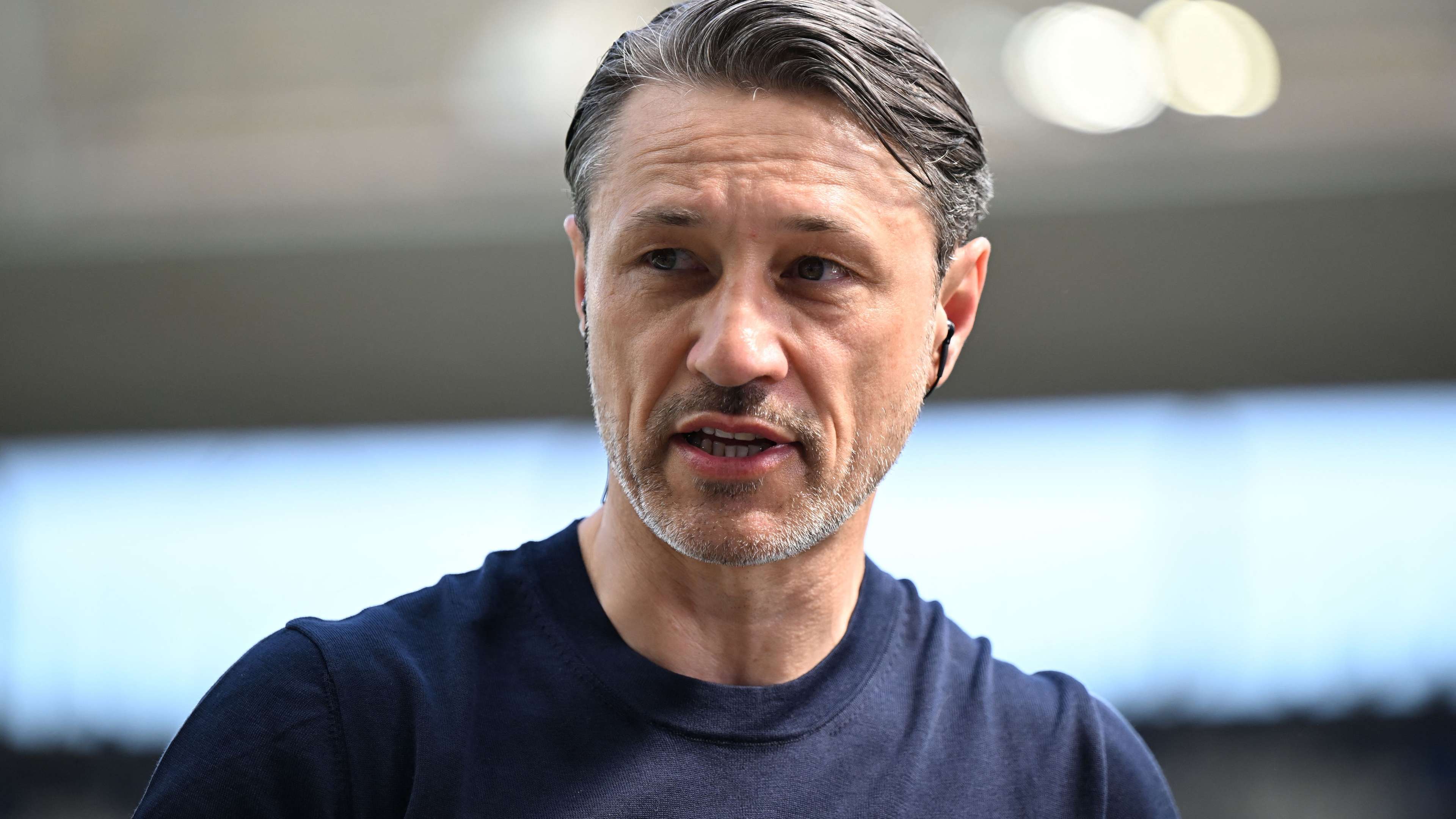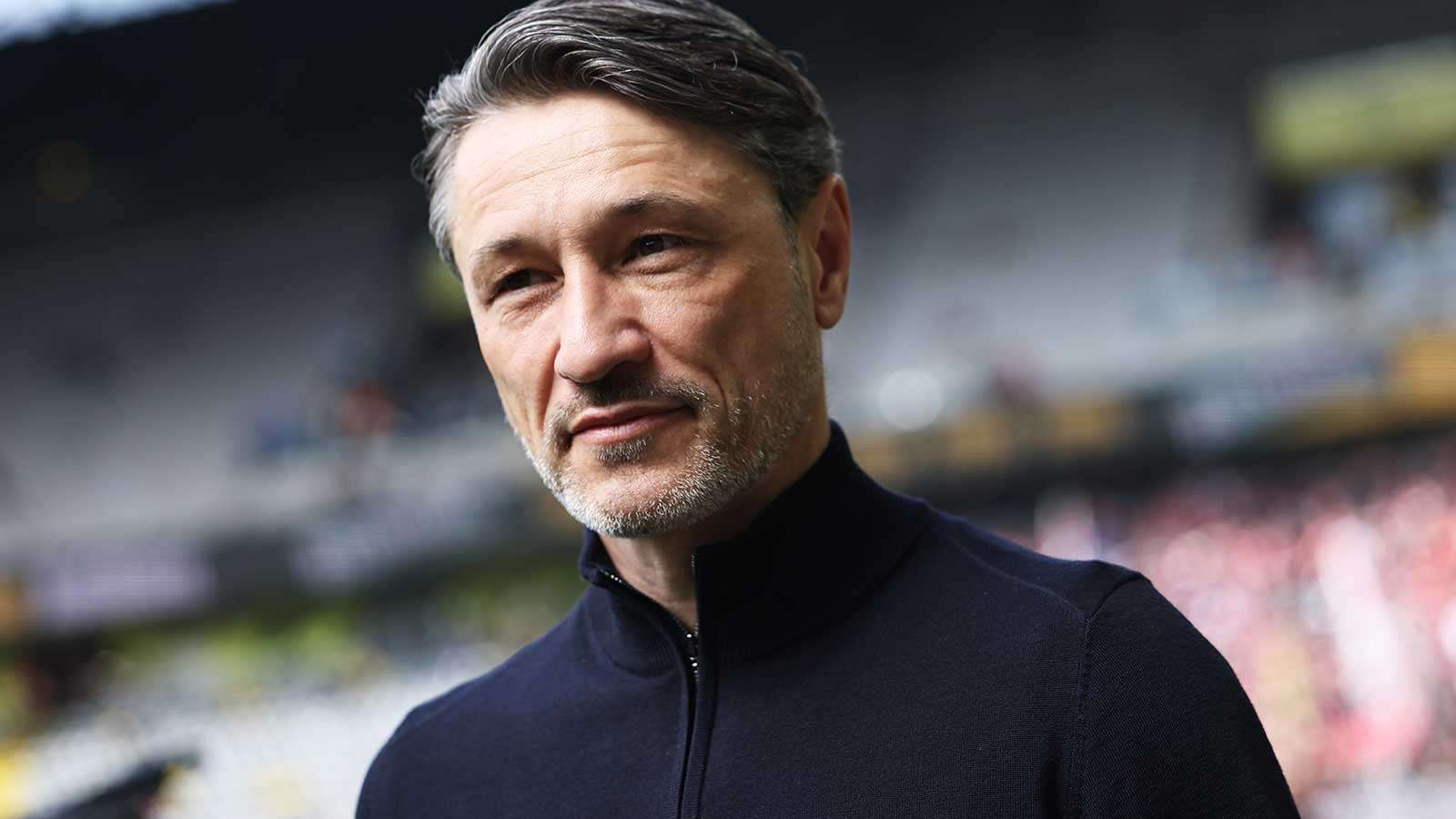
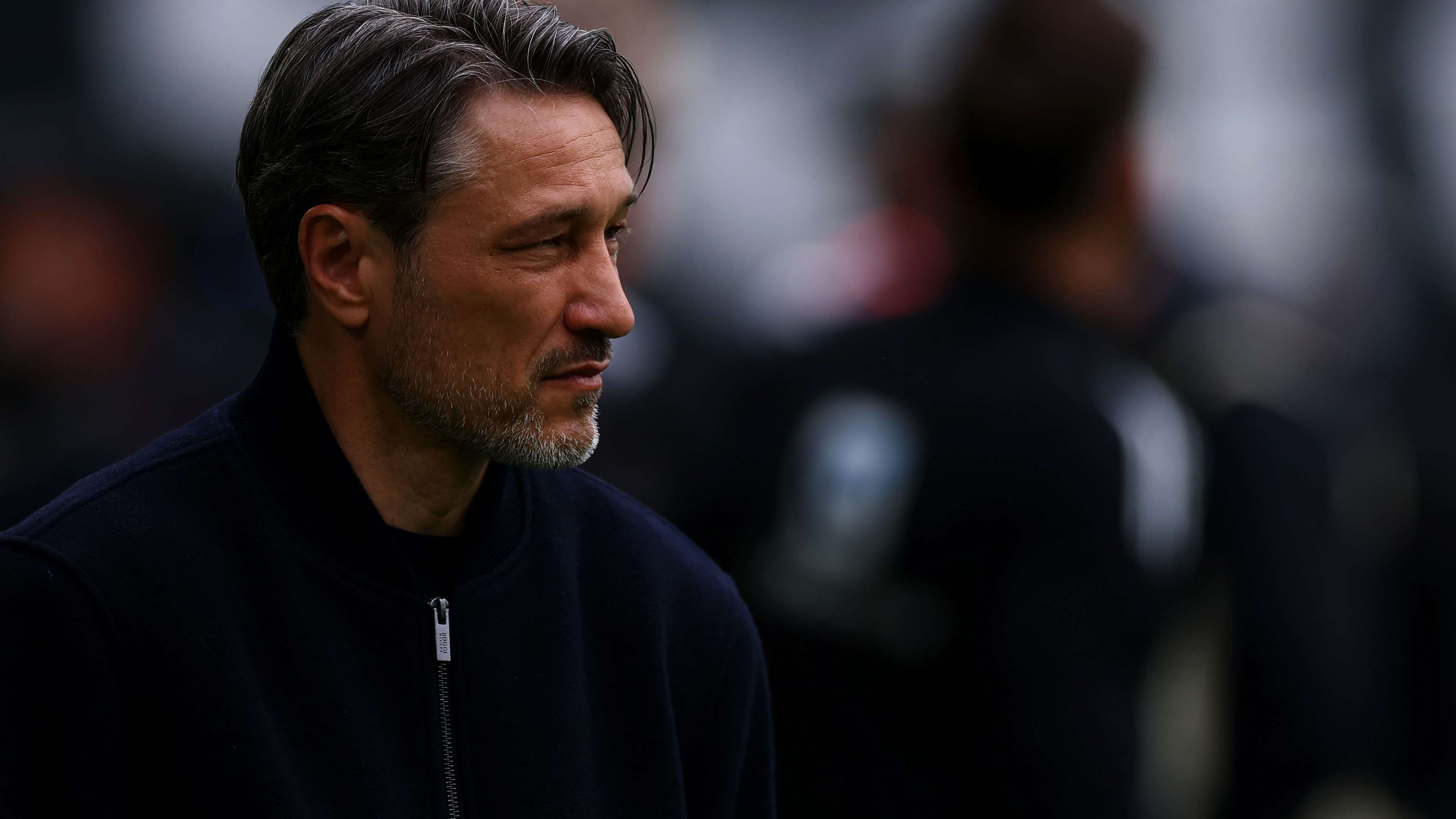
Borussia Dortmund finished second in the Bundesliga with the league's best defence, yet their season reveals little progress from the previous two campaigns. An early Champions League exit and DFB-Pokal round of 16 elimination underscore a troubling pattern: the club is treading water rather than advancing.
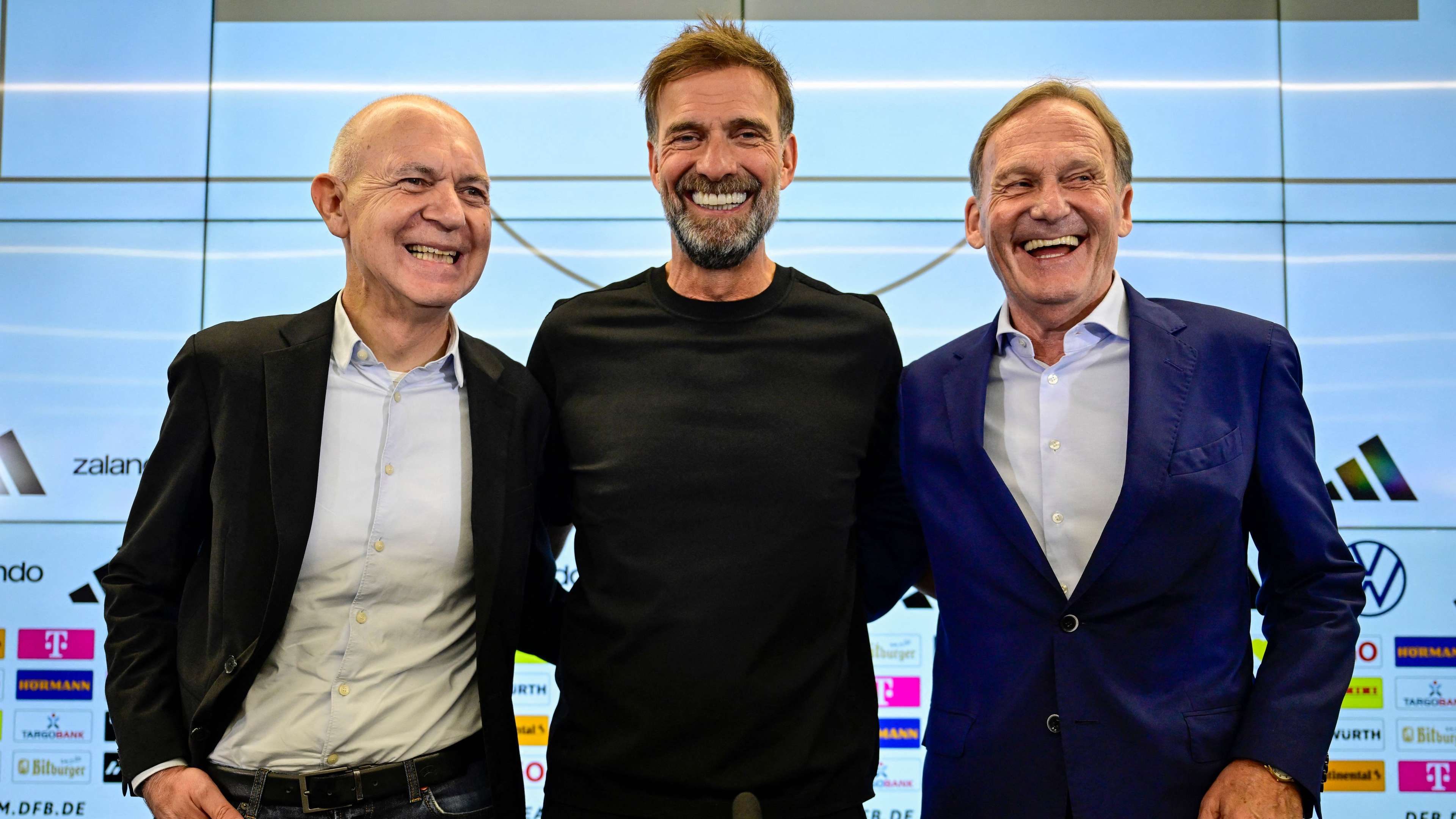
The narrative pushed by BVB's hierarchy—"you have to remember where you came from"—references fifth-place finishes and a disappointing run. However, context matters. Since Jürgen Klopp's departure, Dortmund has finished second five times in eight Bundesliga campaigns, matching their expected position as Germany's clear financial number two. This marks their sixth second-place finish since 2015. The club reached a Champions League final and quarter-finals in recent years; a runners-up Bundesliga showing represents regression, not progress.
Defensive Solidity Cannot Mask Creative Void
Niko Kovac's defensive setup is genuinely impressive. His backline conceded only 43 goals across 72 competitive matches—matching Thomas Tuchel's legendary 2015/16 unit. The 43 wins, 16 losses, and 13 draws record demonstrates organisational discipline and tactical awareness. That defensive foundation deserves credit, especially given the compressed pre-season and demanding Club World Cup campaign.
Yet defensive excellence alone cannot satisfy the club's stated ambitions. Sporting director Ole Book and managing director Carsten Cramer envision a "new BVB" that attacks with boldness, controls possession intelligently, and integrates young, promising talent. Kovac's pragmatic, defensive philosophy directly contradicts this vision. His reliance on rigid formations and the much-debated 'U-pass' system has stifled the free-flowing, creative football the board demands.
The Tactical Conundrum Ahead
Dortmund's next chapter hinges on Kovac's willingness to reinvent. The club has begun reintegrating wingers who excel in one-on-one situations—a direct reversal of his preferred defensive approach. To accommodate this shift, Kovac must fundamentally alter his familiar tactical system. The risk is real: abandoning defensive rigidity without building genuine attacking fluidity could invite chaos rather than creativity.
With contract extension talks ongoing and the 2025-26 season looming, the pressure on Kovac intensifies. A second-place finish feels safe, but BVB's ownership expects more. Whether the German coach can evolve tactically while maintaining his defensive strengths will determine whether this foundation truly supports the club's modernisation or merely delays another period of mediocrity.