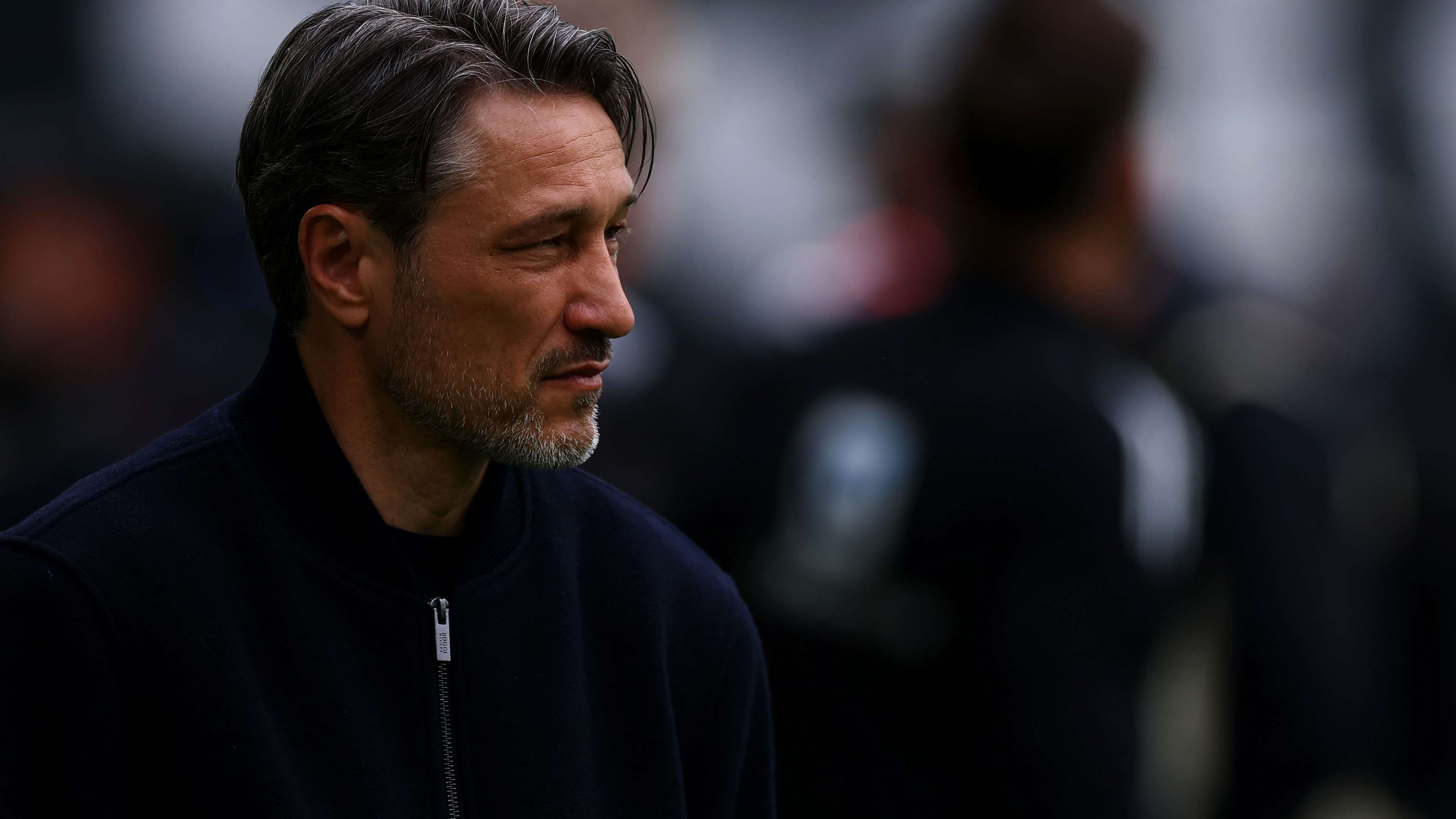
Borussia Dortmund finished second in the Bundesliga with the league's best defence, yet their season tells a more sobering story than the table position suggests. A Champions League exit and round-of-16 DFB-Pokal elimination reveal a campaign that falls short of genuine progress, despite manager Niko Kovac's defensive improvements and 43 wins across 72 competitive matches.
The club's mantra of "remembering where we came from" rings hollow when placed in proper context. Dortmund finished fifth in 2023/24 and fourth in 2024/25—the latter included a Champions League final appearance. This season's second-place league finish, their sixth since 2015, represents a return to baseline expectations rather than advancement. Over the past eleven seasons since Jürgen Klopp's departure, Dortmund has finished second five times, third twice, and fourth once. The numbers confirm a hard truth: as Germany's financial number two, the club belongs in a title race, and second place is merely where they should be competing, not celebrating.
Defensive Solidity Cannot Mask Tactical Rigidity
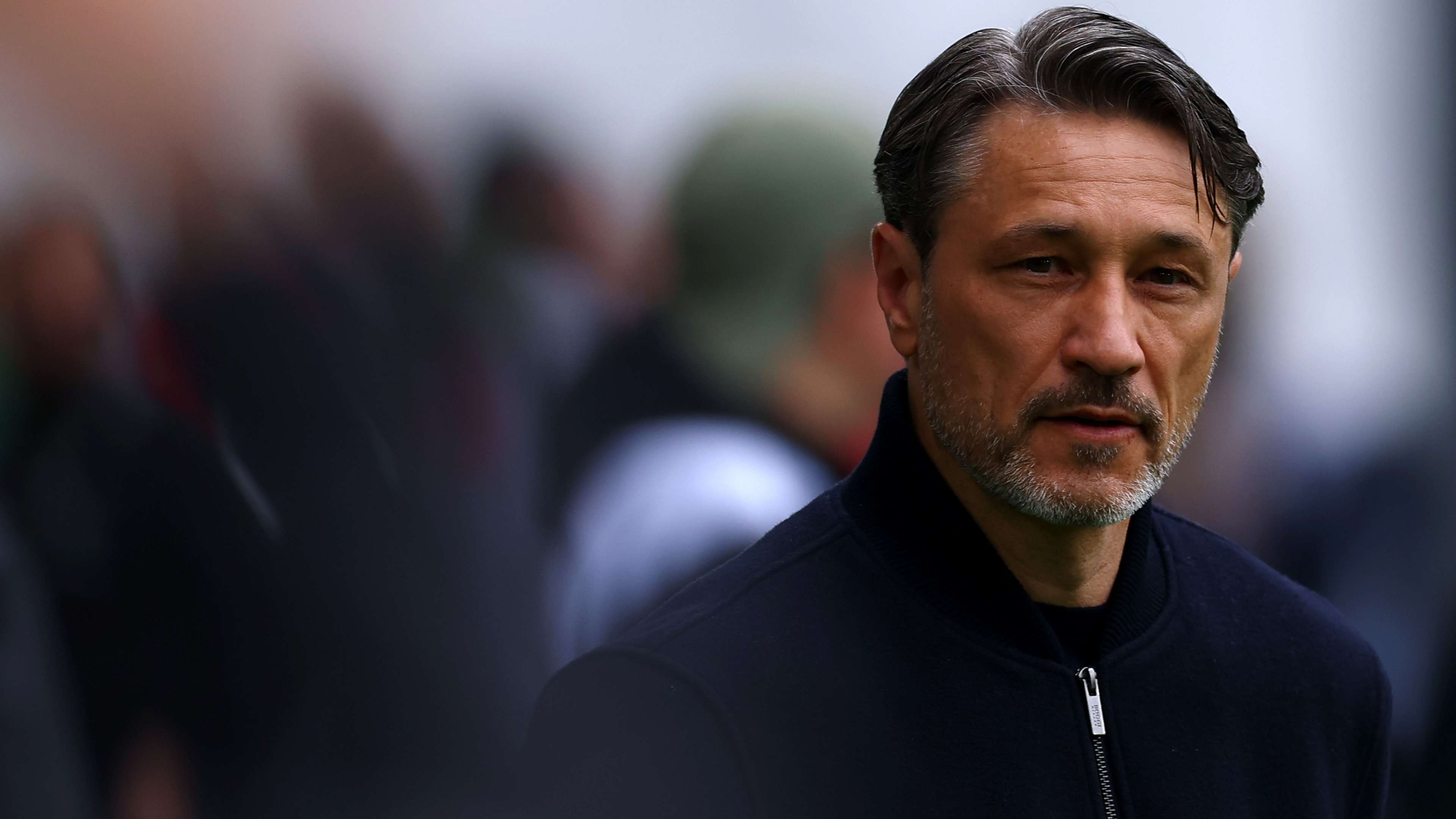
Kovac deserves credit for rebuilding the backline to its best form in a decade, matching Thomas Tuchel's 2015/16 side for defensive excellence. His record of 43 wins, 16 losses, and 13 draws demonstrates tactical competence and consistency. However, this defensive foundation masks a deeper problem: the side's attack remains predictable and uninspiring. Dortmund's rigid, pragmatic approach has suffocated the free-flowing football the club's fanbase expects and the squad's talent should deliver.
The "U-pass" system that anchors Kovac's tactical identity prioritizes possession security but creates heavy reliance on crossing—a limitation that hampers creativity. Sporting Director Ole Book has publicly committed to building a "new BVB" that attacks with greater boldness and ingenuity. To realize that vision, Kovac must fundamentally evolve his approach, reversing his historical tendency to deploy cautious, defensive football. At his previous clubs, this pragmatism proved effective for survival but rarely generated the attacking flair Dortmund requires.
Transfer Strategy and the Road Ahead
The club's recruitment strategy hinges on acquiring young, talented wingers capable of creating one-on-one advantage—a direct rejection of Kovac's narrow tactical preferences. This planning reveals management's tacit acknowledgment that the current system is insufficient. The question now becomes whether Kovac, widely expected to receive a second contract extension within a year, possesses the flexibility to reinvent his coaching identity.
Dortmund's pathway is clear: maintain defensive stability while unlocking genuine attacking threat. That requires more than personnel changes; it demands tactical innovation from a manager whose entire career has been defined by structural rigidity. As the club enters the next transfer window, supporters will scrutinize not just the signings but whether Kovac's football can finally match the squad's potential. Without evolution, another well-organized but ultimately sterile campaign awaits.