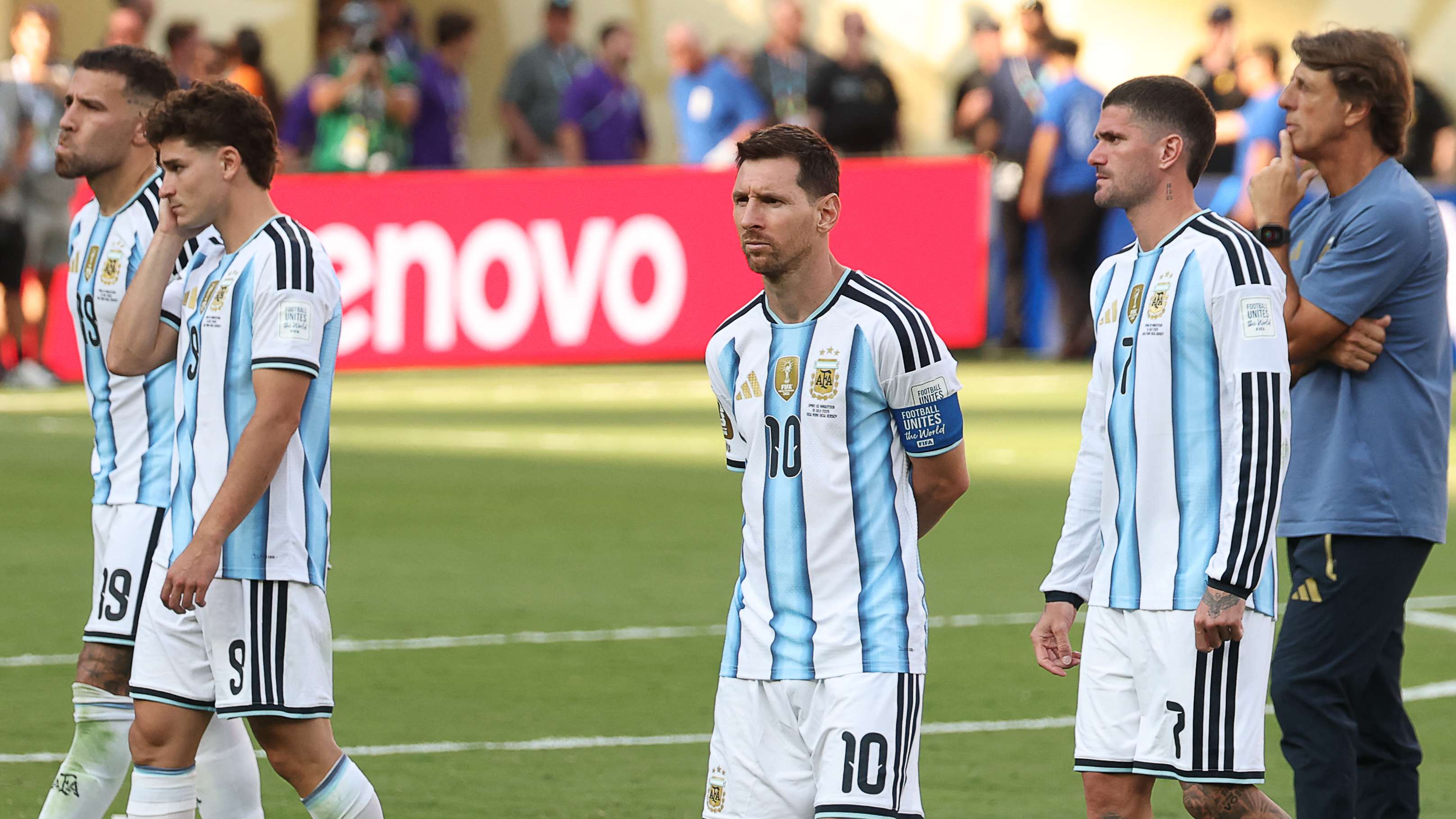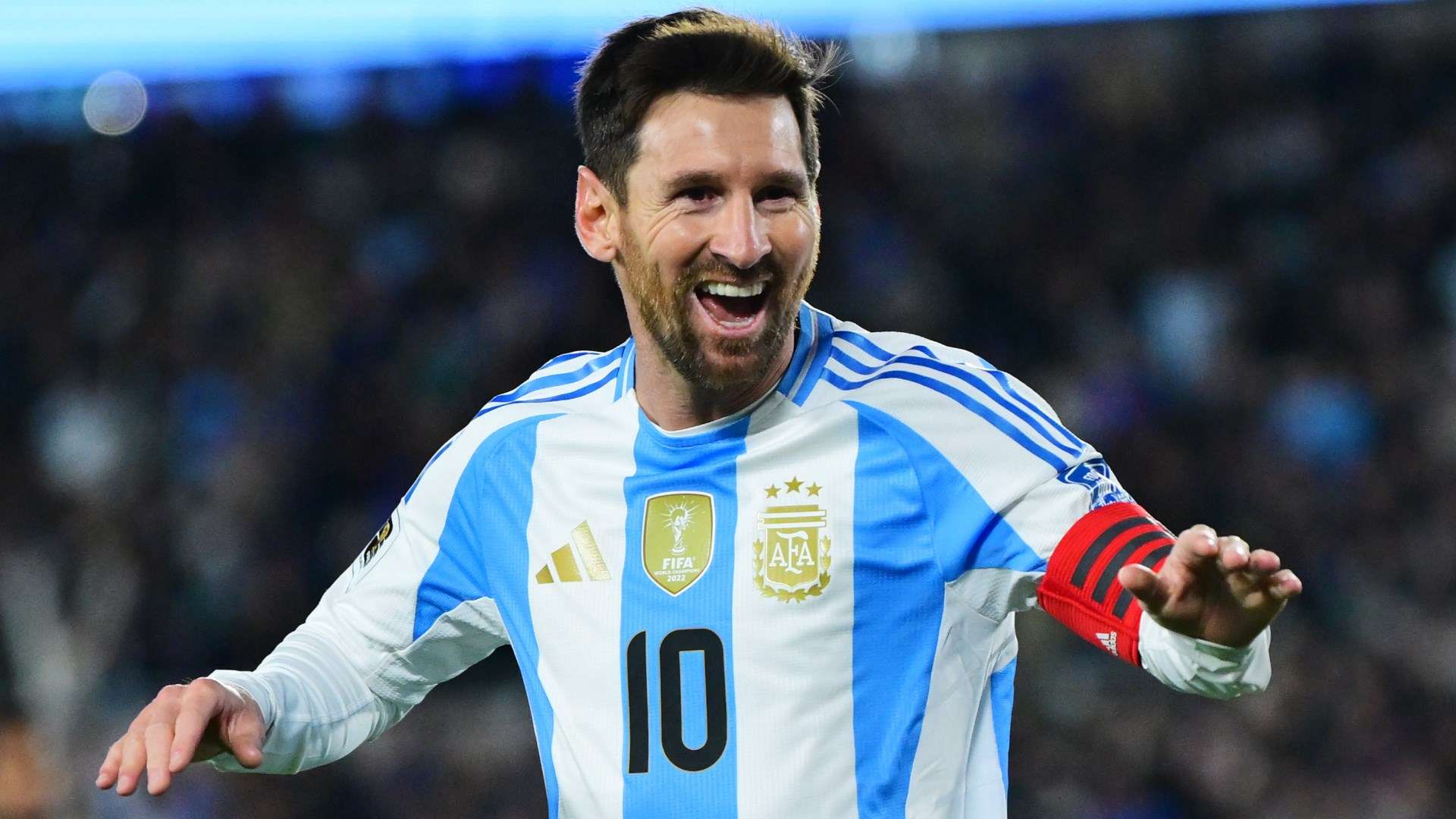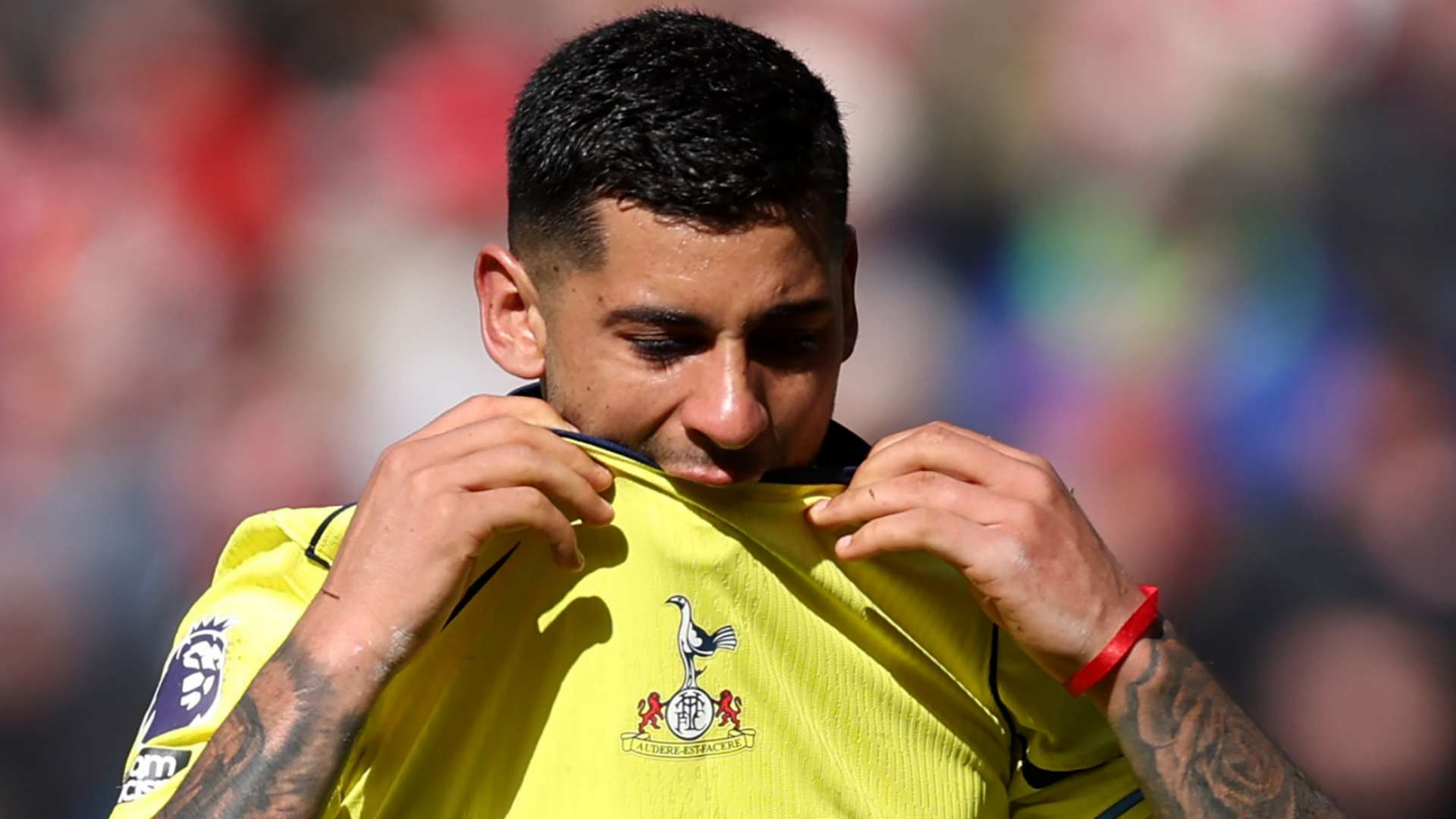
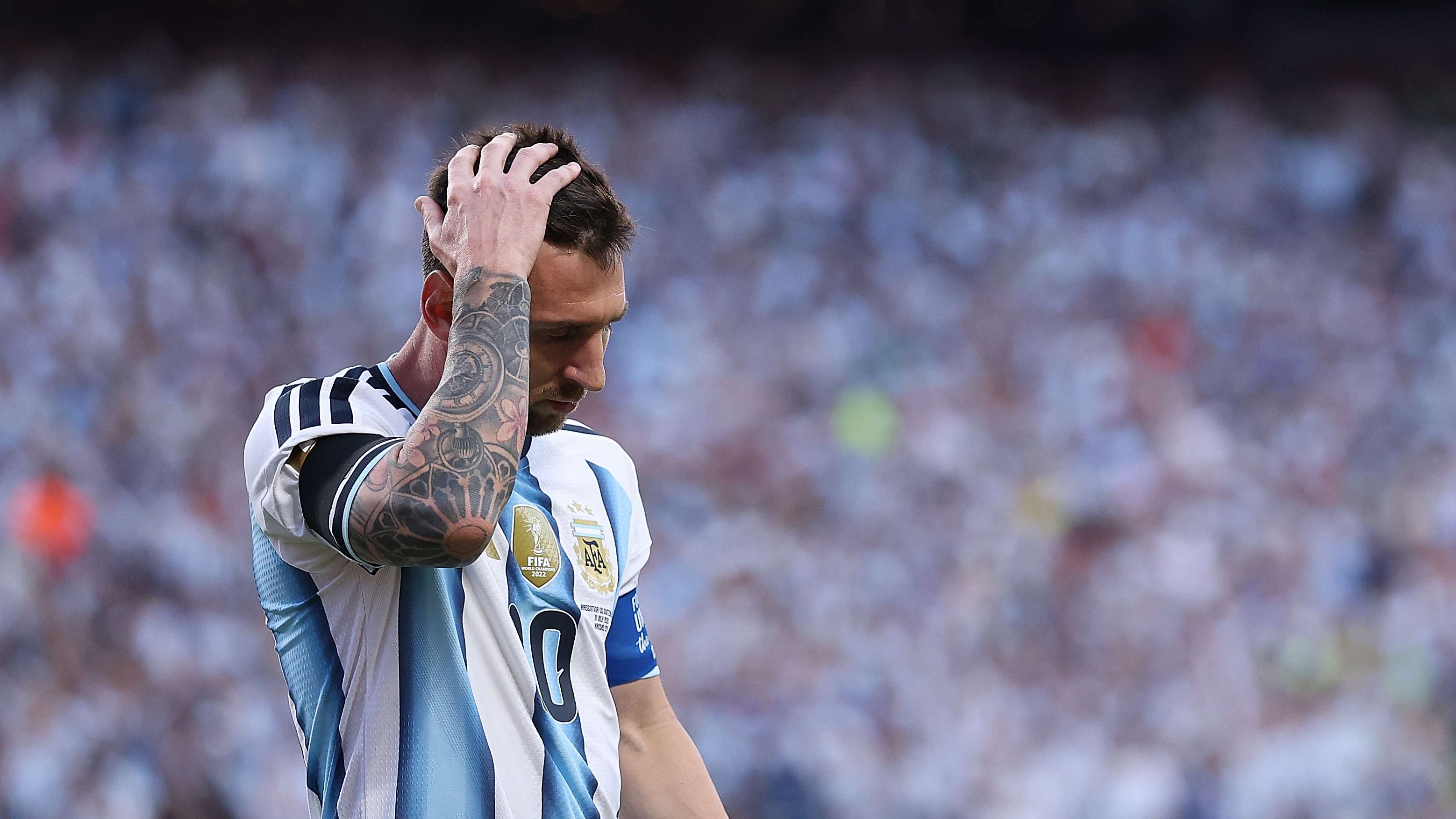
Lionel Scaloni has made a defining decision for Argentina's post-Messi era, naming Cristian Romero as the nation's new captain. The Atletico Madrid defender inherits the armband following the retirement of Lionel Messi after 21 years wearing the light blue and white shirt, marking an unprecedented shift in the Albiceleste's leadership structure.
Messi's final international appearance came after the last World Cup tournament, closing one of football's greatest chapters. His exit alongside Nicolas Otamendi left a void that required immediate resolution. Scaloni's choice of Romero, the 28-year-old academy product from Belgrano, came as a surprise to many. The coach bypassed established figures like Emiliano Martinez, who had previously captained the side, and defender Nicolas Tagliafico in favour of the centre-back's leadership qualities and experience within his tactical system.
Romero's Path to the Captaincy
The appointment was far from impulsive. According to Argentine media sources, Scaloni identified Romero as third captain during the World Cup campaign, a deliberate positioning that signalled his long-term vision for the team's reconstruction. Romero already possesses captain's experience at international level, having worn the armband on three previous occasions across his 58 appearances for Argentina. His captaincy debut came in a World Cup qualifier against Chile, resulting in a 1-0 victory. He subsequently led the side in friendlies against Venezuela and most recently in a 2-1 win over Mauritania in March.
Scaloni himself remains in negotiations over his contract extension through 2027, adding another layer of uncertainty to Argentina's immediate future. The September friendlies—opponents yet to be announced—will provide Romero's first opportunity to establish himself as a commanding presence in the dressing room and on the pitch. For a nation accustomed to Messi's individual brilliance and leadership, the transition demands collective strength and tactical discipline. Romero's defensive solidity and experience in elite European football position him as a stabilising force during this transformational period for Argentine football.